
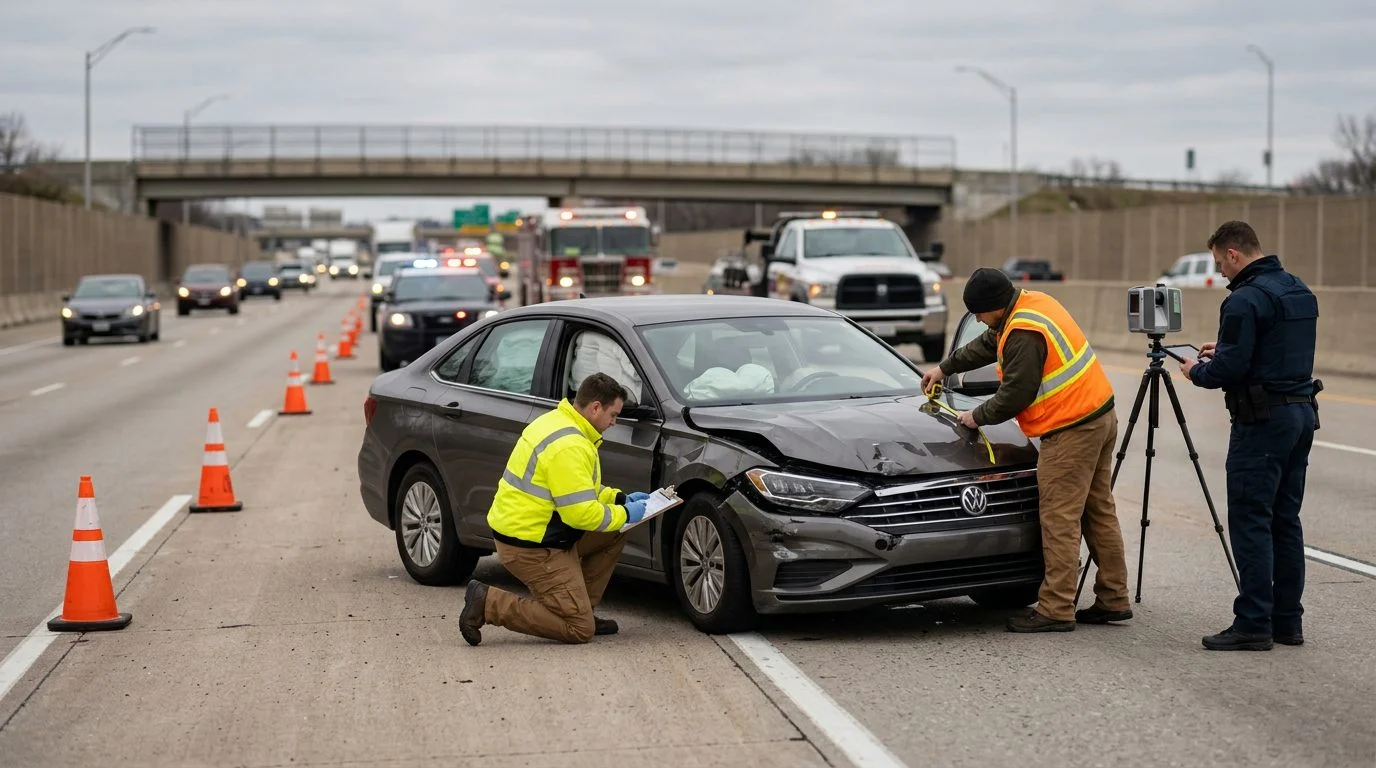
Catastrophic Injury Recovery
What to Expect After a Serious Injury
Recovery from catastrophic injuries is a long road. Understanding the timeline and what lies ahead can help you prepare.
Published October 06, 2026
How Long Does It Take to Recover From a Catastrophic Injury?
Recovery from a catastrophic injury—such as a traumatic brain injury, spinal cord injury, or severe multi-system trauma—is highly individual and rarely follows a predictable timeline. Most people see significant medical progress over months to years, but the pace depends on the injury’s location and severity, your age and overall health, the quality of immediate medical care, and access to rehabilitation. There is no single answer, but understanding what realistic recovery looks like can help you plan for the road ahead.
Not sure what your next step is?
Talk it through with our team — the first case review is free, confidential, and carries no obligation.
Recovery timelines vary widely by injury type and severity
Catastrophic injuries don’t follow a one-size-fits-all recovery path. A severe traumatic brain injury may show rapid improvement in the first weeks, then plateau for months. A spinal cord injury’s recovery depends partly on whether the damage is complete (total loss of function below the injury site) or incomplete (some nerve signals still pass through). Someone’s age, overall health before the injury, and the quality of medical care all shape how quickly—and how far—recovery progresses.
Many people reach a point called “maximum medical improvement” (MMI), after which further physical recovery plateaus. This doesn’t mean healing stops; it means the rate of change slows significantly. Adaptation, quality-of-life gains, and psychological recovery often continue long after MMI.
Physical recovery from catastrophic injury
The first phase of recovery—the acute stage—lasts days to weeks. Doctors focus on stabilization, preventing further harm, and managing pain and swelling. You or your loved one may be in an intensive care unit (ICU) during this time.
Early rehabilitation begins as soon as it’s medically safe, often in an inpatient setting. This phase typically lasts weeks to a few months and involves physical therapy, occupational therapy, and other specialized care. Progress during this window is often rapid and visible.
Ongoing rehabilitation—the longest phase—may continue for months or years. Therapists work to rebuild strength, relearn skills, and adapt to new limitations. Progress often slows after the first few months. Some people regain substantial function; others adapt to permanent changes in mobility, sensation, or cognition. Consistency and patience are critical.
What is a catastrophic spinal injury?
A catastrophic spinal cord injury damages the nerve fibers that carry signals between the brain and the rest of the body. The spinal cord ends near the lower back, but nerve roots continue downward, so injuries at different levels cause different patterns of loss.
Injuries high on the spine (cervical injuries) typically cause more extensive loss of function than lower injuries. A complete cervical injury may affect all four limbs; a complete lower-spine injury may affect only the legs.
About 54 people per million suffer a traumatic spinal cord injury each year in the United States, approximately 18,482 new cases annually. Recovery depends partly on whether the injury is complete or incomplete. With an incomplete injury, some nerve signals still pass through the damaged area, and recovery is often less predictable but sometimes more hopeful.
Physical therapy and emerging treatments may help some people regain limited function, but recovery is often measured in months to years of consistent effort. Many people continue to see small improvements years after the injury.
Traumatic brain injury recovery timeline
Mild traumatic brain injury (concussion) may resolve in weeks to a few months for many people, though some experience lingering symptoms like headaches, difficulty concentrating, or mood changes.
Moderate to severe traumatic brain injury recovery is typically longer and less predictable. The brain’s healing involves reducing swelling, repairing damaged tissue, and—over time—rewiring neural pathways. This process can take months to years.
Cognitive, emotional, and physical symptoms often improve at different rates. Someone might regain physical strength quickly but struggle with memory or attention for much longer. Recovery often continues for years; some people experience ongoing changes in memory, attention, mood, or physical ability.
Have questions about what happened?
Ask our team directly. The first conversation is free, confidential, and there is no obligation to continue.
How long does PTSD from a car accident last?
Post-traumatic stress disorder (PTSD) and other psychological injuries are common after serious car accidents and other traumatic events. Symptoms include intrusive memories, avoidance, hypervigilance, and emotional numbness.
With treatment (therapy, medication, or both), many people see improvement within weeks to months. Others benefit from longer-term care. PTSD can persist for years without treatment, and some people experience symptoms long-term even with care.
Recovery is not linear. People often have good days and difficult days. Mental health recovery runs parallel to physical recovery and is equally important to overall well-being. Addressing both at the same time—through medical care, therapy, family support, and legal action to reduce financial stress—improves outcomes.
Inpatient vs. outpatient rehabilitation
Inpatient rehabilitation means staying in a facility for intensive, coordinated therapy and medical monitoring. This is typically used for severe injuries. Programs usually last weeks to a few months.
Outpatient rehabilitation allows you to receive therapy while living at home, usually after initial inpatient care or for less severe injuries. Therapy sessions happen several times a week, and you return home each day.
The choice depends on injury severity, medical stability, and your support system at home. Both settings aim to maximize function and independence, but the pace and intensity differ. Many people move from inpatient to outpatient care as they stabilize and improve.
Building a healthy routine during recovery
Consistent therapy and medical follow-up are critical to recovery progress. Skipping sessions slows healing; staying engaged accelerates it.
Sleep, nutrition, and stress management support the body’s healing process. The brain and body need rest to repair themselves. Family involvement and emotional support improve outcomes significantly.
Setting realistic, incremental goals helps maintain motivation over a long recovery. Celebrating small wins—regaining a small range of motion, speaking more clearly, sleeping better—keeps hope alive when progress feels slow.
Adapting to new limitations while pursuing achievable improvements is part of the long-term journey. Recovery is rarely about returning to exactly who you were before; it’s about building the best life possible with the body and mind you have now.
The legal recovery timeline is separate from medical recovery
While you or your loved one is healing, there is also a legal process to pursue compensation for medical costs, lost income, pain and suffering, and long-term care needs.
In West Virginia, a personal-injury lawsuit generally must be filed within two years from the date the cause of action accrues, typically the date of injury. The legal timeline typically involves investigation, negotiation with insurance companies, and—if necessary—litigation. This process can take months to years, depending on the case’s complexity and whether it settles or goes to trial.
Medical recovery does not have to be complete before pursuing a legal claim. In fact, waiting for full recovery can delay compensation when you need it most. An attorney can help you understand how the legal process works alongside medical treatment and recovery, and can pursue your claim while you focus on healing.
West Virginia follows a modified comparative fault rule: your damages are reduced in proportion to your own percentage of fault, but you are barred from recovery only if your fault is greater than the combined fault of all other parties. This means that even if you share some responsibility for the accident, you may still recover compensation.
Want to know where you stand?
Tell us what happened and our team will walk you through the options available to you, at no cost.
Frequently asked questions
How long does recovery from a catastrophic injury typically take?
Recovery timelines vary widely—from months to years—depending on injury type, severity, age, and access to rehabilitation. Some people see rapid progress early; others experience gradual improvement over years.
Can you fully recover from a catastrophic spinal cord injury?
Complete recovery is rare, but many people regain significant function through rehabilitation and adaptive strategies. Recovery depends on whether the injury is complete or incomplete.
What is maximum medical improvement?
Maximum medical improvement (MMI) is the point at which further physical recovery plateaus. It doesn’t mean healing stops; it means the rate of change slows significantly, though adaptation and quality-of-life gains often continue.
Should I wait for full medical recovery before pursuing a legal claim?
No. You can pursue a legal claim while still healing. In fact, pursuing compensation early can help cover medical costs and reduce financial stress, which supports recovery.
If a car accident or truck crash caused your catastrophic injury, you may be entitled to compensation to help cover medical costs, lost income, and long-term care needs. The legal process runs parallel to your medical recovery, and you don’t have to navigate it alone. Reach out to discuss your case and learn how the legal process can support your recovery journey.