
Catastrophic Injury Claims | West Virginia
Incomplete Spinal Cord Injury Crash Claims in West Virginia
A partial spinal cord injury from a crash can change your work, your family, and your daily routine. The firm handles these claims for people across West Virginia and focuses on helping you understand where your case stands.
Published November 4, 2026
An incomplete spinal cord injury leaves some feeling or movement intact below the injury. If a crash caused it, a personal injury claim may be possible in West Virginia, depending on the facts.
This page explains what the diagnosis can mean, what a claim may cover, and how to start. If you want to describe what happened, you can tell us in your own words.
What an Incomplete Spinal Cord Injury Means
An incomplete spinal cord injury is damage to the spinal cord that still lets some signals pass below the injury. The spinal cord carries messages between the brain and the body.
When it is damaged, movement, feeling, and bodily functions below the injury can be affected. A complete injury means no function is preserved below the injury level.
An incomplete injury means some sensation or movement may remain. The amount that remains varies from person to person.
Doctors often grade severity with the ASIA Impairment Scale, published by the American Spinal Injury Association. That grade is not always final. It can change as the patient’s condition is checked again over time.
For a claim, this matters. Medical records should show how the injury was graded at each stage, not only on the first day.
This page is written for people hurt in a crash and for family members trying to understand a diagnosis. The firm handles catastrophic injury and spinal cord injury matters that arise from crashes.
If a crash left you with an incomplete spinal cord injury, you may have a claim worth reviewing, and the firm offers a free case review to talk through the facts with you. Talk it through with Big Bubba — the first case review is free, confidential, and carries no obligation.
How Spinal Cord Injuries Happen in Crashes
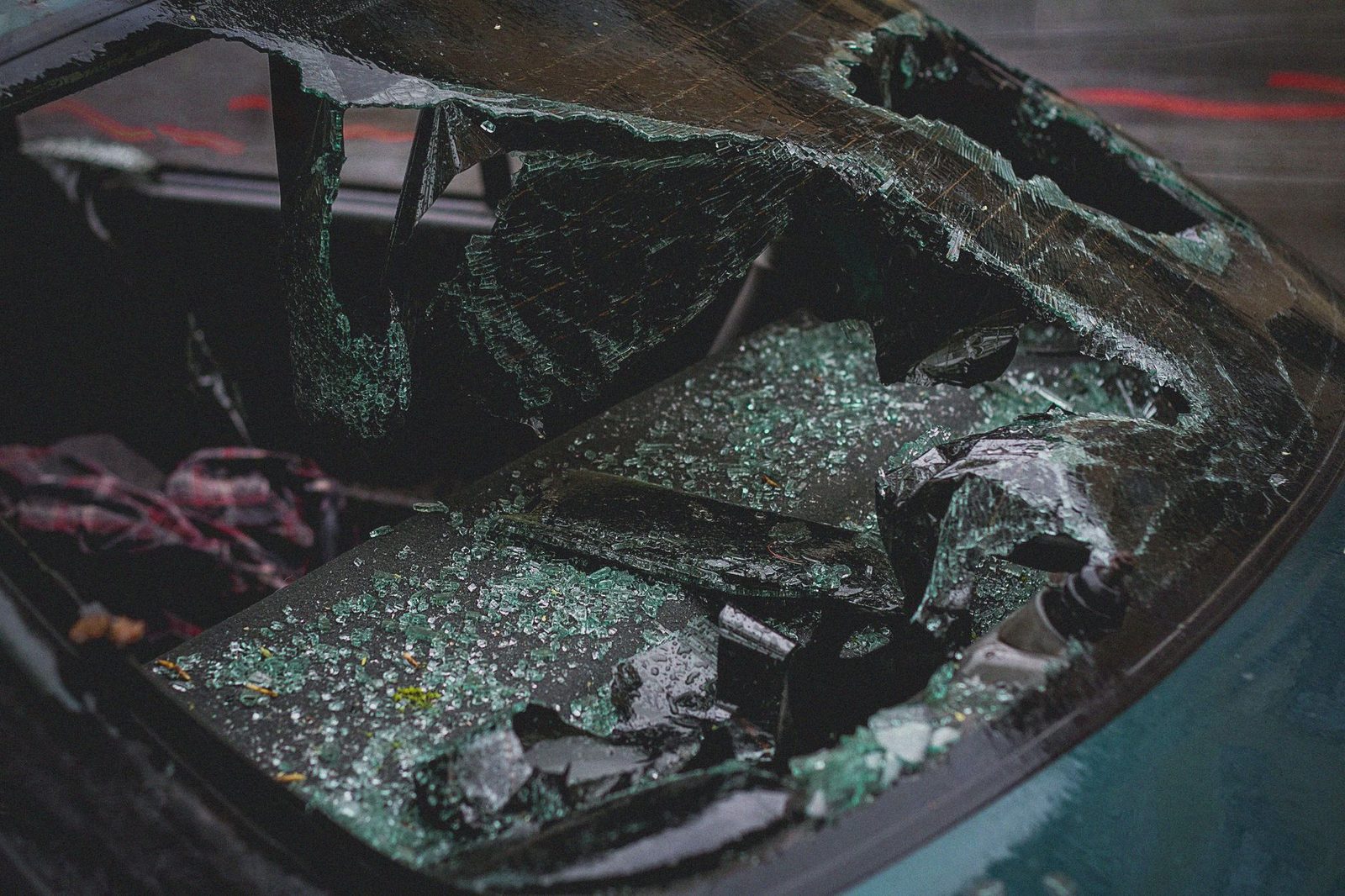
A crash can injure the spinal cord when impact forces break, dislocate, or compress the bones of the spine. Those forces can also tear the discs and ligaments that hold the spine in place.
In some cases, the cord itself is bruised, swollen, or bleeding. That swelling may not show its full effect for hours or days.
This is why early medical care matters, and why the full picture may not be clear right away. Doctors use imaging and neurological exams to see what the cord can and cannot do.
Car crashes, truck crashes, and commercial vehicle crashes can all involve this kind of force. Whether a specific crash caused a specific injury is a question for review in each case.
If you were hurt, describe what happened in your own words. Your account of the impact, your seat position, and what you felt afterward may help connect the crash to the injury.
What a Claim May Cover
A personal injury claim may seek payment for losses caused by the injury. Losses may include:
- Past and future medical care, including rehabilitation and medication
- Assistive equipment, such as wheelchairs or other mobility devices
- Home changes, such as ramps or accessible bathrooms
- In-home care or help with daily tasks
- Lost wages and, in some cases, lost future earning ability
- Pain, suffering, and loss of enjoyment of life
Lost earning ability depends on your work history, job demands, and medical limits. A medical provider’s opinion may matter here.
Pain and suffering is assessed case by case. No single formula fits every injury.
Some family members may have losses of their own, such as household help a relative now provides. Those depend on the details of the case.
The value of any claim depends on the medical evidence and the facts of the crash.
Who May Be Responsible After a Crash
Responsibility depends on how the crash happened, and more than one party may share fault.
If another driver was at fault, that driver and their insurer may be part of the claim. Vehicle owners may also be considered in some cases.
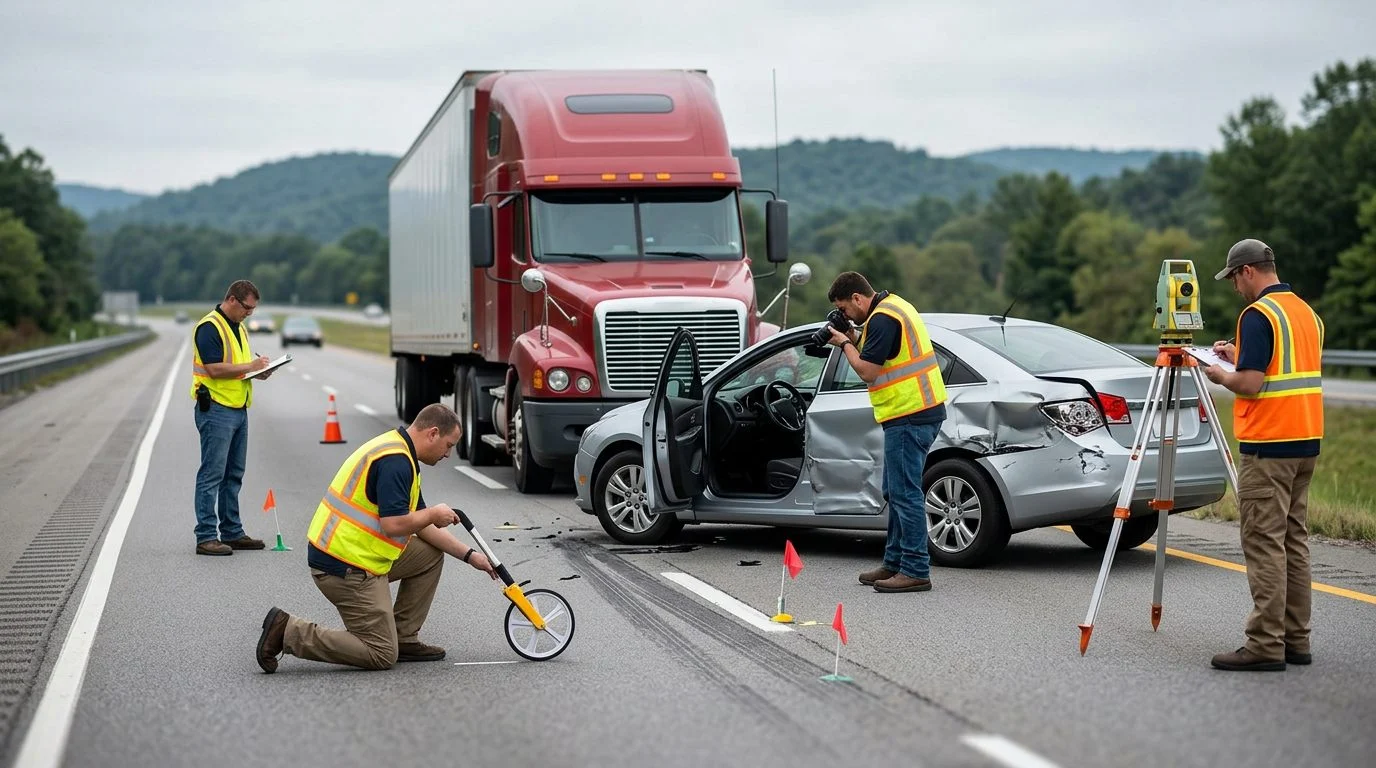
Truck and commercial vehicle crashes may involve more than one company. The driver, the motor carrier, and the company that controls the vehicle may all be part of the review.
West Virginia’s commercial vehicle statute defines employer defendants and sets a limit on certain noneconomic damages, with exceptions.
Federal rules set driving-hour limits for property-carrying drivers. Carriers must also keep vehicles safe under federal maintenance rules.
Unsecured cargo is another concern. The West Virginia Division of Motor Vehicles warns that unsecured cargo can cause serious crashes.
Some insurers may dispute a claim or question fault. Documenting the crash early may help.
Evidence That Supports a Spinal Cord Injury Claim
The most useful evidence may include the crash record, the medical record, and proof of how the injury changed daily life. Start gathering these items now:
- The crash report and scene photos
- Photos of vehicle damage and repair estimates
- Names and contact details for witnesses
- Dash camera or electronic data, where it exists
- Emergency, admission, imaging, and rehabilitation records
- A written log of symptoms and tasks you can no longer do
- Work records, including pay stubs, time off, and employer notes on restrictions
Requesting the crash report is a separate step. The agency that responded may charge its own copy fee.
Truck records can be time-sensitive. Under federal record retention rules, carriers keep maintenance records for one year where a vehicle is housed. They keep them for six months after the vehicle leaves their control. Asking early may matter.
Common Questions About Filing a Claim in West Virginia
The questions below cover deadlines, shared fault, and early contact with insurers.
How long do I have to file?
West Virginia generally allows two years to file a personal injury action, and exceptions may apply. West Virginia Code § 55-2-12 sets this rule.
Can I recover if I was partly at fault?
Under West Virginia Code § 55-7-13c, your fault generally bars recovery only if it is greater than the combined fault of everyone else. If your share is smaller, your recovery is reduced in proportion to your fault.
Do I have to file a lawsuit to make a claim?
Some claims resolve without a lawsuit. Others may need one. The answer depends on the parties and the details of the case.
Should I talk to the insurance adjuster?
Insurers may ask for a recorded statement early. Anything you say may be used later, so think before you speak.
Can someone settle with me right away?
For 20 days after an injury, others may not negotiate a settlement with you while you are in the hospital or unable to work. West Virginia Code § 55-7-11a sets this rule. Under W. Va. Code § 55-7-11a, the injured person may disavow a settlement, release of liability or statement obtained in violation of this section within one hundred eighty days from the date of the injury, by signing a written statement of disavowal and sending a copy to the person who violated the section; the settlement, release or statement then may not be used as evidence in any court or other proceeding about the injury, if any money paid for the settlement or release is repaid or returned to the person who paid it by the time the copy is sent.
Not sure what your next step is?
Talk it through with Big Bubba — the first case review is free, confidential, and carries no obligation.
How the Firm Works With Injured Clients
The firm handles car accident, truck accident, commercial vehicle accident, catastrophic injury, traumatic brain injury, spinal cord injury, and wrongful death claims in West Virginia.
We serve injury victims in Charleston, Huntington, Morgantown, Wheeling, Martinsburg, Parkersburg, Beckley, Clarksburg, Fairmont, Weirton, and across West Virginia.
The firm offers a free case review. It is confidential and comes with no obligation to continue.
Here is how the process typically works:
- You reach out and describe what happened.
- The firm reviews the crash, the medical picture, and the losses you describe.
- The firm explains possible next steps under West Virginia law.
- You decide whether to move forward.
Helpful items to bring include the crash report, discharge papers, imaging summaries, letters from insurers, and a list of your medical providers.

Next Steps After a Crash That Caused a Spinal Cord Injury
The first steps focus on medical care, records, and careful communication with insurers.
- Follow your treatment plan and keep your appointments.
- Save bills, letters, and discharge papers in one folder.
- Write down what you remember about the crash while it is fresh.
- Keep a daily log of symptoms and tasks that have changed.
- Limit social media posts about the crash and your activities.
- Review any release or settlement paper carefully before signing it.
If a crash left you or a family member with an incomplete spinal cord injury, the next decision is whether to pursue a claim. Request a free case review to talk through the facts with the firm.