
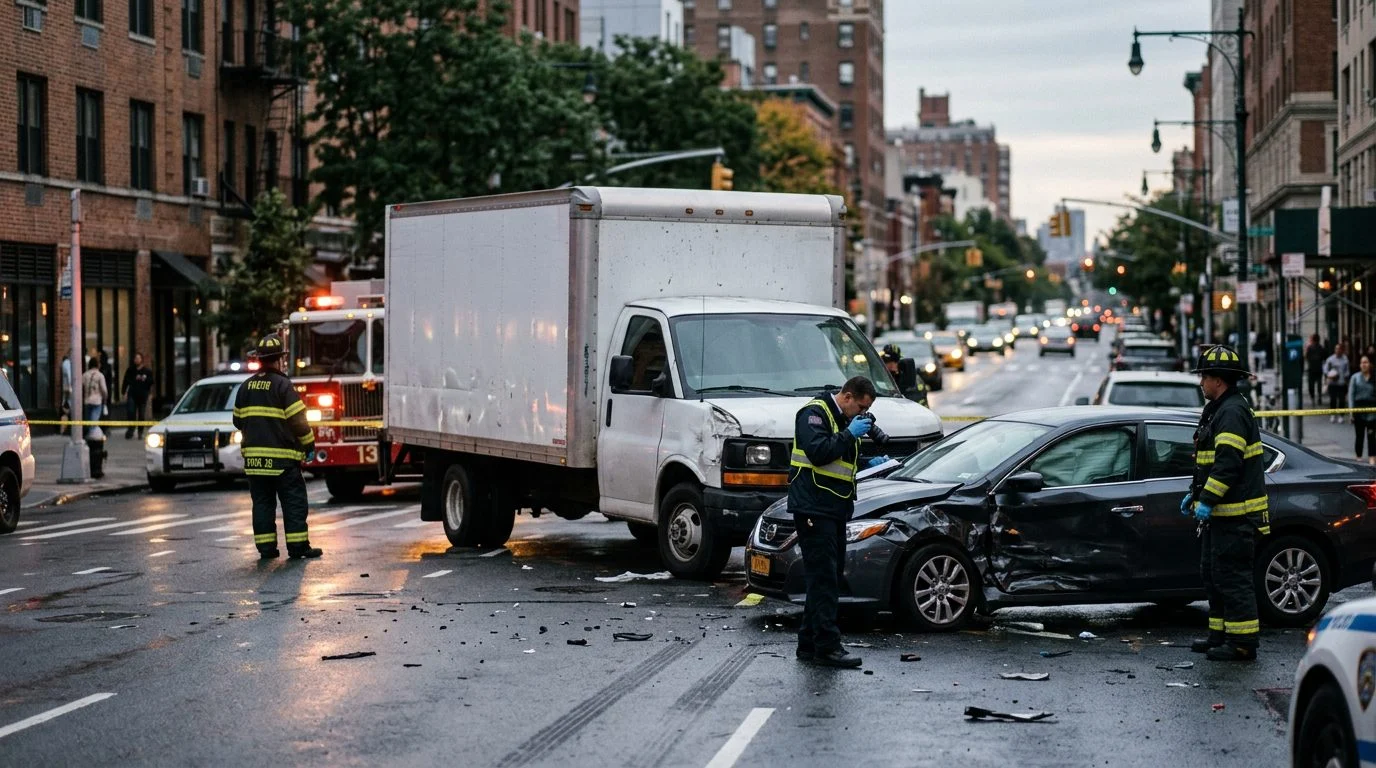
Company vehicle crashes across West Virginia
Settle or Sue After a Company Vehicle Crash? Weighing Your Options
Some claims resolve through negotiation, and some require a lawsuit. The firm can help you understand how the details of your crash may shape that choice.
Published November 4, 2026
Is it better to settle or sue in an accident with a company vehicle? Many people ask this after a crash involving a work truck, fleet van, or company car. This guide explains both paths in plain terms for West Virginia injury and wrongful death claims.
The short answer: it turns on the details of your crash
Is it better to settle or sue in an accident with a company vehicle? There is no single answer for every crash. Settling means reaching an agreement with the other side without a trial. Suing means filing a lawsuit so a judge or jury can decide the claim if no agreement is reached. Which path fits depends on the facts of the crash, the injuries, and the evidence available. Many claims start with negotiation. Some move to a lawsuit later, if the other side will not make a fair offer. So the two paths are not always separate. The early steps look much the same. Early choices, such as who you pursue and what you sign, can shape both paths. Think of the decision as a question of timing, risk, and information.
Not sure what your next step is?
Talk it through with Big Bubba — the first case review is free, confidential, and carries no obligation.
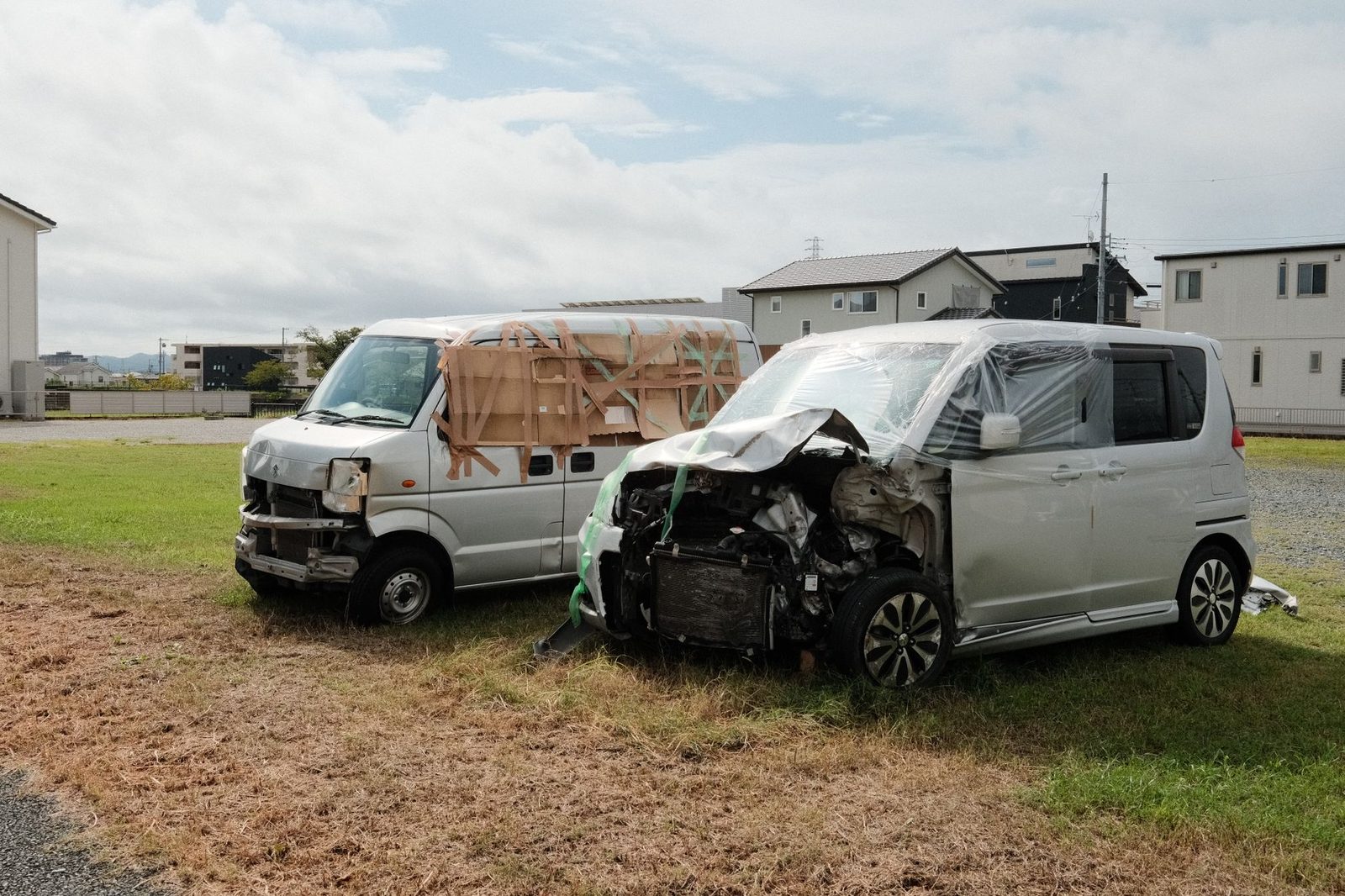
Who may be responsible when a company vehicle is involved
A claim may be made against the driver, the employer, or both. That question matters because more than one party may share responsibility. Whether an employer is responsible for an employee’s driving can depend on the facts of each case.
Other people or companies may also have a role. Examples include a vehicle owner, a maintenance contractor, a company that loaded the cargo, or another driver. Each role is case-specific, so it helps to identify every party early. Several insurance policies and policy limits may also be involved. Finding every source of coverage early affects both settling and suing. For a wider view of severe injury claims, read our catastrophic injury claims overview.
Settling: what it can offer and what it can cost you
Settling can bring a resolution without a trial. A negotiated agreement may offer more predictable timing than a lawsuit, and it avoids a public trial. Those benefits matter to many families who want the matter closed.
The biggest risk is finality. Whether a settlement can be revisited depends on its terms and the facts of each case. The terms of any release you sign can affect which claims remain open, depending on the facts. A release signed with one party does not automatically end a claim against another. W. Va. Code § 55-7-12 provides: “A release to, or an accord and satisfaction with, one or more joint trespassers, or tort-feasors, shall not inure to the benefit of another such trespasser, or tort-feasor, and shall be no bar to an action or suit against such other joint trespasser, or tort-feasor, for the same cause of action to which the release or accord and satisfaction relates.”
Early offers can also miss the full picture. Some injuries, especially brain and spinal cord injuries, may take time to show their full effect. Before you consider any offer, ask whether it covers future medical care and lost income that has not happened yet. Some insurers may dispute a claim or how serious the injuries are. Read every release carefully before you sign, and ask what rights it gives up.
How a settlement process usually starts and what happens next
A claim usually starts when the company and its insurer learn about it. The other side may then ask for information, such as the crash report, medical records, and proof of lost income. Keep copies of everything you send and receive.
West Virginia law also limits early contact after an injury. A settlement made in violation may be disavowed within one hundred eighty days from the injury, by a written statement sent to the person who made it; the settlement is not admissible in evidence if any consideration paid is repaid or returned to the person who paid it at the time the copy is forwarded.
The amount you receive can differ from the headline number. Medical bills and other claims against the recovery may need to be addressed first. That is case-specific, so ask questions before you agree.
Can you reopen a settled case? Reopening a signed settlement can depend on the circumstances involved. Exceptions may apply, so understand the terms before you sign anything.
Suing: what a lawsuit can involve and where it may fit
A lawsuit starts with a complaint filed in court. Then comes discovery, the stage where each side exchanges information, records, and testimony. Witnesses may also give sworn testimony called depositions. Some cases go through mediation, a guided talk between the sides, before any trial.
Discovery can reach company records. Federal rules require motor carriers to keep a federal driver qualification file for each driver. Federal rules also require some employers to test drivers for alcohol and drugs after certain crashes, under 49 C.F.R. § 382.303. Whether those records help your claim is case-specific.
Litigation usually involves more steps and takes longer than a negotiated resolution. It can be stressful for the injured person and family. A lawsuit may be more relevant in serious injury or wrongful death cases where fault is disputed or the harm is still being evaluated.
Deadlines matter. West Virginia generally allows two years to file a personal injury lawsuit under W. Va. Code § 55-2-12, and exceptions may apply. A wrongful death action must be brought by the personal representative of the deceased person’s estate, and it must be commenced within two years after the death, subject to the provisions of section eighteen, article two, chapter fifty-five, under W. Va. Code § 55-7-6. W. Va. Code § 55-7-6 reads: “The provisions of this section shall not apply to actions brought for the death of any person occurring prior to July 1, 1988.” Because these deadlines run from specific dates, raise the timing question early.
How to negotiate a car accident settlement
Good negotiation starts with organized records. Gather medical records, bills, proof of lost wages, and photos of the vehicles and the scene. Write down what happened while your memory is fresh. Keep a simple log of symptoms and appointments too.
An initial offer is often the start of a conversation, not the final word. A written response can explain why the claim is worth more, and it can point to records that support that view. Some insurers may dispute a claim’s value, so that support matters. Keep communications in writing when you can. Avoid guessing about fault or injuries before you understand the claim.
The state insurance regulator explains West Virginia’s mandatory auto liability limits, uninsured motorist coverage, and optional underinsured motorist coverage on its consumer page. Those coverages may affect how much money is available to pay a claim.
Negotiations can stall. If the other side will not engage in a fair discussion, filing suit may become the next step. For a closer look at when a lawyer’s help may be useful, read our work van accident guidance.
Not sure what your next step is?
Talk it through with Big Bubba — the first case review is free, confidential, and carries no obligation.
Facts that often shape the settle-or-sue choice
Several facts commonly shape this choice:
- How serious the injuries are, and whether they are still being evaluated
- How clear fault is, and how many parties may be involved
- What insurance coverage is available from each source
- Whether a family is deciding after a death
Fault matters too. West Virginia uses modified comparative fault, which means shared fault (your share of blame). Under W. Va. Code § 55-7-13c, your own fault does not bar recovery unless it is greater than the combined fault of all others responsible. W. Va. Code § 55-7-13c reads: “(c) Any fault chargeable to the plaintiff shall not bar recovery by the plaintiff unless the plaintiff’s fault is greater than the combined fault of all other persons responsible for the total amount of damages, if any, to be awarded.” If it is smaller, your recovery is reduced in proportion to your share of fault.
If the driver left the scene, read about hit-and-run crash investigations. Families facing a death claim can read about work van wrongful death claims.
Common questions
Is it better to settle or sue in an accident with a company vehicle?
It turns on the details of your crash. Many claims start with negotiation.
Can I be sued for an accident in a company vehicle?
A claim may be made against the driver, the employer, or both, based on the details of the crash.
Can you reopen a settled car accident case?
Whether a settled car accident case can be reopened depends on the signed terms and the facts involved. Exceptions may apply.
Talk through your situation with the firm
If you are recovering, or caring for someone hurt or killed in a company vehicle crash, this decision can feel heavy. You may be holding an offer you did not expect, or wondering whether a lawsuit is the next step. The firm handles car, truck, and commercial vehicle injury claims across West Virginia, including catastrophic injuries, traumatic brain injury, spinal cord injury, and wrongful death. The firm can talk through the facts of your crash with you. To start that conversation, request a free case review.
Related practice areas
- Minimum Auto Insurance Coverage in West Virginia (25/50/25)