
Catastrophic Injury Claims | West Virginia
Pain and Suffering in a Catastrophic Injury Claim in West Virginia
Serious crashes change how a person lives, works, and feels every day. Here is how pain and suffering fits into a West Virginia claim, and how to start a conversation with our firm.
Published November 3, 2026
Pain and suffering is the part of a catastrophic injury claim that covers harm you can feel but can’t put on a receipt. This guide explains pain and suffering in a catastrophic injury claim in West Virginia, what it can include, and which records may help show it.
What Is a Catastrophic Injury Claim in West Virginia?
A catastrophic injury claim seeks compensation for a serious harm that lasts a long time or may be permanent. Traumatic brain injuries and spinal cord injuries are two examples. Some catastrophic injuries also change how a person works, cares for family, or handles daily tasks like cooking, driving, or getting dressed.
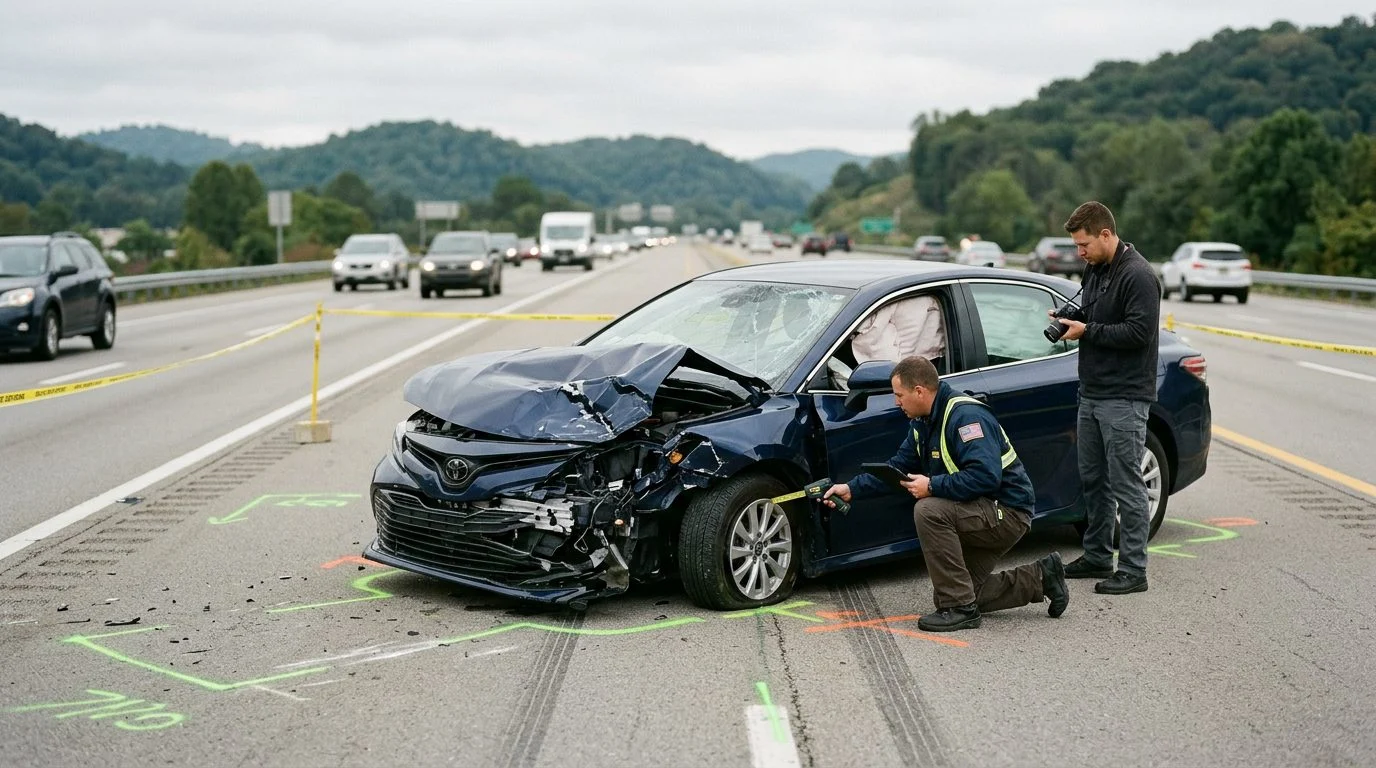
Many of these claims begin with a crash. The firm handles car accidents, truck accidents, and other commercial vehicle accidents. It also handles catastrophic injury and wrongful death matters. We serve people across West Virginia, including Charleston and Morgantown.
A serious crash can leave injuries that may take months or years to fully understand. That is why early records matter. Every claim is different, and the facts of each one shape what applies.
If a crash left you or someone you love with a brain or spinal cord injury, you can reach out to the firm for a free case review. Talk it through with Big Bubba — the first case review is free, confidential, and carries no obligation.
Economic and Non-Economic Damages: Where Pain and Suffering Fits
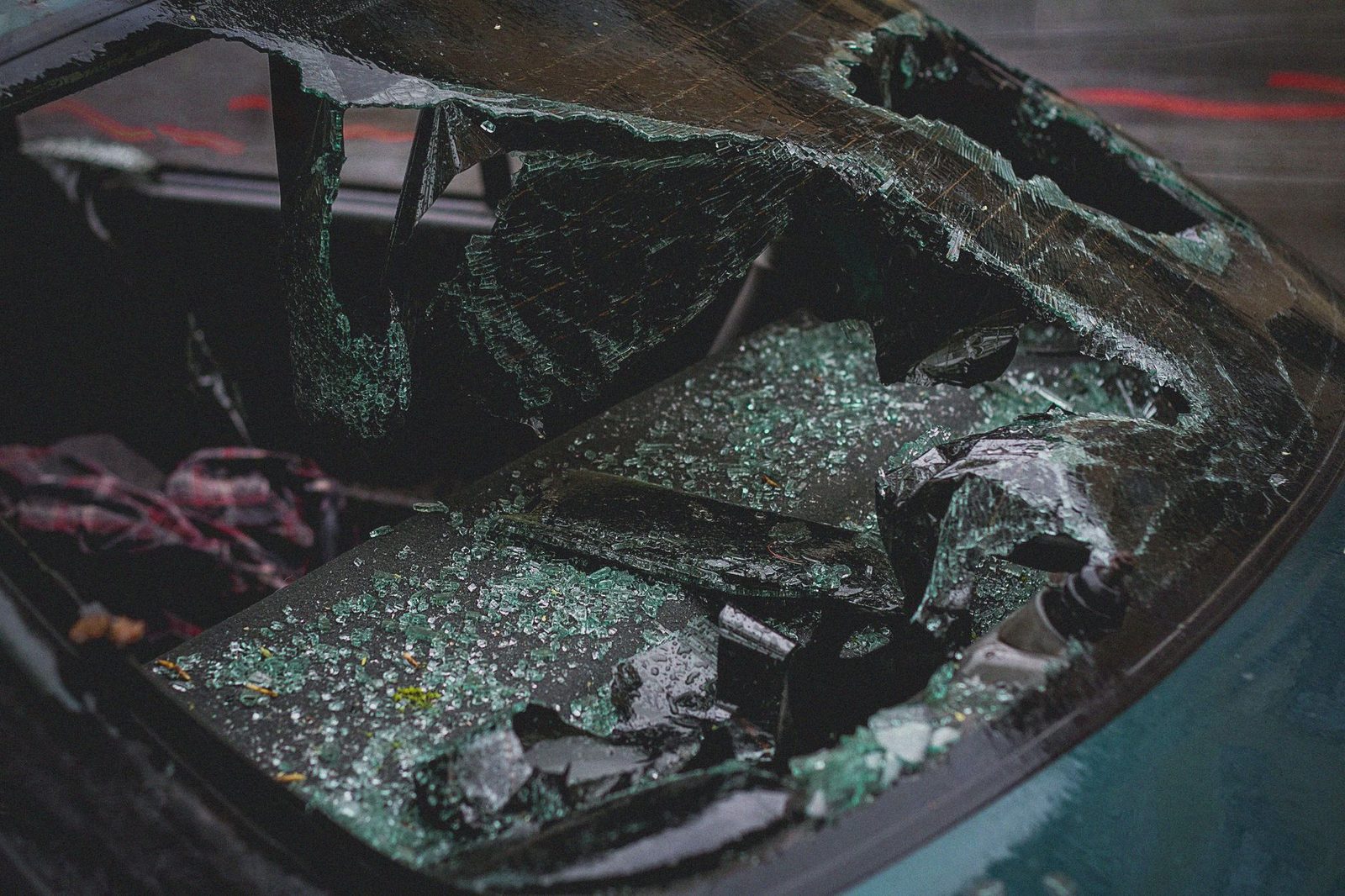
Pain and suffering is a form of non-economic damages. Non-economic damages cover harm that doesn’t come with a bill or a receipt. Economic damages, by contrast, cover losses you can add up on paper.
Economic damages usually include medical bills, future treatment a doctor expects you to need, and lost wages or lost earning ability. Non-economic damages usually include physical pain, emotional distress, and the loss of enjoyment of life. Many injury claims discuss these two categories separately because they are proven in different ways.
Bills, wage records, and treatment plans help show economic losses. Medical notes, personal journals, and the accounts of people who know you well may help show non-economic harm. The two categories work together, so records for each one are worth keeping from the start.
What Pain and Suffering Can Include After a Catastrophic Injury
Pain and suffering covers the physical and emotional effects of an injury and the loss of everyday life. It doesn’t end with the first days after a crash. Physical pain may continue for years, including pain tied to surgery, rehabilitation, and simple activities like sitting, standing, or sleeping.
Emotional distress is also part of the picture. Anxiety, fear of driving, depression, and mental anguish can follow a serious injury. West Virginia’s wrongful death statute names sorrow, mental anguish, and solace as damages in cases where a loved one has died.
Loss of enjoyment of life is often described through specific examples. It covers hobbies, travel, family events, and routines a person can no longer do the same way. A grandparent who can’t lift a grandchild, or a worker who can’t do the outdoor work they once loved, may describe that loss in detail.
Disfigurement and permanent changes in appearance or mobility may also be relevant, depending on the facts. Describing those changes clearly helps show how the injury affects daily life.
How Brain and Spinal Cord Injuries Affect Non-Economic Harm
A brain injury or spinal cord injury can change daily life in ways that show up directly in pain and suffering. The effects are often personal and specific to the person who was hurt.
A traumatic brain injury may affect memory, concentration, mood, sleep, and personality. A person who was once organized may struggle to finish a simple task. Family members may notice that a loved one seems like a different person. These changes can be part of the non-economic harm a person describes, because they affect relationships, work, and how someone sees themselves.
A spinal cord injury may affect movement, sensation, and independence. Many people describe losing independence as one of the hardest parts of their injury. Tasks like bathing, dressing, or getting to appointments may require help from others.
Medical records and testimony are commonly used to show how an injury affects a person. A treating doctor’s notes, imaging, and rehabilitation reports describe the injury in medical terms. Recovery and long-term outlook vary from person to person, so each case has its own medical picture.
Wrongful Death Cases and the Losses Families May Describe
A wrongful death claim arises when a person dies because of another party’s wrongful conduct. Under W. Va. Code § 55-7-6, the action is brought by and in the name of the personal representative who has been duly appointed. The personal representative brings the case for the family, and any money recovered is distributed under the statute.
The statute lists several categories of damages. Sorrow, mental anguish, and solace may include companionship, comfort, guidance, and the advice of the person who died. Families may also seek compensation for expected loss of income and for the services, care, and assistance the person provided. The categories that apply are shaped by the facts and by West Virginia law.
The same statute says a wrongful death action must be commenced within two years after the death, subject to other provisions of state law (W. Va. Code § 55-7-6). W. Va. Code § 55-7-6 reads: “The provisions of this section shall not apply to actions brought for the death of any person occurring prior to July 1, 1988.” Exceptions may apply, so timing deserves early attention.
When an injured person dies after a crash, W. Va. Code § 55-7-8 may allow a claim for damages between the time of injury and death. The statute also says there is only one recovery for each element of damages.
Fault, Shared Blame, and Who May Be Liable
West Virginia generally uses modified comparative fault, which means blame can be split by percentage among the people involved. Under W. Va. Code § 55-7-13c, an injured person’s fault does not bar recovery unless it is greater than the combined fault of all other persons responsible. If it is less, the recovery is reduced in proportion to that person’s share of fault.
Shared blame matters for pain and suffering because it can reduce the total recovery, not just one category of damages. That makes it important to understand how fault may be assigned early in a case.
Truck cases can involve more than one party. West Virginia’s commercial vehicle statute defines an “employer defendant” to include the vehicle’s owner, the operator’s employer, and others who hold legal control over the vehicle.
Cargo problems can play a role too. The West Virginia Division of Motor Vehicles states that unsecured cargo can cause serious or catastrophic crashes. If another driver was at fault, that driver and possibly others may be asked to answer for the harm.
Not sure what your next step is?
Talk it through with Big Bubba — the first case review is free, confidential, and carries no obligation.
Records and Documentation That Support Non-Economic Claims
Records help connect an injury to daily life, which is the heart of a pain and suffering claim. Start by keeping everything from the crash and the care that followed.
Medical records form the core. Emergency room notes, hospital records, treatment notes, therapy records, and lists of medications and devices show what happened and what the injury requires. Keep copies of appointment summaries and discharge papers, too.
A personal journal can also help. Write down pain levels, sleep problems, missed activities, and changes in family life. A journal of this kind may be relevant in a given case, especially when it is written close to the events it describes.
Photographs of the vehicles, the scene, and visible injuries can show how the crash happened. Names and statements from witnesses may help as well. The police crash report is another useful source. Keep originals safe and make copies of everything.
How Insurance Claims May Affect Pain and Suffering
Some insurers may dispute the value a person places on pain and suffering, even when the injuries are well documented. Non-economic harm is harder to measure than a bill, so it can become a point of disagreement.
Timing of early contact matters too. W. Va. Code § 55-7-11a bars certain settlement activity within twenty days of an injury while the injured person is a hospital inpatient or unable to work. Under W. Va. Code § 55-7-11a, a settlement, release of liability or statement entered into, obtained or made in violation of that section may be disavowed by the injured person at any time within one hundred eighty days from the date of the personal injury by executing a written statement of disavowal and forwarding a copy of the same to the person violating that section. The settlement, release or statement then may not be admissible in evidence for any purpose in any court or other proceeding relating to the personal injury, but only if any consideration paid for the settlement of or the general release of liability for the personal injury, at the time of the forwarding of the copy of the written statement of disavowal, is repaid or returned to the person who paid the consideration.
For some commercial vehicle cases, the commercial vehicle statute limits noneconomic damages against an employer defendant. That limit depends on the defendant carrying the commercial motor vehicle insurance the statute requires, and it does not apply in certain driver-conduct situations. It applies only to causes of action arising after July 1, 2024.
Also, under W. Va. Code § 55-7-25, a personal injury or wrongful death complaint generally may not list a specific dollar figure for damages. The firm can explain how negotiation may apply in a particular case.

Talking With the Firm About Your Situation
Picture a family member who now lives with a brain injury after a truck collision. They may be wondering what lost independence means for pain and suffering, and whether the records they already have are enough.
Quick answers
Is pain and suffering part of a West Virginia wrongful death claim?
Yes. West Virginia’s wrongful death statute names sorrow, mental anguish, and solace among the damages a jury verdict includes.
Can a brain or spinal cord injury affect pain and suffering?
Yes. Changes to memory, mood, movement, or independence may be part of the harm a person describes.
Is there a deadline for a wrongful death claim?
The statute generally sets two years from the date of death, and exceptions may apply (W. Va. Code § 55-7-6).
If a crash has left you or someone you love with a brain or spinal cord injury, you can reach out to the firm for a free case review. The review is confidential and carries no obligation to continue. You can start by sending your details through the contact form.