
Wrongful Death | Serving West Virginia
When a Pedestrian Is Killed, Your Family Deserves Answers
Big Bubba Injury Law represents families across West Virginia after a loved one is killed while walking, whether by a passenger vehicle or a commercial truck. We serve Charleston, Huntington, Morgantown, Wheeling, Martinsburg, Parkersburg, Beckley, Clarksburg, Fairmont, Weirton and communities throughout the state.
Statewide Reach
55
West Virginia counties we serve
Free
Confidential first case review
7
Practice areas we focus on
Published October 31, 2026
If you are looking for a pedestrian wrongful death lawyer in West Virginia, you need clear answers first. A wrongful death claim may allow damages to be sought after someone dies in a crash allegedly caused by another party’s wrongful act, neglect, or default. The claim is brought by the personal representative of the estate, for the family members the law names. Big Bubba handles these claims along with car, truck, and commercial vehicle crashes. We serve families across the state, from the Eastern Panhandle and Northern Panhandle to the Mountain region and the Kanawha Valley.
What a Pedestrian or Cyclist Wrongful Death Claim Is
A wrongful death claim asks a civil court to hold the responsible party accountable for a death. A criminal case against a driver and a personal injury claim can raise different questions, and you can reach out to the firm to talk about your situation. Under W. Va. Code § 55-7-5, when a death is caused by a wrongful act, neglect, or default that would have entitled the injured person to maintain an action for damages had death not ensued, the responsible person can be liable for damages.
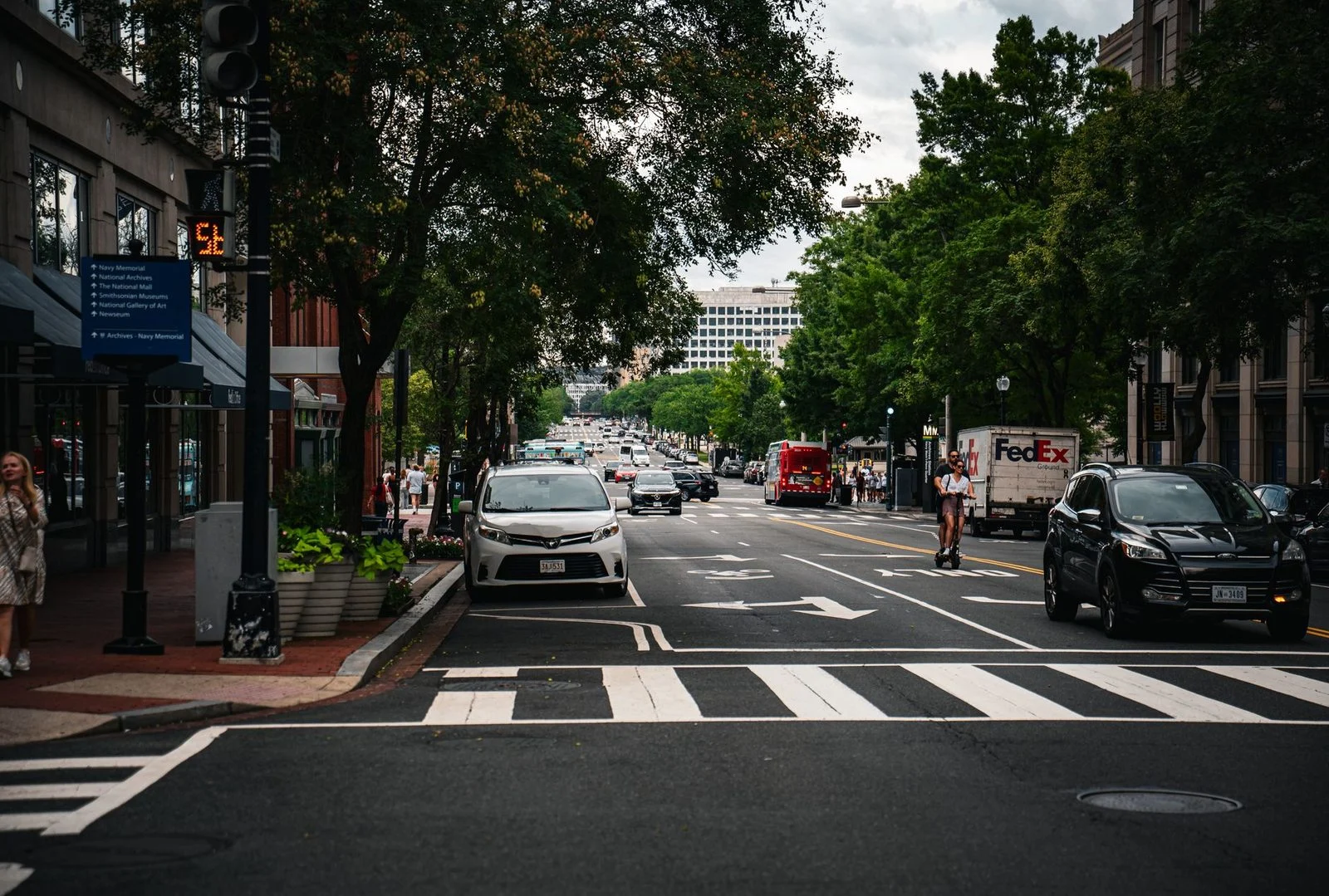
This type of claim covers people struck while walking, running, or crossing a road. It also covers people hit on a sidewalk, shoulder, or crosswalk. Cyclists killed while riding can be part of these claims too. The claim is brought for the family and the estate, not for the person who died. We handle these cases when the crash involves a car, a truck, or another commercial vehicle.
If a crash took someone you love while they walked or rode, your family may have a claim worth reviewing. Tell Bubba what happened, and we'll explain your options. Talk it through with Big Bubba — the first case review is free, confidential, and carries no obligation.
Who Can Bring a Claim in West Virginia
The personal representative of the estate brings the claim, in the representative’s name. W. Va. Code § 55-7-6 requires that the representative be duly appointed.
The statute also names the people who may share in the damages, and anyone who would otherwise be equitably entitled to share:
- A surviving spouse
- Children, including adopted children and stepchildren
- Brothers and sisters
- Parents
- Anyone financially dependent on the person who died
Family roles can get tangled quickly. Knowing who serves as representative and who shares in damages matters from the start.
How Pedestrian and Cyclist Deaths Happen on West Virginia Roads
These deaths often follow ordinary driving failures. Common examples include not yielding, distraction, speeding, impaired driving, and poor visibility at night. A study of fatal pedestrian crashes in West Virginia looked at crash conditions, victim characteristics, and alcohol or drug involvement from 2009 through 2019.
Rural two-lane roads are a particular concern. Many have no sidewalks or wide shoulders. Walkers and cyclists then share narrow pavement with fast traffic.
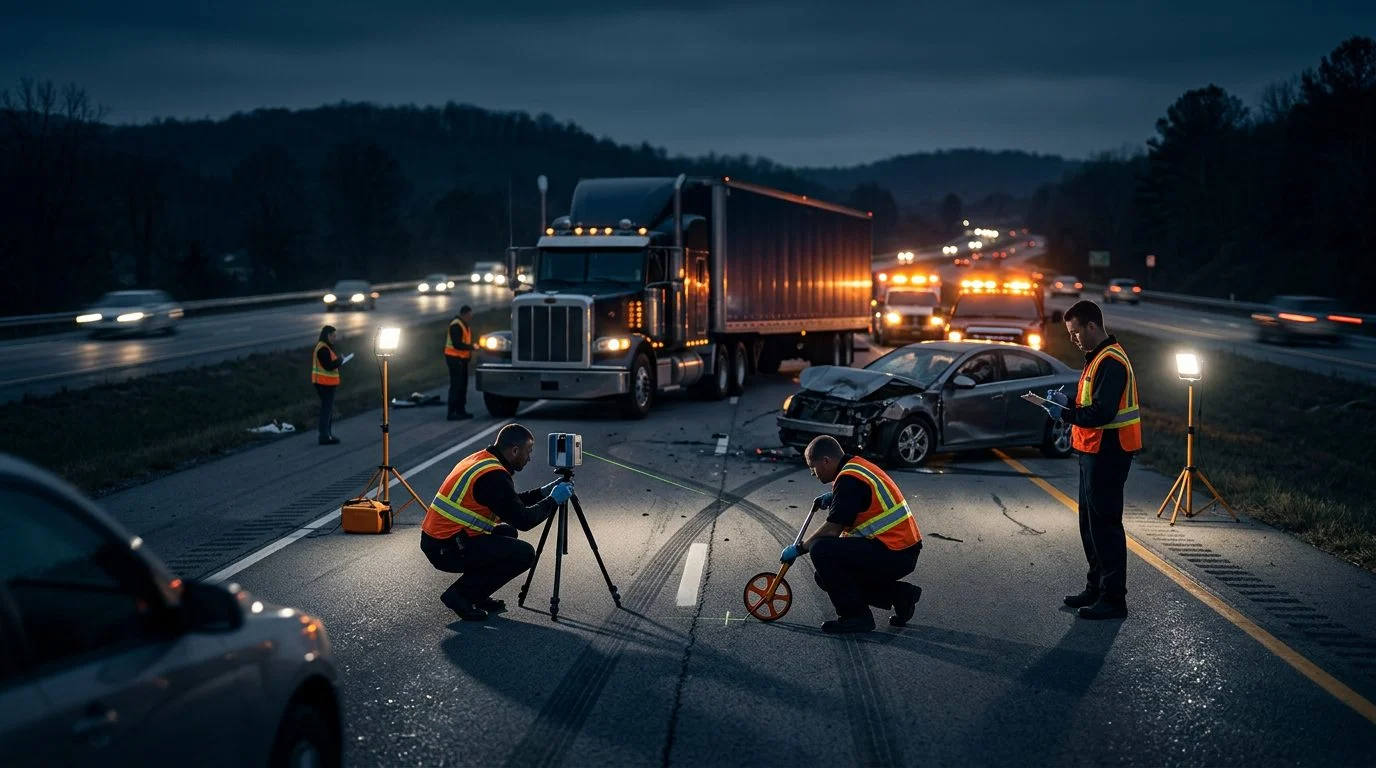
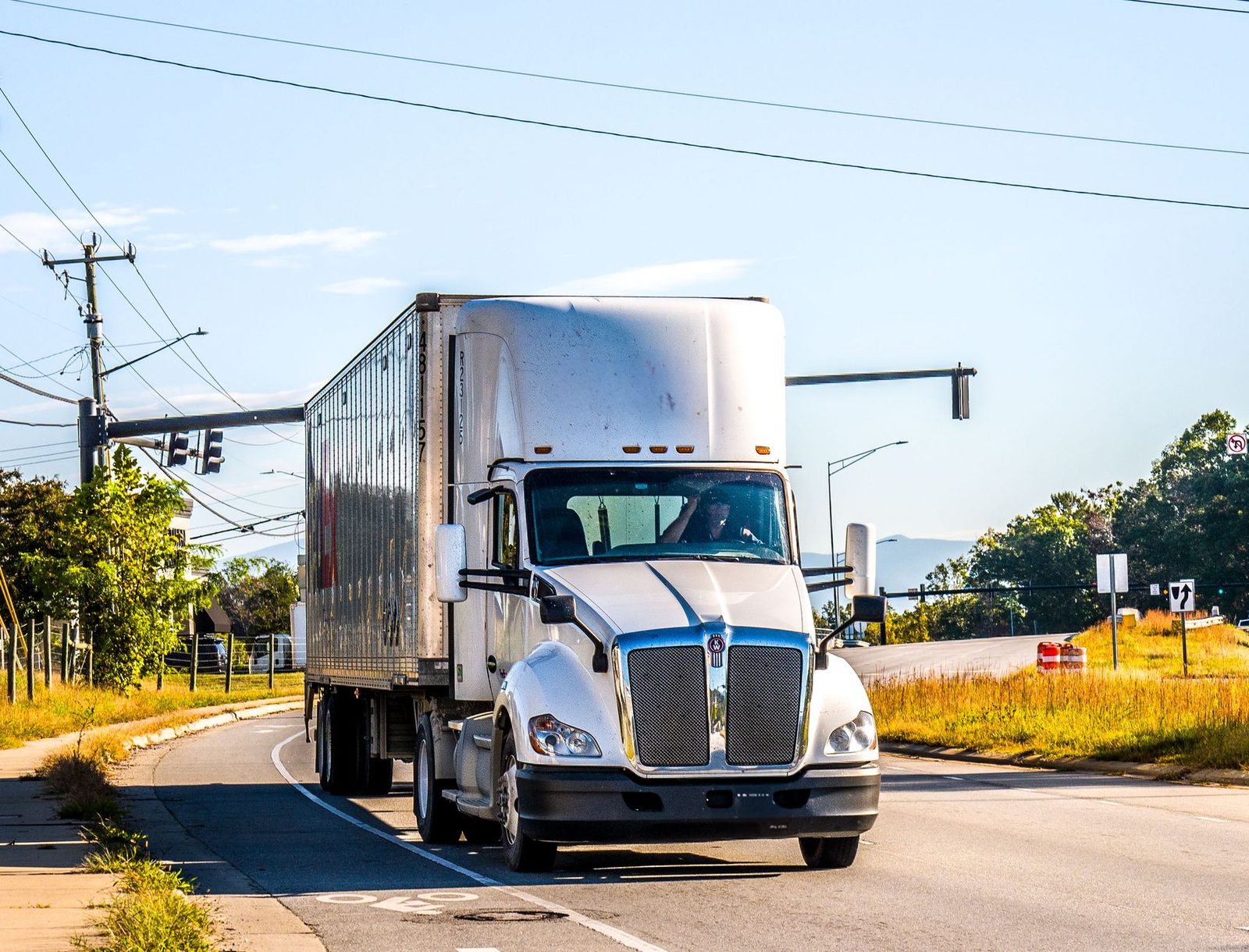
Commercial trucks and buses add their own risks. Right turns, wide turns, and blind spots can put a walker or rider in the vehicle’s path.
We serve Charleston, Huntington, Morgantown, Wheeling, Martinsburg, Parkersburg, Beckley, Clarksburg, Fairmont, and Weirton, along with the surrounding regions.
What a Wrongful Death Claim Can Cover
A claim can seek several categories of damages. The statute leaves the amount to the jury or court, which may award damages as it may seem fair and just, in W. Va. Code § 55-7-6:
- Sorrow, mental anguish, and solace, including companionship, comfort, guidance, and advice
- Reasonably expected loss of the person’s income
- Reasonably expected loss of the services, protection, care, and assistance the person provided
- Expenses for care, treatment, and hospitalization tied to the injury
- Reasonable funeral expenses
The jury must state funeral, hospital, and medical amounts separately.
Sometimes the injured person dies after the crash but before filing.
What a claim is worth depends on the facts of the crash and the family’s losses. Every case is different.
How Fault Is Decided in West Virginia
West Virginia uses a modified comparative fault rule. This means the fault of the person who died can reduce recovery. Under W. Va. Code § 55-7-13c, that fault does not bar recovery unless it is greater than the combined fault of everyone else responsible. If it is smaller, recovery is reduced by that person’s share.
Fault is measured in percentages. W. Va. Code § 55-7-13a allocates liability in direct proportion to each person’s percentage of fault.
Insurers may point to a cyclist’s helmet, lights, or lane position. They may also raise where a pedestrian was standing or walking. Each point is weighed against the full set of facts.
Evidence that often matters includes:
- The police crash report
- Witness statements
- Traffic and surveillance video
- Vehicle event data and phone records
- Road, weather, and lighting conditions
Under W. Va. Code § 55-7-13a, recovery is based on comparative fault, and the liability of each person, including plaintiffs, defendants and nonparties who proximately caused the damages, is allocated in direct proportion to that person’s percentage of fault.
What to Expect: Steps and Timeline
The process usually starts with a free case review. It then moves through evidence, investigation, negotiation, and a lawsuit if one is needed.
- Free case review. The family shares the crash details, the police report, and any records they have.
- Preserve evidence. Written requests can ask others to keep vehicle data, video, and phone records before they are overwritten.
- Investigate. Review the death certificate, medical records, and the person’s work and household role.
- Negotiate, then file. Present the claim to insurers. If a fair resolution is not reached, file suit in the proper West Virginia court.
When a commercial vehicle is involved, federal rules matter. 49 C.F.R. § 382.303 requires that, after a crash involving the loss of human life, the employer test each surviving driver who was performing safety-sensitive functions for alcohol.
W. Va. Code § 55-7-6 requires that a wrongful death action be commenced within two years after the death of the person, subject to the provisions of section eighteen, article two, chapter fifty-five. W. Va. Code § 55-7-6 reads: “The provisions of this section shall not apply to actions brought for the death of any person occurring prior to July 1, 1988.” Families should not wait.
Not sure what your next step is?
Talk it through with Big Bubba — the first case review is free, confidential, and carries no obligation.
Common Mistakes Families Make After a Pedestrian or Cyclist Death
Several mistakes can weaken a family’s position. Here are the most important to avoid:
- Giving a recorded statement too early. An insurance adjuster works for the insurer, not the family. Learn what the claim involves before speaking on the record.
- Waiting to gather evidence. Vehicle data, phone records, and video can be lost over time.
- Posting online. Posts about the crash, the person’s activities, or the case can be used by the other side.
- Accepting an early offer. An early number may not reflect funeral costs, lost income, or the role the person played at home.
Frequently Asked Questions
Can a family file if a commercial truck caused the death?
Yes. Commercial vehicle cases can involve more than one responsible party. In a civil action for personal injury or wrongful death involving the operation of a commercial motor vehicle requiring a commercial driver’s license, W. Va. Code § 55-7-32 provides that each person injured or killed may recover no more than $5 million for each occurrence against the employer defendant as compensatory damages for noneconomic loss, regardless of the number of claims or theories of liability. The section applies only to causes of action arising after July 1, 2024. On January 1, 2026, and each year after, that limit increases to account for inflation by an amount equal to the Consumer Price Index published by the United States Department of Labor, not to exceed 150 percent of the stated amount, and the limit is not available to an employer defendant that does not have commercial motor vehicle insurance in the aggregate amount of at least $3 million for each occurrence. W. Va. Code § 55-7-32(d) provides that this section does not apply if the civil action involving a commercial motor vehicle arises from an incident for which an operator or driver is found to have, among other conditions: operated a commercial motor vehicle with an alcohol concentration of .04 or more at the time of the incident; refused to submit to required testing after the incident; operated a commercial motor vehicle in willful or wanton disregard for the safety of persons or property; at the time of the incident, driven a commercial motor vehicle carrying a load beyond the maximum gross vehicle weight rating established under state or federal regulations, except when the operator or driver is legally operating the vehicle according to a permit issued under § 17C-17-11 of the West Virginia Code; or, at the time of the incident, engaged in one or more of the acts that constitute distracted driving under § 17C-14-15(e) of the West Virginia Code while driving the vehicle.
Does the pedestrian’s or cyclist’s own fault end the claim?
Not automatically. Their fault bars recovery only if it is greater than the combined fault of everyone else responsible (W. Va. Code § 55-7-13c). Otherwise, recovery is reduced by their share.
Does a criminal charge have to come first?
A civil wrongful death claim can raise questions that differ from any criminal case, and families can contact the firm to talk about their options.
What if the crash happened at night or in an unlit area?
Lighting and visibility are part of the fault review. They are weighed along with the police report and other evidence.
How long does the process take?
It varies with the investigation, the insurers involved, and whether a lawsuit is needed. The firm explains the expected steps during the free case review.
Your Family’s Situation After a Wrongful Death
Many families in this position are fielding insurer calls while they grieve. Some are not sure what to do next. The first step is to request a free case review. Be ready to describe where and how the crash happened and what records you already have. The firm will review the facts with you, explain who may bring the claim, and outline the steps and the West Virginia deadline.