
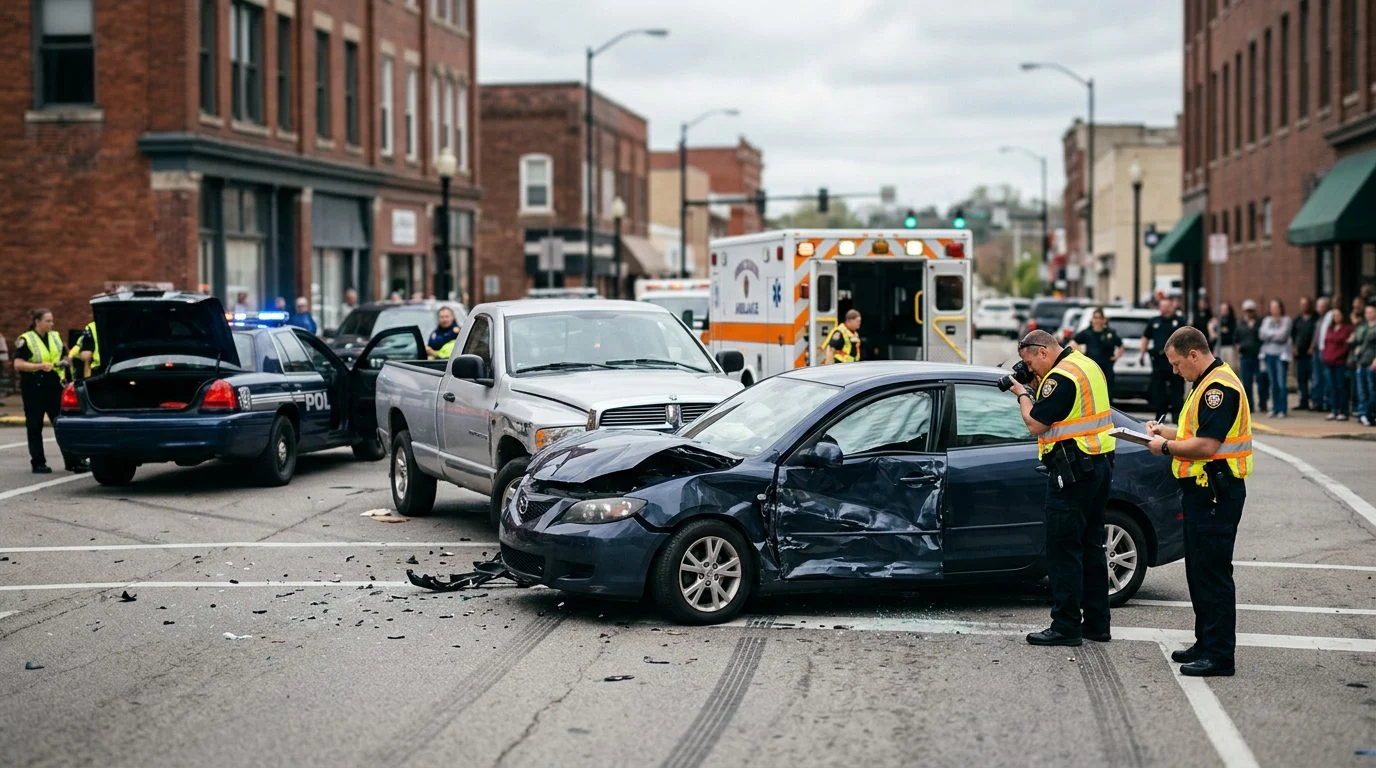
Car Accidents
Serious Car Accident Injuries in West Virginia
When a crash leaves you with life-altering injuries, Big Bubba Injury Law fights to hold the responsible party accountable.
Published October 04, 2026
Serious Car Accident Injuries in West Virginia: What You Need to Know
A serious car accident injury is one that causes lasting harm, requires significant medical treatment, or results in permanent disability. These injuries—traumatic brain injury, spinal cord injury, multiple fractures, internal injuries, severe burns, or permanent scarring—can involve far greater damages than minor accident claims, though any recovery depends on liability, available insurance coverage, and the facts of your case. If you’ve suffered one of these injuries in West Virginia, understanding how claims work, what you can recover, and what to expect over time can help you make informed decisions while you focus on healing.
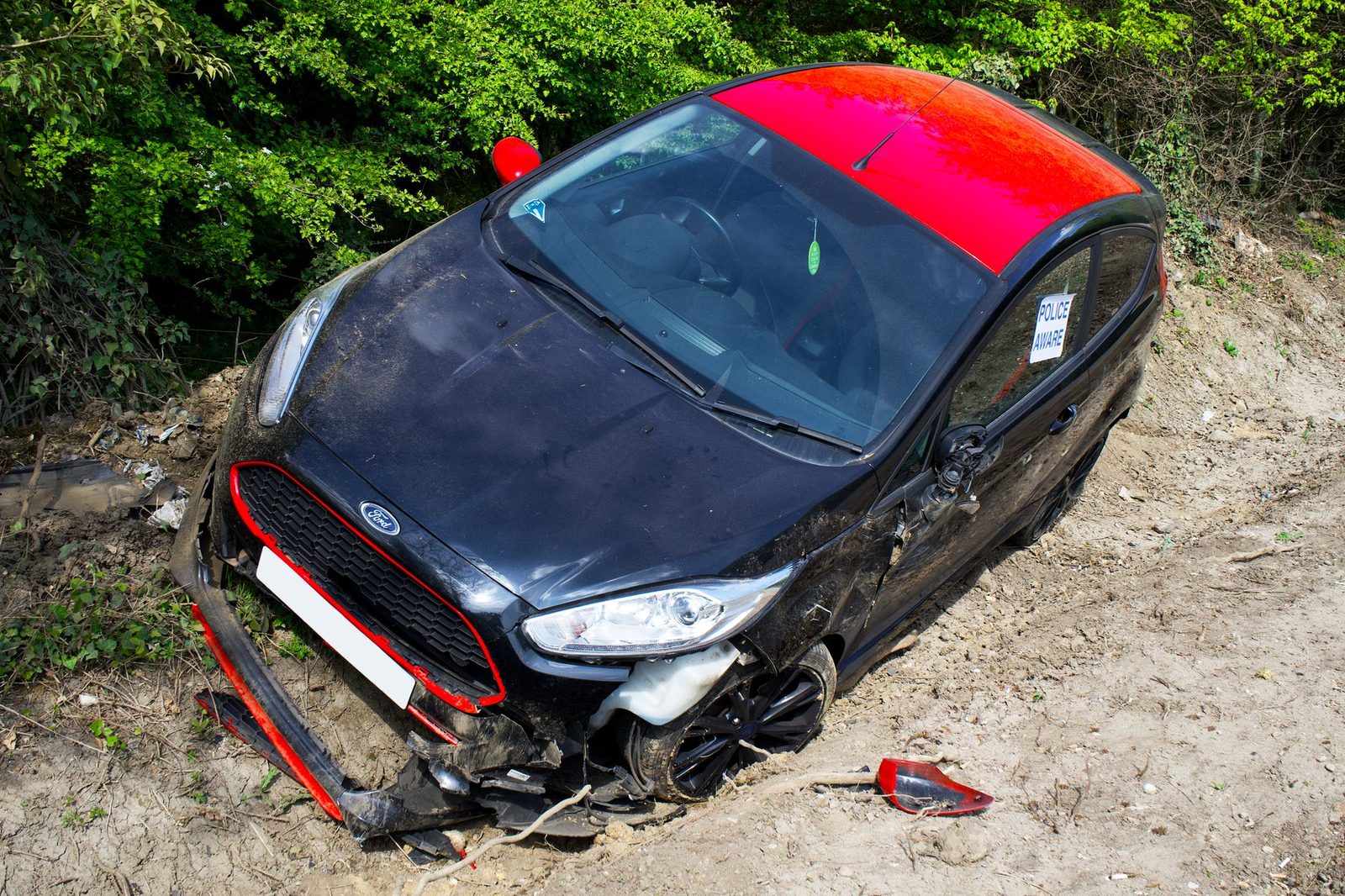
If you or a loved one has suffered a serious injury in a car accident, you don't have to navigate this alone. Talk it through with our team — the first case review is free, confidential, and carries no obligation.
What Counts as a Serious Car Accident Injury
Serious car accident injuries are those that cause lasting physical or cognitive harm and fundamentally change how someone lives and works. These aren’t minor sprains or cuts that heal in weeks; they’re injuries requiring ongoing medical care, rehabilitation, and often permanent lifestyle adjustments.
Examples include:
- Traumatic brain injury (TBI): damage to the brain from impact, causing cognitive, behavioral, or physical changes that may last a lifetime
- Spinal cord injury (SCI): damage to the spine resulting in partial or complete paralysis, loss of sensation, or loss of function below the injury site
- Multiple fractures: breaks in several bones, especially those requiring surgery or extended immobilization
- Internal injuries: damage to organs, bleeding, or trauma requiring emergency surgery
- Severe burns: extensive burns requiring hospitalization, skin grafts, and long-term wound care
- Permanent scarring or disfigurement: injuries that visibly alter appearance and cause ongoing emotional and social impact
Severity is measured by medical diagnosis, the intensity of treatment required, long-term prognosis, and the injury’s impact on daily life, work capacity, and independence. A doctor’s evaluation, imaging studies, and specialist opinions all contribute to establishing that an injury is serious.
Who Can File a Serious Car Accident Injury Claim
The injured person can file a claim for their own injuries. If the accident is fatal, a wrongful death action is brought by the personal representative of the person who died. Parents or guardians can file on behalf of minor children injured in the crash.
You don’t need to be a West Virginia resident to pursue a claim. We serve injury victims across all 55 West Virginia counties, including Charleston, Huntington, Morgantown, Wheeling, Martinsburg, Parkersburg, Beckley, Clarksburg, Fairmont, and Weirton.
What a Serious Car Accident Injury Claim Covers
Damages in a serious car accident injury claim include:
- Medical expenses: emergency care, hospitalization, surgery, ongoing treatment, rehabilitation, physical therapy, mental health counseling, and any future medical needs related to the injury
- Lost wages: income lost during recovery and ongoing disability, including reduced earning capacity if the injury prevents you from returning to your previous job
- Pain and suffering: compensation for physical pain, emotional trauma, anxiety, depression, and reduced quality of life
- Permanent disability: costs for long-term care, home modifications, assistive devices (wheelchairs, walkers, medical equipment), and personal care attendants
- Wrongful death damages: in fatal crashes, compensation to surviving family members for their loss, funeral expenses, and lost financial support
- Other losses: transportation costs, childcare, household help, and other services you can no longer provide for yourself
How the Claim Process Works
Understanding the steps helps you know what to expect and what actions protect your rights.
Step 1: Immediate Response
Report the accident to police and your insurance company. Seek immediate medical care, even if you don’t feel injured—some serious injuries show symptoms days or weeks later. Don’t admit fault at the scene.
Step 2: Documentation
Photograph the accident scene, vehicle damage, your injuries, and any visible hazards. Collect witness contact information. Keep all medical records, bills, receipts, and records of lost income. Document how your injuries affect your daily life.
Step 3: Notify the At-Fault Driver’s Insurance
Provide notice of your injury claim to the at-fault driver’s insurance company. Stick to facts; don’t speculate about injuries or damages.
Step 4: Insurance Investigation
The insurance company investigates the accident. You may be asked to provide a recorded statement. You are not required to give one to the other driver’s insurer and may ask to have an attorney present, although your own policy may require you to cooperate with your own insurer.
Step 5: Medical Treatment Continues
Continue all recommended medical care. Bills and records accumulate and form the foundation of your claim’s value.
Step 6: Demand Letter
Your attorney sends a demand letter to the insurance company outlining the accident, your injuries, medical treatment, lost income, and a settlement proposal supported by documentation.
Step 7: Negotiation
Back-and-forth communication occurs between your attorney and the insurance company. Offers and counteroffers are exchanged. This phase can last weeks or months.
Step 8: Settlement or Litigation Decision
If a fair settlement is reached, you sign a release and receive payment. If not, your attorney advises whether to file a lawsuit.
Step 9: Litigation (If Necessary)
If settlement fails, a lawsuit is filed. Discovery (exchange of evidence), depositions (recorded testimony), and trial preparation follow. Most cases still settle during litigation, but you must be prepared to go to trial.
Not sure what your next step is?
Talk it through with our team — the first case review is free, confidential, and carries no obligation.
Timeline: What to Expect
Serious injury cases move differently than minor accident claims because full medical recovery and long-term impact must be documented before value can be fairly assessed.
- First 24–48 hours: Medical care, police report, initial scene documentation
- Weeks 1–3: Medical treatment begins, insurance notification, initial investigation
- Months 1–6: Ongoing treatment, medical records gathering, initial settlement discussions
- Months 6–12: Demand letter sent, negotiation phase, possible settlement offers
- 12+ months: If no settlement, lawsuit filed; litigation typically takes 1–3 years or longer
Don’t rush to settle quickly. Insurance companies count on injured people accepting low offers early. Serious injuries deserve time to fully understand long-term medical needs and costs.
Why You Need Legal Help for Serious Car Accident Injuries
Insurance companies are skilled at minimizing payouts. They employ teams of adjusters trained to reduce what they pay and to settle claims quickly for less than they’re worth. You need someone on your side who understands the true value of your injury.
Medical complexity: Serious injuries involve multiple specialists, imaging studies, treatments, and long-term care planning. Calculating the true cost of lifetime care requires experience most injured people don’t have.
Permanent disability: Future medical costs, lost earning capacity over a lifetime, and ongoing care needs must be properly valued. A settlement that looks reasonable today may leave you short years from now.
Liability investigation: Determining fault and proving negligence requires evidence gathering, accident reconstruction, and expert analysis. Insurance companies won’t concede fault without proof.
Negotiation leverage: Having a lawyer signals you’re serious and prepared to litigate if necessary. Insurance companies settle differently when legal representation is involved.
Litigation readiness: If settlement fails, you need someone prepared to file suit, conduct discovery, take depositions, and try your case in court.
What Big Bubba Injury Law Handles
We represent injury victims across all 55 West Virginia counties who have suffered serious car accident injuries. Our practice includes:
- Serious car accident injuries from collisions with passenger vehicles, commercial vehicles, and at-fault drivers
- Traumatic brain injuries from car crashes
- Spinal cord injuries and paralysis resulting from vehicle accidents
- Multiple trauma and catastrophic injuries
- Wrongful death cases when a crash is fatal
- Claims against at-fault drivers, commercial vehicle operators, and negligent parties
We serve Charleston, Huntington, Morgantown, Wheeling, Martinsburg, Parkersburg, Beckley, Clarksburg, Fairmont, Weirton, and all other West Virginia communities.
Common Questions About Serious Car Accident Injury Claims
Q: How long do I have to file a claim?
West Virginia law generally requires personal injury lawsuits to be brought within two years after the right to bring the claim has accrued. Exceptions may apply, but this deadline should not be missed.
Q: What if I was partially at fault?
West Virginia allows you to recover damages even if you share some fault in the accident, as long as your fault is not greater than 50%—this is called modified comparative fault.
Q: Do I have to go to trial?
Most cases settle before trial, but we prepare each case as if it could go to court.
Q: What if the at-fault driver has no insurance?
Your own uninsured motorist coverage may apply. We investigate all available sources of recovery.
Q: How much will my case be worth?
Every case is unique. Value depends on injury severity, medical costs, lost income, and long-term impact. We evaluate your specific situation during a free case review.
Q: Will I have to pay upfront?
No attorney fee unless we win; clients remain responsible for case costs. You remain responsible for court costs and case expenses.
Q: What if someone dies in the accident?
Under W. Va. Code § 55-7-6, a wrongful death action generally must be commenced within two years after the death, subject to other provisions of West Virginia law. The personal representative of the estate typically brings the claim.

Have questions about what happened?
Ask our team directly. The first conversation is free, confidential, and there is no obligation to continue.
Next Steps
If you or a loved one has suffered a serious injury in a car accident, you don’t have to navigate this alone. The sooner you connect with someone who understands West Virginia law and handles cases like yours, the sooner we can begin protecting your rights and gathering evidence while it’s fresh.
Related practice areas
- Catastrophic Injuries