
Serious Injury Lawyer | West Virginia
When a Crash Changes Everything, the Firm Is Here to Listen
Big Bubba Injury Law represents people seriously hurt in car and commercial truck crashes, people living with brain and spinal cord injuries, and families in wrongful death cases. We serve injury victims across West Virginia, including Charleston, Huntington, Morgantown, Wheeling, Martinsburg, Parkersburg, Beckley, Clarksburg, Fairmont and Weirton.
Published October 26, 2026
If a car, truck, or commercial vehicle crash left you or someone you love seriously hurt, you likely have many questions. This guide explains what a serious crash injury claim covers, how the process usually moves, and the West Virginia time limits that matter most. The firm serves injured people and families across West Virginia.
What a Serious Crash Injury Claim Covers and Who It Is For
A serious crash injury claim asks the person or company responsible for a crash to pay for the harm it caused. Negligence means careless or wrongful conduct that leads to harm. Serious claims usually involve injuries that need long treatment, leave lasting limits, or require ongoing care.
This guide is for people hurt as drivers, passengers, or pedestrians. It is also for families looking into a claim after a loved one died in a crash.
We serve Charleston, Huntington, Morgantown, Wheeling, Martinsburg, Parkersburg, Beckley, Clarksburg, Fairmont, Weirton, and the surrounding communities across West Virginia. Wherever you live in the state, the questions are often the same. What happened, who is responsible, and what comes next?
Not sure what your next step is?
Talk it through with Big Bubba — the first case review is free, confidential, and carries no obligation.
Car, Truck, and Commercial Vehicle Crashes the Firm Handles
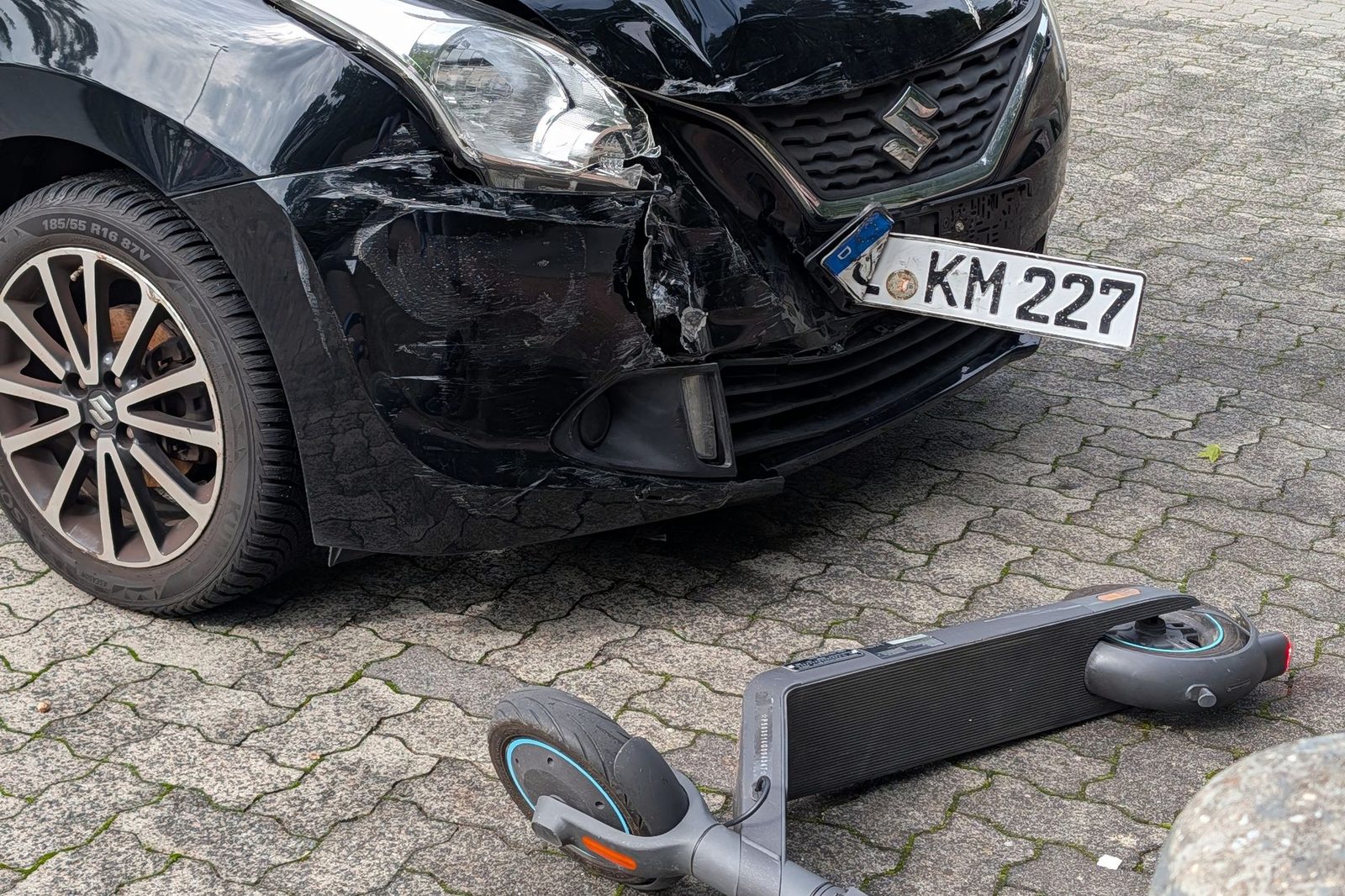
The firm handles car crashes and crashes involving large trucks and other commercial vehicles. These cases differ in important ways.
Common car crashes include:
- Intersection collisions
- Rear-end impacts
- Unsafe lane changes
- Crashes caused by impaired or distracted driving
Commercial crashes often involve more than one party. A case may involve the driver, the company that employs the driver, the owner of the vehicle, and sometimes a maintenance contractor. Each party may have its own insurer.
West Virginia Code § 55-7-32 limits the noneconomic damages that can be recovered against an ’employer defendant’ in certain commercial vehicle cases. Under W. Va. Code § 55-7-32, in a civil action for personal injury or wrongful death involving the operation of a commercial motor vehicle that requires a commercial driver’s license, the compensatory damages for noneconomic loss, such as pain and suffering, that each person injured or killed can recover against the employer defendant are capped. The cap was set at $5 million per occurrence and, beginning January 1, 2026, increases each year to account for inflation by an amount equal to the Consumer Price Index published by the United States Department of Labor, not to exceed 150 percent of that amount. The cap applies no matter how many claims or legal theories are involved, subject to the conditions and exceptions in the statute. The cap has exceptions and depends on the employer’s insurance, so the facts matter. See W. Va. Code § 55-7-32.
Federal rules add another layer. See 49 C.F.R. § 382.303.
Cargo matters too. The West Virginia Division of Motor Vehicles warns that unsecured cargo can cause serious or catastrophic crashes.
Early steps help. Write down the police report number. Take photos of the vehicles, the road, and your injuries. Get the names and phone numbers of any witnesses.
Brain, Spinal Cord, and Other Catastrophic Injuries
Brain injuries, spinal cord injuries, and other catastrophic injuries often need long treatment. They can change daily life for years. The firm handles these injuries as part of its serious crash work.
A traumatic brain injury can range from a concussion to bleeding or swelling in the brain. Symptoms may include memory trouble, speech problems, balance loss, or mood and personality changes. Some signs appear days or weeks after the crash, not right away.
A spinal cord injury can cause partial or complete paralysis and nerve damage. Care can include surgery, rehabilitation, medical equipment, and help at home over a long period.
Other catastrophic injuries include severe burns, amputations, and multiple fractures that need surgery or long-term care.
Medical records form the backbone of these claims. Follow every treatment plan. Keep every bill, receipt, and appointment note. Tell your doctor about every symptom, even small ones. Many people feel fine right after a crash and find out later that they are hurt.
Wrongful Death Claims for Families
West Virginia law allows a wrongful death claim when a person dies because of another party’s wrongful act. The claim is brought by the personal representative of the deceased person’s estate. See W. Va. Code § 55-7-6(a).
After the person who was injured has died, every wrongful death action shall be brought by and in the name of the personal representative of such deceased person who has been duly appointed in this state, or in any other state, territory or district of the United States, or in any foreign country. See W. Va. Code § 55-7-6(a).
These include:
- Sorrow, mental anguish, and solace, including companionship, guidance, and advice
- Expected loss of the decedent’s income and of services and care
- Medical and hospital expenses tied to the injury that caused the death
- Reasonable funeral expenses
Damages are then divided among survivors, such as a spouse, children, and others who depended on the person who died.
A wrongful death claim is a civil claim. It is separate from any criminal case. Families can reach out while police or insurance reviews are still open.
How a Serious Injury Case Moves Forward: Steps and Timeline
A serious injury case usually moves through five stages. The timeline depends on your injuries, the insurers involved, and court schedules.
- Free case review. You share what happened, who was involved, and what medical care you have had. The review is confidential and carries no obligation to continue.
- Evidence gathering. The firm collects crash reports, photos, vehicle data, and medical records. In truck cases, it also looks for company logs and maintenance records.
- Insurance and liability work. The firm can handle contact with insurers, so you do not have to take those calls alone.
- Valuing the losses. Medical bills, future care needs, lost wages, and pain and suffering are documented as the case develops.
- Negotiation or a lawsuit. Some cases settle through negotiation. Others need a lawsuit, which usually takes longer.
The firm keeps you updated as the case moves forward. Its support staff handle much of the day-to-day coordination.
Time Limits and Steps to Protect Your Claim
Under W. Va. Code § 55-7-6, a wrongful death action generally has to be commenced within two years after the death of the person who died, subject to the provisions of W. Va. Code § 55-2-18. W. Va. Code § 55-7-6 reads: “The provisions of this section shall not apply to actions brought for the death of any person occurring prior to July 1, 1988.” Separately, W. Va. Code § 55-2-12 sets deadlines, such as two years for personal injury or property damage, only for personal actions for which no limitation is otherwise prescribed.
Under West Virginia Code § 55-2-12(b), a lawsuit for damages for personal injuries generally has to be filed within two years from the time the right to sue arises. See W. Va. Code § 55-7-6. Other rules can change these deadlines, so act early.
Waiting can hurt a case. Witnesses move or forget details. Vehicle data can be overwritten. Damaged vehicles may be repaired or scrapped.
West Virginia also limits early settlement talks. See W. Va. Code § 55-7-11a.
Practical steps can protect you now:
- Keep all medical records, bills, and receipts.
- Avoid posting about the crash or your injuries on social media.
- Talk with the firm before giving a recorded statement to any insurer.
Not sure what your next step is?
Talk it through with Big Bubba — the first case review is free, confidential, and carries no obligation.
Questions People Ask Before Reaching Out
Do I need a police report to talk to a lawyer?
You do not need one. A report helps, and the firm can help you find the records that matter.
What if the at-fault driver had no insurance?
West Virginia auto policies must include a way to pay what you are legally entitled to recover from an uninsured driver. See W. Va. Code § 33-6-31. The firm can review which coverage may apply to you.
Can I still pursue a claim if I was partly at fault?
Yes, in many cases. West Virginia uses comparative fault, so your recovery is reduced by your share of fault. See W. Va. Code § 55-7-13a. The firm can explain how this applies to your facts.
Do I need the most severe injuries to reach out?
No. The firm handles serious and catastrophic injuries, and a free case review is the simplest way to see whether your situation fits.
If a crash has turned your life upside down, or you are trying to make sense of a loss in your family, you do not have to sort it all out at once. You can request a free case review and share what happened in your own words, at your own pace.