
Wrongful Death | Motorcycle Crashes | West Virginia
Losing a Loved One in a Motorcycle Crash Changes Everything. We Can Help Your Family Take the Next Step.
Big Bubba Injury Law represents West Virginia families in wrongful death cases that follow motorcycle crashes. Start with a free case review, which is confidential and carries no obligation to continue.
Published October 26, 2026
If your family lost a loved one in a wrongful death motorcycle crash in West Virginia, you may be facing grief, paperwork, and insurance calls all at once. A wrongful death claim generally allows an action for damages when another person’s wrongful act, neglect, or default caused the death (W. Va. Code § 55-7-5). The claim is brought by the deceased person’s personal representative, and it generally must be started within two years of the death (W. Va. Code § 55-7-6). This guide explains how these claims work, what proof tends to matter, and what the next steps look like.
What a Wrongful Death Claim Covers After a Fatal Motorcycle Crash
A wrongful death claim is a civil case for money damages, not a criminal case. West Virginia law says that if the injured person could have sued had they lived, the responsible person can be held liable for the death. W. Va. Code § 55-7-5 sets out that rule.
In a motorcycle case, the responsible party might be a car or pickup driver, a truck driver, or a company that employs the driver. Each crash is different, so investigation identifies who played a role.
State law also says who may bring the claim. The personal representative of the estate files it, and that person must be duly appointed. The representative acts for the family members the law names. These generally include a surviving spouse and children, including adopted children and stepchildren, brothers, sisters, parents, and any persons who were financially dependent on the decedent at the time of his or her death or would otherwise be equitably entitled to share in such distribution. W. Va. Code § 55-7-6 covers these points.
For background on serious crash injuries, read our catastrophic injuries overview.
If your family is facing a motorcycle death and insurance calls have already started, you do not have to sort out the next steps alone. The firm can talk through your situation with you. Talk it through with Big Bubba — the first case review is free, confidential, and carries no obligation.

Proof Questions That Come Up in Motorcycle Crash Cases
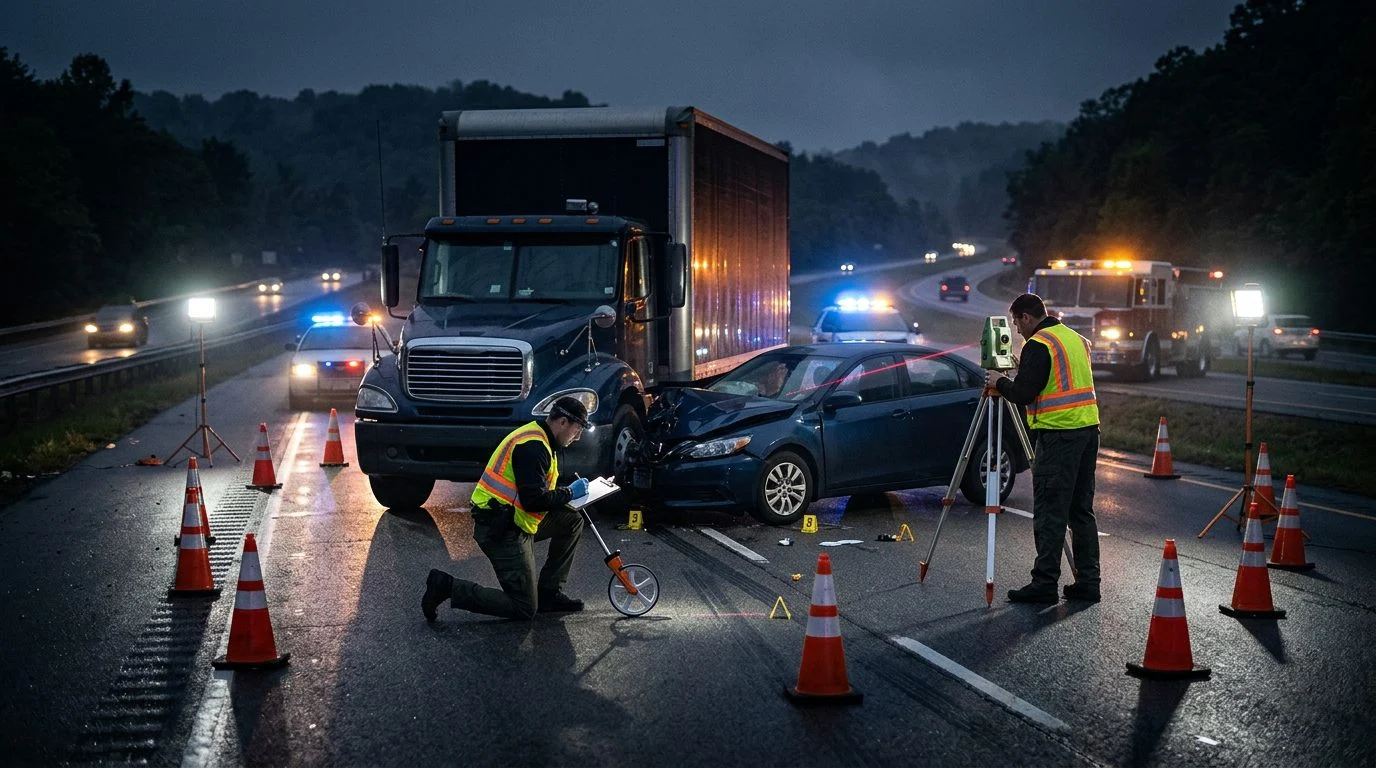
The evidence that matters most is often the evidence gathered in the first days after the crash. Some of it can disappear quickly.
- Crash reports. A police crash report is a starting point. It does not decide fault on its own.
- 911 records and witnesses. Call logs and witness names can show how the crash happened. Witnesses move, and memories fade.
- Photos and video. Scene photos, dash cam footage, and nearby camera video can be overwritten if no one asks for it early.
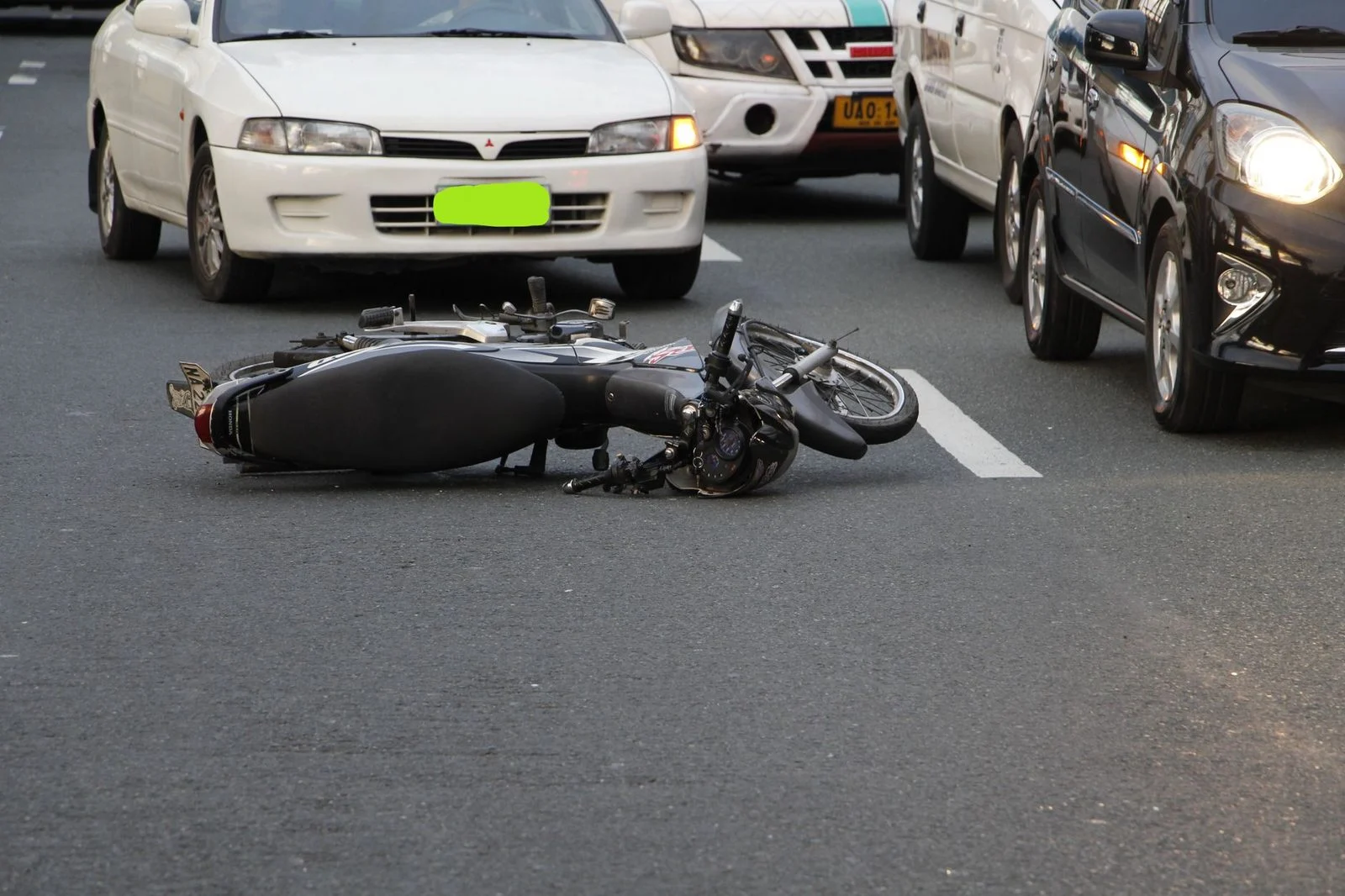
- The motorcycle, helmet, and gear. Damage patterns and gear condition can show what happened. Keep these items as they are, and let the firm know where they are.
- Vehicle data. Many modern vehicles store speed and braking information. Other vehicles involved may store data too.
- Medical and examiner records. These records document the cause of death, the injuries, and the timeline of care.
Families often hear not to post about the crash online before speaking with a lawyer. Posts can be read by insurers and used to question the claim.
Damages a Family May Pursue in West Virginia
A wrongful death motorcycle crash West Virginia claim can seek several kinds of losses. The jury decides the amounts. The law lets the jury award damages it finds fair and just, and it can direct how those damages are split among beneficiaries. W. Va. Code § 55-7-6 lists the categories a verdict may include:
- Sorrow, mental anguish, and solace, which can include companionship, comfort, guidance, and advice the decedent gave.
- Loss of income the decedent was reasonably expected to earn, and loss of services, protection, care, and assistance the decedent provided.
- Expenses for care, treatment, and hospitalization tied to the injury that caused the death.
- Reasonable funeral expenses.
When a commercial vehicle is involved, a separate rule applies. For commercial motor vehicles that require a commercial driver’s license, W. Va. Code § 55-7-32 limits the noneconomic damages each person injured or killed can recover from an employer defendant to $5 million for each occurrence. Beginning January 1, 2026, that limit increases each year to account for inflation, but not to more than 150 percent of the stated amount. That cap is not available to an employer without at least $3 million in commercial motor vehicle insurance for the occurrence. Under W. Va. Code § 55-7-32(d), the section’s rules do not apply when the operator or driver is found to have done any of several listed things. These include operating with an alcohol concentration of .04 or more at the time, refusing required testing afterward, driving in willful or wanton disregard for the safety of persons or property, operating while loaded beyond the maximum gross vehicle weight rating (except when legally operating under a permit), or engaging in distracted driving. The section also lists exceptions, such as an operator found to have an alcohol concentration of .04 or more. It applies only to claims arising after July 1, 2024.
West Virginia’s Time Limit for Filing a Wrongful Death Claim
A wrongful death claim in West Virginia generally must be started within two years after the person died. W. Va. Code § 55-7-6 sets this period. The statute also says it is subject to another provision of the state code, so the exact timing can vary.
Two years can feel long. It is not, once a case needs crash reports, video, vehicle data, and medical records gathered and reviewed. Video can be overwritten, and witnesses can move away.
Those rules differ, so families should raise the question early. Keep a written record of the date of death and the key dates that follow the crash.
Shared Fault, Insurance Adjusters, and Recorded Statements
Under W. Va. Code § 55-7-13c(c), a person’s recovery is reduced by that person’s share of fault, and recovery is barred if the person’s fault is greater than the combined fault of all others. W. Va. Code § 55-7-13c sets this rule. If the rider’s fault is less than the combined fault of others, the recovery is reduced by the rider’s percentage.
The same section says each defendant generally pays only its own share of compensatory damages, not the whole amount. Joint liability applies only in narrow cases the statute describes.
Insurance adjusters often contact families quickly. They may ask for a recorded statement. They may also ask about the rider’s speed, lane position, or helmet use. A family does not have to answer every question on the spot. It can say it needs time, and it can ask for questions in writing.
How a Wrongful Death Claim Typically Moves Forward
A typical claim moves through a free case review, evidence gathering, a claim to insurers, and a lawsuit only if a fair resolution cannot be reached. Each stage builds on the one before it.
- Free case review. The family shares the basic facts of the crash and the death. The firm explains the possible claims and the next steps.
- Evidence gathering. This includes crash reports, medical and examiner records, scene and vehicle evidence, and witness information.
- Identifying responsible parties. In a truck or commercial vehicle crash, this can include the employer. The West Virginia Department of Transportation publishes guidance titled “Drive Safe: Secure Your Load” on securing cargo.
- Claim presentation and negotiation. The firm presents the claim to insurers. Timing varies from case to case.
- Lawsuit if needed. If talks do not produce a fair result, a lawsuit can be filed in the proper West Virginia court. This step takes longer.
Each stage’s length depends on the facts, the insurers involved, and the court’s schedule. The firm walks the family through each step.
Not sure what your next step is?
Talk it through with Big Bubba — the first case review is free, confidential, and carries no obligation.
Frequently Asked Questions About Motorcycle Wrongful Death Claims
What is the statute of limitations for a wrongful death motorcycle crash West Virginia claim?
A wrongful death claim generally must be started within two years after the death, under W. Va. Code § 55-7-6. The statute notes a related provision, so the exact timing can vary.
What are the odds of winning a wrongful death lawsuit?
No one can promise an outcome in these cases. Results depend on the evidence, the law, and the parties involved.
How much compensation is possible for a motorcycle wrongful death?
The jury sets amounts based on the evidence in each case. The law lists the types of losses a family can seek.
Can a family still pursue a claim if the rider was partly at fault?
Possibly. Under W. Va. Code § 55-7-13c, recovery is reduced by the rider’s share of fault, and it is barred only if the rider’s fault is greater than everyone else’s combined.
Does a family have to go to court?
Many claims are resolved through negotiation with insurers. Some claims require a lawsuit, and the path turns on the case.
Where to Start If You Are Still Deciding
If you are still deciding what to do, start by writing down what you know about the crash and the death. Note the date, the location, and the names of anyone who saw it.
You may be reading this while grieving a family member killed in a motorcycle crash. You may not be ready to hire anyone, and that is common. The decisions in front of you are whether a claim exists, which evidence needs protecting, and when to speak with a lawyer about insurance calls.
The firm handles car accidents, truck accidents, commercial vehicle accidents, catastrophic injuries, traumatic brain injury, spinal cord injury, and wrongful death claims. We serve families across West Virginia, including Fairmont, Clarksburg, Morgantown, Wheeling, and Weirton.
When you are ready to talk about your family’s situation, request a free case review and tell Big Bubba what happened in your own words.