
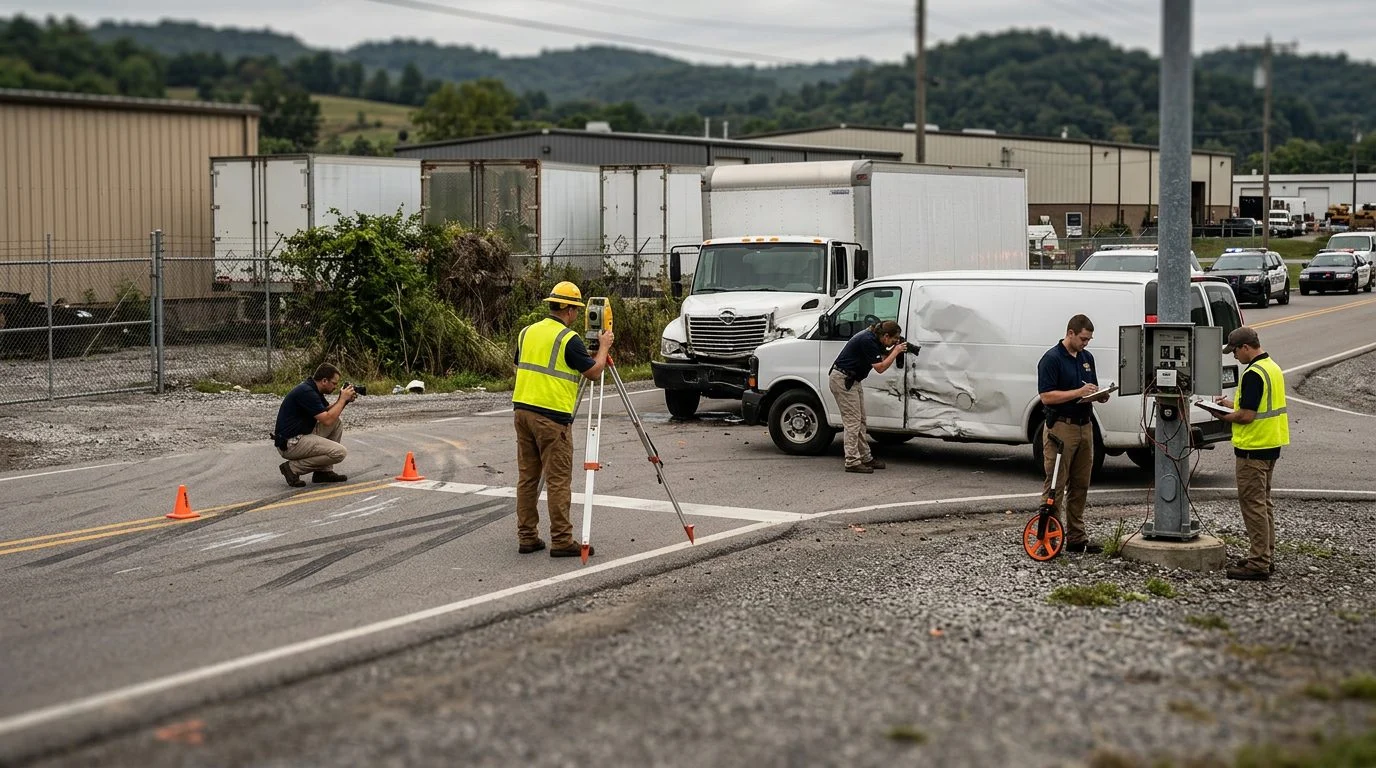
Wrongful Death Claims in West Virginia
Lost a Family Member in a Work Van Crash?
When a loved one dies in a crash involving a work van, the family may have questions about who is responsible and what comes next. The firm helps families across West Virginia understand their options.
Published November 3, 2026
What a Wrongful Death Claim Is After a Work Van or Commercial Vehicle Crash
A wrongful death claim is a legal claim brought after a person dies because another party’s negligence or wrongful conduct caused the death. When a work van or commercial vehicle is involved, the claim can look different from a standard car crash claim, because more than one party may be responsible.
Losing someone in a crash is a heavy weight. Many families face hard decisions in the same weeks they are planning a funeral. This page explains the basic terms, who may bring a claim in West Virginia, and the first steps families often take.
A company van or commercial truck crash can involve the driver, the employer, the vehicle owner, a maintenance contractor, or another driver. Each may have a role, depending on the facts. That is why the first questions often focus on who was driving, who owned the vehicle, and who directed the trip.
If your family is deciding whether to pursue a claim after a fatal company-van crash on a West Virginia road, reach out to us and tell us what happened in your own words. Talk it through with Big Bubba — the first case review is free, confidential, and carries no obligation.
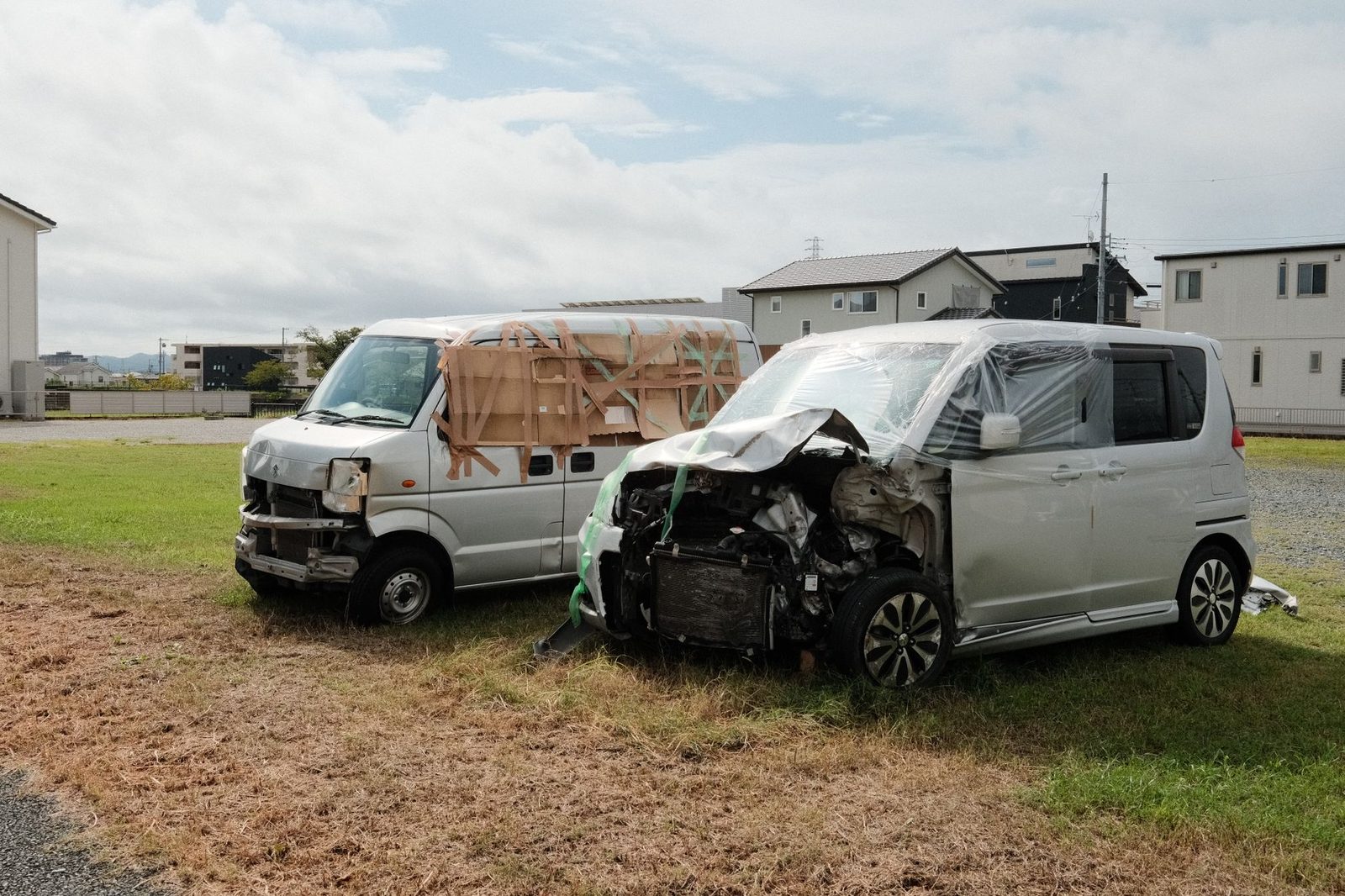
Wrongful Death Versus Survival Claim: What the Difference Means
A wrongful death claim covers losses the surviving family suffers because of the death. A survival claim covers harm the person who died could have pursued had they lived. Families facing a wrongful death claim can reach out to the firm to talk through the questions that apply to their situation.
Wrongful death losses can include lost income and the services, care, and support the person provided to the household. They can also include loss of companionship, guidance, and advice, plus reasonable funeral expenses. The wrongful death statute lists these categories. That list describes the law for understanding only. It does not state or imply any amount or value.
A survival claim is different. West Virginia law says causes of action for injuries to the person that do not result in death also survive. If the injured person dies before filing and the claim is not barred by the statute of limitations at the time of death, the survival statute allows the personal representative to begin the action, generally within the same period that would have applied had the person lived.
Who May Bring the Claim in West Virginia
A wrongful death action in West Virginia is generally brought by the personal representative of the deceased person’s estate. A personal representative is the person formally appointed to handle the estate, such as an executor or administrator. The wrongful death statute sets out this role.
The court or jury may decide how damages are shared among survivors. The statute names the surviving spouse and children, including adopted children and stepchildren. It also names brothers, sisters, parents, and any persons who were financially dependent on the decedent at the time of death or would otherwise be equitably entitled to share in the distribution. Who qualifies can depend on family circumstances.
If no estate has been opened yet, opening one is often an early step. Families who wait may face added questions about timing and paperwork. It is worth raising these questions early, so the right person is in place when decisions come up.
Why Work Van and Commercial Vehicle Crashes Raise Different Questions
Work van and commercial vehicle crashes often raise questions about the employer and the company’s records. Standard truck accident claims and company van claims may turn on these records, depending on the facts.
Federal rules place duties on motor carriers. Under the federal motor carrier rule, a motor carrier must require its drivers to observe the duties and prohibitions prescribed in part 325 of subchapter A or in this subchapter that apply to them, and if the motor carrier is a driver, the driver is likewise bound. Driver hours and vehicle rules are examples, so company policies and supervision may matter.
West Virginia law also limits some noneconomic damages against certain employers of commercial vehicle drivers. The limit applies only under listed conditions and exceptions, which is why the commercial motor vehicle statute should be reviewed for each case.
Evidence that may matter includes the crash report, vehicle data, dispatch and trip records, photographs, and witness statements. Which evidence is relevant depends on the facts. Some insurers may dispute a claim or the coverage available, so it helps to understand the policies involved before speaking with an insurer.
Time Limits: What They Generally Mean for Families
West Virginia generally requires a wrongful death action to be started within two years after the date of death, and exceptions may apply. The wrongful death statute measures this period from the death itself, not from the day a family learned every fact.
The start of the clock can still raise questions, depending on the facts. A family should not assume the deadline is easy to calculate on their own. Survival claims follow the timing rules in the survival statute, which refers back to the period that would have applied had the injured person lived. Claims against some government entities may follow different timing rules, depending on the facts.
Evidence can be lost over time. Waiting for a final investigation report before asking about deadlines can leave less time to act. Asking early keeps options open.
Next Steps for Families in the First Weeks
The first practical step is the crash report. Ask the investigating agency, such as the West Virginia State Police or the local police department, for a copy. Keep any citation or incident number. A crash report is one source of information, and it does not decide a claim on its own.
Next, send a written request to the employer or fleet operator. Ask the company to keep vehicle, dispatch, trip, and driver records. Federal rules allow records to be kept by any technology that accurately reflects the information and stays accessible, as described in the federal records rule. Keep copies of every written communication.
Write down the names and contact details of witnesses. Save photographs of the scene, the vehicle, and the roadway while they are available. Gather medical and funeral records, receipts, and a list of household changes, such as lost income or added care needs.
Be careful about giving a recorded statement to an insurer or company representative. Do that only after you have discussed the claim with a qualified source who can explain your options. Bring these records to your first conversation so the review can move faster.
Not sure what your next step is?
Talk it through with Big Bubba — the first case review is free, confidential, and carries no obligation.
Frequently Asked Questions About These Claims
Can a family file a wrongful death claim if the driver was working for a company?
The claim may be possible against the driver and, depending on the facts, against the employer or another party.
Does a crash report decide who was at fault?
A crash report is one source of information. It does not decide a claim by itself, and other evidence may be relevant, depending on the facts.
Do we have to wait for criminal charges before filing?
A civil claim is generally separate from any criminal case. The timing of each can depend on the facts.
What if the person who died was partly at fault?
West Virginia generally uses modified comparative fault, which can reduce recovery. Fault generally bars recovery only when it is greater than the combined fault of others. W. Va. Code § 55-7-13c reads: “(c) Any fault chargeable to the plaintiff shall not bar recovery by the plaintiff unless the plaintiff’s fault is greater than the combined fault of all other persons responsible for the total amount of damages, if any, to be awarded.”
Can we speak with the firm before deciding whether to file?
Yes. Families may have questions before they decide whether to file a claim.

What a Free Case Review Covers
We handle wrongful death and survival claims arising from car, truck, and commercial vehicle crashes in West Virginia. That includes fatal work van crashes. We focus on the families who must make decisions after these losses.
A free case review is offered as a confidential first step, with no obligation to continue. It can focus on the crash facts, the timeline, and the questions weighing on your family.
If your family is deciding whether to pursue a claim after a fatal company-van crash on a West Virginia road, reach out to us and tell us what happened in your own words.
Related practice areas
- Catastrophic Injuries
- Underride Truck Accident Lawyer West Virginia