
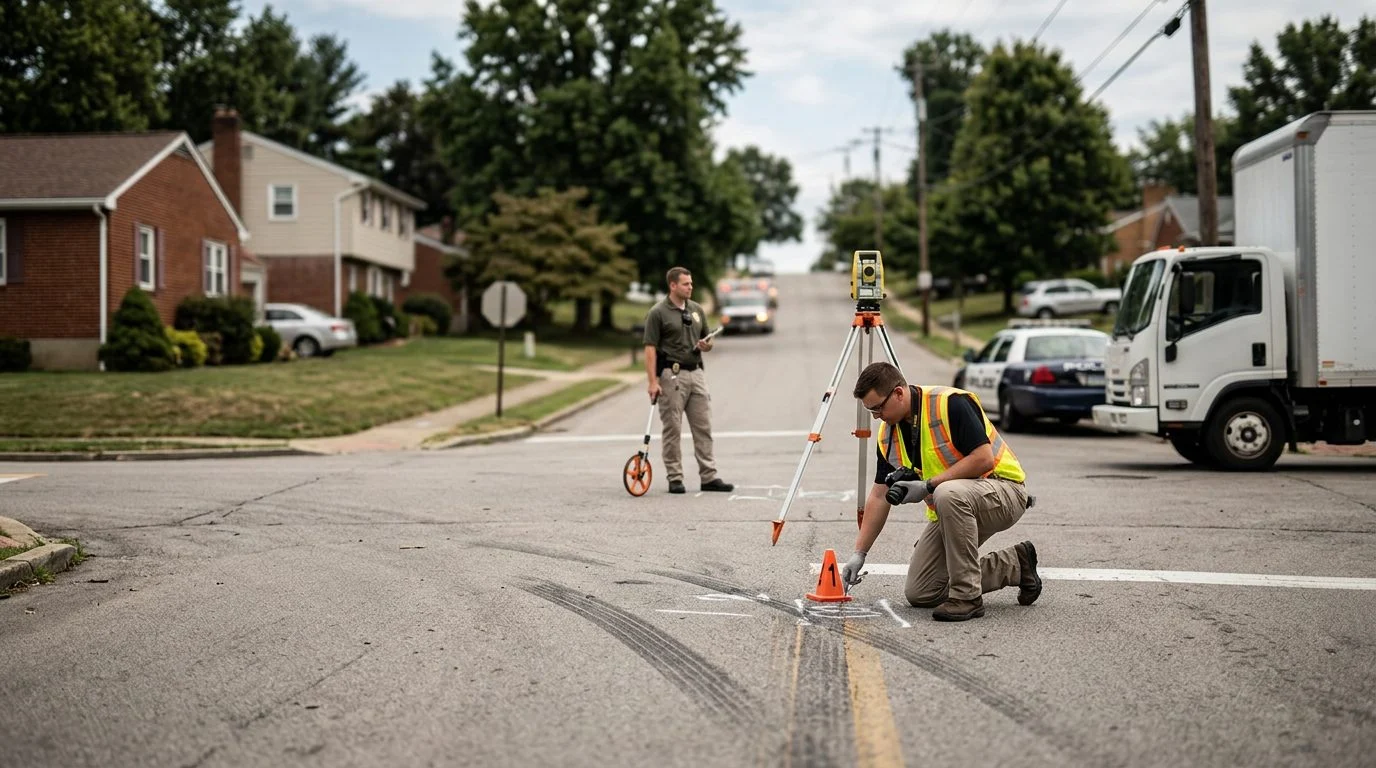
Brain Injury | Commercial Vehicle Crashes | West Virginia
Brain Injury From a Commercial Vehicle Crash? Talk With Our Team
Big Bubba Injury Law represents West Virginians and their families after serious brain injuries linked to car, truck and commercial vehicle crashes. We serve Charleston, Huntington, Morgantown, Wheeling, Martinsburg, Parkersburg, Beckley, Clarksburg, Fairmont, Weirton and communities across the state.
Published October 15, 2026
This page explains the brain injury commercial vehicle accident claim West Virginia residents may pursue after a crash. A claim like this generally seeks compensation from the parties who may be responsible for the harm. Every case depends on its own facts, and no particular result is promised.
What a Brain Injury Claim After a Commercial Vehicle Crash Involves
A brain injury claim is a legal request for compensation for harm caused by a traumatic brain injury (TBI). In a crash case, it is generally brought against the people or companies who may be responsible.
A commercial vehicle is a vehicle used for business. That includes tractor-trailers, box trucks, delivery vans, and buses. These crashes can involve more than one potentially responsible party, such as the driver, the trucking company, or a company that leased the truck.
Brain injuries range from mild concussions to severe injuries. Some people notice symptoms right away. Others notice changes days or weeks later. Treating providers record these changes in medical records, and those records may matter to a claim.
This page is written for three kinds of readers. The first is an injured person weighing their options. The second is a family member who acts for someone who cannot manage their own affairs. The third is a surviving family facing a wrongful death matter.
Not sure what your next step is?
Talk it through with our team — the first case review is free, confidential, and carries no obligation.
What a Claim May Include
A brain injury claim may seek several categories of damages, depending on the facts and the injuries documented. Categories that may apply include:
- Past and future medical care, including hospital and follow-up visits
- Rehabilitation and therapy
- Lost income and reduced ability to earn in the future
- Pain and suffering
Which categories apply depends on each case, the medical evidence, and West Virginia law. This page does not state dollar amounts or typical values, because they depend entirely on the facts.
Changes in memory, focus, mood, or personality may be documented by treating providers. These records may be relevant to a claim, depending on the facts.
If a brain injury leads to death, a wrongful death claim may be possible. Under W. Va. Code § 55-7-6, the personal representative of the deceased person generally brings the action. Damages may include sorrow, mental anguish, and solace, lost income and services, and certain expenses. Which family members may share in any recovery depends on the facts and West Virginia law.
Why Commercial Vehicle Brain Injury Cases Can Differ From Car Crash Claims
Commercial vehicle cases can involve federal safety rules and business records that may not come up in a typical car crash claim. Whether they matter depends on the facts.
Federal rules limit how long commercial drivers may drive. Under the federal hours-of-service rules for property-carrying commercial drivers, found in this regulation, a driver generally may not drive after a 14 consecutive-hour period that begins when the driver comes on duty following 10 consecutive hours off duty, and generally may drive a total of 11 hours during that period; exceptions may apply depending on the facts. A crash alone does not show that a rule was broken.
Carriers also keep records. Federal rules for motor carriers, found in this regulation, generally require carriers to retain records of duty status and supporting documents for a period of not less than 6 months from the date of receipt, and exceptions may apply depending on the facts. Maintenance files, dispatch messages, and electronic data from the vehicle may also be relevant.
Post-accident drug and alcohol testing may be relevant too. The Federal Motor Carrier Safety Administration summarizes when testing rules apply. Whether testing was required after a given crash depends on the facts.
West Virginia courts have recognized negligent hiring claims in some cases. Whether this applies depends on each case.
Commercial policies can also differ from personal auto policies. Available coverage generally depends on the policy terms and facts of each case.
How the Claim Process Generally Works
The process generally starts with a free case review and moves through investigation, medical records, negotiation, and, if needed, a lawsuit. Each stage depends on the facts.
- Free case review. You describe the crash, your injuries, and your treatment. We explain whether a claim may be available. The review is confidential and carries no obligation to continue.
- Investigation and preservation. Our team may request crash reports and send preservation letters asking carriers to keep relevant records.
- Medical documentation. We work with treating providers to gather records, imaging, and testing results where appropriate.
- Claim presentation. We present the claim to insurers and negotiate. If needed, a lawsuit may be filed.
- Resolution. The claim may resolve through settlement or trial. You are informed of decisions that affect your claim.
Timing for each stage is variable. It depends on the facts of each case, and no specific length is predicted.
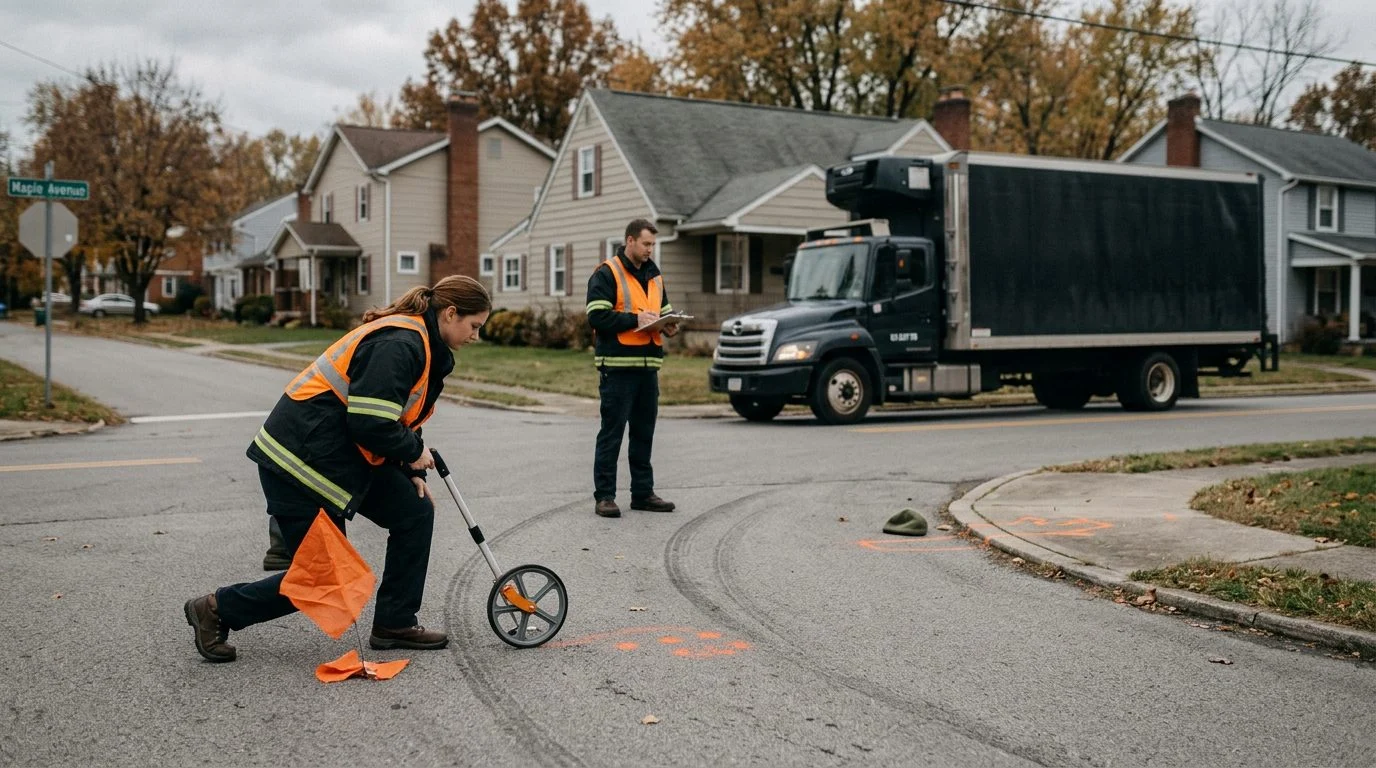
Have questions about what happened?
Ask our team directly. The first conversation is free, confidential, and there is no obligation to continue.
Deadlines and Evidence to Preserve Early
West Virginia generally gives two years to file a personal injury action, but exceptions may apply. Under W. Va. Code § 55-2-12, that period generally starts when the right to sue accrues. Missing a deadline may affect your ability to file suit.
Wrongful death claims are generally subject to a two-year period from the date of death, under W. Va. Code § 55-7-6. Exceptions may apply depending on the facts.
Evidence that may be potentially relevant includes:
- Photos of the scene and vehicles
- Names and contact details of witnesses
- The police or crash report number
- Medical records and treatment notes
- A symptom journal kept by the injured person or family
Insurers may ask for a recorded statement soon after a crash. Talking with our team before giving one can help you understand how it may affect a claim. Early contact may help organize records, but it does not determine any result.
How Our Firm Handles These Claims in West Virginia
Big Bubba Injury Law is a West Virginia personal injury firm. It handles car accidents, truck and commercial vehicle accidents, catastrophic injuries, traumatic brain injuries, spinal cord injuries, and wrongful death cases.
We serve injury victims and families across all 55 West Virginia counties. That includes Charleston, Huntington, Morgantown, Wheeling, Parkersburg, Beckley, Clarksburg, Fairmont, and Weirton.
The firm handles the legal work on each claim. Our support staff helps with records and client communication.
Our approach focuses on clear explanations, careful handling of medical and crash records, and regular communication about the steps in your claim. It does not depend on promises about any result.
Want to know where you stand?
Tell us what happened and our team will walk you through the options available to you, at no cost.
Frequently Asked Questions
Short answers to common questions appear below.
Can I bring a claim if the crash was partly my fault?
West Virginia generally uses modified comparative fault, which reduces recovery in proportion to your share of fault. Under W. Va. Code § 55-7-13c, recovery is generally barred only if your fault is greater than the combined fault of others, and exceptions may apply.
Do I need medical testimony for a brain injury claim?
Medical records and testimony can be part of brain injury claims. Whether more is needed depends on the facts of each case.
What if my symptoms appeared weeks after the crash?
Later symptoms may still be recorded in medical records. Their relevance depends on the facts, so report new symptoms to your treating providers.
How do I start?
Request a free case review with our team. It is confidential and carries no obligation to continue.