
Commercial Vehicle Accidents
Hit by a Commercial Vehicle in Huntington?
When a semi truck, delivery truck, or tractor-trailer collides with a passenger car, catastrophic injuries often follow. We help Huntington injury victims understand their rights and pursue fair compensation.
Published October 03, 2026
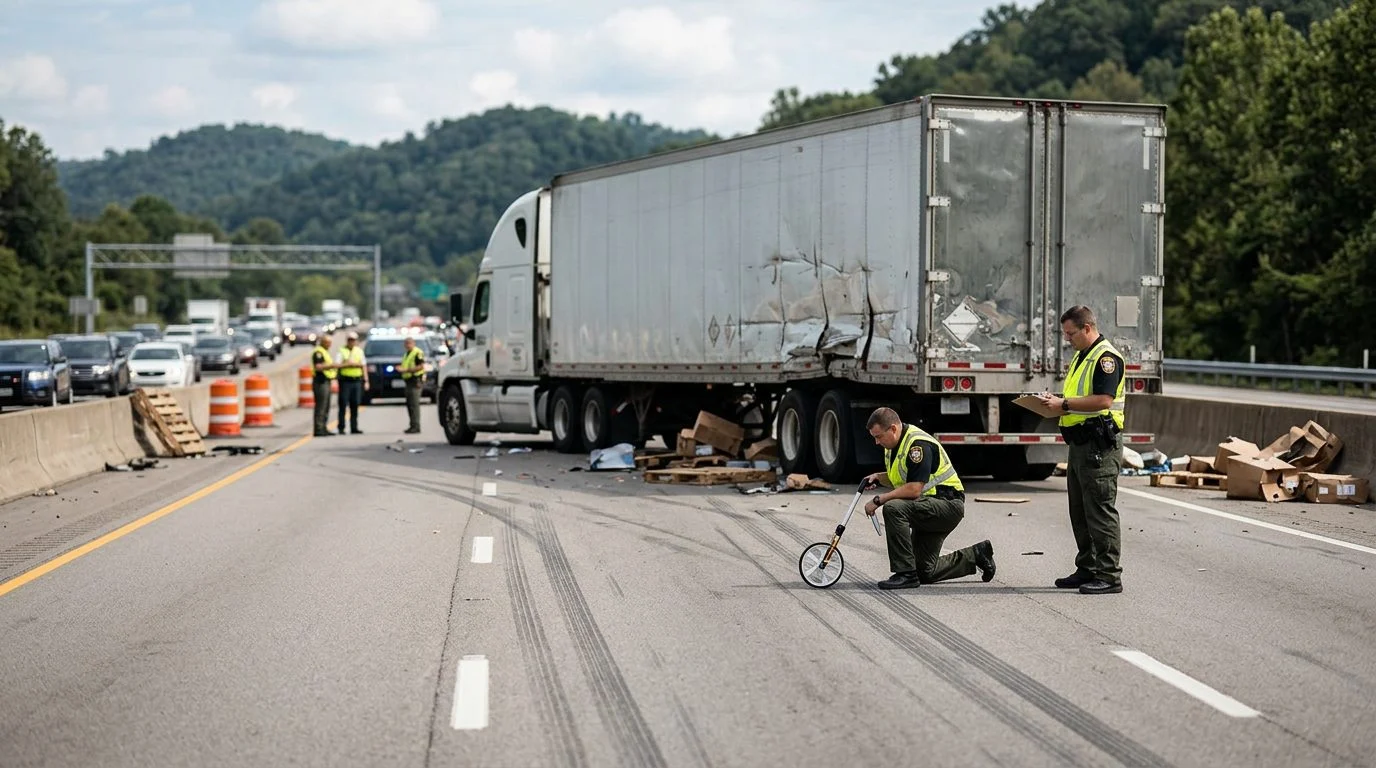
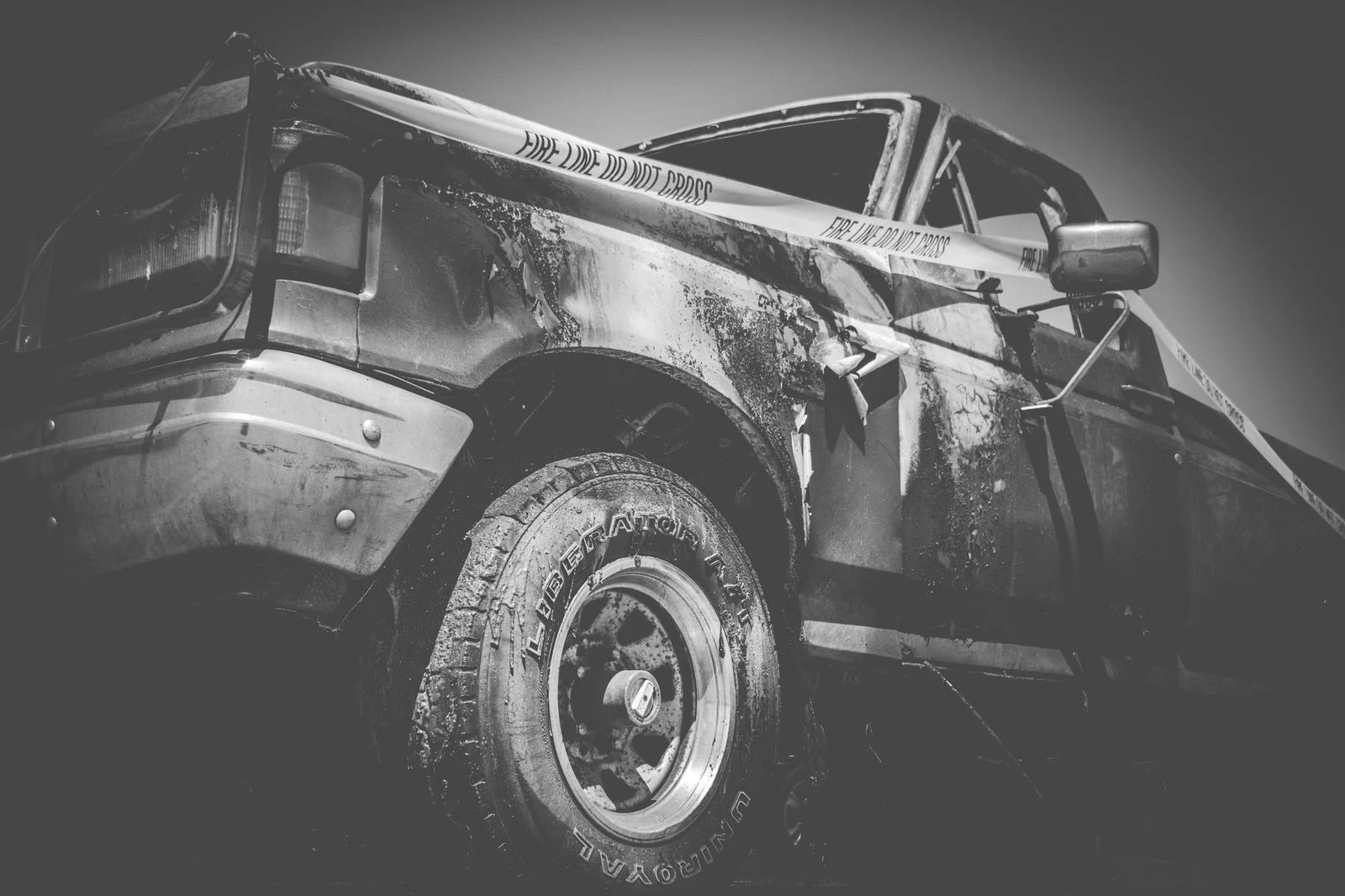
When a commercial vehicle—a semi truck, delivery truck, box truck, or tractor-trailer—collides with a passenger car, the results are often catastrophic. The weight and size difference alone creates a physics-based reality: commercial vehicles weigh 20 to 30 times more than a typical car and require significantly longer stopping distances. Injuries from these crashes tend to be severe: traumatic brain injury, spinal cord injury, broken bones, internal bleeding, and death. If you’ve been hit by a commercial vehicle in Huntington, understanding what happens next—who may be liable, what evidence matters, and how to protect your rights—is critical to your recovery.
Commercial Vehicle Accidents in Huntington: Why They’re Different
Commercial vehicle collisions differ fundamentally from car-to-car accidents because of size, weight, regulatory requirements, and liability complexity. A commercial driver operates under federal and state safety regulations. Under W. Va. Code § 55-7-9, a person injured by the violation of a statute may generally recover damages from the offender for harm sustained by reason of that violation. The vehicle’s employer, owner, and maintenance contractors may all share liability. Commercial vehicle claims often involve commercial insurance policies, and insurance companies and their lawyers may defend these claims aggressively.
Commercial drivers are subject to federal hours-of-service limits set by the Federal Motor Carrier Safety Administration (FMCSA). Under 49 CFR § 395.3, drivers may operate a maximum of 11 hours within a 14-hour window and are limited to 60 hours per 7-day period or 70 hours per 8-day period. Violations of these limits can lead to driver fatigue and inadequate rest, and falsified logs can hide them; violating these rules can be prima facie evidence of negligence, but to support a claim the violation must be the proximate cause of the injury. Electronic logging devices (ELDs), GPS records, and dispatch logs become crucial evidence in your case.
Not sure what your next step is?
Talk it through with our team — the first case review is free, confidential, and carries no obligation.
What Happens When a Commercial Vehicle Hits Your Car
The immediate aftermath of a commercial vehicle crash is chaotic and frightening. Your first priority is medical attention. Even if you feel okay, seek immediate evaluation; traumatic brain injuries, internal injuries, and spinal cord damage may not be obvious in the first hours. Get a written police report and document everything: the commercial vehicle’s company name, driver information, license plate, and the names and contact information of all witnesses.
Photograph the accident scene from multiple angles—vehicle damage, road conditions, traffic signals, debris, and any visible injuries. Do not allow the commercial vehicle to be repaired or removed until you’ve documented it thoroughly; the vehicle’s condition is evidence. Collect the commercial driver’s information, the vehicle’s registration, and the company’s insurance details.
Report the accident to your own insurance company, but limit your statement to facts only. Do not agree to any settlement offer, sign any documents, or give a recorded statement without speaking to an attorney first. Insurance adjusters for commercial vehicle companies are trained to minimize liability and reduce payouts. They may contact you directly and offer a quick settlement that does not account for long-term injuries, lost wages, or future medical needs.
Who May Be Liable for Your Injuries
Commercial vehicle accidents often involve multiple liable parties. The commercial driver may be negligent—speeding, distracted driving, impairment, fatigue, or traffic violations. But the driver’s employer is often liable too, under a legal principle called vicarious liability. Employers are responsible for employee actions taken in the course of employment, even if the employer was not directly at fault.
Beyond vicarious liability, employers have direct legal duties: to hire qualified drivers, maintain vehicles properly, enforce safety policies, and comply with federal motor carrier safety regulations. A failure in one of these areas does not automatically establish employer negligence; for a hiring claim, the question is whether the employer should have reasonably foreseen the risk of hiring or retaining an unfit driver. A company that knowingly hires a driver with a history of accidents or violations, fails to maintain brakes or tires, or pressures drivers to violate hours-of-service limits is directly negligent.
The vehicle owner (if different from the employer), maintenance contractors, loading companies, and other third parties may also bear liability. A mechanic who failed to repair a known brake defect, a loading company that overloaded the truck, or a shipper who failed to secure cargo properly may all be responsible for your injuries.
Employer Responsibility and Vicarious Liability
Under vicarious liability, an employer is liable for employee negligence even if the employer took no direct action. This doctrine applies to commercial vehicle drivers because they are acting in the scope of their employment when they operate the vehicle for the company’s business. The employer’s insurance and assets become available to compensate your injuries.
But employers also face direct liability for negligent hiring, retention, and supervision. If a company hired a driver with multiple prior accidents or DUI convictions, the company may be directly liable if it should have reasonably foreseen the risk of hiring or retaining an unfit driver. If a company knew a driver was violating hours-of-service regulations or driving dangerously and did nothing, the company is directly negligent for retaining that driver. If a company failed to provide adequate training or supervision, that too is direct employer negligence.
Compliance with federal motor carrier safety regulations is a legal duty. Violations—inadequate maintenance, failure to conduct safety inspections, falsified driver logs, or pressure on drivers to violate hours-of-service limits—are evidence of employer negligence. These violations may compound driver negligence and may be relevant to the employer’s liability.
Have questions about what happened?
Ask our team directly. The first conversation is free, confidential, and there is no obligation to continue.
Determining Fault Among Parties Involved
Fault investigation in a commercial vehicle accident begins at the scene: police reports, witness statements, photographs, and physical evidence. But it extends far beyond. Commercial vehicle data—electronic logging devices, GPS records, dash-camera footage, and driver logs—provide objective evidence of how the accident happened and who caused it.
Driver records, including prior violations, accidents, training history, and disciplinary actions, may show a pattern of negligence. Maintenance records reveal whether the vehicle was properly serviced and safe to operate. Dispatch records and company policies show whether the driver was following lawful instructions or was pressured to violate safety rules.
Expert accident reconstruction and analysis may be necessary to establish how the accident occurred, what each party did or failed to do, and who caused the crash. In West Virginia, you may recover damages even if you were partially at fault, as long as your fault is not greater than the combined fault of all other parties under W. Va. Code § 55-7-13c. This modified comparative fault rule means that even if you were 30% at fault, you can recover 70% of your damages from the other parties.
Long-Term Effects and Future Medical Needs
Traumatic brain injuries from commercial vehicle accidents often cause cognitive changes, memory loss, personality changes, difficulty concentrating, and mood swings. These effects may be permanent or may improve slowly over months or years. Ongoing medical care, neuropsychological evaluation, and rehabilitation are common.
Spinal cord injuries frequently result in permanent disability. Paralysis, loss of sensation, loss of bowel or bladder control, chronic pain, and mobility limitations are common consequences. Lifelong medical treatment, rehabilitation, assistive devices (wheelchairs, braces, adaptive equipment), home modifications (ramps, accessible bathrooms, specialized beds), and attendant care may be necessary.
Chronic pain, mobility limitations, and psychological effects—post-traumatic stress disorder, depression, anxiety—are common after serious commercial vehicle crashes. Future medical expenses, rehabilitation, assistive devices, home modifications, and ongoing therapy must all be accounted for in your claim. Documenting your current injuries and anticipated future medical needs strengthens your case and supports fair compensation that reflects the true cost of your injuries.
What to Do After a Commercial Vehicle Accident in Huntington
Seek immediate medical attention, even if injuries seem minor. Call police and obtain a written accident report. Document the commercial vehicle’s company name, driver information, and license plate. Photograph the accident scene, vehicle damage, road conditions, and any visible injuries. Collect contact information from witnesses and other parties involved.
Preserve evidence: do not allow the commercial vehicle to be repaired or removed until photos and inspection are complete. Report the accident to your own insurance company, but limit your statement to facts only. Do not sign any documents or agree to any settlement without legal advice. Contact a personal injury attorney as soon as possible; early investigation and evidence preservation are critical.
Want to know where you stand?
Tell us what happened and our team will walk you through the options available to you, at no cost.
Why Early Legal Action Matters
Commercial vehicle companies have legal teams and insurance adjusters working immediately to limit liability and reduce payouts. Evidence degrades quickly: witness memories fade, accident scenes change, and vehicle data may be overwritten or deleted. Federal regulations require commercial vehicles to maintain records for specific periods; early requests preserve this evidence before it’s lost.
Insurance companies may contact you directly and offer quick settlements that do not account for long-term injuries. An attorney protects your rights, investigates thoroughly, and negotiates on your behalf from the start. Early legal action also sends a clear message that you are serious about your claim and willing to pursue it aggressively.
Serving Huntington Injury Victims
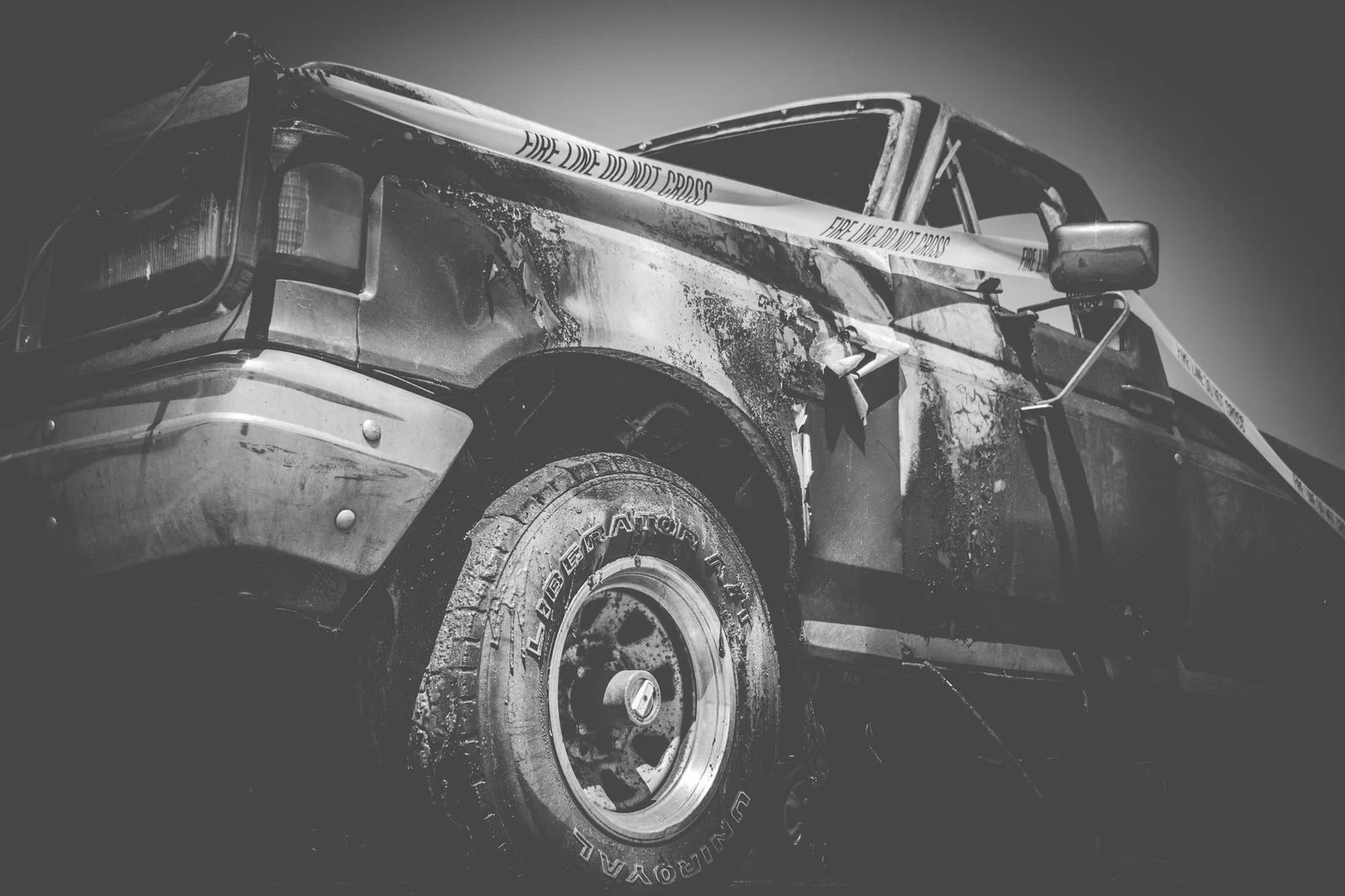
Big Bubba Injury Law serves Huntington and all of West Virginia in commercial vehicle accident cases. We investigate commercial vehicle crashes, identify all liable parties, and pursue full compensation for your injuries. We handle cases involving traumatic brain injury, spinal cord injury, catastrophic injuries, and wrongful death resulting from commercial vehicle accidents.
We work with medical experts, accident reconstructionists, and vocational specialists to build strong cases. We negotiate with commercial vehicle insurers and are prepared to take your case to trial if necessary. You don’t have to face this alone. If a commercial vehicle hit you or someone you care about in Huntington, you likely have questions about liability and recovery—and people in your situation can reach out to us. Call us today or request a free case review to discuss what happened and what comes next.
Related practice areas
- Commercial Vehicle Accidents in West Virginia: Your Rights & Next Steps