
Spinal Cord Injury
Living With Spinal Cord Injury: Recovery & Life After
A spinal cord injury changes your life, but it doesn't end it. Learn what recovery looks like and how to move forward.
Published October 06, 2026
Can You Live With a Spinal Cord Injury?
Yes—people live full, meaningful lives after spinal cord injuries. A spinal cord injury changes life, but advances in medical care, rehabilitation, and adaptive technology have expanded what is possible. Outcomes vary widely depending on the injury’s severity, location, age, and overall health. Many people return to work, school, relationships, and activities they value.

Not sure what your next step is?
Talk it through with our team — the first case review is free, confidential, and carries no obligation.
Yes, people live with spinal cord injuries
A spinal cord injury is not a death sentence. Modern medicine, specialized rehabilitation, and adaptive devices have transformed what recovery and long-term living look like. The key is understanding what your specific injury means, what support exists, and what to expect in the months and years ahead.
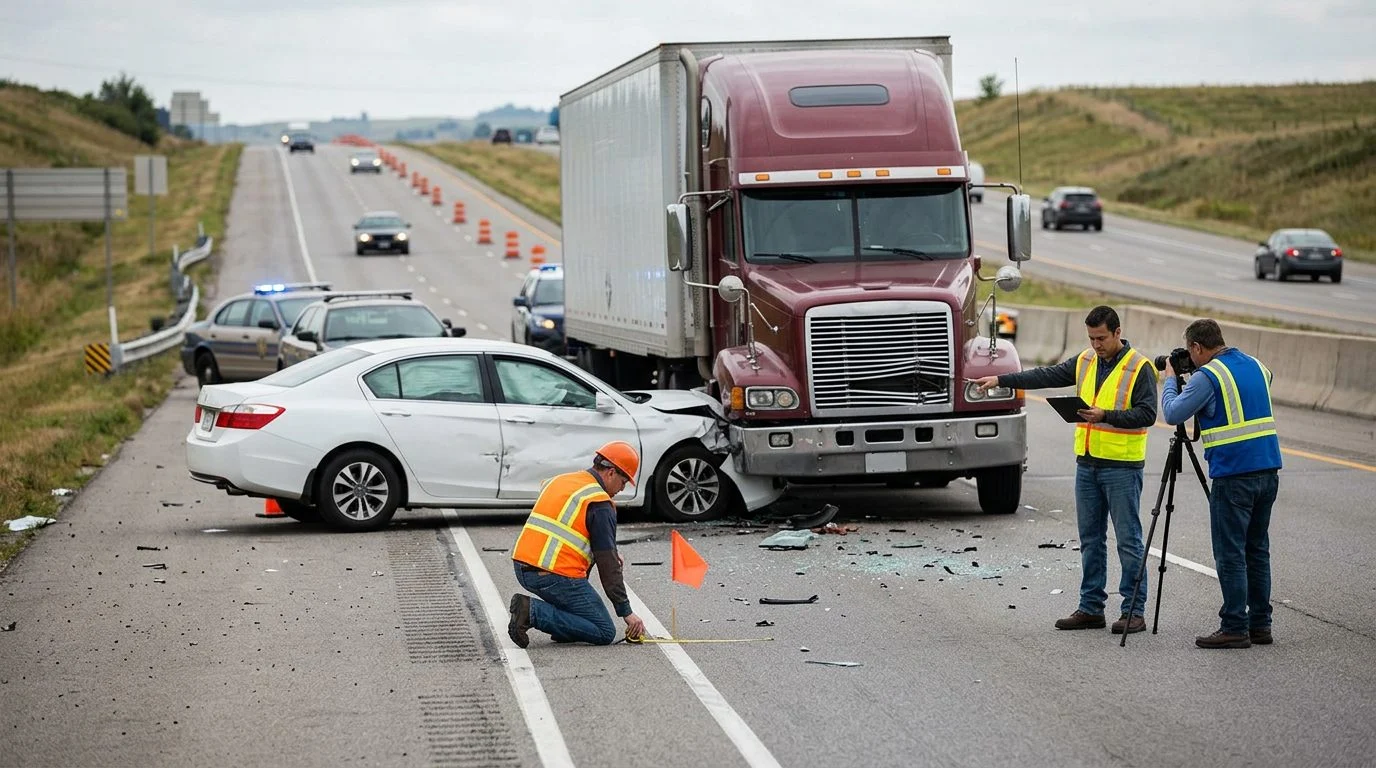
People injured in car and truck crashes across West Virginia are living productive lives after spinal cord injuries. Some return to employment with workplace accommodations. Others pursue education, maintain families, engage in adaptive sports, and participate fully in their communities. The path forward is different for each person—but a path forward does exist.
What happens to the body after a spinal cord injury?
The spinal cord carries signals between the brain and the rest of the body. When the cord is damaged, those signals may be interrupted or blocked. Damage can affect movement, sensation, and bodily functions below the injury site. The extent of disruption depends on how severely the cord is damaged and where the damage occurs.
The spinal cord has four regions, each controlling different body functions:
- Cervical nerves (C1–C7) in the neck control signals to the back of the head, neck, shoulders, arms, hands, and the diaphragm—the muscle that helps you breathe.
- Thoracic nerves (T1–T12) in the upper mid-back control signals to the chest muscles, some back muscles, and many organ systems.
- Lumbar nerves (L1–L5) in the lower mid-back control signals to the lower abdomen, buttocks, parts of the external genital organs, and parts of the legs.
- Sacral nerves (S1–S5) in the lower back control signals to the thighs, lower legs, feet, most of the external genital organs, and the area around the anus.
The higher the injury on the spine, the more body functions are typically affected. Injuries to the C1–C4 segments can affect breathing because those nerves control the diaphragm.
Complete vs. incomplete spinal cord injuries
A complete spinal cord injury means the cord is fully severed or the damage is so severe that no signals cross the injury site. Function and sensation are lost below the injury.
An incomplete spinal cord injury means some signals still travel across the damaged area. Some function or sensation may remain or return. Incomplete injuries often have better potential for recovery and adaptation than complete injuries. Recovery can continue for months or years after the initial injury as the nervous system reorganizes and rehabilitation progresses.
Have questions about what happened?
Ask our team directly. The first conversation is free, confidential, and there is no obligation to continue.
How long can a person live with a spinal cord injury?
Life expectancy after a spinal cord injury depends on the severity of the injury and how well it is managed. Modern medical care has significantly improved survival rates and quality of life compared to decades past.
Complications—such as infections, blood clots, respiratory problems, or pressure injuries—can affect long-term outcomes and require ongoing medical attention. Access to good rehabilitation, preventive care, and strong support systems helps people live longer, healthier lives.
The estimated lifetime costs of a traumatic spinal cord injury (in 2025 dollars) range from roughly $2.1 million to $6.4 million for a person injured at age 25, depending on severity. First-year expenses alone average $472,000 to $1.4 million. These figures underscore the importance of securing compensation to cover medical care, rehabilitation, assistive devices, home modifications, and long-term support.
What factors affect recovery and long-term outcomes?
Several factors influence how well a person recovers and adapts after a spinal cord injury:
- Level of the injury (cervical, thoracic, lumbar, or sacral) determines which body functions are affected.
- Age at the time of injury: younger people often have better neurological recovery potential.
- Overall health before the injury and the presence of other medical conditions.
- Access to immediate emergency care and specialized spinal cord injury treatment.
- Quality of rehabilitation and ongoing therapy, including physical, occupational, and speech therapy.
- Emotional and psychological support, including mental health care and counseling.
- Social support from family, community, and peer networks.
What treatment and support help after a spinal cord injury?
Recovery after a spinal cord injury involves multiple layers of care:
Immediate care aims to stabilize the spine and prevent further damage. Rehabilitation therapy—physical, occupational, and speech therapy—helps people regain function and adapt to life with their injury. Medications can manage pain, muscle spasticity, and other symptoms. Assistive devices and adaptive technology—wheelchairs, braces, voice-controlled systems, and home modifications—restore independence in daily life. Counseling and peer support address the emotional and psychological impact. Vocational rehabilitation helps people return to work or school when possible.
The emotional and psychological impact
A spinal cord injury is a life-changing event that can trigger grief, depression, anxiety, and adjustment challenges. Mental health support—therapy, counseling, support groups—is as important as physical rehabilitation. Many people find meaning and purpose after a spinal cord injury through adapted activities, relationships, and community engagement. Peer support from others who have lived through similar injuries can be powerful and transformative.
Want to know where you stand?
Tell us what happened and our team will walk you through the options available to you, at no cost.
Life after a spinal cord injury: what is possible?
People living with spinal cord injuries pursue many paths:
- Employment: Many return to work, sometimes with workplace accommodations.
- Education: Students pursue degrees and training with adaptive support.
- Relationships and family: People maintain and build meaningful connections.
- Recreation and sports: Adaptive sports and activities keep people active.
- Independence: Assistive technology and home modifications restore autonomy in daily life.
- Community participation: People volunteer, advocate, and contribute to their communities.

If you or a loved one has suffered a spinal cord injury in a crash
The medical, rehabilitation, and long-term care needs after a spinal cord injury are substantial. You may be entitled to compensation to cover those costs and support your recovery. In West Virginia, a personal-injury lawsuit generally must be brought within two years after the right to bring the action accrued. West Virginia also follows a modified comparative fault rule: your damages are reduced in proportion to your own percentage of fault, but you are barred from recovery only if your fault is greater than the combined fault of all other parties.
A free case review can help you understand your options, what compensation may be available, and what comes next. You don’t have to navigate this alone.
Related practice areas
- Spinal Cord Injury from a Crash in West Virginia
- Spinal Cord Injury Case Review: What Your Claim May Be Worth
- Spinal Cord Injury in Charleston
- Blunt Trauma & Spinal Cord Injury: Examples & What Happens