
Spinal Cord Injury Lawyer
Serious Spinal Cord Injuries Demand Serious Representation
If you or a loved one suffered a spinal cord injury in a crash in Charleston or anywhere in West Virginia, Big Bubba Injury Law is here to help you understand your options and fight for fair compensation.
Published October 03, 2026
Spinal Cord Injury from a Crash in Charleston: What You Need to Know
A spinal cord injury from a motor vehicle accident is catastrophic and permanent. The damage happens in seconds—a violent collision, a sudden jolt, a crushing force—and your life changes forever. Paralysis, loss of sensation, chronic pain, and permanent disability follow. In Charleston and across West Virginia, car and truck crashes on I-77, I-64, and local roads create the violent forces that damage the spine. The first hours and days matter enormously: medical decisions, evidence preservation, and legal action all have tight windows. The sooner you act, the stronger your claim and the better your recovery options.

Not sure what your next step is?
Talk it through with our team — the first case review is free, confidential, and carries no obligation.
Spinal Cord Injuries from Charleston Crashes Are Catastrophic—and Time-Sensitive
Spinal cord injuries change lives instantly. The spine is delicate; it doesn’t take extreme force to cause permanent damage. Car and truck accidents can cause these injuries. High-speed collisions, rear-end crashes, rollovers, and commercial vehicle accidents create the violent acceleration, deceleration, and crushing forces that exceed the spine’s tolerance.
What makes spinal cord injuries different from other injuries is that they don’t heal. The damage is done the moment of impact. What follows is a lifetime of medical care, adaptive equipment, home modifications, lost earning capacity, and pain management. The financial and emotional toll is staggering.
Why this matters for your case: the sooner you act, the sooner we can preserve evidence, document your injuries, and build a claim that reflects the full scope of your lifetime needs. Insurance companies know these cases are expensive; they’ll push back hard on liability and damages. You need a lawyer in your corner from day one.
How Spinal Cord Injuries Happen in Motor Vehicle Accidents
Spinal cord injuries in crashes occur through several mechanisms, each creating forces the spine cannot withstand.
Rear-end collisions cause sudden acceleration and deceleration that whips the spine, especially the cervical (neck) region. The head and neck snap backward and forward in a fraction of a second, stretching and tearing spinal cord tissue.
Head-on crashes create direct impact that compresses or severs spinal cord tissue. The force travels through the body, crushing vertebrae and damaging the delicate nerve fibers inside.
Rollover accidents twist, crush, and stretch the spine beyond its limits. The body is thrown violently; the spine bends in ways it was never designed to bend.
Truck accidents amplify injury severity. Commercial vehicles, especially loaded tractor-trailers, can weigh far more than passenger cars. When a truck collides with a smaller vehicle, the force is overwhelming. The occupants of the smaller vehicle absorb forces that cause catastrophic spinal cord damage.
Even “low-impact” crashes can cause spinal cord damage if the angle or force is right. Don’t assume a minor-looking accident means minor injuries. Spinal cord damage isn’t always visible on first inspection. Some victims don’t realize the severity of their injury until days or weeks later, when neurological symptoms emerge.
Types of Spinal Cord Injuries and What They Mean for Your Life
The location and severity of your spinal cord injury determine what functions you lose and what your lifetime care will cost.
Cervical (neck) injuries are often the most severe. They can affect all four limbs and may impact breathing, requiring a ventilator. A person with a high cervical injury may have quadriplegia (paralysis of all four limbs) and permanent dependence on caregivers for all activities of daily living.
Thoracic (mid-back) injuries typically affect the legs and lower body. They may impact core stability and organ function. A person with a thoracic injury may have paraplegia (paralysis of the legs) and loss of bowel and bladder control.
Lumbar (lower-back) injuries often affect the legs, bowel, and bladder control. Depending on the severity, a person may retain some walking ability or may use a wheelchair.
Complete spinal cord injuries mean total loss of function below the injury site. No sensation, no voluntary movement, no recovery of function.
Incomplete spinal cord injuries may preserve some sensation or movement below the injury site. Recovery is possible, but it’s often slow and incomplete.
Immediate and long-term costs are staggering. Surgery, rehabilitation, home modifications, adaptive equipment, ongoing medical care, and lost wages often total hundreds of thousands of dollars over a lifetime. When lost earning capacity and quality-of-life factors are added to medical expenses, lifetime costs can be even higher.
Have questions about what happened?
Ask our team directly. The first conversation is free, confidential, and there is no obligation to continue.
Why Charleston Residents with Spinal Cord Injuries Need a Lawyer Now
Insurance companies minimize spinal cord claims. They know these cases are expensive and will push back hard on liability and damages. They’ll argue the crash wasn’t their driver’s fault. They’ll question whether your injury was really caused by the crash. They’ll lowball your settlement offer, hoping you’ll accept out of desperation or medical debt.
Medical records and expert testimony are essential to build a credible case. You need a lawyer who knows how to work with doctors, life-care planners, and vocational experts. These professionals document your injury, prognosis, and lifetime care needs. They testify about lost earning capacity and the cost of adaptive equipment. Without them, your case is just your word against the insurance company’s.
Liability can be complex. Multiple vehicles, commercial drivers, road conditions, and manufacturer defects may all play a role. Figuring out who is responsible requires investigation, accident reconstruction, and legal analysis. Under West Virginia Code § 55-7-13c, you can recover damages even if you are partially at fault—as long as your fault is not greater than the combined fault of all other parties. But proving the other party’s fault requires evidence and experience.
Your damages are massive and long-term. A lawyer can help you seek compensation not just for today’s bills but for a lifetime of care. This includes surgery, rehabilitation, home modifications, adaptive equipment, ongoing medical care, lost wages, lost earning capacity, pain and suffering, and loss of enjoyment of life. Calculating these damages correctly is critical; underestimating them means you’ll be short of money for care years down the road.
Evidence disappears fast. Crash scenes are cleared, vehicle data is lost, and witness memories fade. The sooner we’re involved, the sooner we can secure crash data, video, medical records, and witness statements. Acting quickly protects your claim.
What Big Bubba Does for Charleston Spinal Cord Injury Victims
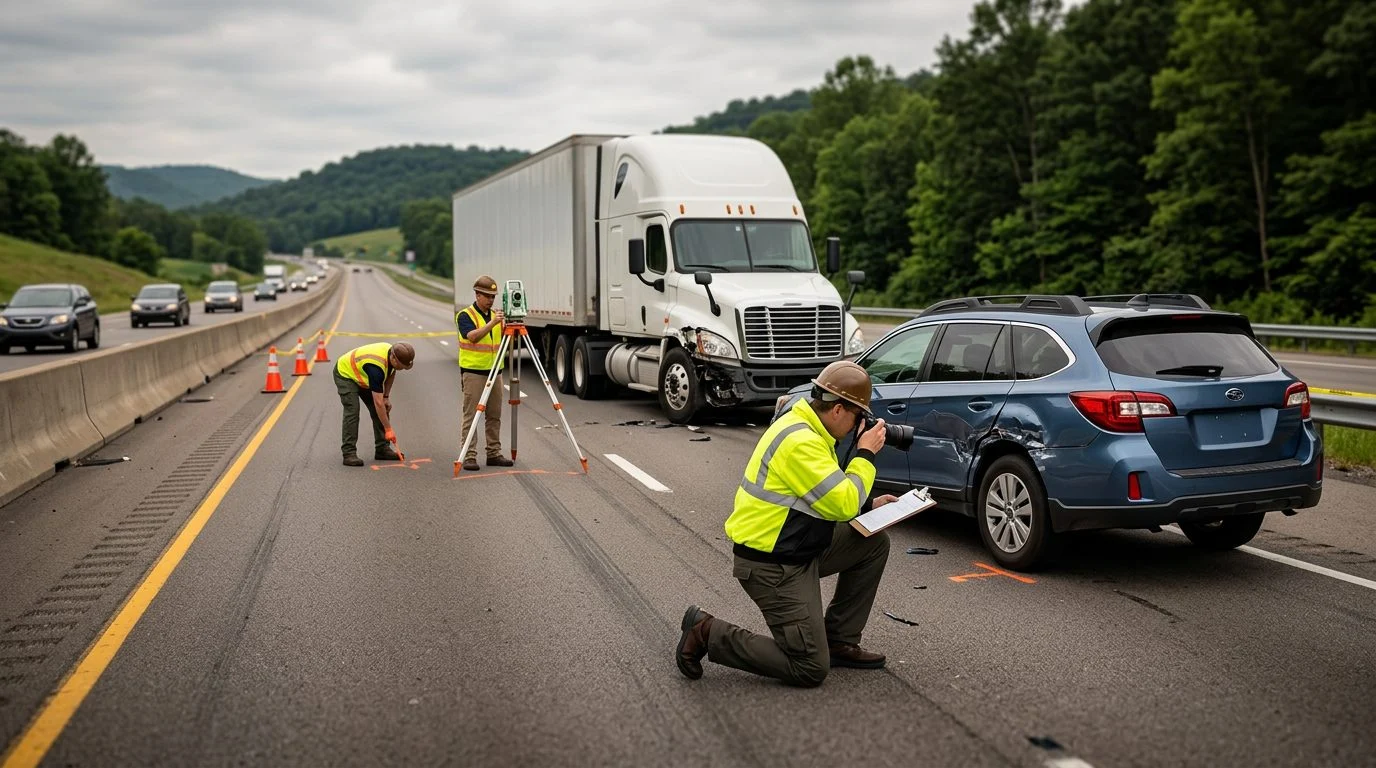
We investigate your crash thoroughly. We preserve evidence, interview witnesses, and work with accident reconstructionists to prove how the crash happened and who is liable.
We build your medical case. We work with your doctors and bring in independent medical experts to document your injury, prognosis, and lifetime care needs.
We calculate your full damages. We don’t just add up medical bills; we account for lost earning capacity, pain and suffering, home care, adaptive equipment, and quality-of-life losses.
We handle insurance companies and defendants. We negotiate aggressively and are ready to take your case to trial if necessary.
We serve Charleston and the surrounding region.
The Steps Ahead: What to Expect When You Call Big Bubba
Free case review: You tell us what happened, and we listen. No pressure, no fees.
We evaluate liability and damages: We assess whether you have a strong claim and what your case might be worth.
We explain your options: We walk you through the legal process, timeline, and what to expect.
We handle the heavy lifting: From investigation to settlement or trial, we manage your case so you can focus on recovery.
No attorney fee unless we win; clients remain responsible for case costs.
Why Act Quickly After a Spinal Cord Injury Crash
Statute of limitations: West Virginia law gives you a limited time to file a lawsuit. Under West Virginia Code § 55-2-12, personal-injury lawsuits generally must be filed within two years after the right to bring them accrues, and exceptions may apply. Waiting too long can bar your claim, and exceptions may apply.
Evidence preservation: The sooner we’re involved, the sooner we can secure crash data, video, medical records, and witness statements. Memories fade, evidence is lost, and defendants destroy records. Early action protects your case.
Medical decisions: Early legal guidance helps you understand your rights and make informed choices about treatment and care.
Financial pressure: Medical bills pile up fast. We can help you explore options for immediate support while your case develops.
Want to know where you stand?
Tell us what happened and our team will walk you through the options available to you, at no cost.
Charleston Residents with Spinal Cord Injuries: You Don’t Have to Fight Alone
A spinal cord injury from a crash is a life-altering event. The legal and financial battles that follow can feel overwhelming. Big Bubba can help West Virginia injury victims navigate these cases and pursue compensation.
We understand the medical, financial, and emotional weight of spinal cord injuries. We’re here to be your advocate, your guide, and your voice when insurance companies and defendants try to minimize your claim.

Frequently Asked Questions
What’s the difference between a complete and incomplete spinal cord injury?
A complete spinal cord injury results in total loss of function below the injury site; an incomplete injury may preserve some sensation or movement, and recovery is sometimes possible.
How much does a spinal cord injury cost over a lifetime?
Lifetime costs often exceed $1 million when accounting for medical care, adaptive equipment, home modifications, lost earning capacity, and ongoing treatment.
What is the statute of limitations for a spinal cord injury lawsuit in West Virginia?
You generally have two years after your right to sue accrues to file a personal-injury lawsuit, and exceptions may apply; missing the deadline may bar your claim (W. Va. Code § 55-2-12).
Can I recover damages if I was partially at fault for the crash?
Yes, under West Virginia’s modified comparative fault rule, you can recover even if you are partially at fault—as long as your fault is not greater than the combined fault of all other parties (W. Va. Code § 55-7-13c).
What evidence do I need to prove liability in a spinal cord injury case?
You need crash data, vehicle damage photos, witness statements, police reports, medical records, and expert testimony from accident reconstructionists and medical professionals.
Related practice areas
- Spinal Cord Injury from a Crash in West Virginia