
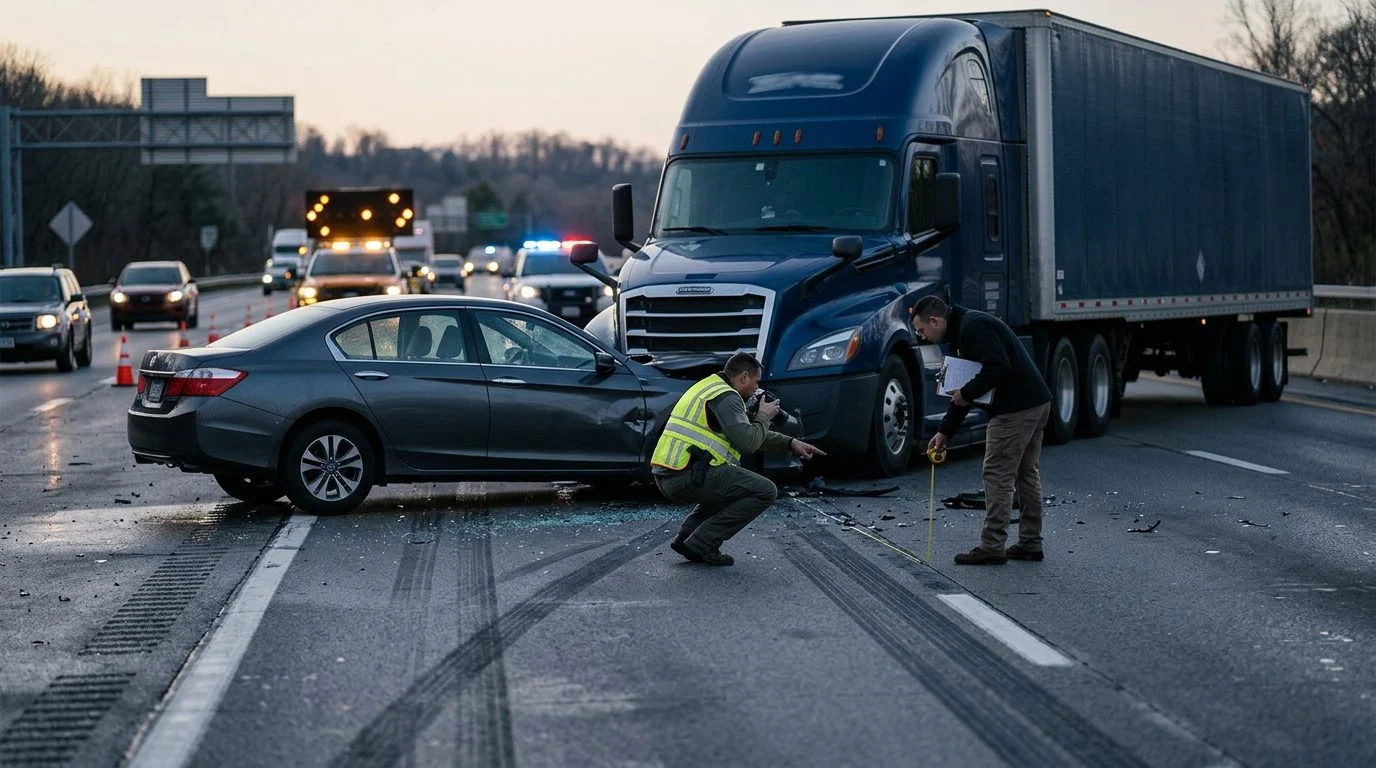
Spinal Cord Injury | Fairmont
Spinal Cord Injury After a Crash in Fairmont
A spinal cord injury can change your life in an instant. Big Bubba Injury Law helps Fairmont injury victims understand their rights and pursue the compensation they need to move forward.
Published October 04, 2026
Spinal Cord Injury After a Crash in Fairmont
A spinal cord injury from a car or truck crash is one of the most catastrophic injuries you can suffer. In Fairmont and across West Virginia, motor vehicle accidents remain a leading cause of spinal cord damage—and the first hours and days after such an injury are critical, both for your medical care and for protecting your legal rights. Understanding what happens next can help you and your family make informed decisions during an overwhelming time.
Not sure what your next step is?
Talk it through with our team — the first case review is free, confidential, and carries no obligation.
What Is a Spinal Cord Injury?
A spinal cord injury occurs when trauma damages the nerve fibers in the spinal cord, disrupting communication between the brain and the rest of the body. The National Institute of Neurological Disorders and Stroke (NINDS) explains that spinal cord injuries are classified as complete or incomplete; a complete injury means that there is no nerve communication below the injury site. Even a partial injury can result in permanent loss of function, sensation, or mobility.
Spinal cord injuries are also classified by level—cervical (neck), thoracic (mid-back), lumbar (lower back), or sacral—and the level of injury determines which parts of the body are affected. A high cervical injury may affect the arms and legs; a lower injury may affect only the legs or specific functions.
Common Causes of Spinal Cord Injuries in Motor Vehicle Crashes
High-impact collisions force the spine into unnatural positions. Head-on crashes, rear-end collisions, and side-impact accidents can all cause severe spinal trauma. Truck accidents are especially dangerous: the size and weight of commercial vehicles create forces that often result in catastrophic spinal injuries. Rollover accidents, where vehicles overturn, can crush occupants or cause violent jolting of the spine. Ejection from a vehicle—when an occupant is thrown from a car—may result in strikes against objects or the ground with tremendous force. Penetrating injuries from debris or objects that pierce the spine during a crash can also cause permanent damage.
Signs and Symptoms of a Spinal Cord Injury
Immediate symptoms may include severe pain in the back or neck, loss of sensation or movement below the injury site, or loss of bladder or bowel control. Some symptoms develop over hours or days as swelling and inflammation progress. Partial paralysis, weakness, numbness, or tingling in the limbs are common. Difficulty breathing or coughing may indicate a high cervical injury affecting the diaphragm.
If you or a loved one shows any of these signs after a crash, seek emergency medical care immediately. Do not move the person unless absolutely necessary—improper handling can worsen the injury.
Have questions about what happened?
Ask our team directly. The first conversation is free, confidential, and there is no obligation to continue.
What Happens After a Spinal Cord Injury Diagnosis
Emergency treatment begins with stabilization and imaging (X-rays, CT scans, MRI) to assess the extent of damage. Hospitalization and acute care often occur in a trauma center or specialized spinal cord injury unit. Surgery may be necessary to stabilize the spine, remove bone fragments, or relieve pressure on the cord.
Rehabilitation and physical therapy typically follow and may last months or years, often continuing at home. Ongoing medical management includes pain control, prevention of complications, and adaptive equipment. Many people with spinal cord injuries require lifelong care, home modifications, and assistive devices—wheelchairs, accessible vehicles, bathroom modifications, and specialized beds. The financial and emotional burden on families is profound.
The Legal Side: Your Right to Compensation
If your spinal cord injury resulted from someone else’s negligence—a reckless driver, a commercial truck operator, or a company that failed to maintain its vehicle—you may have a claim for damages. Compensation in spinal cord injury cases typically covers medical expenses (past and future), lost wages, loss of earning capacity, pain and suffering, and the cost of ongoing care and home modifications.
West Virginia law allows you to pursue a claim against the driver or company responsible for the crash. Under W. Va. Code § 55-7-13c, West Virginia follows a modified comparative fault rule: you can recover damages even if you were partially at fault, as long as your fault is not greater than the combined fault of all other parties. This means that even if you share some responsibility for the crash, you may still have a valid claim.
Time matters. West Virginia law requires a personal injury lawsuit to be brought within two years after the right to bring it has accrued, unless another limitation period is prescribed. Acting quickly protects your rights and ensures evidence is preserved.
Why You Need a Lawyer After a Spinal Cord Injury Crash
Insurance companies often underestimate the true cost of lifetime care for a spinal cord injury. They may offer a settlement that covers immediate medical bills but fails to account for decades of ongoing treatment, equipment, and home care. A lawyer can gather evidence, reconstruct the crash, and build a strong case for fair compensation.
Medical and vocational professionals can testify to the long-term impact of your injury and the care you will need. Negotiating with insurers and defendants requires experience—a lawyer handles these conversations so you can focus on recovery. If a settlement cannot be reached, a lawyer can take your case to trial.
Families in catastrophic-injury cases can exhaust their resources quickly without legal representation. The difference between an undervalued settlement and fair compensation can mean the difference between financial stability and hardship for your family.
Want to know where you stand?
Tell us what happened and our team will walk you through the options available to you, at no cost.
Serving Fairmont Injury Victims
Big Bubba Injury Law serves Fairmont and all of West Virginia, representing people seriously hurt in car and truck crashes. We handle catastrophic spinal cord injuries and understand the medical, financial, and emotional toll these injuries take on families. No attorney fee unless we win; clients remain responsible for case costs. We are committed to fighting for the full value of your claim so you can focus on healing and rebuilding your life.
Frequently Asked Questions
What is the difference between a complete and incomplete spinal cord injury?
A complete spinal cord injury means that there is no nerve communication below the injury site, typically resulting in total loss of function below that point. An incomplete injury partially damages the cord, and some function or sensation may remain or recover.
How long do I have to file a lawsuit for a spinal cord injury in West Virginia?
Under West Virginia law, you generally have two years after the right to bring your personal injury action accrues to file a lawsuit (W. Va. Code § 55-2-12), and exceptions may apply.
Can I still recover damages if I was partially at fault for the crash?
Yes, under West Virginia’s comparative fault rule, you can recover as long as your fault is not greater than the combined fault of all other parties (W. Va. Code § 55-7-13c).
What damages can I claim in a spinal cord injury case?
Damages typically include medical expenses (past and future), lost wages, loss of earning capacity, pain and suffering, and the cost of ongoing care and home modifications.
Why do I need a lawyer if I have insurance?
Insurance companies often undervalue spinal cord injury claims. A lawyer can pursue fair compensation for your lifetime care needs and fight for the full value of your claim.
Related practice areas
- Spinal Cord Injury from a Crash in West Virginia