

Spinal Cord Injury | Crash Claims in West Virginia
Building the Record After a Spinal Cord Injury
A serious crash injury creates a lot of paperwork. Knowing which records to keep, and why each one matters, can make the next steps easier to manage.
Published November 27, 2026
A crash that causes a spinal cord injury creates a long paper trail, and most of it is medical records. The records that matter most include EMS reports, emergency room charts, imaging reports, discharge summaries, and follow-up notes. Together, they show where the injury is, how serious it was, and how it changes over time.
If you’re sorting through this for yourself or a family member, this guide explains what each record shows, how to request it, and how to keep it in order.
What Is a Spinal Cord Injury?
A spinal cord injury is damage to the bundle of nerves that carries signals between the brain and the rest of the body. The NINDS spinal cord injury overview explains that three layers of tissue protect the cord, and fluid surrounds it to cushion it from shock.
Doctors generally describe these injuries as complete or incomplete. A complete injury means no signals get through the injured area. An incomplete injury means some signals still pass. That label may change over time, so the chart may be updated as well.
The injury level matters too. The spinal cord runs from the neck to the lower back, and nerves at each level control different areas. According to NINDS, cervical nerves (C1 to C7) control signals to the arms, hands, and diaphragm. Thoracic nerves (T1 to T12) reach the chest and many organs. Lower nerves reach the legs, feet, and parts of the pelvis.
An injury in the upper neck can affect breathing, so breathing care often appears early in the chart. An injury lower down usually shifts the focus to leg function and bladder and bowel control. Read the exact wording your clinicians use for the level. The chart relies on that description.
Not sure what your next step is?
Talk it through with Big Bubba — the first case review is free, confidential, and carries no obligation.

Why Spinal Cord Injuries Are Life-Threatening
Serious spinal cord injuries can be life-threatening, and the early records show why. Complications may include breathing trouble, infection, blood clots, and pressure sores. That is why the first hours and days are documented in detail.
Those early notes matter later. They show how serious the injury was at the time of the crash, even if the person’s condition improves. A note written on the first night describes what clinicians saw before any recovery began.
Care after a serious spinal injury is often long, and the records track it from the start. Follow-up visits, therapy, equipment, and home care all add to the file. Keeping early and later records together shows the full course of care, not just one snapshot.
Families often notice changes between visits before anyone writes them down. Keep a short note of what you see and bring it to each appointment.
Symptoms That Are Recorded After a Crash
Common symptoms include numbness, tingling, weakness, or loss of movement in the arms or legs. Changes in bladder or bowel control, neck or back pain, and trouble breathing are also recorded. Clinicians write these down because they help show where the injury is.
Symptoms can appear right away or develop over hours and days. Some people feel fine at the scene and notice numbness later. Tell every provider about every symptom, even ones that seem minor. A small change between visits can matter.
Write symptoms down as they happen. Note the date, what you felt, and what helped or made it worse. A short daily log helps you describe symptoms clearly at each visit. If the injured person cannot speak for themselves, a family member can keep the log and share it with providers.
Scene, EMS, and Emergency Room Records
The first medical records come from the scene and the emergency room. The EMS run report records what the crew observed, their initial assessment, and why they chose to transport. Those details show the person’s condition before hospital care began.
Emergency room records include triage notes, a neurological screening, the physical exam, and the first diagnoses. Nursing notes often show changes in sensation or movement during the first visit. Transfer records matter if the person moved between hospitals.
Ask for the complete emergency department chart, not just the summary page. A summary can leave out nursing notes and transfer papers. A police crash report is a separate document, so request it on its own. Keep the date, time, and facility for each record so the sequence of care stays clear.
Imaging and Diagnostic Records
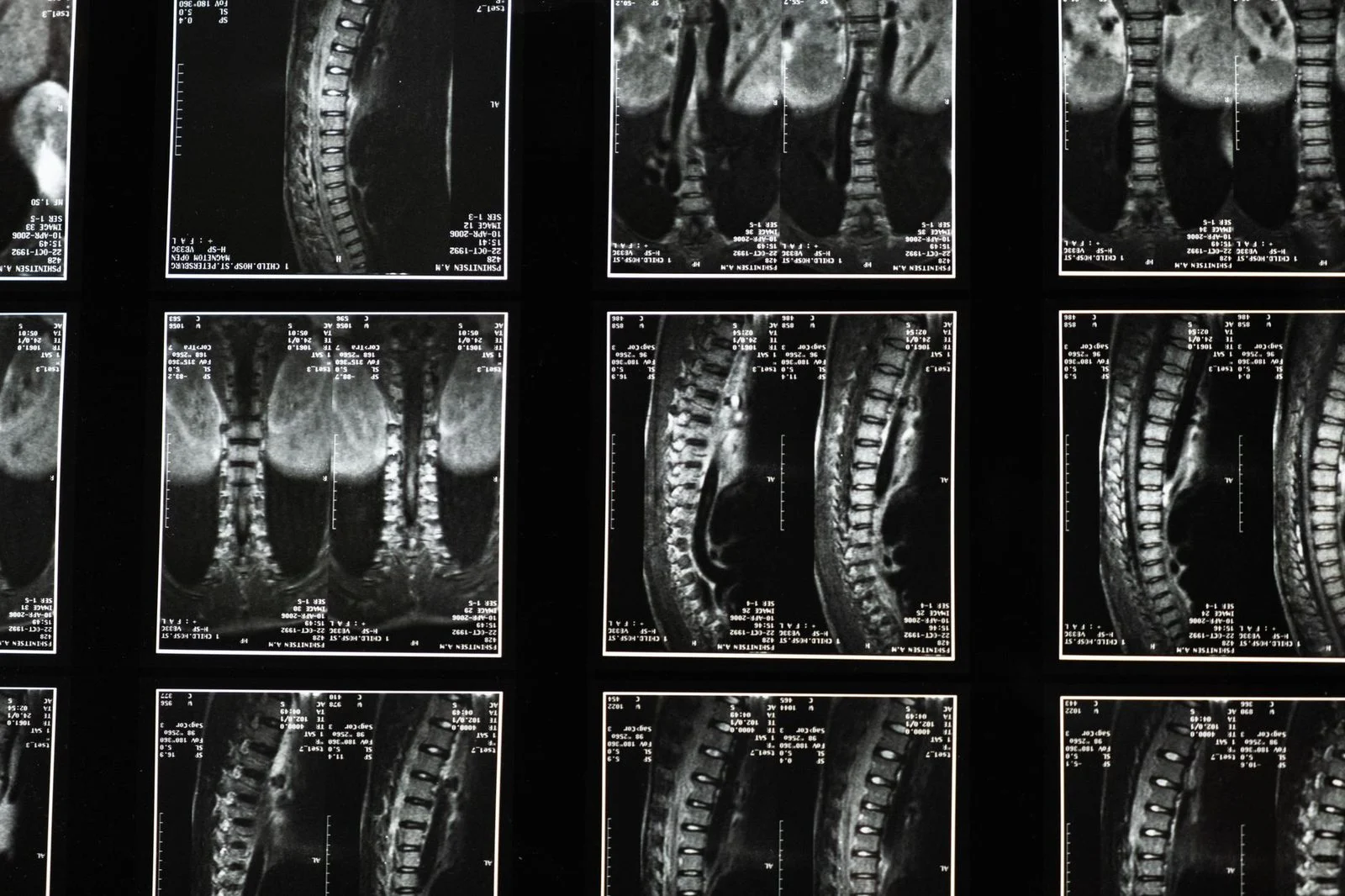
X-ray, CT, and MRI studies are often central to showing whether the spinal cord was damaged and where. Imaging is usually ordered early. Later studies show whether the injury has changed.
Ask for the written radiology report as well as the images. The report is the clinician’s written reading of the scan. The images may need a separate request, so both belong in your file.
Keep a log of every study. List the date, the type of study, and the ordering provider. Follow-up imaging belongs beside the first scans so you can compare them over time. A clear list helps you spot any study that never reached your file.
Surgical, Rehabilitation, and Follow-Up Records
Discharge summaries describe what was done during the hospital stay and the person’s condition at discharge. If surgery was performed, the operative report and admission summary belong in the file too. They explain what the medical team did and why.
Neurological exam notes from follow-up visits document changes in sensation, strength, and function over time. Recovery varies from person to person, so these notes track what is happening for that person.
Physical, occupational, and rehabilitation therapy notes record measured progress and limits. They show how the injury affects dressing, moving, working, and home tasks. Medication lists, itemized billing statements, and notes about work restrictions, equipment, and home care needs show the wider effect on your life and your losses.
Not sure what your next step is?
Talk it through with Big Bubba — the first case review is free, confidential, and carries no obligation.
How to Request, Keep, and Organize Your Records
Request each record in writing from the provider’s medical records department. Keep a copy of every request and every set of records you receive.
The AMA’s guidance on electronic access covers this point. A family member handling records for someone who can’t manage them should confirm what authority the provider requires first.
Store paper and electronic copies in one place, sorted by date and provider. Keep a running list of appointments and symptoms beside them. Check each set for missing pages or studies, and request any gaps in writing.
Timing matters in a crash claim. West Virginia generally allows two years to file a personal injury lawsuit, and exceptions may apply, under W. Va. Code § 55-2-12. Organized records from the start make that timeline easier to track.
If a crash has left you or someone you love facing a spinal cord injury and a growing stack of records, the firm can talk through what comes next. We serve injury victims across West Virginia. You can request a free case review and tell us what happened.
Frequently Asked Questions
What medical records do I need after a spinal cord injury from a crash?
Start with the EMS run report, the emergency room chart, imaging reports, and discharge summaries. Add follow-up, therapy, and rehabilitation notes as care continues.
What is an incomplete spinal cord injury?
Doctors generally use this term when some signals still pass through the injured area. The chart will describe the injury level and any function that remains.
What if the emergency room records are incomplete?
Ask the provider in writing for the full chart, including nursing notes and transfer records. Keep a copy of your request for your file.
Related practice areas
- Spinal Cord Injury from a Crash in West Virginia
- Spinal Cord Injury? Do I Need a Lawyer in West Virginia?