
Spinal Cord Injury
Blunt Trauma & Spinal Cord Injury: What You Need to Know
Understanding how sudden impact injuries damage the spine and what recovery may look like. We're here to help you through it.
Published October 06, 2026
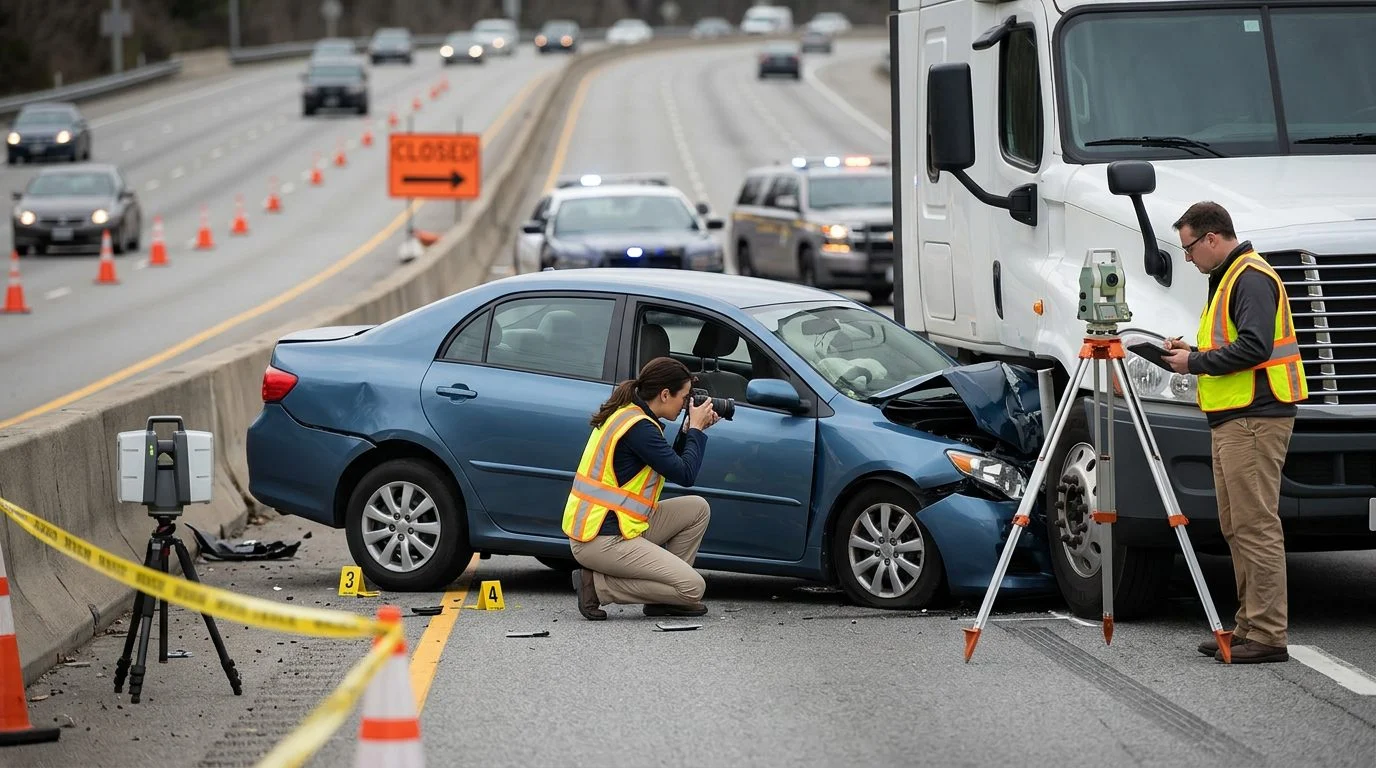
Blunt trauma is forceful impact that does not pierce the skin but damages the spinal cord, vertebrae, discs, and ligaments inside the spine. Motor vehicle accidents—especially high-speed collisions, rear-end crashes, and rollovers—are among the most common causes of blunt-trauma spinal cord injuries. Understanding how these injuries happen and what they mean is the first step for anyone hurt in a crash.
What Is Blunt Trauma to the Spine?
Blunt trauma is a forceful blow or impact that crushes, compresses, or bends the spine without breaking the skin. Unlike penetrating injuries (gunshot or stab wounds), blunt force damages the spinal structures from the inside out—fracturing vertebrae, rupturing discs, bruising the spinal cord, or tearing nerve fibers.
The spinal cord sits inside a tunnel formed by the vertebrae and is cushioned by three protective layers of tissue and cerebrospinal fluid. Even with this protection, a sudden, powerful impact can cause the vertebrae to fracture or shift, narrowing the space around the cord. The cord itself can be bruised (contused), swollen, or even partially or completely torn. The severity depends on the force of the impact, the angle of the blow, and where along the spine it occurs.
If you've been hurt in a crash and are facing questions about what happened and what comes next, we're here to listen. Talk it through with our team — the first case review is free, confidential, and carries no obligation.
Motor Vehicle Accidents as a Common Example
Motor vehicle accidents are one of the leading causes of blunt-trauma spinal cord injuries. Here’s how different crash types cause spinal damage:
High-speed collisions. When two vehicles collide head-on or at high speed, sudden deceleration forces the spine to bend or compress abnormally. The head and torso may move faster than the spine can follow, causing the vertebrae to fracture or dislocate and the spinal cord to stretch or compress.
Rear-end crashes. A vehicle struck from behind experiences a sudden forward acceleration. The head and neck lag behind, then snap forward—a motion called whiplash. This violent flexion and extension can injure the cervical (neck) spine, damaging discs and nerve roots.
Side-impact and rollover accidents. Lateral forces push the spine sideways or cause the vehicle to roll. The thoracic (mid-back) and lumbar (lower-back) regions can be crushed or twisted, fracturing vertebrae and compressing the spinal cord.
Commercial truck accidents. Because commercial trucks are much heavier and carry more momentum than passenger vehicles, collisions involving trucks often produce greater impact forces. A truck crash can cause more severe blunt trauma and more extensive spinal cord damage than a typical car accident.
Other Examples of Blunt Trauma to the Spine
Motor vehicle accidents are not the only source of blunt-trauma spinal cord injuries:
- Falls from height onto a hard surface, such as a fall from a ladder, scaffold, or building
- Workplace accidents involving heavy machinery, falling objects, or crush injuries
- Sports injuries from tackles, falls, or collisions in contact sports
- Pedestrian or bicycle accidents when struck by a vehicle
- Diving into shallow water that compresses the cervical spine
The force, angle, and location of the impact all determine how severe the injury is. A high-speed impact to the neck is more likely to cause paralysis than a lower-force blow to the lower back.
What Happens to the Spinal Cord During Blunt Trauma?
When blunt force strikes the spine, several things can happen:
Vertebral fractures or dislocations. The bones of the spine may crack, shatter, or shift out of alignment. When vertebrae move, they narrow the spinal canal—the tunnel that protects the spinal cord.
Disc herniation. The soft, gel-like center of an intervertebral disc can rupture and press into the spinal canal, compressing nerve tissue.
Bruising and swelling. The spinal cord itself may be bruised (contused). Swelling develops around the injury, further compressing the cord and cutting off blood flow to nerve cells.
Tearing or severing. In severe cases, nerve fibers within the spinal cord are partially or completely torn. This can result in permanent loss of function below the injury site.
Why immediate care matters. The first hours after a spinal cord injury are critical. Swelling and inflammation can worsen nerve damage. Proper immobilization, imaging (MRI or CT scan), and medical treatment can limit further injury and improve long-term outcomes.
Not sure what your next step is?
Talk it through with our team — the first case review is free, confidential, and carries no obligation.
What Are the Different Levels of Spinal Cord Injury?
The spinal cord is divided into regions, and the level of injury determines which body functions are affected:
Cervical (neck) injuries (C1–C7). These nerves control signals to the neck, shoulders, arms, hands, and the diaphragm—the muscle that controls breathing. A cervical injury can cause weakness or paralysis in the arms and legs, loss of hand function, and in severe cases, breathing difficulty.
Thoracic (mid-back) injuries (T1–T12). These nerves control the chest muscles, back muscles, and many internal organs. Thoracic injuries often result in loss of leg function and trunk control but may preserve arm and hand function.
Lumbar (lower-back) injuries (L1–L5). These nerves control the lower abdomen, lower back, buttocks, and legs. Lumbar injuries typically cause weakness or paralysis in the legs and loss of bladder or bowel control.
Sacral injuries (S1–S5). These nerves control the thighs, lower legs, feet, and bowel and bladder function. Sacral injuries may cause leg weakness and loss of bowel or bladder control.
Signs You May Have a Spinal Cord Injury After Blunt Trauma
Seek immediate emergency care if you experience any of these symptoms after a crash or accident:
- Severe pain or pressure in the neck, back, or spine
- Loss of sensation, tingling, or “pins and needles” feeling in the limbs
- Weakness, numbness, or inability to move the arms or legs
- Loss of bladder or bowel control
- Difficulty breathing (especially after a neck injury)
- Paralysis or inability to feel touch below the injury site
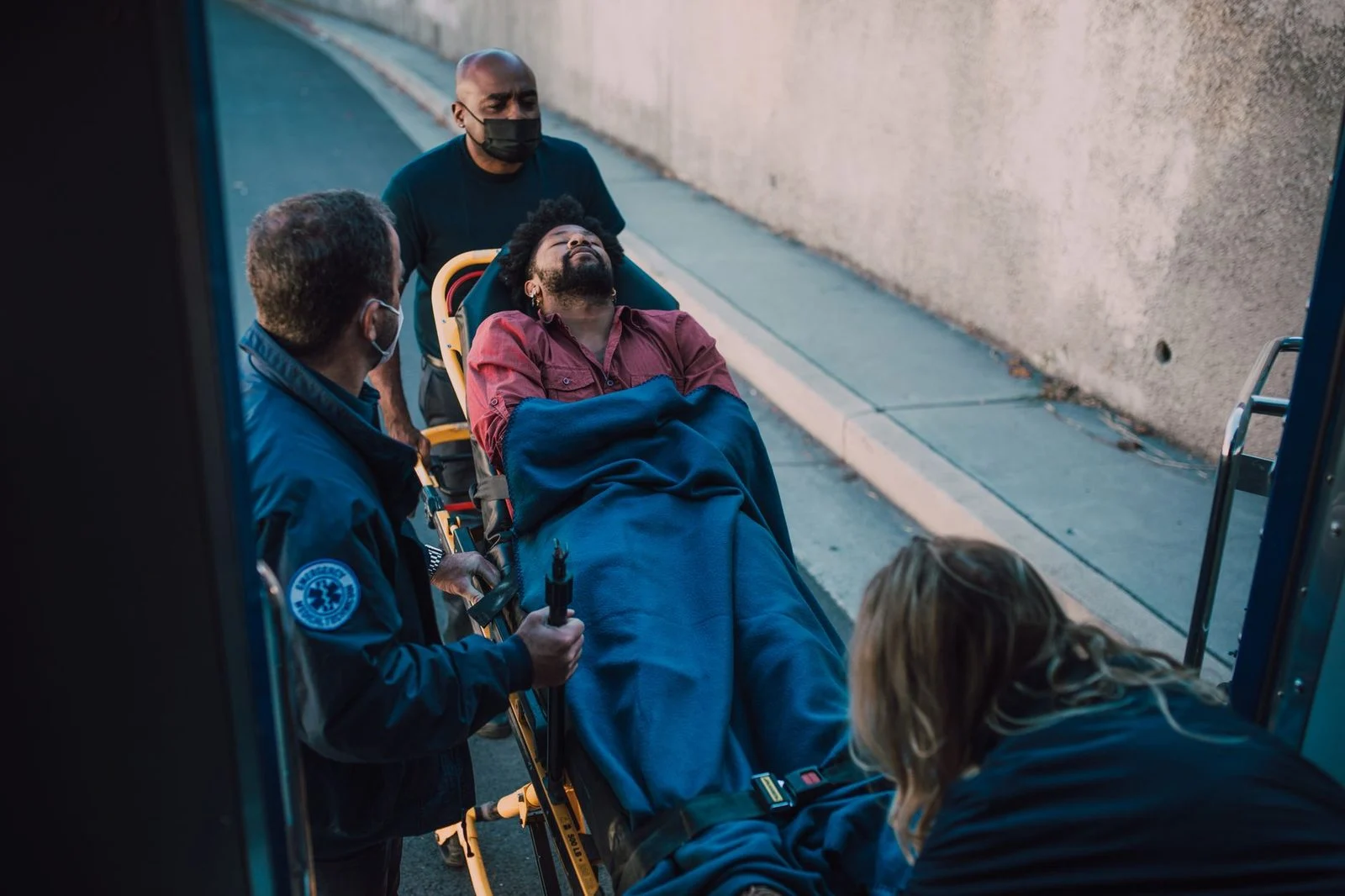
Do not move or allow anyone to move your spine if you suspect a spinal cord injury. Improper movement can worsen the damage. Call 911 and wait for trained emergency responders.
Financial and Medical Impact
Traumatic spinal cord injuries carry enormous lifetime costs. Depending on severity and age at injury, lifetime care expenses can range from $1.5 million to $6.4 million. First-year medical costs alone range from $472,000 to $1.4 million. These figures cover emergency care, surgery, rehabilitation, ongoing therapy, equipment, home modifications, and long-term medical management.
Have questions about what happened?
Ask our team directly. The first conversation is free, confidential, and there is no obligation to continue.
If You or a Loved One Suffered a Spinal Cord Injury in a Crash
Medical treatment and rehabilitation are your immediate priorities. Once you and your family have begun that process, a separate but important question may arise: Was the crash caused by someone else’s negligence?
If another driver was speeding, distracted, or reckless; if a commercial truck operator violated safety regulations; or if a vehicle defect played a role in the crash, you may have legal rights. The filing period for a personal-injury claim is set by state statute and runs two years from when the right to bring the claim accrues, though exceptions may apply.
Many families in your situation have questions about who is responsible, what insurance coverage applies, how to cover the enormous costs of care, and whether legal action is the right step. These are complex questions without simple answers—and they deserve careful thought.
FAQ
Can a spinal cord injury from blunt trauma be reversed?
Some incomplete spinal cord injuries may improve with intensive rehabilitation and emerging therapies, but complete spinal cord injuries are not currently reversible. Early medical care and rehabilitation maximize recovery potential.
What is the difference between a complete and incomplete spinal cord injury?
A complete spinal cord injury means the cord is fully severed or damaged, resulting in total loss of function below the injury site. An incomplete injury means some nerve fibers remain intact, and some function may be preserved or recover over time.
Who is liable if a commercial truck caused my spinal cord injury?
Liability depends on the facts: the truck driver’s actions, the trucking company’s safety practices, vehicle maintenance, and whether any defect contributed to the crash. West Virginia law holds employers responsible for negligent operation of vehicles by their employees.
How long do I have to file a lawsuit for a spinal cord injury in West Virginia?
West Virginia law generally requires a personal-injury lawsuit to be filed within two years after the right to bring the claim accrues, and exceptions may apply. Missing this deadline can bar your claim, so it’s important to act promptly.
If you’ve been hurt in a crash and are facing questions about what happened and what comes next, we’re here to listen. Reach out to us for a free case review to discuss your situation and explore your options.
Related practice areas
- Spinal Cord Injury from a Crash in West Virginia
- Spinal Cord Injury Case Review: What Your Claim May Be Worth