
Brain Injury | West Virginia
Brain Injury After a Car Accident in West Virginia
Some head injuries are hard to recognize right after a crash. Here is how the firm approaches these claims for people across the state.
Published November 14, 2026
Feeling fine after a car crash is common, and that can be a relief. Still, some people find that headaches, dizziness, or trouble thinking show up days later.
If you feel fine after a car accident, you may still wonder whether your brain was hurt. A brain injury can happen after a car accident even when there is no visible injury. During a sudden stop, the brain can move inside the skull. If you were in a crash in West Virginia, this guide explains how that can happen, what symptoms may appear, and what records can help.
Can a Brain Injury Happen Without Any Visible Injury?
Yes, a brain injury may be present even when no cut, bruise, or bleeding shows on the outside. The Administration for Community Living describes traumatic brain injury as severe brain damage caused by an external force. It notes that automobile accidents can cause it.
A head strike is not always required. Sudden speeding up and slowing down can move the brain inside the skull and may injure brain tissue. The Brain Trauma Foundation guidelines address how these injuries occur and how they are assessed early on.
That is one reason people may feel fine at the scene. Shock and adrenaline can mask pain and confusion in the first hours. Many people focus on the vehicle damage and the other driver, and they skip a check on their brain. Skipping that check can leave a possible injury undocumented.
If headaches, fog, or mood changes started after a crash that seemed minor, we can talk through what you're experiencing and whether a claim may be possible. Talk it through with Big Bubba — the first case review is free, confidential, and carries no obligation.

What Types of Brain Injury Can Follow a Car Crash?
Several types of brain injury can follow a car crash, and some do not involve a visible wound. Doctors often describe these as closed head injuries, meaning the skull is not broken. An open head injury involves a break in the skull or an object that penetrates it.
A concussion is a mild traumatic brain injury. It can be easy to miss when a person looks fine and talks normally. A contusion is a bruise on the brain itself. Its effects depend on where it occurs and how large it is.
Diffuse axonal injury involves stretching or tearing of the nerve fibers that connect different parts of the brain. Damage of this kind may be spread out rather than in one spot, and it may not show up clearly on every type of scan. Each injury affects people differently, and severity can range from mild to serious. Outcomes are not the same from one person to the next.
What Symptoms May Show Up Hours or Days After a Crash?
Symptoms may appear hours or days after a crash, sometimes once the shock of the crash wears off. Common groups include headaches, dizziness, trouble with memory or focus, irritability, sleep changes, and mood shifts.
Some people also notice sensory changes. These can include a weaker sense of smell or taste, sensitivity to light, or blurred vision. Any new change that lingers deserves a medical evaluation. Only a medical provider can work out what is causing it.
Family members often notice changes first. A spouse, parent, or coworker may see that someone is forgetful, withdrawn, or quick to anger. Those observations can help when describing symptoms to a doctor.
Changes can also build slowly. A person may return to work and then struggle with tasks they handled easily before the crash. Writing down these shifts makes it easier to show what is different from the person’s normal routine.
Why Doesn’t a Normal CT Scan Rule Out a Mild Brain Injury?
A normal CT scan does not automatically rule out a mild brain injury. CT scans are often used to look for bleeding, skull fractures, and other problems that show clearly on imaging. Subtle injuries may not appear on that kind of scan.
That is why a normal result is only one piece of the medical picture. Symptoms, a neurological exam, and the story of how the crash happened all matter. Depending on the symptoms, a provider may recommend other tests or follow-up visits over time.
Treating a normal scan as proof of no injury can be a mistake. It can lead someone to stop follow-up care while a real problem goes unchecked. If symptoms continue, a return visit with a medical provider is a sensible step.
Does Timing Matter for a Medical Check After a Crash?
Getting checked soon after a crash may help document what you are feeling. You do not need to wait for symptoms to become severe before asking for an evaluation.
You may have heard of a four-hour rule for concussion symptoms. It is a commonly repeated idea, not a legal rule. It does not decide whether an injury exists, and it does not decide whether a claim exists.
Timing also matters in another way. West Virginia law limits certain settlement contact during the first twenty days after an injury, when the injured person is in a hospital or cannot work. W. Va. Code § 55-7-11a sets out those limits, and it includes exceptions. The details matter, so a question about a specific situation is worth raising early.
What Records Help After a Crash With Possible Brain Symptoms?
A simple daily log of symptoms and limits can be a useful record. Note headaches, sleep, concentration, mood, and any work or household tasks you cannot finish. Dates and short descriptions are enough.
Keep every medical record and visit note. Save referral records, prescriptions, and bills. Ask your provider to write down what you describe, including symptoms that seem minor at the time.
Get a copy of the crash report. Your local police department may list a copy fee for crash reports, so ask how the agency handles requests. Save photos of the vehicles, names of any witnesses, and letters from insurers. Write down what happened while your memory is fresh. These records may be relevant to a claim, depending on the symptoms and the facts.
Not sure what your next step is?
Talk it through with Big Bubba — the first case review is free, confidential, and carries no obligation.
How Does West Virginia Law Generally Handle These Claims?
West Virginia generally uses fault-based rules, so a claim often turns on who caused the crash and how much each person contributed. If another driver was at fault, the injured person may have a claim.
Under W. Va. Code § 55-7-13a, recovery in injury cases is based on comparative fault. Each person’s liability is allocated in direct proportion to that person’s percentage of fault. Under W. Va. Code § 55-7-13c, an injured person’s own fault does not bar recovery unless it is greater than the combined fault of everyone else responsible. If it is less, recovery is reduced in proportion to that fault.
West Virginia generally allows two years to file a personal injury claim, under W. Va. Code § 55-2-12, and exceptions may apply. Because deadlines can be affected by details, timing is worth examining early.
For crashes involving a company vehicle or commercial truck, other rules may apply. Federal safety rules for commercial motor carriers are in the Federal Motor Carrier Safety Regulations.
Frequently Asked Questions About Brain Injuries Without Visible Signs
Can I have a brain injury if I felt fine at the scene?
Yes, it may be possible. Symptoms can develop later, sometimes days after a crash.
Is a brain injury recoverable?
Recovery differs from person to person. Some people improve over time, while others may have lasting effects.
How long does it take to settle a brain injury case?
Timelines vary widely. They depend on the medical picture and the details of each claim.
Does a normal CT scan mean I was not hurt?
No. A normal CT scan does not automatically rule out a mild brain injury.
Questions Worth Considering After a Crash
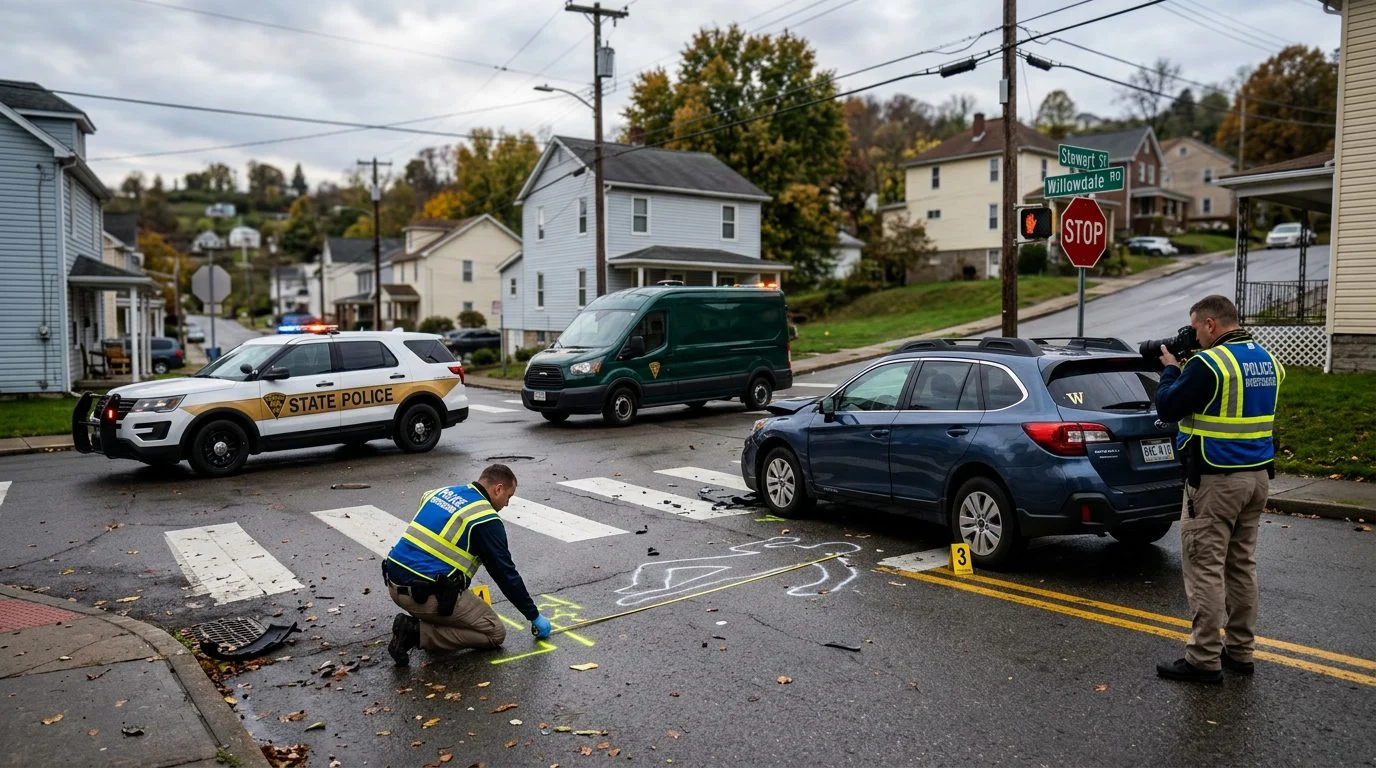
If headaches, foggy thinking, or mood changes began after a crash that seemed minor, you may be wondering whether to get checked and whether a claim makes sense. Those questions can feel heavy to sort out alone.
Big Bubba Injury Law handles car accident, truck accident, and brain injury claims. We serve injury victims across West Virginia. To request a free case review of your crash, use our contact page and describe what you have been experiencing.