
Brain Injury Case Review
Free Case Review for Traumatic Brain Injuries in West Virginia
If you or a loved one suffered a brain injury in a car crash, truck accident, or other incident, Big Bubba is here to listen and help you understand your options.
Published October 02, 2026
Brain Injury Case Review – What It Covers and Why It Matters
A brain injury case review is a free, no-obligation evaluation of your accident, medical condition, and potential claim. It answers whether you have a viable case, what damages may apply, and what your next steps should be—all before you decide to hire anyone.
If you’ve suffered a head injury or traumatic brain injury (TBI) in a car crash, commercial truck accident, or other vehicle collision in West Virginia, an early case review can protect your rights, preserve evidence, and clarify your options when you need it most.
If you've suffered a head injury in a car or truck accident and you're trying to figure out whether you have a claim, reach out. Talk it through with our team — the first case review is free, confidential, and carries no obligation.
What Is a Brain Injury Case Review?
A brain injury case review is an initial, cost-free case review where Big Bubba evaluates your accident, injury, and potential claim. It’s designed for anyone who has suffered a head injury in a vehicle collision and is still figuring out whether they have a case.
The review answers three core questions: Do you have a viable claim? What damages might apply to your situation? What are your options moving forward? You receive a clear assessment—no pressure, no sales pitch, and no obligation to hire the firm.
What’s Included in a Brain Injury Case Review
Big Bubba’s case review covers the full picture of your accident and injury:
Your accident and liability. The firm gathers a detailed account of how the crash happened, the vehicles involved, road and weather conditions, and who was at fault. Big Bubba reviews police reports, witness statements, and evidence of negligence—such as traffic violations, reckless driving, or violations of federal hours-of-service regulations for commercial truck drivers.
Your medical history and current symptoms. You’ll walk through your initial injuries, emergency care, ongoing treatment, and any symptoms that appeared later. Many brain injuries don’t show up immediately; the review documents your timeline and helps connect delayed symptoms to the accident.
Medical records and imaging. Big Bubba reviews emergency room reports, CT and MRI scans, hospital discharge summaries, and evaluations from neurologists or other specialists. This documentation is essential to establish that the accident caused or significantly worsened your brain injury.
Damages evaluation. The firm assesses your medical expenses to date, lost wages from time off work, ongoing or future care needs (therapy, medication, accommodation), and pain and suffering. Long-term effects of brain injury—cognitive changes, mood shifts, chronic headaches, sleep problems, difficulty concentrating—are all part of your damages claim.
Insurance coverage and assets. Where that information is available, Big Bubba looks into the at-fault party’s insurance coverage and assets, so you can better understand what recovery may be possible.
Legal strategy. Based on the facts, the firm outlines whether settlement negotiation, litigation, or another approach makes sense for your situation.
No obligation. The review is free. You’re under no pressure to hire Big Bubba, and you receive the same thorough evaluation whether you do or not.
How the Brain Injury Case Review Process Works
The review follows a clear, step-by-step path:
Step 1: Initial contact. Call Big Bubba or request a case review online. Provide basic information about your accident and injury.
Step 2: Scheduling. A team member confirms a time that works for you—by phone, video call, or in person at Big Bubba’s West Virginia office.
Step 3: Gathering information. Bring or send accident reports, medical records, insurance documents, and photos if available. If you don’t have everything yet, that’s fine; Big Bubba can request missing documents from hospitals, doctors, and insurers.
Step 4: In-depth discussion. Big Bubba or a team member walks through your accident, injury timeline, current challenges, and how the injury has affected your daily life. Be honest about what you’re experiencing.
Step 5: Legal analysis. The firm reviews liability, insurance coverage, causation (whether the accident caused your injury), and the strength of your claim.
Step 6: Recommendations. You receive a clear explanation of your options, what to expect next, and what happens if you decide to move forward.
Why Brain Injury Cases Require Early Review
Timing matters in brain injury cases for several reasons:
Symptoms often appear later. A head injury from a car accident may not cause noticeable symptoms for days or weeks. You might feel fine immediately after the crash, then develop headaches, memory problems, or mood changes days later. An early case review helps you understand whether delayed symptoms are connected to the accident and documents your medical timeline.
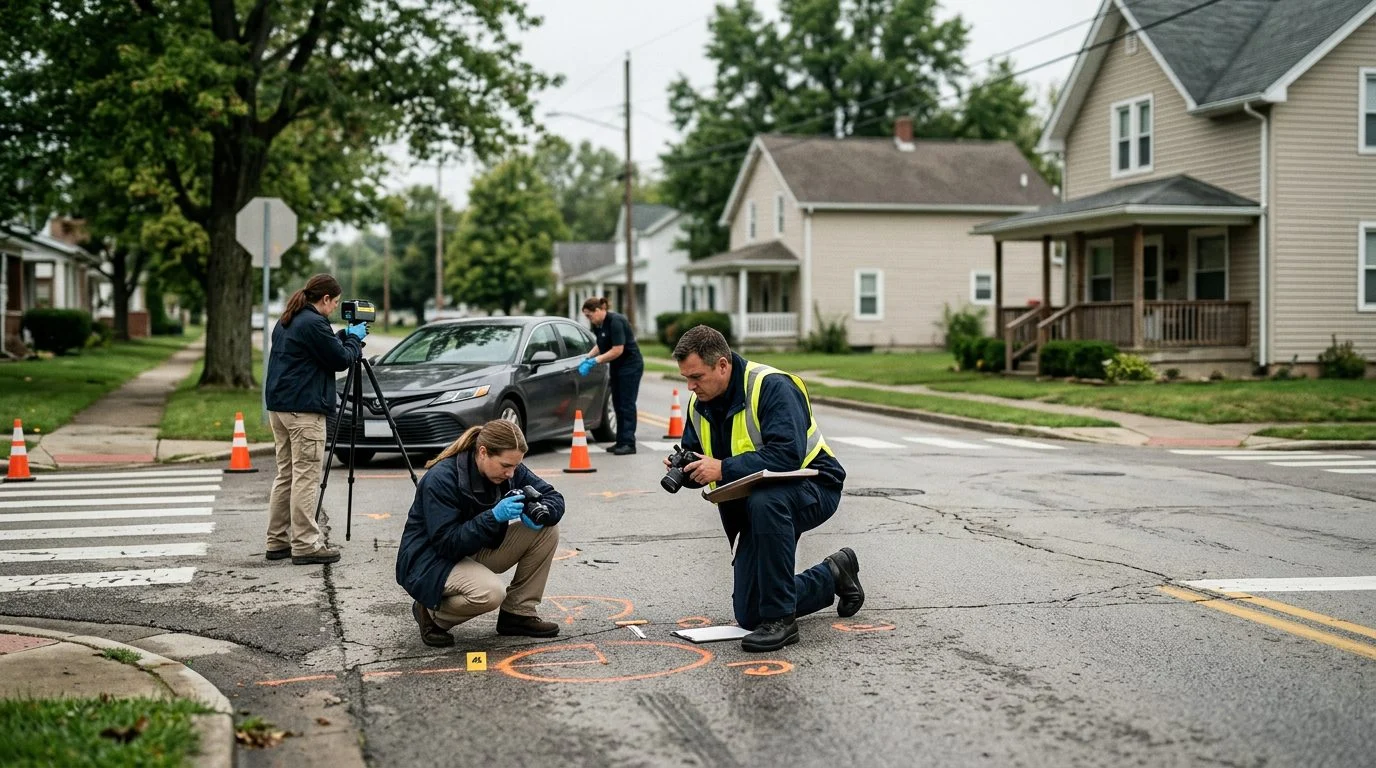
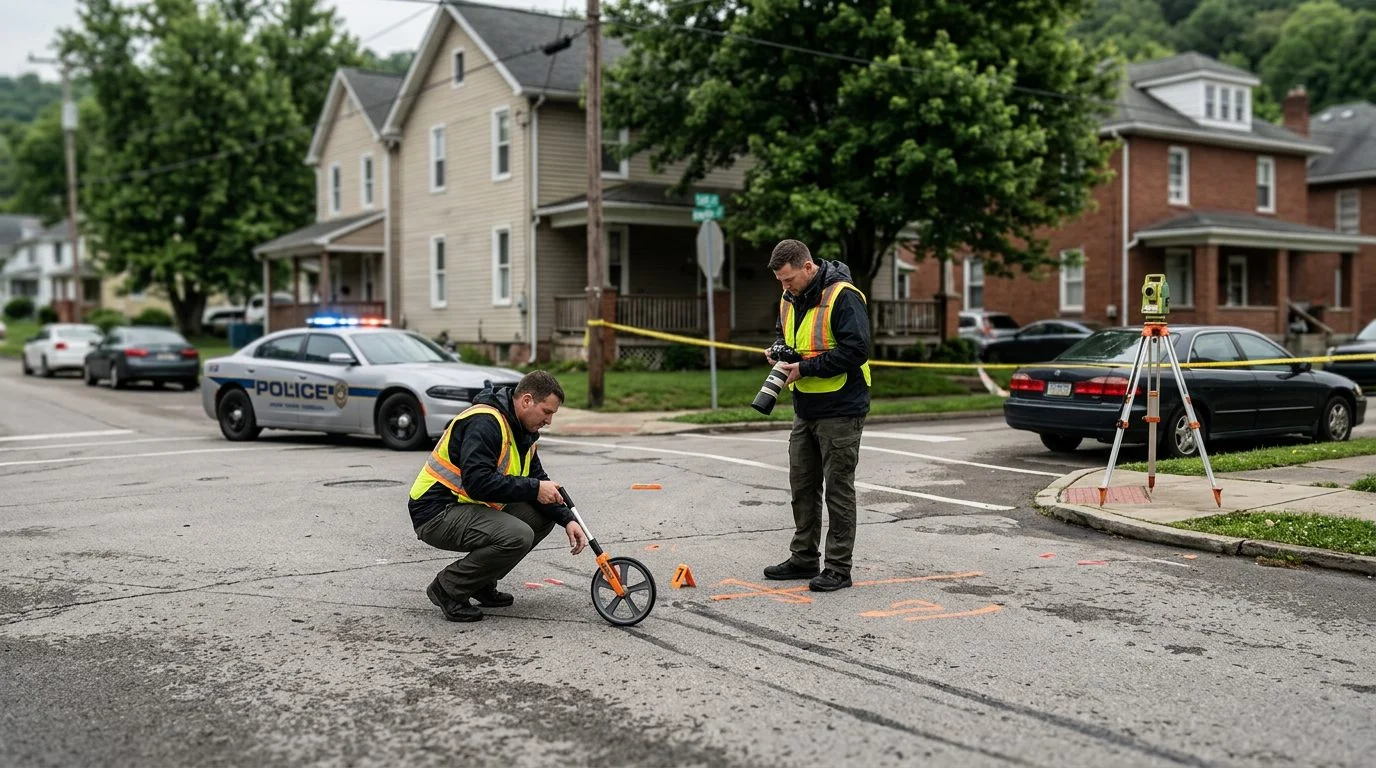
Evidence degrades quickly. Over time, witness memories can fade, accident scenes can change, and damaged vehicles may be repaired. The sooner Big Bubba reviews your case, the sooner critical facts can be preserved—photographs, witness statements, accident reconstruction, and vehicle inspection.
Medical documentation is essential. The stronger your medical records, the stronger your claim. Seek treatment promptly and keep detailed records of all medical visits, symptoms, and treatment.
Insurance companies move fast. The other driver’s insurer investigates immediately. Understanding your legal position early—through a case review—helps protect your rights before settlement discussions begin.
Statute of limitations. West Virginia law sets strict deadlines for filing a personal injury claim. An early case review ensures you understand these deadlines and don’t miss them. Contact Big Bubba’s office to learn the specific timeline for your situation.
Can TBI Affect You Years Later?
Yes—traumatic brain injuries can cause long-term effects that emerge months or even years after the accident. This is one reason early case review is so important.
Common delayed effects of TBI include cognitive changes (memory loss, difficulty concentrating, slower thinking), mood or personality shifts (irritability, depression, anxiety), chronic headaches, sleep disturbances, and difficulty with balance or coordination. Some people experience these symptoms immediately; others develop them gradually over weeks or months.
Why this matters for your case: a case review documents your baseline condition and helps establish the link between the accident and your ongoing symptoms. Medical records from ongoing treatment, specialist evaluations, and therapy notes all strengthen your claim. Damages in a brain injury case include not only past medical expenses but also future care, therapy, medication, and any accommodations you’ll need long-term.
Not sure what your next step is?
Talk it through with our team — the first case review is free, confidential, and carries no obligation.
What Big Bubba Looks For in a Brain Injury Claim
During a case review, Big Bubba evaluates whether your claim has the elements needed for recovery:
- Clear causation. The accident directly caused or significantly worsened your brain injury.
- Documented injury. Medical records, imaging, and specialist diagnosis confirm traumatic brain injury.
- Negligence or liability. The other driver or vehicle operator was at fault due to recklessness, negligence, traffic violations, or (in truck accidents) violations of federal safety regulations.
- Damages. Medical expenses, lost income, ongoing care needs, and impact on quality of life are documented or reasonably foreseeable.
- Insurance or assets. The at-fault party or their insurer has the ability to pay a judgment or settlement.
What to Bring or Prepare for Your Case Review
Gather as much of the following as you can—but don’t worry if you don’t have everything:
- Accident details: date, time, location, weather, and how the crash happened
- Police report: the accident report number or a copy
- Medical records: emergency room summaries, hospital discharge papers, imaging results (CT, MRI), and specialist evaluations
- Insurance information: your policy details and the other driver’s insurance information
- Photographs: pictures of vehicle damage, the accident scene, or visible injuries
- Witness information: names and contact details of anyone who saw the accident
- Income documentation: pay stubs or tax returns if you’ve lost wages
- Treatment records: receipts for therapy, medication, or other care related to your injury
Big Bubba can help you obtain missing documents from hospitals, doctors, and insurers, so don’t delay your review if you don’t have everything yet.
Common Questions About Brain Injury Case Reviews
Is the case review really free?
Yes. There is no charge for the initial review, and you have no obligation to hire Big Bubba.
What if I don’t have all my medical records yet?
Bring what you have. Big Bubba can request records from hospitals, doctors, and insurers on your behalf.
How long does a case review take?
The initial conversation typically takes 30–60 minutes. The full analysis and recommendations take 5–10 business days.
What if I’m not sure my injury is serious enough?
A case review will clarify that. Many brain injuries are not immediately obvious; a professional evaluation helps you understand what you’re dealing with and whether you have a viable claim.
Can I do this over the phone or video?
Yes. Case reviews can be conducted by phone, video call, or in person at Big Bubba’s West Virginia office.
What happens after the review?
You’ll receive a clear explanation of your options. If you decide to move forward, Big Bubba will handle your claim. If not, you have the information you need to make your own decision.
Why Choose Big Bubba for Your Brain Injury Case Review
Big Bubba handles traumatic brain injury cases from car and commercial truck accidents across West Virginia. The firm takes time with each case—no rushing, no pressure—because brain injuries are serious, life-altering injuries that deserve careful evaluation.
The firm recognizes that you’re in the middle of a difficult situation you didn’t choose, and the goal of the case review is to help you understand your position and your options—nothing more.
Have questions about what happened?
Ask our team directly. The first conversation is free, confidential, and there is no obligation to continue.
Next Steps: Get Your Brain Injury Case Reviewed
If you’ve suffered a head injury in a car or truck accident and you’re trying to figure out whether you have a claim, reach out. Contact Big Bubba to schedule your free case review, or call to speak with a team member. People in your situation can contact Big Bubba to understand their options and protect their rights.
Bring or send the information listed above. Be honest about your accident and how the injury has affected you. You’ll receive a clear assessment of your claim and your next steps—with no obligation and no pressure.
Big Bubba Personal Injury Law
West Virginia
Why Talk to Big Bubba About Your Brain Injury
Free, No-Pressure Review
Tell us what happened. There's no charge for the initial case review, and you have no obligation to hire us.
We Handle the Records
Don't have all your medical records yet? We can request them from hospitals, doctors, and insurers on your behalf.
Straightforward Answers
We explain what your case involves, what questions matter, and what happens next—in plain language.
No Fees Unless There's a Recovery
We work on a contingency basis. You pay no attorney fees unless there is a recovery. You remain responsible for court costs and case expenses.
What to Bring to Your Case Review
Medical Records
Bring copies of hospital records, doctor's notes, imaging reports, or any diagnosis related to your brain injury. If you don't have them all, that's okay.
Accident Details
Be ready to describe what happened—where, when, and how you were injured. Photos of the scene or vehicles, if you have them, are helpful.
Insurance Information
Have your own insurance policy and the other party's policy information available, if you have it.
Questions
Write down anything you want to ask. A case review is your chance to get clarity on your situation and next steps.
Brain Injuries Can Develop Over Time
Symptoms of traumatic brain injury—headaches, memory problems, balance issues, mood changes—may not appear immediately after an accident. If you've been in a serious crash or incident and are experiencing any of these signs, it's important to seek medical attention and talk to a lawyer about your rights.
Common Questions About Brain Injury Case Reviews
Is the case review really free?
Yes. There is no charge for the initial review, and you have no obligation to hire Big Bubba.
What if I don't have all my medical records yet?
Bring what you have. Big Bubba can request records from hospitals, doctors, and insurers on your behalf.
How long does a case review take?
We'll listen to your story and answer your questions.
What happens after the review?
We'll explain whether your case fits what we handle and what the next steps would be if you decide to move forward.
Ready to Talk About Your Brain Injury?
Related practice areas
- Traumatic Brain Injury from Car and Truck Accidents in West Virginia
- Delayed Symptoms of Brain Injury After a Car Accident