
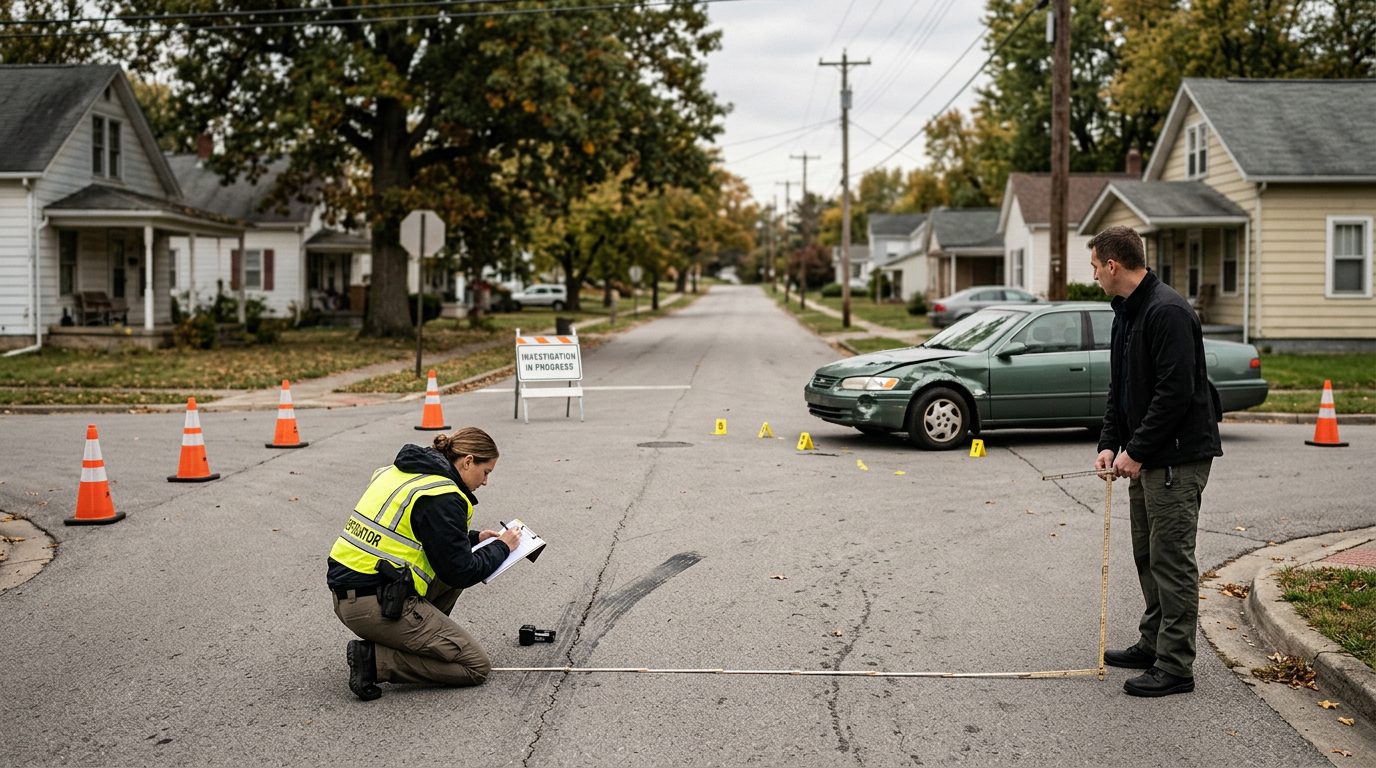
Brain Injury Car Accidents | West Virginia
A Brain Injury From a Car Accident Changes Everything. We Can Help You Sort Through It.
Big Bubba Injury Law represents West Virginians and families after serious car, truck, and commercial vehicle crashes that cause traumatic brain injuries. Start with a free case review.
Published October 26, 2026
A brain injury from a car or truck crash can mean months or years of rehabilitation and care. A personal injury claim can seek compensation for those needs from the people responsible for the crash. Big Bubba Injury Law handles car, truck, and commercial vehicle crashes that cause serious brain injuries across West Virginia.
What a Brain Injury Car Accident Claim Is and Who It Is For
A brain injury car accident claim asks the at-fault party to pay for harm a crash did to the brain. The Administration for Community Living says automobile accidents can cause traumatic brain injuries, which involve severe brain damage from an outside force.
A brain injury can take several forms:
- Concussion: a jolt to the brain that can still cause real symptoms.
- Contusion: a bruise on the brain tissue.
- Diffuse axonal injury: stretching or tearing of nerve fibers across the brain.
- Penetrating injury: an object enters the skull and damages brain tissue.
Symptoms can be physical, such as headaches or dizziness. They can also be cognitive, emotional, or behavioral, such as memory trouble, mood changes, or irritability.
This page is for:
- Drivers and passengers hurt in a crash
- Pedestrians and cyclists struck by a vehicle
- Family members of an adult who cannot yet speak for themselves
A claim may involve another driver, a trucking company, or another commercial carrier. The firm handles car, truck, and commercial vehicle accidents across West Virginia.
If a crash left you or someone you love with a brain injury and you're unsure what care and lost income may come next, reach out for a free case review. Talk it through with Big Bubba — the first case review is free, confidential, and carries no obligation.
Rehabilitation and Long-Term Care Needs a Claim Can Address
A claim can seek payment for the medical care, therapy, and income loss a brain injury causes, both now and later. Brain injury rehabilitation lawyer work often starts with a clear list of these needs.
Early care:
- Emergency transport and hospital stays
- Surgery and intensive care
- Imaging such as CT and MRI scans
Rehabilitation:
- Inpatient or outpatient rehab
- Physical, occupational, and speech therapy
- Cognitive rehabilitation to rebuild memory and attention
Long-term needs:
- Neurologist and neuropsychologist follow-up
- Medication and assistive devices
- Home health or attendant care
- Changes to a home or vehicle
Some people cut hours, change jobs, or cannot return to their old work. A claim can look at that lost earning capacity, not only past paychecks. Future care needs are projected with treating doctors, and that projection shapes what a claim seeks for later years.
How Brain Injury Symptoms Are Documented from the Start
Clear medical records from the start are the main way to link brain injury symptoms to a crash. Some symptoms show up days or weeks after a crash. A delay does not erase the link, but a gap in records can make it harder to show.
Keep these habits from the first week:
- See a medical provider promptly after the crash.
- Follow the treatment plan and attend every appointment.
- Keep a daily log of symptoms, sleep, and work limits.
- Save receipts and mileage to medical visits.
Doctors may use imaging and neuropsychological testing to measure memory, attention, and processing speed. These results help connect symptoms to the crash and show how the injury affects daily life.
How the Claim Process Works, Step by Step
Most brain injury claims move through five stages, from a free case review to negotiation or a lawsuit.
- Free case review. A confidential talk about how the crash happened, your injuries, and your treatment so far. There is no obligation to continue.
- Collecting records. This includes police reports, medical records and imaging, wage information, and insurance details.
- Building the damages picture. The firm works with your treating providers on current care and future needs.
- Presenting the claim. The claim goes to the insurers involved. For truck and commercial vehicle crashes, that can include commercial carriers.
- Negotiation or lawsuit. If talks do not resolve the claim, a lawsuit may be filed in the proper West Virginia court.
How long each stage takes depends on the facts, the severity of the injury, and how long treatment continues. The firm explains each stage as it happens.
Deadlines and Fault Rules That Affect a West Virginia Brain Injury Claim
West Virginia generally gives two years to bring a personal injury claim, under W. Va. Code § 55-2-12. Because exceptions can apply, the deadline should be checked early.
Fault rules matter too. Under W. Va. Code § 55-7-13c, your own fault does not bar recovery unless it is greater than the combined fault of everyone else responsible. If it is less, your recovery is reduced in proportion to your share of fault.
Questions about seat belt use can come up after a crash.
After a fatal crash, family claims follow different rules. Under W. Va. Code § 55-7-6, a wrongful death action is brought by the decedent’s personal representative and must be commenced within two years after the death, subject to the provisions of section eighteen, article two, chapter fifty-five. W. Va. Code § 55-7-6 reads: “The provisions of this section shall not apply to actions brought for the death of any person occurring prior to July 1, 1988.”
Common Questions About Brain Injury Car Accident Claims
Most readers ask about diagnosis, delayed symptoms, family roles, and truck crashes.
Do I need an official brain injury diagnosis to bring a claim?
A claim depends on the facts. A medical evaluation helps show what happened and what care is needed.
What if my symptoms came on weeks later?
Symptoms that appear after a crash can still connect to it. Medical records written close to the crash help show that link.
Can a family member act for an adult who cannot make decisions?
Who may act depends on the facts and on the legal documents in place. The firm can explain the options during a free case review.
Does a truck crash change the claim?
It can add parties, such as a carrier, and different insurers. The firm reviews those parties during the free case review.
Where does the firm serve?
We serve injury victims across all 55 West Virginia counties, including Charleston, Huntington, Morgantown, Wheeling, Martinsburg, Parkersburg, Beckley, Clarksburg, Fairmont, and Weirton.
Not sure what your next step is?
Talk it through with Big Bubba — the first case review is free, confidential, and carries no obligation.
Talk to the Firm About Your Brain Injury Car Accident
If a crash left you or a loved one with a brain injury, a free case review is a clear next step. Ongoing treatment, missed work, and changes at home can feel like too much at once. Big Bubba Injury Law can talk through how the crash happened, the care you need now, and the care you may need later. Request a free case review, call the firm about your case, or tell the firm what happened in your own words.