
Brain Injury | West Virginia
Brain Injury Case Review in West Virginia: What to Expect
A brain injury can change your memory, work, and family life. Here is how the firm's free case review works, and how to start a confidential conversation about what happened.
Published October 29, 2026
A brain injury case review is a confidential first meeting with Big Bubba Injury Law, called a free case review. You talk through the crash, your symptoms, and your options. You have no obligation to continue after the review. This page explains what the review covers, how it works, and which West Virginia deadlines and fault rules matter most.
What a Brain Injury Case Review Is and Who It Is For
A brain injury case review gives you a private place to explain what happened. The firm listens, asks questions, and explains possible next steps. You decide what to do next.
It fits people who are hurt and unsure where to turn, including:
- Drivers and passengers hurt in car crashes
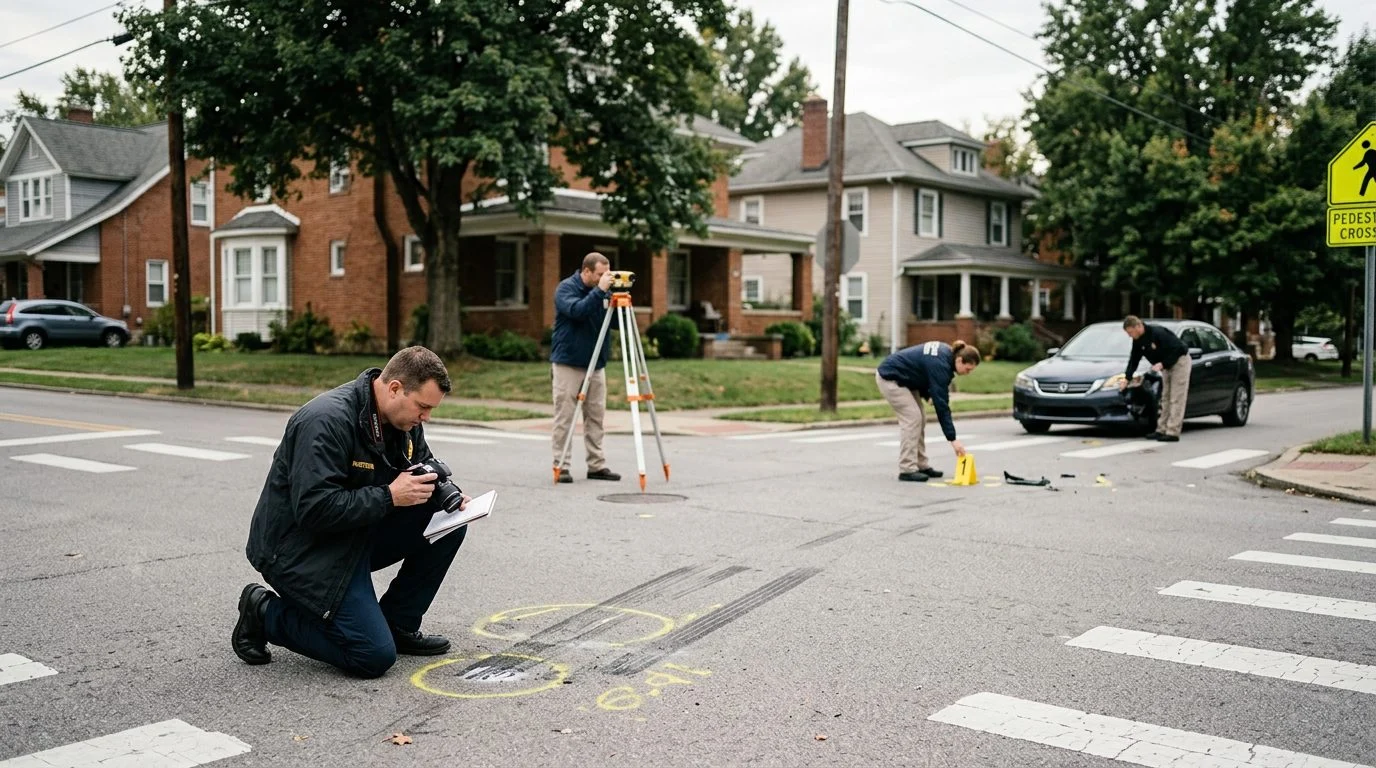
- Pedestrians and cyclists struck by a vehicle
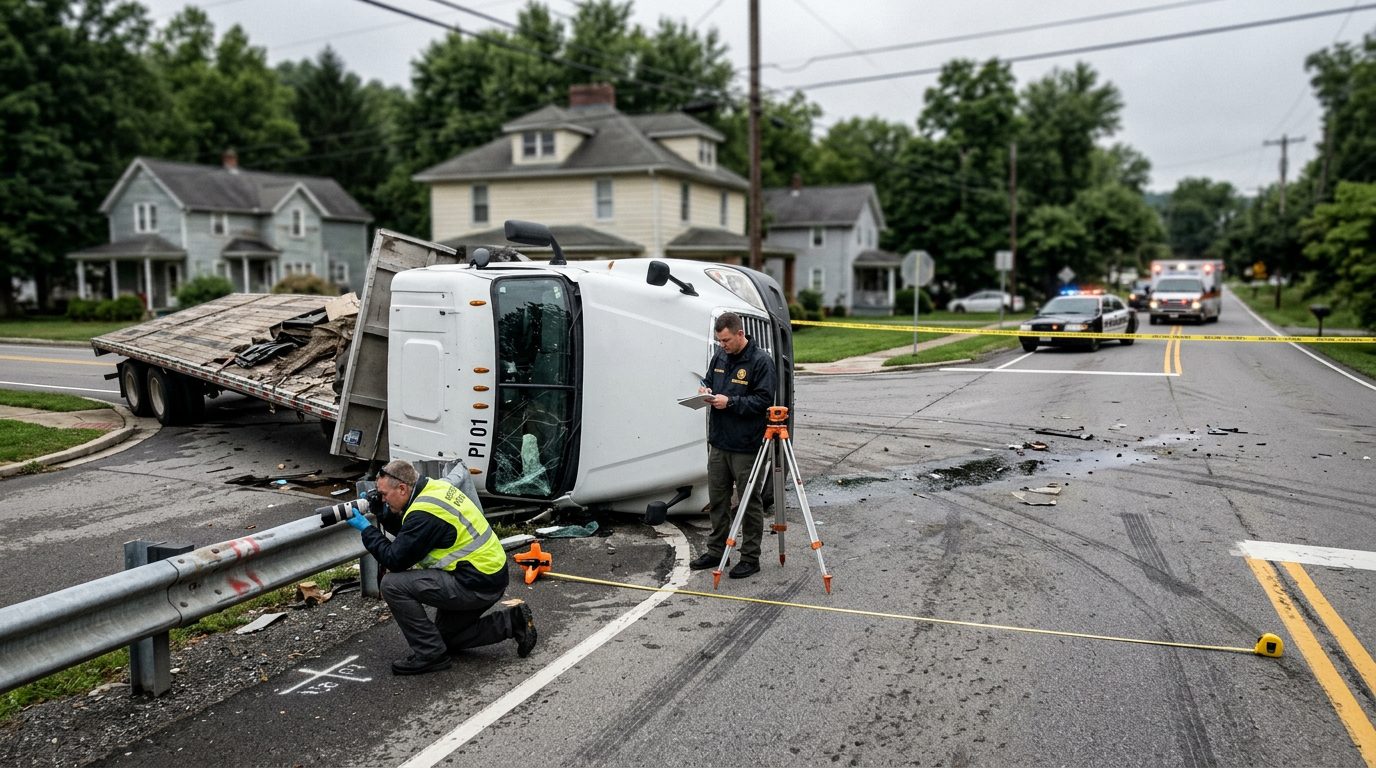
- People hurt in truck or commercial vehicle crashes
- Parents, spouses, and other relatives of someone with a brain injury
- Families of a person who died in a crash
Brain injuries don’t always show clear signs right away. Some symptoms appear days or weeks after a crash. If you aren’t sure what happened to you, a review can still help you sort it out. You don’t need legal training or a complete file to start. Bring what you have, and the firm will help you see what matters.
Acting sooner gives you more time to gather records and crash details while they are still fresh.
If a crash left you or a loved one with a brain injury, you may have a claim worth reviewing. Request your free case review and tell us what happened in your own words. Talk it through with Big Bubba — the first case review is free, confidential, and carries no obligation.

Brain Injuries the Firm Handles
A traumatic brain injury (TBI) is an injury to the brain caused by a bump, blow, jolt, or other outside physical force.
Doctors often describe TBI as mild, moderate, or severe. A mild label does not mean the effects are small. The severity label on a chart does not always show how the injury affects your work, sleep, or family life.
Common symptoms reported after a crash include:
- Headaches
- Memory and concentration problems
- Mood changes, irritability, or anxiety
- Sleep trouble
- Dizziness and balance problems
- Sensitivity to light or noise
Symptoms can change over time. Describe them as they are now and as they were after the crash. Some people notice problems at work or at home before they connect them to the crash. Your doctor’s notes matter because they link symptoms to the crash.
When a brain injury causes lasting impairment, it can fall within the firm’s catastrophic injury work. The firm also handles spinal cord injury and other catastrophic injury claims.
How the Free Case Review Works, Step by Step
A brain injury case review starts with a phone call or online form, followed by a confidential meeting about the facts.
- Reach out. Call the firm or use the online contact form. Describe the crash and your symptoms in your own words.
- Share the basic facts. Tell the firm when and where the crash happened, who was involved, and what medical care you’ve received.
- Review possible claims. The firm discusses who may be at fault. That could be another driver, a motor carrier, or the owner of a commercial vehicle.
- Plan the next steps. The firm explains what it would need to move forward. You decide whether to continue.
The review itself is one meeting. Gathering medical records and investigating the crash take longer. How long the work takes varies from case to case.
Support staff help organize records and keep you informed about scheduling. The firm explains medical terms and claim steps in plain language as you go.
What to Gather Before Your Case Review
You don’t need every document before you reach out. These items help the most:
- Medical records, imaging reports such as CT or MRI results, discharge papers, and a list of every provider who treated your head injury
- The crash report number, photos, witness names, and insurance details for every vehicle
- Work records: days missed, pay stubs, and any letter about work restrictions
- A symptom journal covering headaches, memory lapses, mood, and tasks you can no longer do
If a truck or commercial vehicle was involved, two federal rules can matter. Under 49 C.F.R. § 395.8, drivers record their duty status, generally on an electronic logging device (ELD), and no driver or motor carrier may tamper with that device so that it does not accurately record and retain required data. Under 49 C.F.R. § 382.303, employers must test surviving drivers for alcohol and drugs after certain crashes, within set time windows.
Missing items are fine. The firm can help figure out what’s missing and how to request it.
West Virginia Deadlines and Fault Rules to Know
For most personal injury claims, West Virginia gives you two years to file. Under W. Va. Code § 55-2-12, a personal injury action must be brought within two years after the right to bring it accrued. Other timing rules can apply, depending on the facts.
Wrongful death claims follow their own rules. Under W. Va. Code § 55-7-6, the action must be brought by the personal representative of the deceased person’s estate. It must be commenced within two years after the death, subject to the provisions of section eighteen, article two, chapter fifty-five. W. Va. Code § 55-7-6 reads: “The provisions of this section shall not apply to actions brought for the death of any person occurring prior to July 1, 1988.”
West Virginia uses modified comparative fault. Under W. Va. Code § 55-7-13a, fault is measured as a percentage, and each person’s share is allocated in direct proportion to that share. In plain terms, under comparative fault each person’s share of fault is expressed as a percentage, and recovery is based on those percentages.
Early action helps. Vehicle data, crash reports, and medical records can be hard to recover later.
Car, Truck, and Commercial Vehicle Crashes That Cause Brain Injuries
Brain injuries happen in car, truck, and commercial vehicle crashes. Each type can raise different questions.
- Car accidents: head impacts in collisions, rollovers, and side-impact crashes on West Virginia roads.
- Truck accidents: larger vehicles and more parties, such as a motor carrier or cargo company.
- Commercial vehicle accidents: buses, delivery vans, and work vehicles, where company records may matter.
- Wrongful death: families of someone who died after a brain injury or severe crash.
In some commercial vehicle cases, a state limit applies. In a civil action for personal injury or wrongful death involving the operation of a commercial motor vehicle requiring a commercial driver’s license, the maximum noneconomic damages (such as pain and suffering) each injured or killed person can recover from the employer defendant under W. Va. Code § 55-7-32 may not exceed $5 million for each occurrence. The statute does not cover a vehicle serving as a common carrier of passengers, a commercial motor vehicle as defined in §17E-1-3(7)(C) of the code, a school bus, or another vehicle primarily engaged in transporting passengers, so a bus crash is not necessarily subject to this limit. That limit is not available to an employer defendant without at least $3 million in commercial motor vehicle insurance for each occurrence. Under W. Va. Code § 55-7-32, the section does not apply if the civil action involving a commercial motor vehicle arises from an incident for which an operator or driver is found to have, at the time of the incident, operated a commercial motor vehicle with an alcohol concentration of .04 or more; operated it under the influence of any controlled substance, other drug, or inhalant substance; operated it in excess of the hours of operation established under state or federal regulations; operated it in willful or wanton disregard for the safety of persons or property; operated it loaded in excess of the maximum gross vehicle weight rating established under state or federal regulations, not including when an operator or driver is legally operating the vehicle according to a permit issued under §17C-17-11 of the code; or operated it while engaging in one or more of the acts that constitute distracted driving, or to have, following the incident, refused to submit to required testing. Under W. Va. Code § 55-7-32, beginning on January 1, 2026, and in each year after, the limitation on compensatory damages for noneconomic loss in subsection (b) increases to account for inflation by an amount equal to the Consumer Price Index published by the United States Department of Labor, not to exceed 150 percent of the amounts specified in that subsection. The limit has an insurance requirement and listed exceptions. It applies to causes of action arising after July 1, 2024.
We serve injury victims across all 55 West Virginia counties, including Charleston, Huntington, Morgantown, Wheeling, Martinsburg, Parkersburg, Beckley, Clarksburg, Fairmont, and Weirton.
Not sure what your next step is?
Talk it through with Big Bubba — the first case review is free, confidential, and carries no obligation.
Case Types and Areas Served
Big Bubba Injury Law represents people seriously hurt in car and commercial truck crashes, people with catastrophic brain and spinal cord injuries, and families in wrongful death cases.
The firm’s work covers these areas:
- Car accident claims
- Truck and commercial vehicle claims
- Catastrophic injury claims, including traumatic brain injury and spinal cord injury
- Wrongful death claims for families
The firm explains medical terms and claim steps in plain language. Support staff help organize records and keep clients informed about scheduling.
You can start by phone or through the online form. The free case review is confidential and carries no obligation to continue. That gives you time to hear the firm’s assessment before you decide what to do. Each review focuses on your own facts, injuries, and family situation.
Common Questions Before You Reach Out
Most questions come down to timing, records, and whether a case review fits your situation.
Can I request a case review if I’m still in treatment?
Yes. The review can cover ongoing symptoms and future care needs.
My symptoms seem mild. Is a case review still worth it?
Yes. Brain injury symptoms can change over days or weeks, so a review helps you know what to document now.
Do I need the police report before I call?
No. The firm can work with what you have and help track down missing records.
Will my case go to court?
Whether a case goes to court depends on the facts and the parties involved.
Can a family member ask about a brain injury case review?
Yes. Family members can speak with the firm about a wrongful death or a relative’s brain injury.
If a crash in West Virginia left you or someone you love with a brain injury, you may have a claim worth reviewing.