
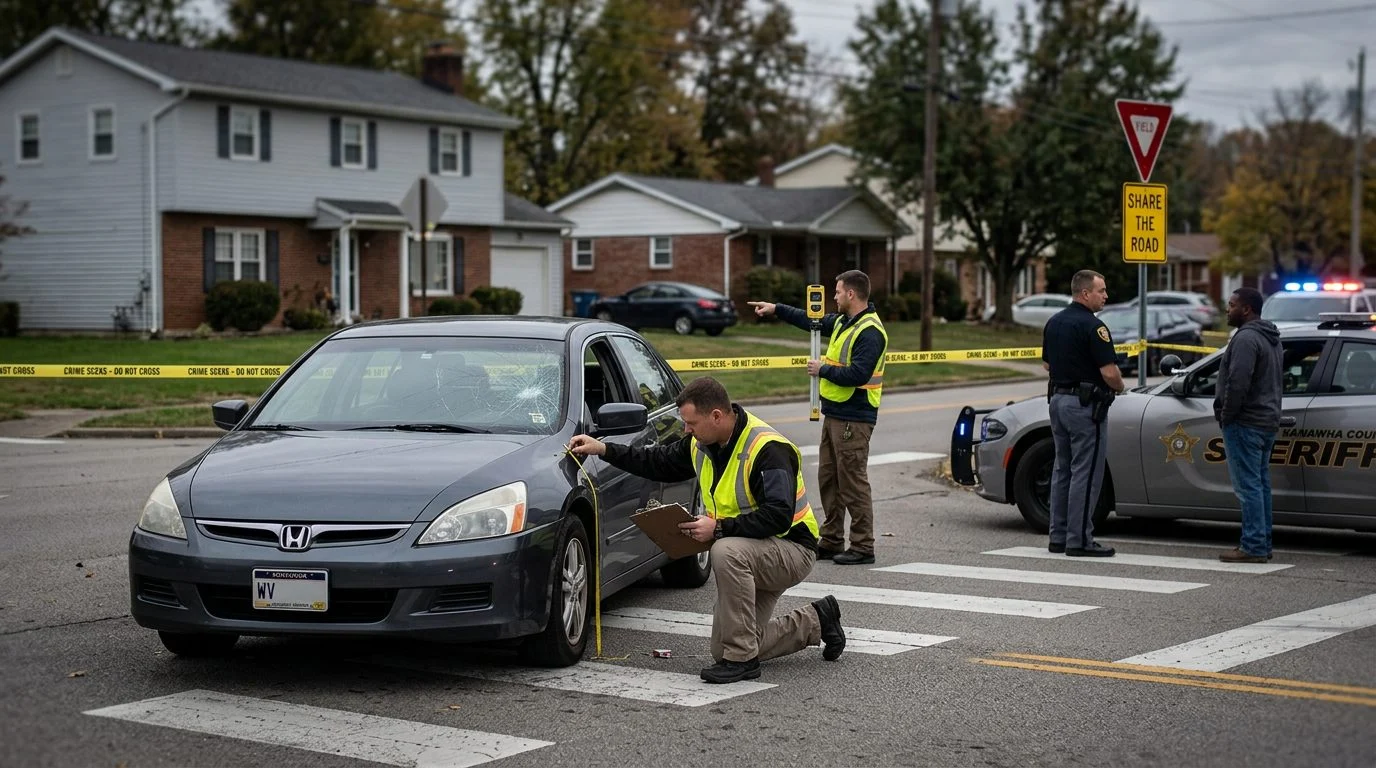
Brain Injury & Car Accidents | West Virginia
Brain Injury After a Car Accident? You Do Not Have to Sort It Out Alone
A serious head injury changes daily life for you and your family. Here is what to think about, and how the firm can help you take the next step.
Published November 13, 2026
If a crash left you with a brain injury and the at-fault driver has since died, you may wonder whether a claim is still possible. West Virginia law may still allow one, although the driver’s death changes how the claim moves forward.
This guide covers the driver’s estate and insurance, your own coverage, how brain injuries are documented, and the deadlines to watch. Outcomes depend on the facts of your crash and on West Virginia law.
What Changes When the At-Fault Driver Has Died
A driver’s death does not automatically end an injured person’s claim in West Virginia. The state’s survival statute says certain injury claims continue, and an action may be brought even after the person liable has died. W. Va. Code § 55-7-8a
For your own injuries, the core questions look much like those in any crash claim. What happened, what injuries you have, what care you needed, and how the crash has changed your work and daily life all still matter.
A brain injury car accident claim adds a practical problem. Memory, attention, and mood changes can make it hard to recall dates and details. Writing things down early can protect the timeline for everyone involved.
Contact from an insurer or the driver’s family can come quickly. Knowing the basic rules early helps you decide what to say and what to hold off on until you understand your options.
The driver’s death changes who may be involved and how a claim moves forward. It does not change your injuries, your care, or the losses you are dealing with.
If the other driver in your crash has died and you are living with a brain injury, a free case review can help you see what may apply to your situation. Talk it through with Big Bubba — the first case review is free, confidential, and carries no obligation.

Who Can Be Pursued: The Driver’s Estate and Liability Insurance
A claim against a deceased driver generally runs through the driver’s estate. The estate is handled by a personal representative, a person formally appointed to act for it. If a lawsuit was filed before the driver died, the case may be revived against that personal representative. W. Va. Code § 55-7-8a
Next is insurance. The driver’s auto liability insurance may be available to pay part or all of a claim, subject to the policy limits. Some insurers may dispute a claim, and policy limits can be lower than the total losses. The West Virginia DMV insurance information page explains the state’s auto insurance requirements, proof of coverage, and minimum liability limits.
Fault can also be shared. If your own fault is not greater than the combined fault of everyone else, your recovery is reduced by your share rather than barred. W. Va. Code § 55-7-13c
If impairment played a role, the law may reach further. Under the same statute, a driver whose impairment by alcohol or drugs was a proximate cause of the damages may be jointly and severally liable.
Estate assets and insurance limits both matter. Their combined value may shape which sources of payment are available in your case.
Your Own Coverage: Uninsured and Underinsured Motorist Protection
Your own auto policy may help when the at-fault driver’s insurance is missing or too low. West Virginia law says motor vehicle policies must include uninsured motorist provisions. These cover sums you are legally entitled to recover from an uninsured driver. W. Va. Code § 33-6-31
Underinsured coverage works a little differently. The statute quoted here defines an underinsured motor vehicle by its liability limits. It also covers cases where those limits have been reduced by payments to others hurt in the same crash.
The statute provides that no sums payable as underinsured motorists’ coverage may be reduced by payments under the insured’s policy or any other policy.
Policies set their own terms. Some include notice steps, and the wording varies from one policy to the next. Check what your policy says about notice, and keep copies of every letter you send or receive.
Whether this coverage applies turns on your policy language and the crash details. A serious brain injury can also bring losses larger than a standard policy’s limits, so knowing your limits early helps.
Proving a Brain Injury When the Driver Cannot Testify
A brain injury is generally proven through medical records, imaging, and your own account. The driver’s testimony is not required to build that proof.
Start with the emergency room record, any imaging such as CT or MRI scans, and follow-up notes from your treating doctors. These records can show diagnoses, symptoms, and the care you needed over time.
Symptoms matter too. Treating providers may document headaches, memory problems, changes in mood or behavior, and trouble concentrating. Some symptoms may not appear until days or weeks after the crash, so report new changes to your doctor.
Other sources can help show how the crash happened. The police crash report, photographs, and witness statements may be relevant to the claim.
If the driver was impaired, criminal records about that impairment may add context. The West Virginia impaired driving information page offers general information about impaired driving.
No single record usually tells the whole story. Medical proof, crash evidence, and your daily account work best together.
Deadlines to Keep in Mind
West Virginia generally allows two years to file a personal injury lawsuit, and exceptions may apply. The general two-year period for personal injury actions appears in W. Va. Code § 55-2-12.
A wrongful death claim runs on its own clock. If the injured person later dies from the crash, W. Va. Code § 55-7-6 generally requires that the action be commenced within two years after the death.
Early timing matters for settlement contact. W. Va. Code § 55-7-11a
Under W. Va. Code § 55-7-11a, certain settlement negotiations, releases, and statements obtained within twenty days of a personal injury, while the injured person is an inpatient or partially or totally unable to work, may be disavowed by the injured person within one hundred eighty days from the date of the personal injury, by a written statement forwarded to the person who violated the section. Any consideration paid may need to be repaid or returned, and the statute’s other conditions may apply, depending on the facts.
Estate steps follow probate timing, which runs on its own schedule. That timing can affect when a claim against the estate can move forward, so ask early about the steps and dates involved.
Evidence to Gather Now
Start with medical records, the police crash report, and a written symptom log. These three items form the base of most brain injury claims.
Medical records should include the emergency room visit, imaging results, referrals, and follow-up notes. Keep every bill and explanation of benefits, since these show what your care has cost you.
Records of missed work help show lost income. Ask your employer for dates missed, pay records, and any notes about changed duties.
Photos of the vehicles, the roadway, and any damage help show what happened. Take them early if you can, and ask who has the vehicles now, since cars can be repaired or sold.
Write down names and phone numbers of anyone who saw the crash. Memories fade, so early notes help.
Keep a daily symptom log. Note headaches, sleep changes, memory lapses, mood shifts, and tasks that now take longer. Memory and concentration problems can make later recall hard, so the log can help both your doctors and your claim.
Not sure what your next step is?
Talk it through with Big Bubba — the first case review is free, confidential, and carries no obligation.
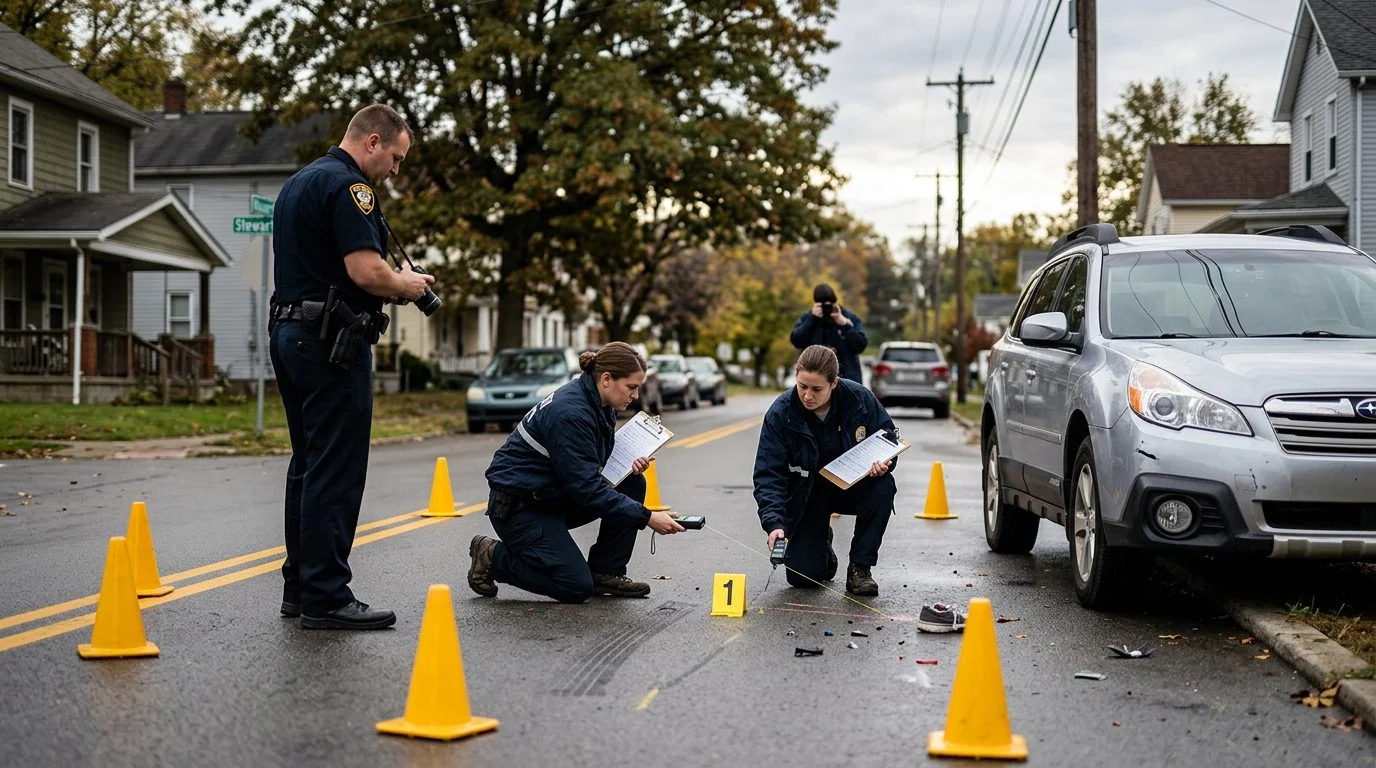
Understanding Your Situation
You can reach out to the firm to discuss how these rules may apply to your situation.
The firm handles car accident, truck accident, commercial vehicle, catastrophic injury, and wrongful death claims. We serve injury victims across West Virginia, including people living with traumatic brain injuries.
Can a brain injury claim continue after the driver dies?
West Virginia’s survival statute generally lets certain injury claims continue after a death. A pending case may be revived against the driver’s personal representative. W. Va. Code § 55-7-8a
How long do I have to file a lawsuit?
West Virginia generally allows two years for a personal injury lawsuit, and exceptions may apply. W. Va. Code § 55-2-12
If the other driver in your crash has died and you are living with a brain injury, request a free case review. We will talk through what may apply to your situation.