
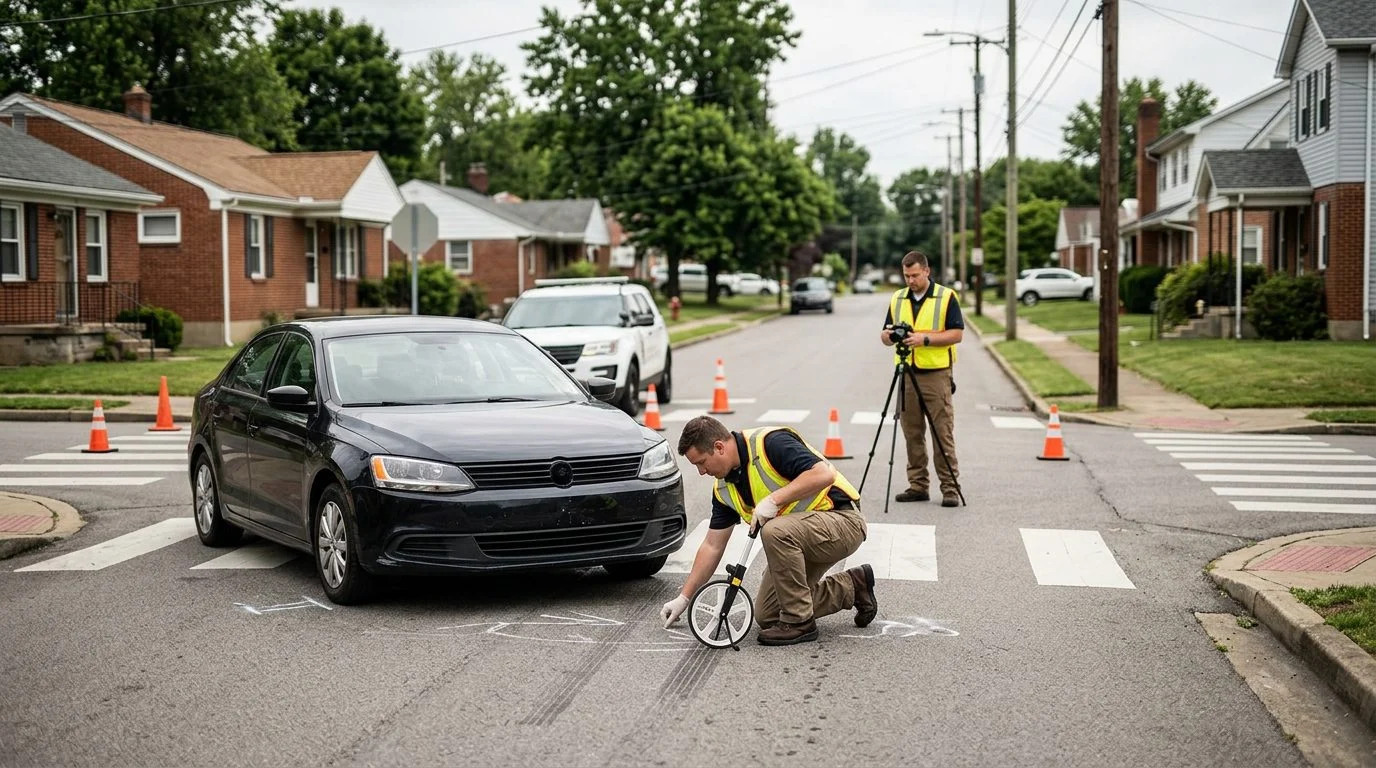
Brain Injury Claims · West Virginia
Hurt in a Crash Where You May Share Some Blame? Talk With Us First.
Big Bubba Injury Law represents people with serious brain injuries from car and commercial truck crashes across West Virginia, including Charleston, Huntington, Morgantown, Wheeling, Martinsburg, Parkersburg, Beckley, Clarksburg, Fairmont and Weirton.
Published October 15, 2026
Generally, a person who was partly at fault for a crash may still pursue a brain injury claim in West Virginia, but any reduction depends on how fault is divided.
Many people searching for brain injury claim partial fault West Virginia answers worry about one question: will their own mistake cancel out their claim? This page explains the general rules, what a claim may cover, and how the process generally works. It is general information, not legal advice about your situation.
What a Brain Injury Claim With Partial Fault Means
Partial fault means the other party may have been careless, and you may have contributed to the crash too.
A traumatic brain injury can follow a car crash or a commercial truck crash, even when the injured person made a mistake. An injury alone does not show who caused the crash or how much fault each person had. Those answers depend on the facts of each crash.
Consider a simple example. One driver runs a red light, and another driver is speeding through the same intersection. Both may have contributed to the crash, and how fault is divided depends on the evidence.
Fault can also reach people who were not in the vehicles, such as an employer, a vehicle owner, or a company that controlled the equipment. Whether any of them may be responsible depends on the facts.
This section is for adults with a brain injury from a crash, and for families when a brain injury leads to death. If you are unsure whether your own actions will affect your claim, the rules below explain the general approach.
Not sure what your next step is?
Talk it through with our team — the first case review is free, confidential, and carries no obligation.
How Shared Fault Generally Works in West Virginia
Generally, West Virginia uses a modified comparative fault rule, which can reduce recovery by an injured person’s share of fault (W. Va. Code § 55-7-13c).
Under W. Va. Code § 55-7-13a, recovery in a personal injury or wrongful death action is generally based on comparative fault. Each person’s liability is allocated in direct proportion to that person’s percentage of fault.
An injured person’s fault generally does not bar recovery unless it is greater than the combined fault of all other persons responsible for the damages (W. Va. Code § 55-7-13c).
If it is less, recovery is generally reduced in proportion to that person’s fault. Fault percentages can affect how a claim is evaluated, and how they apply generally depends on the facts of each case and on any exceptions that may apply. Exceptions may apply.
Fault is generally assessed using crash reports, witness statements, vehicle data, and camera footage. Those records are potentially relevant depending on the facts. Under § 55-7-13d, the fact-finder generally considers the fault of everyone who contributed to the damages, even people who were never named as parties.
A brain injury may affect memory of the crash. For that reason, early preservation of records and witness contact details may be potentially relevant.
What a Brain Injury Claim May Cover
A brain injury claim may generally seek compensation for several categories of loss, depending on the facts.
- Past and future medical care, including emergency, hospital, and follow-up treatment
- Rehabilitation and therapy
- Lost income and reduced ability to earn in the future
- Out-of-pocket costs tied to the injury
- Non-economic losses, such as pain, cognitive changes, and effects on daily life
This page gives no dollar amounts or typical values. The value of any claim depends on the facts, the injuries, and the evidence. How partial fault affects each category depends on the facts of the case.
When a brain injury leads to death, West Virginia law generally allows a wrongful death action. Under § 55-7-6, that action is generally brought by the decedent’s personal representative.
The statute lists damage categories, including sorrow, mental anguish and solace, and reasonably expected loss of income and services.
See the Social Security disability overview.
Have questions about what happened?
Ask our team directly. The first conversation is free, confidential, and there is no obligation to continue.
How a Traumatic Brain Injury Is Documented
Medical records generally form the core of how a traumatic brain injury is documented.
Records from emergency care, hospital admission, and follow-up visits help show the injury’s course over time. Imaging such as CT or MRI scans, and neurological or neuropsychological testing, may be relevant depending on the injury and the findings.
Imaging does not always capture every type of brain injury, so providers generally look at symptoms and testing together. Keeping copies of every bill and visit summary helps keep the record complete.
A symptom journal can record headaches, memory problems, mood changes, and sleep issues. Records of missed work or school, changed routines, and strained relationships may also be potentially relevant evidence.
Treating physicians may give opinions about the cause of the injury and its likely course. Whether more testimony is needed depends on the facts of each case, and this page does not offer a medical diagnosis.
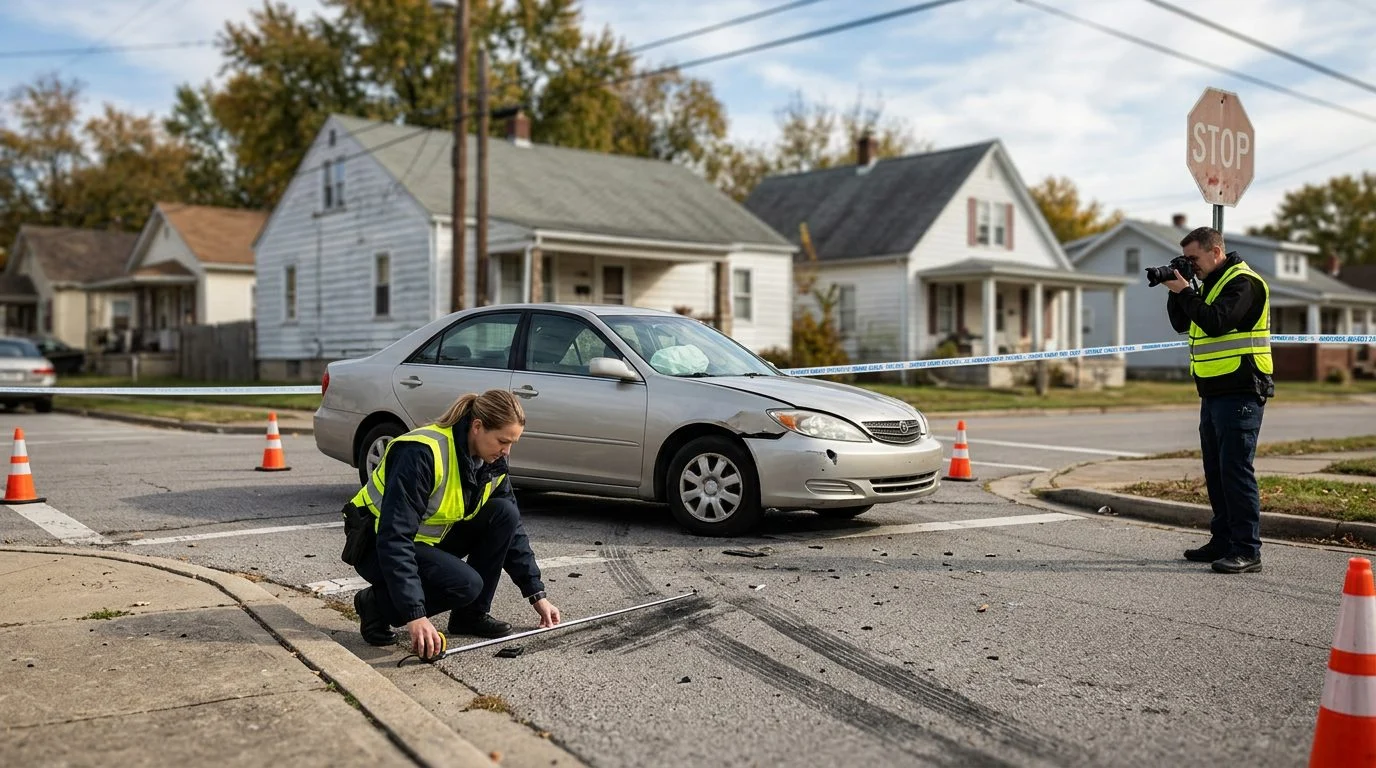
What to Expect: The Claim Process Step by Step
The process generally starts with a free case review, then moves through investigation, presenting the claim, and either negotiation or a lawsuit, depending on the facts.
Step 1: Free case review
You describe what happened, and we discuss the injury and any shared-fault questions. The first case review is free and confidential, with no obligation to continue.
Step 2: Investigation and preservation
We may request crash reports, medical records, and other documents that may be relevant. Early requests help keep evidence available.
Step 3: Identifying responsible parties
Who may be responsible depends on the facts. In commercial truck cases, § 55-7-32 defines an “employer defendant” to include the vehicle’s owner, the operator’s employer, and others with legal control. Whether either theory applies depends on the facts.
Step 4: Presenting the claim
We present the claim to the insurer or other responsible parties. Responses vary and depend on the facts and the policy terms.
Step 5: Negotiation or lawsuit
Generally, § 55-2-12 provides a two-year period for personal injury actions. A wrongful death action is generally commenced within two years after death under § 55-7-6. Exceptions may apply. Missing a deadline may affect the ability to sue, so timing should be reviewed promptly.
How long each step takes is variable and depends on the facts. No specific timeline is promised.
Want to know where you stand?
Tell us what happened and our team will walk you through the options available to you, at no cost.
How Our Firm Handles Brain Injury Claims
Big Bubba Injury Law represents people seriously hurt in car and commercial truck crashes, catastrophic injuries, traumatic brain injury, spinal cord injury, and wrongful death across West Virginia.
This page describes what our firm does today, not past results. We serve injury victims in Charleston, Huntington, Morgantown, Wheeling, Martinsburg, Parkersburg, Beckley, Clarksburg, Fairmont, Weirton, and across the state.
Our support staff helps organize records and keeps clients informed. Our lawyer handles the legal work.
In the free case review, you can share what happened in your own words. We explain the legal options that may be available, depending on the facts. We do not promise any result.
If a crash left you with a brain injury and you are unsure how your own part might affect your claim, tell us what happened and we will go through the facts with you.
Frequently Asked Questions About Partial Fault Brain Injury Claims
Can I still have a claim if I was partly at fault for the crash?
Generally, it may be possible. Under West Virginia’s shared-fault rules, recovery may be reduced, and it is generally barred only if your fault is greater than the combined fault of all others (W. Va. Code § 55-7-13c). Exceptions may apply.
Does a brain injury prove who was at fault?
No. Generally, fault and causation depend on the facts of each crash and are not established by the injury alone.
What if I cannot clearly remember the crash?
A brain injury may affect memory, so early preservation of records and witness information may be potentially relevant.
Does a commercial truck crash change the picture?
It may add parties and records to review, such as an employer or vehicle owner. Who may be liable depends on the facts.
How long do I have to act?
Generally, West Virginia applies a two-year period to personal injury claims, but exceptions may apply. Missing it may affect the ability to sue, so timing should be reviewed promptly.