
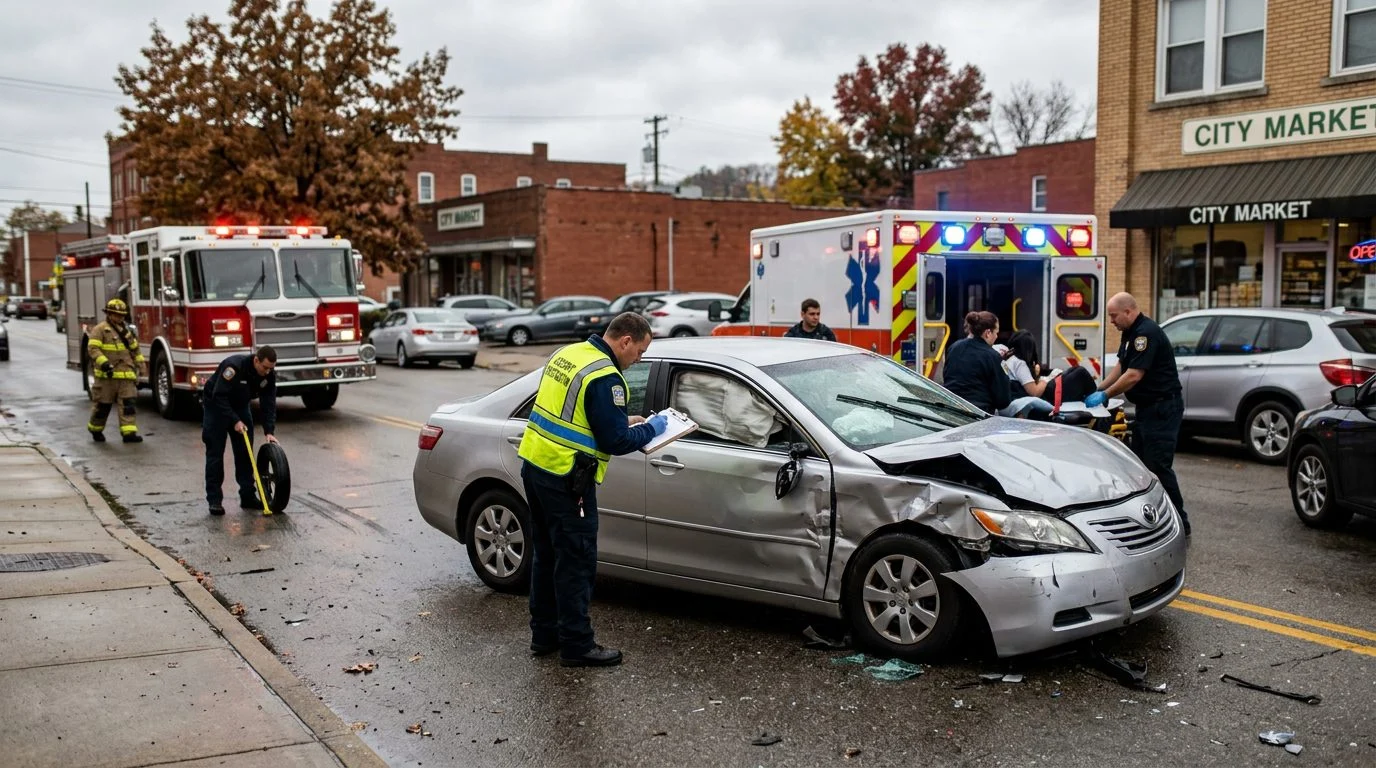
Car Accident Injuries in West Virginia
Broken Bones After a Car Accident? Tell Us What Happened
Big Bubba represents people seriously hurt in car and truck crashes across West Virginia, including families facing a wrongful death. We listen first, then explain what your options may be.
How the Firm Can Help
Focused on Injury Claims
We handle car accident, truck accident, and commercial vehicle claims, including cases involving broken bones and other serious injuries.
Serving All of West Virginia
We serve injury victims and their families throughout West Virginia.
Plain-Language Guidance
We explain the process in clear terms so you understand each step and can make informed decisions.
Reach Out at Your Pace
You can contact the firm by phone or online to talk about what happened, whenever you are ready.
Steps to Take After a Crash
Get Medical Care
Seek evaluation for broken bones and other injuries, even if symptoms seem minor at first.
Document the Scene
Note the date, location, and any crash report number you were given, and keep photos if you can.
Keep Your Records
Save medical bills, prescriptions, and notes about time missed from work or daily activities.
Talk With the Firm
Share what happened so we can review your situation and explain what may apply to your case.
Published November 7, 2026
If a crash in West Virginia left you with a broken bone, you may have a claim. This page explains how a broken bones car accident claim West Virginia residents file usually works, from the fracture itself to the filing deadline. The facts of your crash and your injury shape every claim. Read on to see which records matter, how fault is decided, and what usually comes next.
What a Broken-Bone Car Accident Claim Is and Who It Is For
A broken-bone car accident claim is a personal injury claim. It seeks payment for a fracture that a crash caused. It is usually made against the at-fault driver or that driver’s insurance company.
Drivers, passengers, pedestrians, and motorcyclists hurt in car or truck crashes can bring these claims. Families facing a death after a crash can reach out to the firm to talk about their situation. In a wrongful death case, the claim is brought by the deceased person’s personal representative. The West Virginia wrongful death statute lets the jury award such damages as it may seem fair and just, and requires the jury to state separately the damages awarded for reasonable funeral, hospital, and medical expenses.
The police report and insurance forms are separate from the claim itself. Still, those records often help show what happened. Each claim depends on the facts of the crash, the injury, and the parties involved.
If a broken bone from a crash has you off work and fielding insurance calls, you may have a claim, and the firm can talk it through with you in a free case review. Talk it through with Big Bubba — the first case review is free, confidential, and carries no obligation.
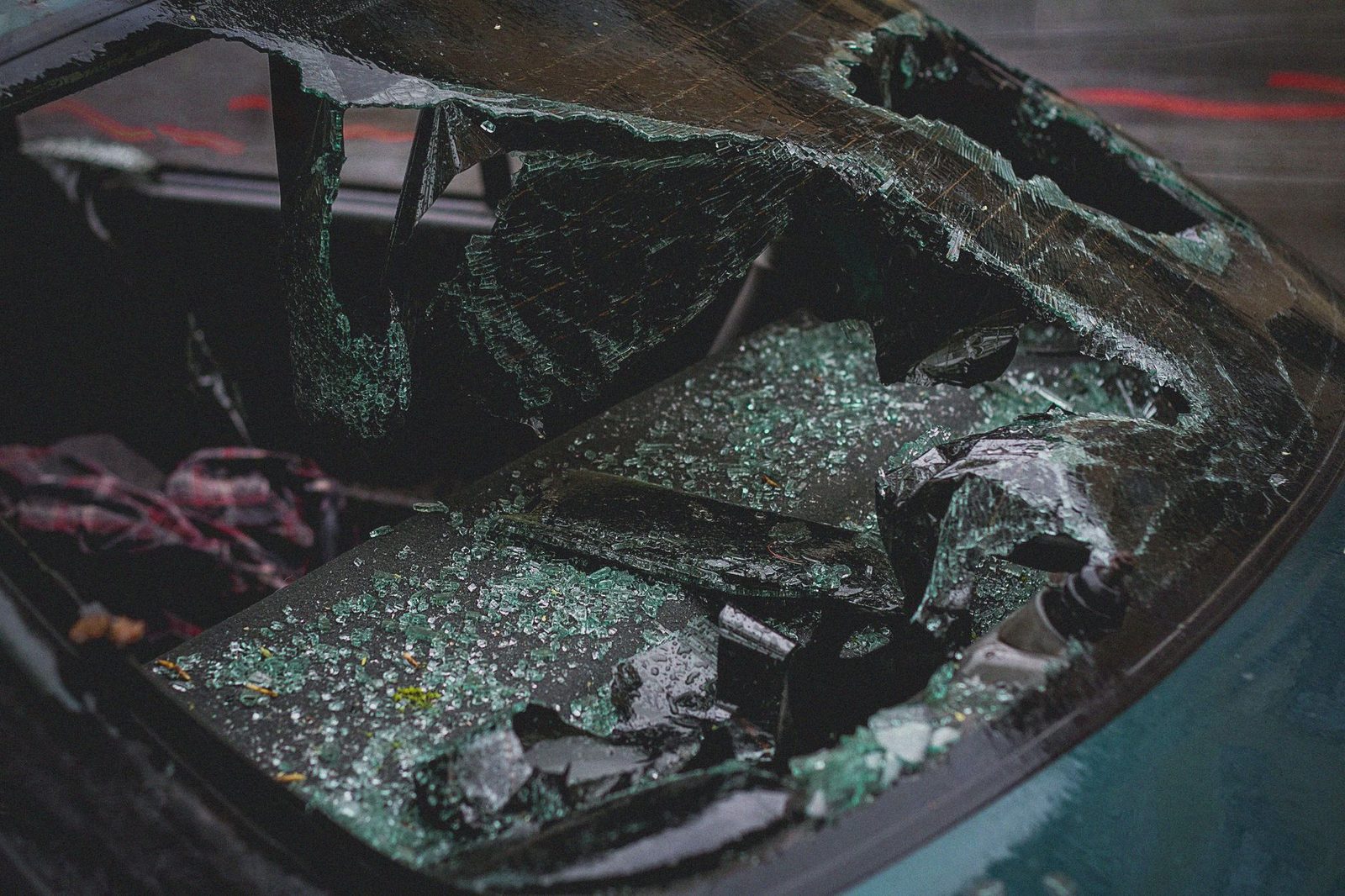
Common Fractures in Car and Truck Crashes
Fractures after crashes often involve the ribs, collarbone, wrist, forearm, ankle, lower leg, thigh bone, pelvis, or facial bones. Each break can affect daily life in a different way.
Vertebral fractures, which are breaks in the bones of the spine, deserve special attention. A spine fracture can overlap with a spinal cord injury claim. The two are related but not the same.
Some breaks are obvious at the scene. Others, such as hairline or stress fractures, may not show on an X-ray until days later. New pain after a crash is worth a medical check, even if nothing looked broken at first.
Truck and commercial vehicle crashes can involve greater force. Higher force may lead to more complex fractures and multiple injuries. Speed adds to the risk. The Insurance Institute for Highway Safety reports that speeding increases crash energy and the likelihood of severe injuries.
How Medical Records Support a Fracture Claim
Medical records are central proof of what broke and how it happened. Emergency room notes, X-rays, CT scans, and surgical reports all matter. Together, they connect the crash to the injury.
Prompt evaluation helps build that record. Insurers may question gaps in treatment, so keep every appointment you can. Keep these records:
- Discharge papers and imaging reports
- Prescriptions and receipts
- Physical therapy notes
- A daily log of pain, limits, and missed work
The Centers for Medicare & Medicaid Services explains how that coordination works.
Establishing Fault and How West Virginia Comparative Fault Works
West Virginia uses a modified comparative fault rule. Under that rule, an injured person may still recover, depending on the facts. Fault is divided by percentage among everyone who contributed to the harm. The W. Va. Code § 55-7-13a sets out this percentage approach.
An injured person’s fault does not bar recovery unless it is greater than the combined fault of all other persons responsible. If it is smaller, the recovery is reduced in proportion to the injured person’s fault. The W. Va. Code § 55-7-13c states this rule.
Evidence of fault often includes the crash report, photos, witness statements, and vehicle data. In truck cases, the driver’s duty-status records may also matter. Federal rules require motor carriers to make drivers record duty status for each 24-hour period, under 49 C.F.R. § 395.8. West Virginia’s commercial vehicle statute, W. Va. Code § 55-7-32, defines which owners, employers, and controlling parties may be “employer defendants.”
Types of Damages Considered in a Broken-Bone Claim
A broken bones car accident claim may seek several kinds of damages. Common categories include:
- Past and future medical care
- Lost wages and reduced ability to work
- Pain and suffering
- Property damage to the vehicle
Future care for a fracture may include orthopedic follow-up, hardware removal, or physical therapy. A treating provider should document those needs in writing. Clear notes help show why future care is needed.
Some insurers may dispute how serious an injury is or whether treatment was needed. Provider notes and a consistent symptom log help answer those questions. How each category is valued depends on the records and the facts of the case.
Deadlines and Filing Time Limits
West Virginia generally allows two years to file a personal injury lawsuit, and exceptions may apply. The W. Va. Code § 55-2-12 sets this limit for personal injury claims. Missing that deadline can bar a claim. Write down the date of the crash early.
Wrongful death claims follow a separate two-year window that starts at the death. The W. Va. Code § 55-7-6 sets that rule, subject to other provisions of law. Claims against a government body, such as a city or county, can follow different timelines. The W. Va. Code § 29-12a-6 addresses those claims and may apply shorter periods.
West Virginia also restricts some settlement contacts in the first twenty days after an injury. That limit applies in certain situations, such as when the injured person is in the hospital or unable to work. W. Va. Code § 55-7-11a restricts certain settlement negotiations within twenty days from the date of a personal injury while the injured person is an inpatient in a hospital or partially or totally unable to engage in his or her usual trade, profession or occupation, and says a settlement made in violation may be disavowed by the injured person at any time within one hundred eighty days from the date of the personal injury by executing a written statement of disavowal and forwarding a copy of the same to the person violating this section, in which case the settlement may not be admissible in evidence, if any consideration paid for the settlement of or the general release of liability for the personal injury, at the time of the forwarding of the copy of the written statement of disavowal, is repaid or returned to the person who paid the consideration. Evidence such as video and vehicle data can also be lost over time.
Not sure what your next step is?
Talk it through with Big Bubba — the first case review is free, confidential, and carries no obligation.
What the Process Generally Looks Like
Most claims move through similar stages, though timing varies from case to case.
- First contact. You reach out, and the firm listens to what happened. The firm offers a free case review of the crash and your injury.
- Investigation. The team gathers the crash report, medical records, and witness statements.
- Treatment and documentation. Care continues while the claim is evaluated.
- Demand or negotiation. The claim is presented to the insurer. If a fair resolution is not reached, a lawsuit may follow.
How long each stage takes depends on the injury, the records, and the parties involved. No fixed timeline applies to every case.
Common Questions About Broken Bones and Car Accident Claims
Questions about these claims usually involve fault, deadlines, and records.
Can I still have a claim if I was partly at fault?
Possibly. Under West Virginia’s comparative fault rules, recovery may be reduced, and in some cases barred, depending on the facts.
How do I get a copy of the crash report?
The investigating agency generally keeps the report. Note the date, location, and any report number you were given.
What if the other driver left the scene?
An unidentified driver can make a claim harder to build. How that plays out depends on the facts.
Does a broken rib from a car accident lead to a claim?
It may, depending on how the crash happened and what the medical records show.
Do I have to give a recorded statement to the other insurer?
Insurers may ask for one. Talking with the firm first can help you decide how to respond.

Next Steps If You or a Loved One Broke a Bone in a Crash
If you are dealing with a fracture, time off work, and insurance calls, you are not facing it alone. Start with a few practical steps:
- Keep every medical follow-up appointment.
- Save records, receipts, and photos.
- Write down what happened while it is still fresh.
- Track the crash date and any filing deadlines.
If you are still deciding whether your injury came from someone else’s fault, you may have a claim worth reviewing. Tell us what happened, and the firm can walk through your crash, injury, and records with you in a free case review.