
Wrongful Death · West Virginia Families
After a Fatal Crash, Funeral Bills Can Add to the Grief
Some families are left sorting through invoices while they mourn. Here is how to think about those costs and where to start.
Published November 19, 2026
Losing someone in a crash brings bills nobody expects. Funeral and burial costs may be part of a wrongful death claim in West Virginia, depending on the facts.
This guide explains which burial costs after a fatal car accident families commonly track, how to keep records, and what may come up with insurers. It is general information, and every crash is different.
Can Funeral and Burial Costs Be Part of a Wrongful Death Claim in West Virginia?
Yes, funeral and burial expenses may be recoverable in a West Virginia wrongful death claim. W. Va. Code § 55-7-6 allows a verdict to include reasonable funeral expenses. The jury must state separately any amount it awards for reasonable funeral, hospital, medical and related expenses.
A wrongful death claim is brought by the personal representative of the deceased person’s estate. That person must be duly appointed. Under W. Va. Code § 55-7-5, a person or corporation whose wrongful act, neglect or default caused a death shall be liable for damages if that act would have entitled the injured person to sue had death not ensued.
The money is not simply paid to whoever holds the bill. The personal representative files the claim, and the statute sets out how any money is shared.
If your family is facing funeral and burial bills after a crash that took a loved one, you do not have to sort out the claim alone. Reach out to us for a free case review. Talk it through with Big Bubba — the first case review is free, confidential, and carries no obligation.

Which Funeral and Burial Costs Families Commonly Track After a Fatal Crash
Families usually track every charge from the first phone call to the final invoice. Common categories include:
- Funeral home services and staff time
- Embalming and body preparation
- Viewing or visitation
- Casket or urn
- Burial plot, vault, and cemetery opening and closing
- Cremation charges
- Transportation of the body
- Obituary and printed materials
- Clergy or officiant fees
Keep a running list, even for costs paid before any claim is filed. A list started on day one is easier to match to receipts later, when details have blurred.
Funeral homes often provide an itemized statement. Match each line to a receipt. Circle anything unclear and ask the home to explain it in writing.
Cremation Versus Burial: How the Choice Affects Your Records
Cremation and burial create different line items, so the paperwork looks different for each. A burial often includes a plot, a vault, grave opening and closing, and a marker. A cremation often includes the crematory charge, an urn or container, and sometimes a memorial service.
Keep the signed funeral contract and the cremation or burial authorization with the receipts. These papers show what the family agreed to buy and when. If the plan changes, keep the amended contract too.
Families often forget smaller items, such as extra copies of the death certificate or flowers. Keep receipts for those too, and label any optional items as optional. This helps later when the family must explain each line.
Will Health Insurance or Other Benefits Pay for Funeral Costs?
Whether a health plan or another benefit pays funeral bills depends on that plan’s own terms. Families often ask about Medicare. Program rules and plan terms differ, so the written benefit summary is the place to start.
Some families have a burial policy, a life insurance policy, or an employer benefit that pays part of the funeral bill. Look for those papers early. Note the policy number, the claim form, and any deadline printed on the form.
If another source pays part of a bill, that payment may change how the family documents the remaining balance. Keep the payment record and a copy of any letter from the payer.
How to Keep Funeral and Burial Receipts for a Claim
Keep itemized invoices, signed contracts, and proof of every payment in one folder. Make copies before you send anything to anyone. A simple checklist helps:
- Itemized funeral home invoices and the final statement
- Signed contracts and any amended versions
- Cancelled checks, card statements, and bank records showing who paid and when
- Receipts from cemeteries, crematories, florists, and clergy
- A copy of the death certificate
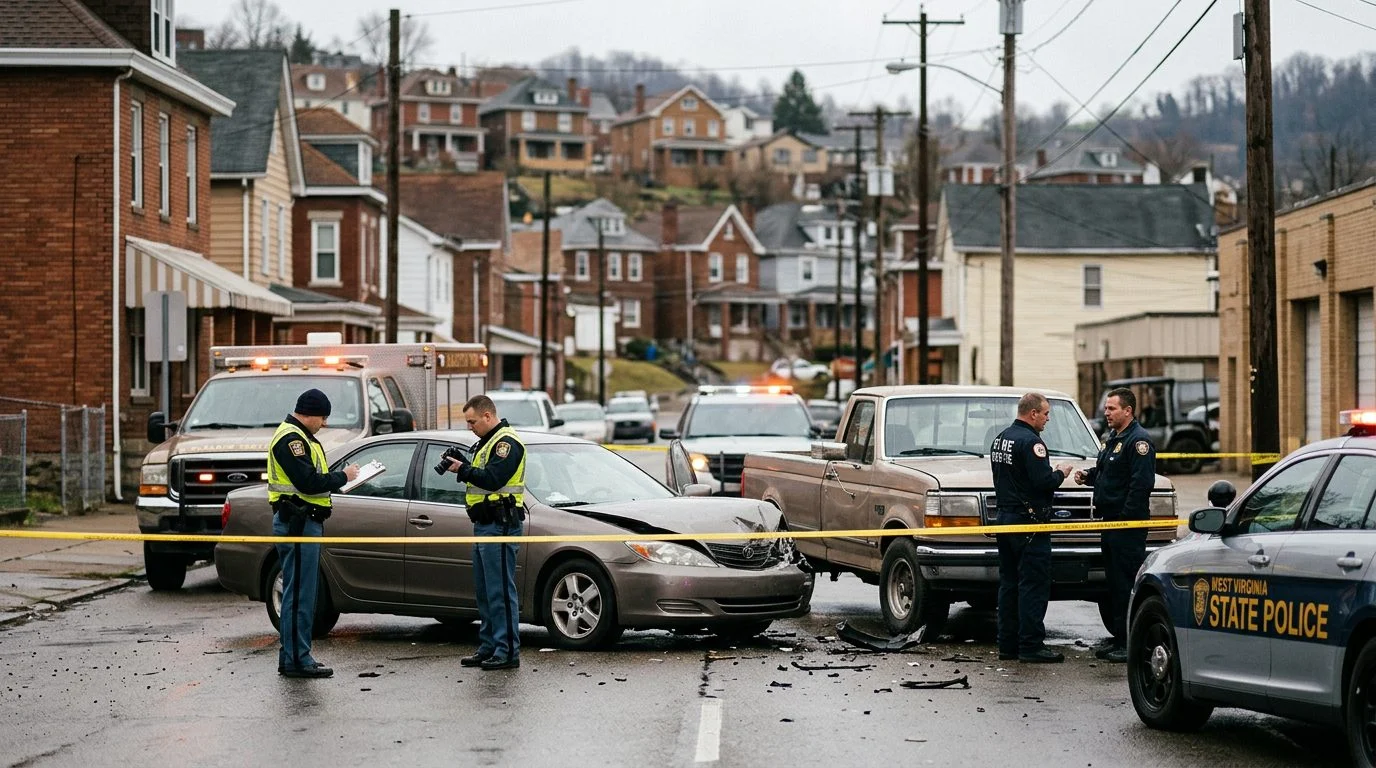
- The crash report number and the name of the investigating agency
The crash report deserves early attention. Under W. Va. Code § 17C-4-7, for a crash on public streets or highways resulting in bodily injury to, or death of, any person or total property damage of $1,000 or more, the investigating officer must prepare a crash report within 24 hours after finishing the investigation. The same section requires the officer, on request, to provide owner, operator and insurance information to the other parties, at no cost, within 24 hours.
If a relative paid a bill personally, that person should keep proof of payment. Write the date and amount on each receipt.
When Insurers May Dispute Funeral Bills
Some insurers may question funeral and burial charges. Organized records are the usual way families respond.
A question about one line item is not the same as a denial of the whole claim. Sort the bill into two groups. Put basic services, such as transportation and necessary paperwork, in one group. Put optional extras, such as upgraded caskets or printed programs, in the other.
Write a short note beside each group explaining why the item was needed. Note which charges came from the funeral home and which came from a separate vendor.
Keep communication in writing when you can. Save emails and letters. Record the name of each person you speak with and the date of each call. A dispute can take time, so stay organized and keep copies of everything.
Not sure what your next step is?
Talk it through with Big Bubba — the first case review is free, confidential, and carries no obligation.
Other Losses and Time Limits in a West Virginia Wrongful Death Claim
Funeral costs are one part of a wrongful death claim, not the whole claim. W. Va. Code § 55-7-6 also lists sorrow, mental anguish and solace. It includes compensation for reasonably expected loss of income and of the services, protection, care and assistance the person provided. It also covers care and hospital expenses tied to the injury.
W. Va. Code § 55-7-8 addresses a separate cause of action for damages between the injury and the death. Whether a particular bill fits depends on the records.
West Virginia generally requires a wrongful death action to begin within two years after the death (W. Va. Code § 55-7-6). Exceptions may apply. Waiting to learn your options can use up time you may need.
West Virginia also applies comparative fault. Under W. Va. Code § 55-7-13a, recovery follows each person’s percentage of fault. If a truck or another driver is involved, more parties and more records may need review.

What Families Should Know After a Fatal Crash
Many families face the funeral bill question in the days after a burial or cremation. Paperwork and grief often arrive at the same time. If you are holding bills and wondering whether a claim makes sense, you do not have to sort it out alone.
We handle wrongful death claims and car and truck accident claims for families across West Virginia. You can request a free case review, which is confidential and carries no obligation to continue. Reach out to the firm to talk about your family’s situation.