
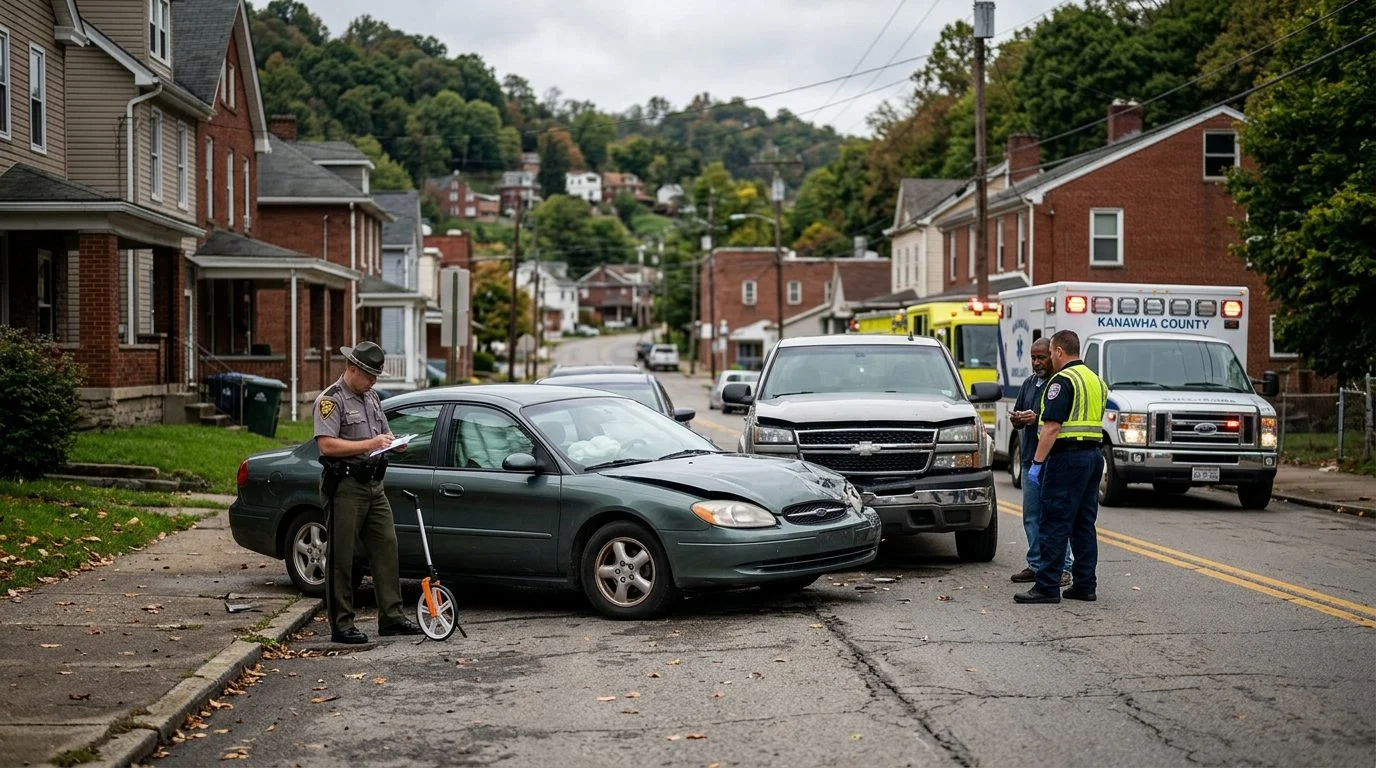
Brain Injury Claims | West Virginia
A serious crash can change how the brain works. Here is what to know.
Brain injuries are not always obvious at the scene, and the steps you take early can matter.
Published November 17, 2026
Waiting to learn what a crash did to your brain is hard. You may be worried about memory, mood, or thinking, and nobody can tell you the answer yet.
Can a car accident cause permanent brain damage? In some cases, yes. Whether an injury lasts is usually clear only over time, not on the day of the crash. This page explains what “permanent” means, how doctors judge it, and what West Virginia families should know about the legal side.
What Permanent Brain Damage Means After a Car Accident
Brain damage means the brain tissue, or the connections between brain cells, has been physically changed by an injury. Permanent means doctors do not expect that change to heal.
Doctors call a blow or jolt to the head a traumatic brain injury, or TBI. Its effects may be long-lasting and may not be obvious right after an accident, according to a PMC review of brain injury care.
That is why the word permanent is a medical judgment made over time. It is not a label anyone can set on the day of the crash.
Not every brain injury is permanent. Some symptoms fade as the brain recovers. Others may stay. Finding out which group you or your loved one falls into takes follow-up care and patience.
Many families hear the word “brain” in the emergency room and then hear little after that. Ask the treating team to explain, in plain words, what they found and what they are still watching. For a broader overview of these injuries, see our traumatic brain injury information.
If a crash left you or someone you love with memory gaps or personality changes, we can talk through what that may mean in a free case review. Talk it through with Big Bubba — the first case review is free, confidential, and carries no obligation.
How a Car Crash Can Cause Lasting Brain Injury
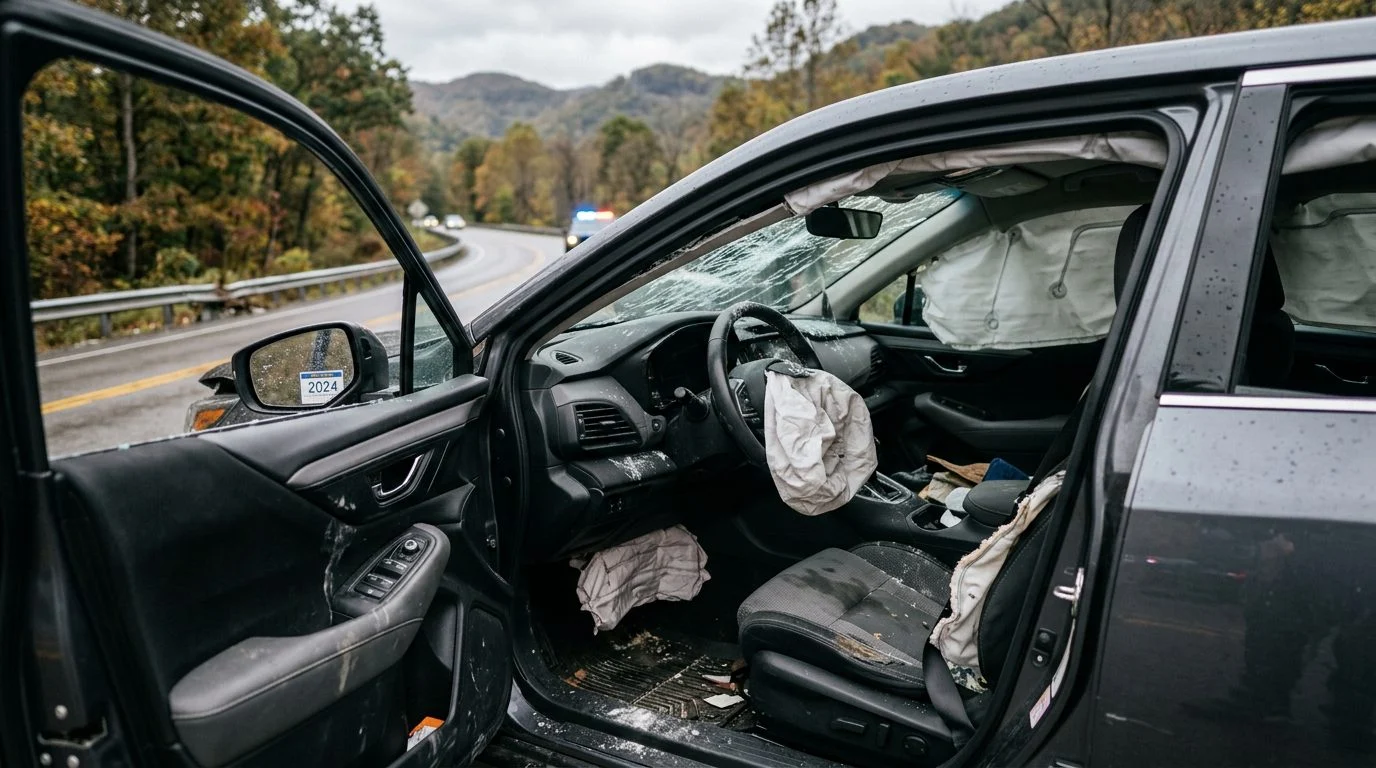
A crash can cause lasting brain injury when the head stops suddenly and the brain moves inside the skull. The brain is soft and sits in fluid, so a hard stop can push it against the bony skull.
Doctors describe two common patterns. A coup injury bruises the brain on the side that struck the skull. A contrecoup injury bruises the opposite side, where the brain hits the skull on the rebound. Both can happen in the same crash.
Diffuse axonal injury is different. Nerve fibers, called axons, are stretched or torn across wide areas of the brain. This kind of injury may not show clearly on some routine scans, so a normal early scan does not always rule it out.
Concussion is a form of mild traumatic brain injury. Mild injuries can be difficult to diagnose, according to the PMC review of brain injury care. Many people with a concussion improve over time, though some symptoms may last longer.
A brain injury can happen even without a direct head strike. That is why a person who feels fine after a crash should still get a medical check.
How to Tell Whether Brain Damage Is Permanent
No single test on the day of a crash settles whether brain damage is permanent. Doctors piece the answer together over weeks and months.
They usually look at several things together. These include imaging such as CT or MRI scans, a neurological exam that checks strength, reflexes, balance, and thinking, and how symptoms change over time. A symptom that improves tells a different story than one that stays the same or gets worse.
When symptoms last past the expected recovery window, doctors may order more testing. Neuropsychological testing measures memory, attention, language, and reasoning. Follow-up imaging may also help. These tests can show patterns that a quick exam misses.
Ask the treating physician directly which findings are considered lasting and what follow-up is planned. Write down the answers. Clear notes help you and your family track what is changing.
Signs of Brain Damage After a Car Accident
Common signs include a headache that does not go away, confusion, trouble with memory or concentration, dizziness or balance problems, sleep changes, sensitivity to light or noise, and mood or personality changes.
Family members often notice these changes before the injured person does. A spouse may say the person repeats questions, seems irritable, or has stopped managing bills the way they used to.
Symptoms can appear hours or days after the crash. A person who seemed fine at the scene should still be checked by a medical professional, especially if the head was struck or the person lost consciousness, even briefly.
Get emergency medical care right away for these warning signs: a worsening headache, repeated vomiting, a seizure, pupils of different sizes, slurred speech, new weakness, or drowsiness that becomes hard to wake.
How Long the Brain Takes to Heal After a Car Accident
There is no fixed timeline. Recovery depends on the severity of the injury, the person’s age, prior health, and the type of injury involved.
Many people with mild injuries improve over weeks to months. Some people keep having symptoms for longer. A slow recovery does not automatically mean the damage is permanent, and a fast recovery does not rule out lasting effects.
Two habits help. First, keep a simple symptom journal with dates, what you noticed, and what made things better or worse. Second, go to every follow-up appointment, even when you feel better. Those records show the treating team how the injury is changing over time.
Bring the journal to each visit. Short, specific notes are more useful than general statements like “he’s not himself.”
Do People With Brain Damage Know They Have It?
Sometimes they do not. Some people with brain injuries have reduced awareness of their own deficits. Clinicians call this anosognosia, and it can occur with certain brain injuries.
This can make the injury harder to manage. A person may feel fine, skip therapy, or insist they can drive or work when others see problems. The change may not be something the person can notice from the inside.
Family members, coworkers, and friends are often the first to notice changes in memory, temper, or judgment. Their observations matter. Write down specific examples with dates, and share them with the treating physician. Clear notes give the medical team more to work with than general impressions.
Not sure what your next step is?
Talk it through with Big Bubba — the first case review is free, confidential, and carries no obligation.
Related Injuries and When a Claim May Involve a Family
A car crash can cause more than one kind of injury. Spinal cord injury is one example, and it can happen alongside a brain injury.
Spinal cord injury can result in lasting effects. According to MedlinePlus, car accidents can cause spinal cord injury, which may result in permanent paralysis, loss of function, or loss of sensation below the injury site. The Christopher & Dana Reeve Foundation fact sheet notes that the level and severity of the injury affect function, and that there is no proven definitive cure.
Can a car accident cause spinal cord injury?
Yes. MedlinePlus lists car accidents as a cause, and the resulting injury may be permanent.
How long do I have to file a claim in West Virginia?
West Virginia generally allows two years to file a personal injury lawsuit, and exceptions may apply, under W. Va. Code § 55-2-12. A wrongful death action generally must be started within two years after the death, under W. Va. Code § 55-7-6. W. Va. Code § 55-7-6 reads: “The provisions of this section shall not apply to actions brought for the death of any person occurring prior to July 1, 1988.”
Under W. Va. Code § 55-7-13a, comparative fault is expressed as a percentage, and each person’s share of liability is allocated in direct proportion to that person’s percentage of fault. Under W. Va. Code § 55-7-13c, a plaintiff’s fault does not bar recovery unless it is greater than the combined fault of all other persons responsible. Otherwise, the recovery is reduced in proportion to the plaintiff’s share of fault.
If another driver was at fault, the injured person or family may have questions about who is responsible. Those questions turn on the facts of each case, and a lawyer can review them with you.
Under W. Va. Code § 55-7-6, the jury’s verdict shall include, but may not be limited to, damages for sorrow, mental anguish, and solace, reasonably expected loss of income and services, care, treatment and hospitalization expenses, and reasonable funeral expenses.
Telling the Firm What Happened
If a crash left you or someone you love with headaches, memory gaps, or personality changes, you are probably waiting on answers you did not expect to need. You do not have to sort out the medical and legal questions alone.
The firm handles car accident, truck accident, and commercial vehicle accident claims. It also handles catastrophic injury, traumatic brain injury, spinal cord injury, and wrongful death matters. We serve injury victims across West Virginia.
If you want to talk through what happened, reach out to the firm to request a free case review. It is a confidential first meeting with no obligation to continue.