
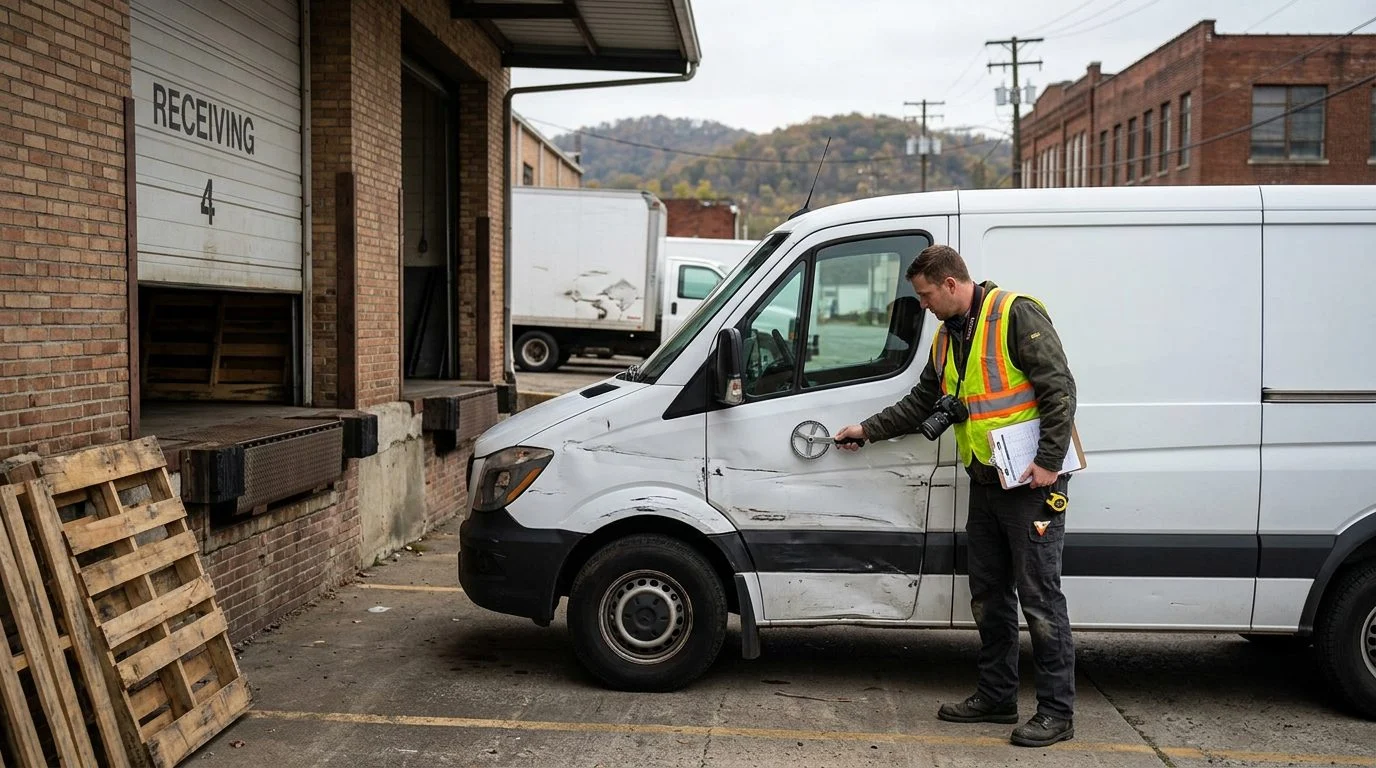
Car and Truck Accident Claims | West Virginia
Hurt by Another Driver? Understand Your Options in West Virginia
Plain-language answers for injured people and families, from a firm that focuses on serious crash injuries.
Published November 11, 2026
If you were hurt in a crash, you may be wondering whether you can hold the other driver responsible while you’re still recovering and an insurer is calling.
West Virginia generally allows an injured person to bring a negligence claim, and the facts of each crash shape what happens next. This page explains the main pieces in plain language.
Yes, a driver can generally sue another driver after a crash
A person hurt in a crash may generally bring a claim against the driver whose negligence caused it. Running a red light, drifting into another lane, or following too closely are common examples that may support a claim.
A lawsuit is only one possible path. Some people start with a claim to the at-fault driver’s insurance company, which may settle the matter without court. Which path fits may depend on the injuries, the losses, and who was involved. For more on vehicle claims, see our car accident claims page.
If another driver's crash has left you hurt and the details are still being argued, you don't have to sort it out alone, and we can talk through what may apply. Talk it through with Big Bubba — the first case review is free, confidential, and carries no obligation.
How fault is decided in a West Virginia crash
Fault is usually decided by evidence, not by who tells the story first. Insurers and courts often look at the police report, photos of the vehicles and scene, witness statements, damage patterns, traffic signals, and each driver’s account.
West Virginia’s comparative fault statute defines comparative fault as the degree to which a person’s fault was a proximate cause of an alleged personal injury or death or damage to property, expressed as a percentage (W. Va. Code § 55-7-13a). Under W. Va. Code § 55-7-13a, recovery is based on each person’s share of fault, expressed as a percentage. The percentages for one incident must total either zero or 100 percent. Fault is also considered for everyone who contributed, not only the people named in a suit, as W. Va. Code § 55-7-13d explains.
Here is a simple example. Suppose a court found you 50 percent at fault and the other driver 50 percent. Under W. Va. Code § 55-7-13c, your fault generally bars recovery only when it is greater than the combined fault of everyone else. Under W. Va. Code § 55-7-13c, a plaintiff’s own fault generally does not bar recovery unless it is greater than the combined fault of all other persons responsible for the damages, and any recovery is then reduced in proportion to the plaintiff’s degree of fault. The section does not apply to certain statutes it lists.
Sometimes the other driver denies the facts or says you caused the crash. A dispute does not end a claim by itself. It does make records like photos and witness names more important.
Can you sue even if you feel bad for the other driver?
Yes, feeling sorry for the other driver does not by itself decide whether a claim exists. Many people hesitate to sue someone they know, such as a neighbor, a coworker, or a friend. Some hesitate even with a stranger who made an honest mistake.
A lawsuit asks a narrower question. It asks who was responsible for the harm, and what losses followed from it. Sympathy for the other person is a real feeling. It can sit alongside a claim for your own injuries, bills, and lost income.
Stress and guilt after a crash are also common. Some people feel anxious, have trouble sleeping, or keep replaying what happened. Those reactions are worth raising with a doctor or counselor. You can read more about emotional trauma after a crash.
Can you sue the other driver’s insurance company?
Often, an injured person first presents a claim to the at-fault driver’s liability insurer. A lawsuit against the driver is a separate step.
West Virginia sets minimum amounts a driver must be able to pay for a crash. W. Va. Code § 17d-4-2 lists $25,000 for one person’s injury or death and $50,000 for two or more people in one accident. Those minimums may be lower than the losses from a serious injury.
Your own policy may include uninsured or underinsured motorist coverage, which W. Va. Code § 33-6-31 addresses. Some insurers may dispute fault, the value of a claim, or how serious the injuries are. Early contact has limits, too. If you have a concern about how an insurer handles a claim, the West Virginia Offices of the Insurance Commissioner accepts complaints.
Can a vehicle owner be sued for another driver’s accident?
In some situations, yes. Owner responsibility often turns on how the car was being used, who gave permission, and what the facts show about the driver.
If that person’s driving then caused injury, the question may come up in court.
Permission and the driver’s history are often central. Whether the car was used for a business purpose can also matter. A company-owned vehicle raises separate questions, which are covered in the employer section below. For general vehicle claims, see our car accident claims page.
When both drivers were hurt or share some fault
Yes, both drivers may have claims if the other driver’s negligence contributed to the crash. Shared fault changes how much each person can recover, so it deserves a careful look.
Under the comparative fault rule in W. Va. Code § 55-7-13a, each person’s share is set by percentage.
Under W. Va. Code § 55-7-13c, each defendant is generally liable for the share of fault assigned to them. In plain terms, each defendant usually pays a share, not the whole amount. The statute also lists exceptions, including certain conduct such as driving under the influence, which can lead to joint and several liability.
Accurate records help show each driver’s role. Photos, witness names, and the police report are good places to start.
Not sure what your next step is?
Talk it through with Big Bubba — the first case review is free, confidential, and carries no obligation.
Can you sue a trucking company or employer when a company driver hits you?
Often, when a driver was working at the time of a crash, the company may also be part of a claim. A legal idea called respondeat superior, meaning an employer may in some situations be responsible for an employee’s work-related negligence, may apply.
West Virginia’s commercial vehicle statute defines an “employer defendant” to include the owner of a commercial motor vehicle, the operator’s employer, and any entity holding legal control over the vehicle or driver. W. Va. Code § 55-7-32 provides a limit on noneconomic damages, but that limit is not available to an employer defendant without commercial motor vehicle insurance of at least $3 million for each occurrence, and the section does not apply where an operator or driver is found to have met certain conditions listed in it. The same statute limits certain noneconomic damages in some commercial vehicle cases. It also lists situations where that limit does not apply, including some hours-of-service violations.
Truck claims often involve more records than car claims. Federal rules set hours-of-service limits for property-carrying drivers. Carriers must keep a driver qualification file, and false reports of duty status are prohibited. These records may be relevant in a given crash. You can learn more on our truck accident claims and commercial vehicle crash claims pages.
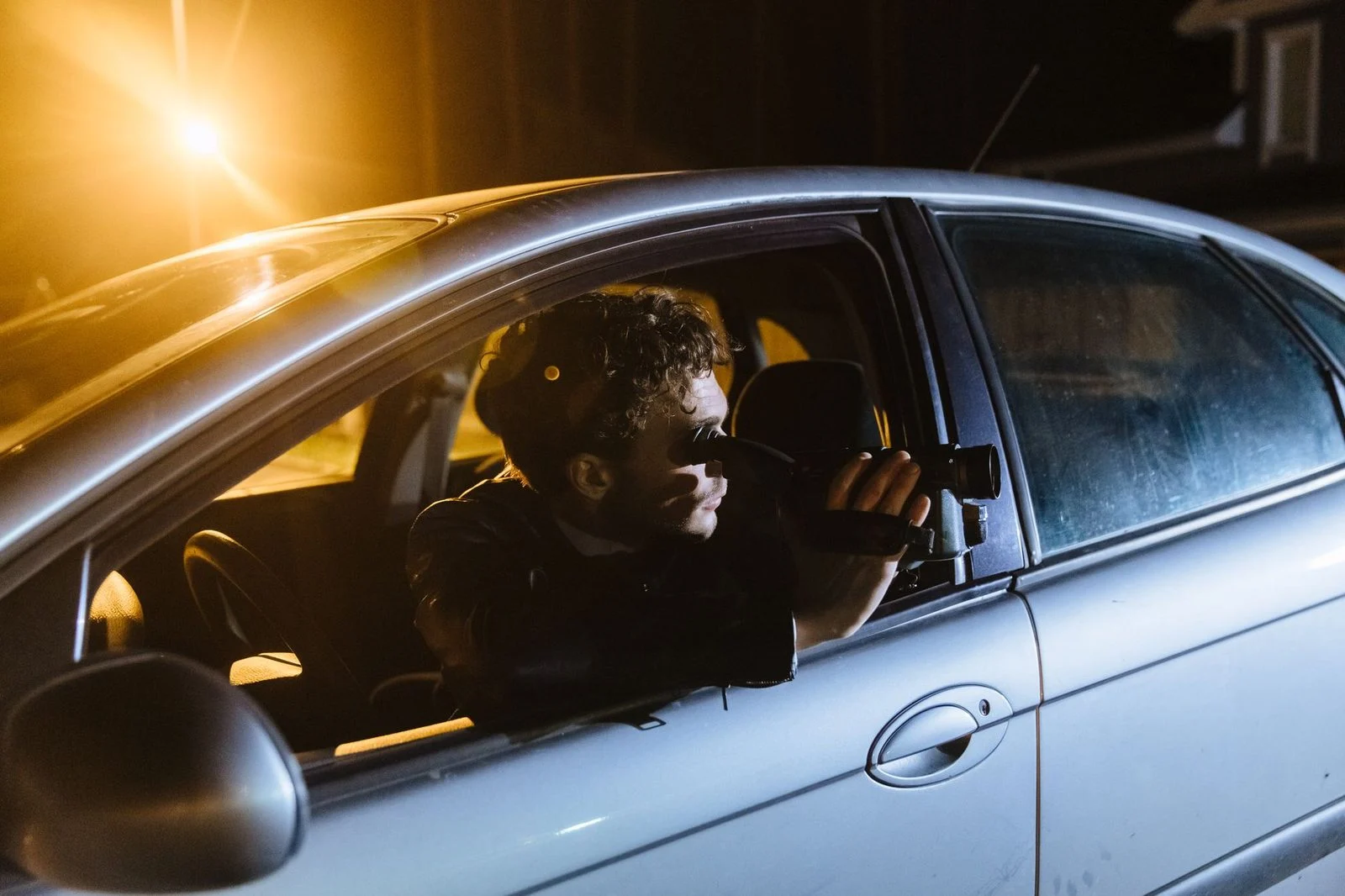
What to document after being hit by another driver, and deadlines to keep in mind
Start by preserving records, because they are often the first thing lost. Keep the police report, photos of the vehicles and scene, witness names and phone numbers, medical records and bills, and a written log of missed work. The reporting agency sets its own copy fee for the crash report.
Missed work is often hard to reconstruct later. Guidance on documenting lost work can help you organize it from the start.
West Virginia’s filing deadline is a key date. W. Va. Code § 55-2-12 says a personal injury action generally must be brought within two years after the right to sue accrued. The same section sets a two-year period for property damage claims. Exceptions may apply, so the details matter. For property damage timing, see our property damage deadline page.
Acting sooner can help keep evidence available. Video may be overwritten, and witnesses’ memories fade over time. If you were hurt and the other driver’s account doesn’t match yours, you don’t have to sort it out by yourself. Serving Charleston and Huntington injury victims and families across West Virginia, we can talk through what may apply to your situation. You can request a free case review whenever you’re ready.