
West Virginia Spinal Cord Injury Claims
Can You Work After a Spinal Cord Injury From a Car Crash?
Work after a spinal cord injury depends on more than the diagnosis. Here is how medical limits, daily function, and the demands of your job come together.
Published November 17, 2026
If you’re asking whether you can work after a spinal cord injury from a car accident, the short answer is that it depends. Three things matter most: the level and completeness of the injury, the physical and mental demands of the job, and the medical restrictions a doctor sets.
This page explains each of those pieces in plain words. It also covers how lost work ability is documented in a West Virginia injury claim, and which records help show the change.
What a spinal cord injury is and why the level matters
A spinal cord injury damages the bundle of nerves that carries signals between the brain and the rest of the body. The spinal cord has three layers of protection, and fluid surrounds it to cushion against shock, according to the National Institute of Neurological Disorders and Stroke.
Nerves leave the cord in sections named by location. Cervical nerves (C1 to C7) reach the neck, shoulders, arms and hands. Thoracic nerves (T1 to T12) run through the upper mid-back and reach the chest muscles, some back muscles and many organ systems.
A T10 spinal injury sits in the thoracic, or mid-back, region. Signals below the injury point may be disrupted, so a T10 injury may affect the trunk and legs more than the arms. Higher injuries can reach breathing, too.
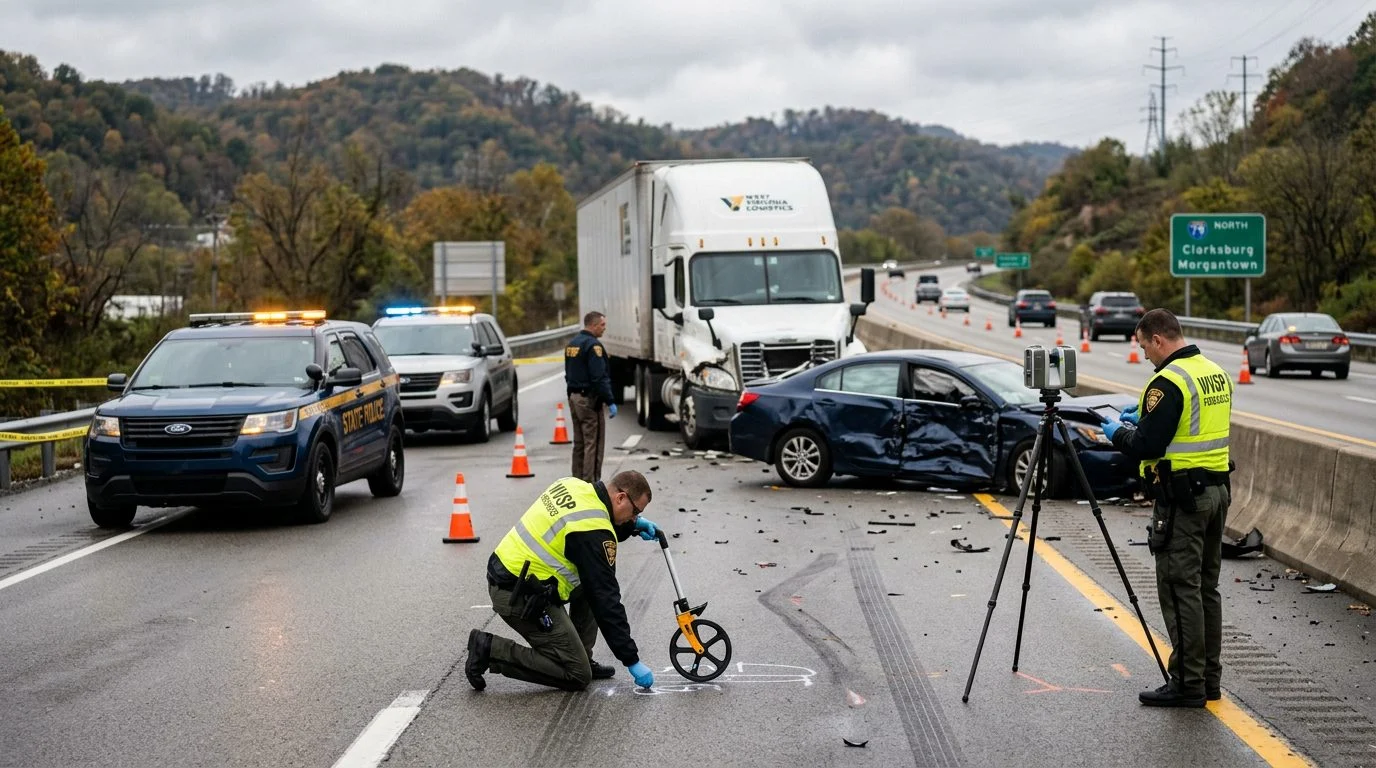
A car crash is one way these injuries happen. MedlinePlus states that car accidents can cause spinal cord injury, which may result in permanent paralysis or loss of function below the injury site.
If a spinal cord injury from a car crash has changed your work, the firm can talk with you in a free case review, so you don't have to sort out these questions alone. Talk it through with Big Bubba — the first case review is free, confidential, and carries no obligation.
Complete and incomplete spinal cord injuries
A complete injury blocks function below the injury site. An incomplete injury lets some signals still pass through the damaged area.
The Christopher & Dana Reeve Foundation fact sheet on diagnosis and prognosis explains how these two types differ. It also describes how injury level and severity shape function and walking.
Function can change in the months after an injury. Doctors track those changes through repeated exams, so the medical record shows what is shifting over time. Keep a copy of each evaluation summary, because those notes become the starting point for any work discussion.
Two people with injuries at the same level can have very different work pictures. One may keep some hand function, while the other may not. The medical records, not a label, usually decide which limits apply.
Types of paralysis and what they can mean day to day
Paraplegia affects the lower body and legs. Tetraplegia, also called quadriplegia, affects the arms, hands, trunk and legs.
Paralysis can be partial or complete. Its effect on work depends on which functions are lost. Several day-to-day limits matter a lot on the job:
- Hand function, which affects typing, gripping tools and handling paperwork.
- Balance and sitting tolerance, which affect standing jobs, driving and long shifts.
- Bladder and bowel control, which can limit how long someone can stay away from a bathroom.
- Fatigue, which can wear down a full workday.
Treatment plans vary by person and by injury. A rehabilitation team usually guides them, and they may include physical and occupational therapy, mobility equipment and ongoing medical care.
How a spinal cord injury can affect the ability to work
Whether someone can keep working depends on the injury, the job’s physical demands and the restrictions a doctor sets.
Jobs that require heavy lifting, long periods of standing, driving or climbing may no longer fit. Desk-based work can still be possible for some people, even when physical tasks are out of reach.
Fatigue, pain, and changes in memory or focus can also matter. These may affect concentration and pace, even when the job is physically light.
A return to work may happen in several ways. Some people return to the same job with accommodations. Others move into a modified role or a different field. These options are usually discussed with the treating medical team and, where relevant, the employer.
A written work restriction from a doctor is often one of the most important records in this area.
Lost earning capacity in a West Virginia car accident claim
Lost earning capacity is the reduced ability to earn over time because of an injury. It differs from lost wages.
Lost wages cover income missed from the crash date forward. Lost earning capacity looks further ahead. It considers medical limits, work history, education, training and the job market for the person’s skills.
Some insurers may dispute a claim or how large a loss is. Records that show work history and the injury’s effect on work carry weight for that reason.
West Virginia generally allows two years to file a personal injury claim, and exceptions may apply. Under W. Va. Code § 55-2-12, that period runs from when the right to bring the action accrued.
West Virginia also uses comparative fault, which means each person’s share of fault is counted. Under W. Va. Code § 55-7-13c, a plaintiff’s fault generally does not bar recovery unless it is greater than the combined fault of all other persons. Otherwise, recovery is reduced in proportion to the plaintiff’s share.
Records that help show what work looked like before and after the crash
The most useful records show what the job paid and required before the crash, and what the injury limits now.
Before the crash, useful records include:
- Pay stubs, W-2s or tax returns.
- Job descriptions and performance reviews.
- Employer messages about schedule, duties or pay.
Since the crash, useful records include:
- Medical records and written work restriction notes.
- Physical therapy and occupational therapy notes.
- Any functional capacity or vocational evaluation.
A simple log helps, too. Note missed work, appointments and symptoms, with dates. Memory can be hard after a serious injury, and a log gives a clearer picture of what has changed.
Not sure what your next step is?
Talk it through with Big Bubba — the first case review is free, confidential, and carries no obligation.

Deciding what to do next after a spinal cord injury
The next decision is whether the injured person can return to the same job, needs a different role, or needs help understanding how the crash may affect future income.
Many readers of this page are a spouse, parent or adult child trying to help. Others are the injured person, learning all of this from a hospital bed or a new wheelchair. Either way, these choices can feel overwhelming, and you don’t need every answer today.
Can you work after a spinal cord injury?
Some people with spinal cord injuries return to work. Whether it’s possible depends on the injury, the job’s demands and the medical restrictions.
Does the injury level alone decide the answer?
Not by itself. The level is one factor, along with completeness, daily function, fatigue and the job’s demands.
If you’re weighing these questions right now, you can request a free case review with the firm, which serves injury victims across West Virginia, including Charleston and Morgantown, and bring the work records and restriction notes you already have.