
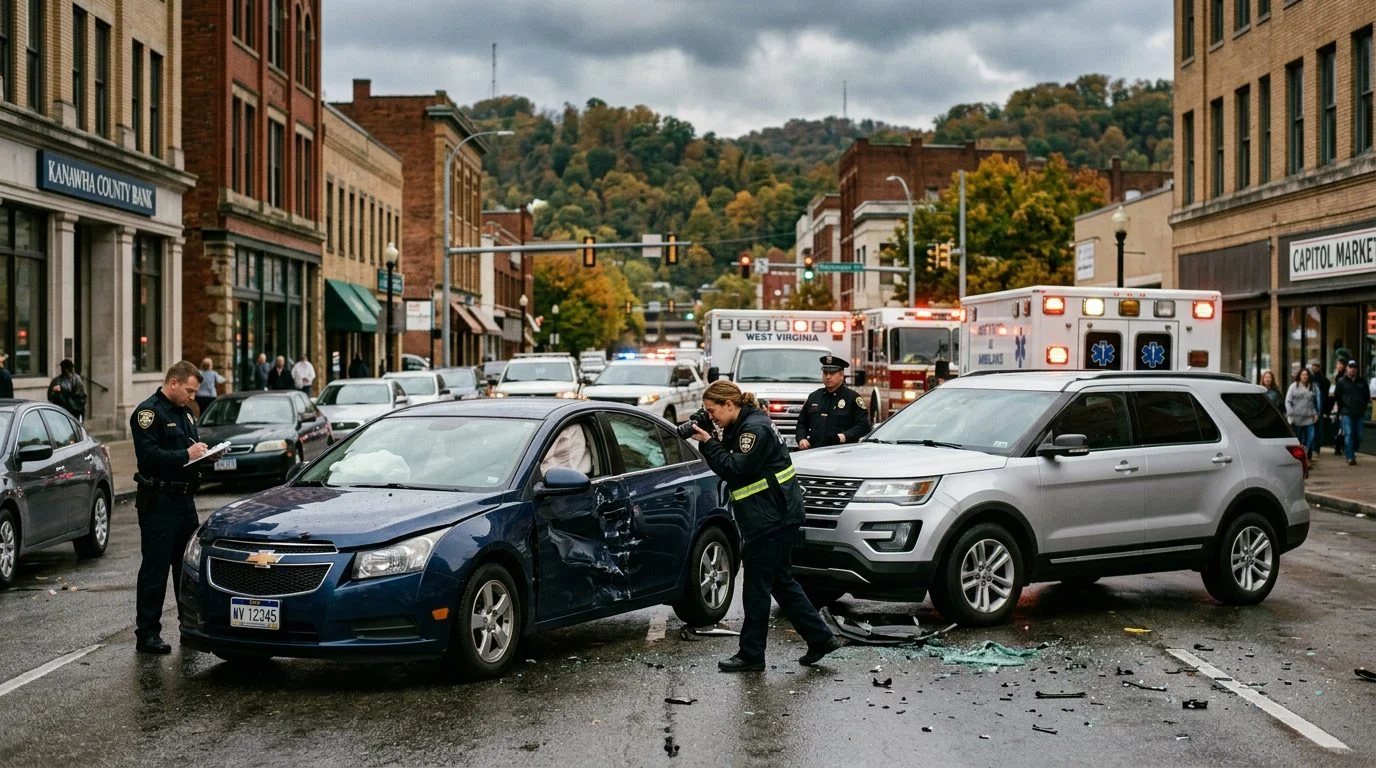
Car Accident Injuries in West Virginia
Hurt in a Car Crash and Seen in the Emergency Room? Request a Free Case Review
Your health comes first. When you are ready, Big Bubba can listen to what happened and talk through your options.
Published November 10, 2026
If you were taken by ambulance or treated in an emergency room after a crash, you may be wondering what that visit means. An emergency room visit can be a reason to speak with a personal injury firm. The record from that day is often one of the first documents in a claim. Whether it affects your claim depends on the facts of the crash, your injuries and your records.
What an Emergency Room Visit After a Car Accident Means for Your Claim
An emergency room visit after a crash creates a medical record of the injuries you reported that day.
That record usually lists what you said happened, what staff found and what treatment you received. Insurers and courts may look at early records to see how injuries were first described. Details written that day can matter later.
An ambulance ride is part of that record too. The crew’s report can show how you were found, what they checked and where they took you. Keep any transport paperwork you receive.
Early records can also show when symptoms were first mentioned, which can matter if pain or dizziness shows up later. This page is for drivers, passengers, pedestrians and families of people hurt in car, truck and commercial vehicle crashes across West Virginia.
If an ambulance or emergency room visit followed your crash, you may have a claim, and a free case review can help you understand your options. Talk it through with Big Bubba — the first case review is free, confidential, and carries no obligation.

Injuries That Often Need Emergency Care After a Crash
Broken bones, ligament and joint damage, head trauma and spinal injuries are injuries that often first show up in an emergency room. The firm handles car and truck crash claims, including claims involving traumatic brain injury, spinal cord injury and other catastrophic injuries.
Some symptoms appear hours or days after a crash. Headaches, dizziness, neck or back pain and confusion can show up later. Tell emergency staff about every symptom you have, even small ones. Tell your doctor when new symptoms start.
Head trauma needs prompt medical evaluation. A medical provider, not a lawyer, decides what is wrong with you. If you hit your head, tell a provider right away, even if you feel fine at first.
Keep these items in one folder:
- Discharge papers
- Imaging results
- Prescriptions
- Follow-up appointment notes
- A daily symptom journal
- Photos of your injuries and the vehicles
What the Free Case Review Covers
The free case review is a confidential conversation about how the crash happened and what your records show. It is a free case review in West Virginia that focuses on your own situation.
Documents that may help include:
- The crash or police report, or its report number
- Emergency room and hospital records
- Imaging results and discharge papers
- Letters you received from any insurer
The review may look at whether a commercial truck, a commercial vehicle or another driver may be responsible. That depends on the facts.
West Virginia generally allows two years to file a personal injury claim, and exceptions may apply. See W. Va. Code § 55-2-12 for the statute’s wording.
Under W. Va. Code § 55-7-13c, your own fault generally does not bar recovery unless it is greater than the combined fault of all others responsible. Under W. Va. Code § 55-7-13c, if your fault is less than the combined fault of all others responsible, your recovery is reduced in proportion to your degree of fault.
The firm talks through possible next steps in general terms, since each claim turns on its own details.
How the Free Case Review Works
You start by contacting the firm, then share information at a pace that fits your recovery.
- Contact the firm. Call or use the online contact form. Describe the crash, the emergency care you received and your current symptoms.
- Share what you have. Provide the crash report number, emergency room paperwork and any photos. You can start without every record.
- Review. The firm looks at what you shared and explains what it can tell from the records so far.
- Decide. You choose what to do next. The free case review comes with no obligation to continue.
How long a case takes depends on your injuries and the medical care you still need.
What Big Bubba Handles
The firm represents people seriously hurt in car and commercial truck crashes, people with catastrophic brain and spinal cord injuries, and families in wrongful death cases.
We serve injury victims across West Virginia, including Charleston, Huntington, Morgantown, Wheeling, Martinsburg, Parkersburg, Beckley, Clarksburg, Fairmont and Weirton.
Truck crashes can involve extra steps. Federal rules generally require employers to test surviving drivers for alcohol and drugs after certain crashes, such as when someone receives medical treatment away from the scene. The Federal Motor Carrier Safety Administration explains when these tests apply in its FMCSA testing requirements.
West Virginia law also defines who may count as an employer defendant in a commercial vehicle case, including the vehicle’s owner and the operator’s employer. See W. Va. Code § 55-7-32.
Our support staff can help you organize records and keep track of medical appointments.
Frequently Asked Questions About ER Visits After a Car Accident
The answers below cover common questions after an emergency room visit.
Do I need to go to the emergency room before I talk with a lawyer?
No. You can request a free case review at any point. If you are hurt, getting medical care comes first.
What if my symptoms showed up days after the crash?
Delayed symptoms can happen. Tell your doctor and say when the crash happened so the timing is written down.
What if the other driver was at fault?
If another driver was at fault, that driver’s insurer may be involved. Some insurers may dispute a claim, so early advice may help.
Should I give a recorded statement to an insurer?
You may choose to talk with the firm first. See W. Va. Code § 55-7-11a.
Is the free case review obligation-free?
Yes. The free case review comes with no obligation to continue.
Not sure what your next step is?
Talk it through with Big Bubba — the first case review is free, confidential, and carries no obligation.
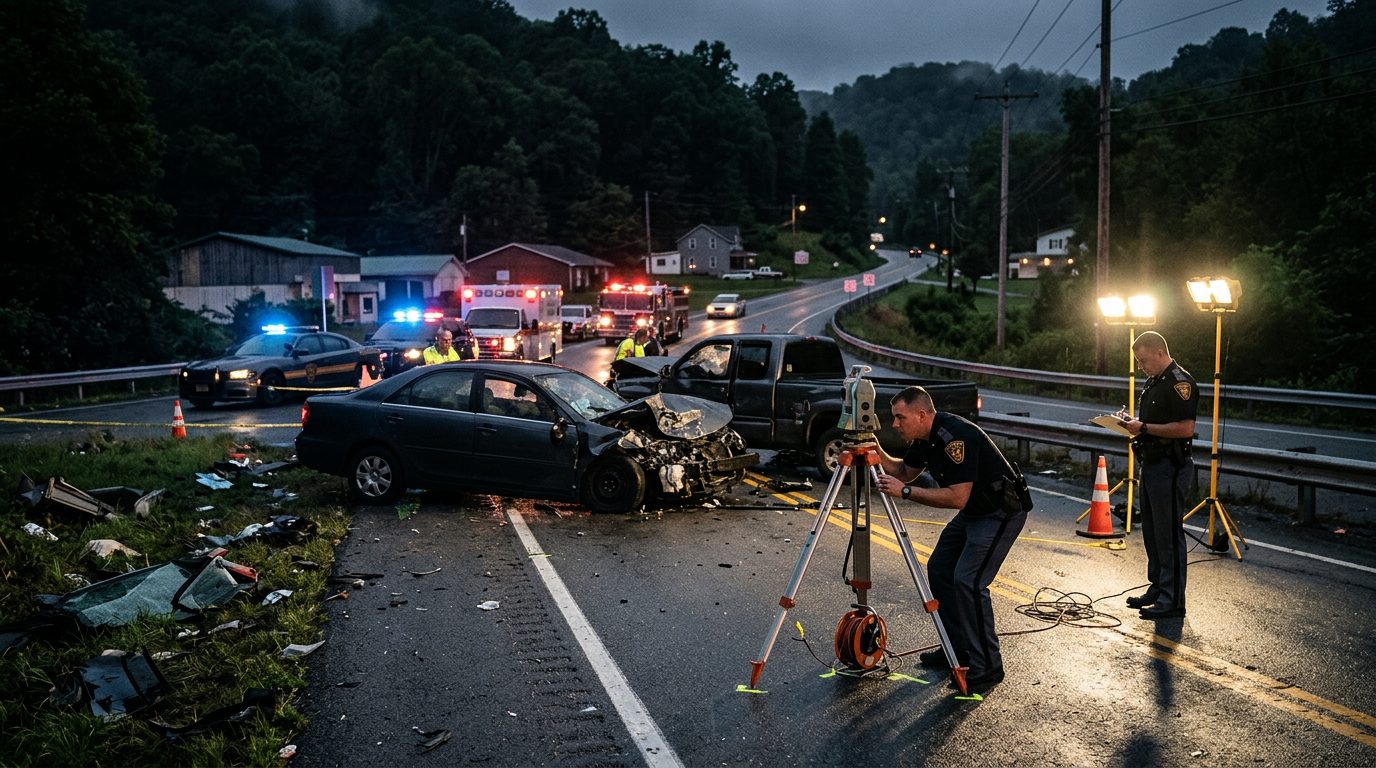
Keeping Records After an Emergency Room Visit
If an ambulance or emergency room visit followed your crash, the next step is to talk through what happened. If you were taken by ambulance or treated in an emergency room after a car or truck crash and are unsure what your injuries mean, you can reach out to the firm. Contact Big Bubba Injury Law to request a free case review and share what happened.
Keep your emergency room and follow-up records while you decide. Keep following your medical provider’s advice.