
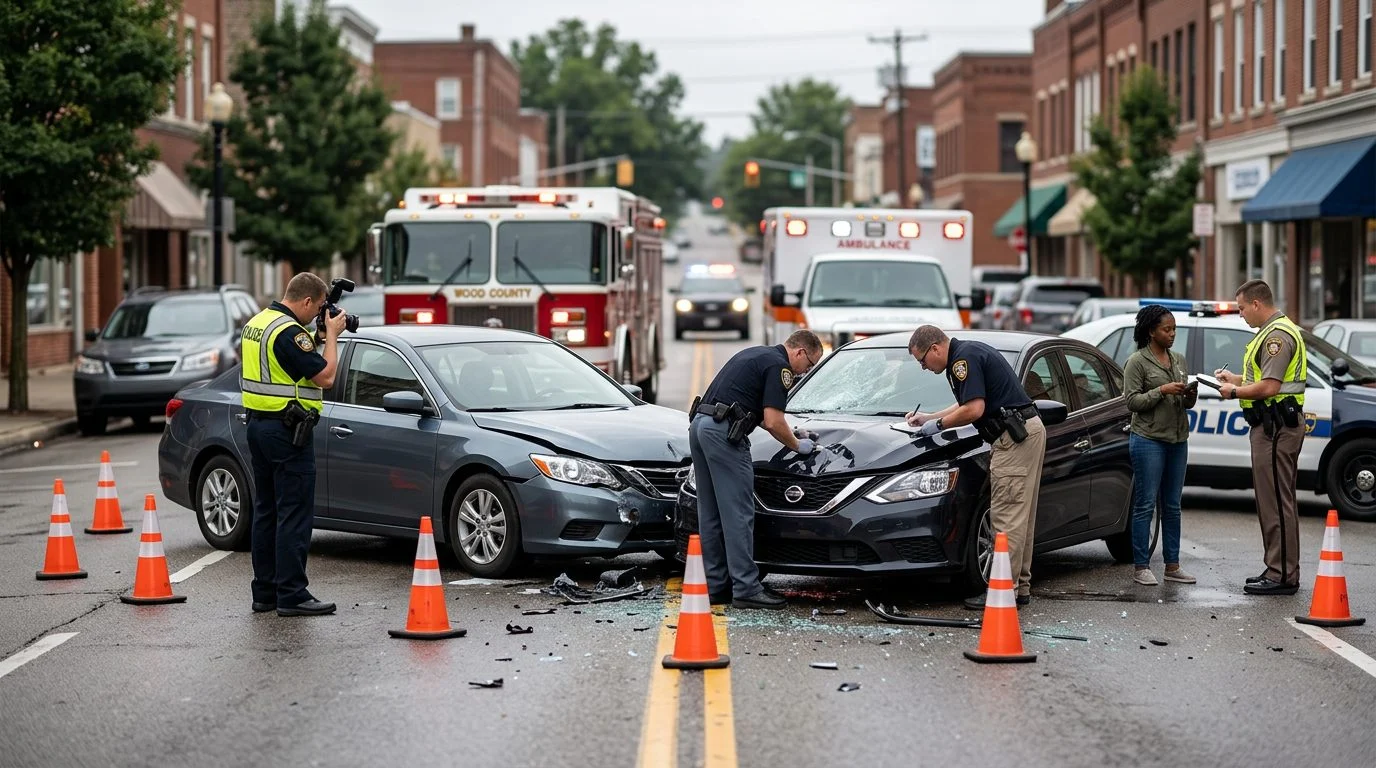
Car Accidents | Wood County, WV
Hurt in a Car Accident in Wood County? You Don't Have to Sort It Out Alone.
Big Bubba Injury Law represents people seriously hurt in car and truck crashes, along with families facing wrongful death. We serve Wood County and communities across West Virginia. Start with a free case review that is confidential, with no obligation to continue.
Published October 24, 2026
If you need a car accident lawyer in Wood County, WV, the first step is a free case review. Big Bubba Injury Law represents people seriously hurt in car and commercial truck crashes, people with brain and spinal cord injuries, and families in wrongful death cases. We serve Parkersburg and Wood County, along with the rest of West Virginia. This page explains what the firm does and what happens after you reach out.
What a Wood County Car Accident Lawyer Does for Crash Victims
A car accident lawyer handles your injury claim against the at-fault driver and that driver’s insurer. If the claim cannot be settled, the lawyer can take it to court.
Big Bubba Injury Law serves drivers, passengers, pedestrians, and family members hurt in car and commercial vehicle crashes. That includes crashes with large trucks, which often involve more than one party.
West Virginia uses comparative fault. Each person’s share of fault is set as a percentage, and that split shapes how much a person can recover (W. Va. Code § 55-7-13a). That is why the facts of your crash matter from the start.
Crashes on busy Parkersburg roads can involve trucks, cars, and several drivers at once. Commercial vehicle crashes also raise questions about who employed the driver and who owned the truck. Those answers can change who the claim is against.
The firm serves all 55 West Virginia counties, including Wood County and Parkersburg. Support staff help you reach the firm, schedule your review, and keep your records in order.
If a crash on a Parkersburg road or elsewhere in Wood County left you or someone you love badly hurt, reach out to us for your free case review and tell us what happened. Talk it through with Big Bubba — the first case review is free, confidential, and carries no obligation.
What the Free Case Review Covers
The free case review is a confidential first conversation about your crash. It carries no obligation to continue.
It is your chance to tell what happened and learn whether the firm can help with your claim. Bring what you have, including:
- The crash date, time, and location
- The police report number, if one was filed
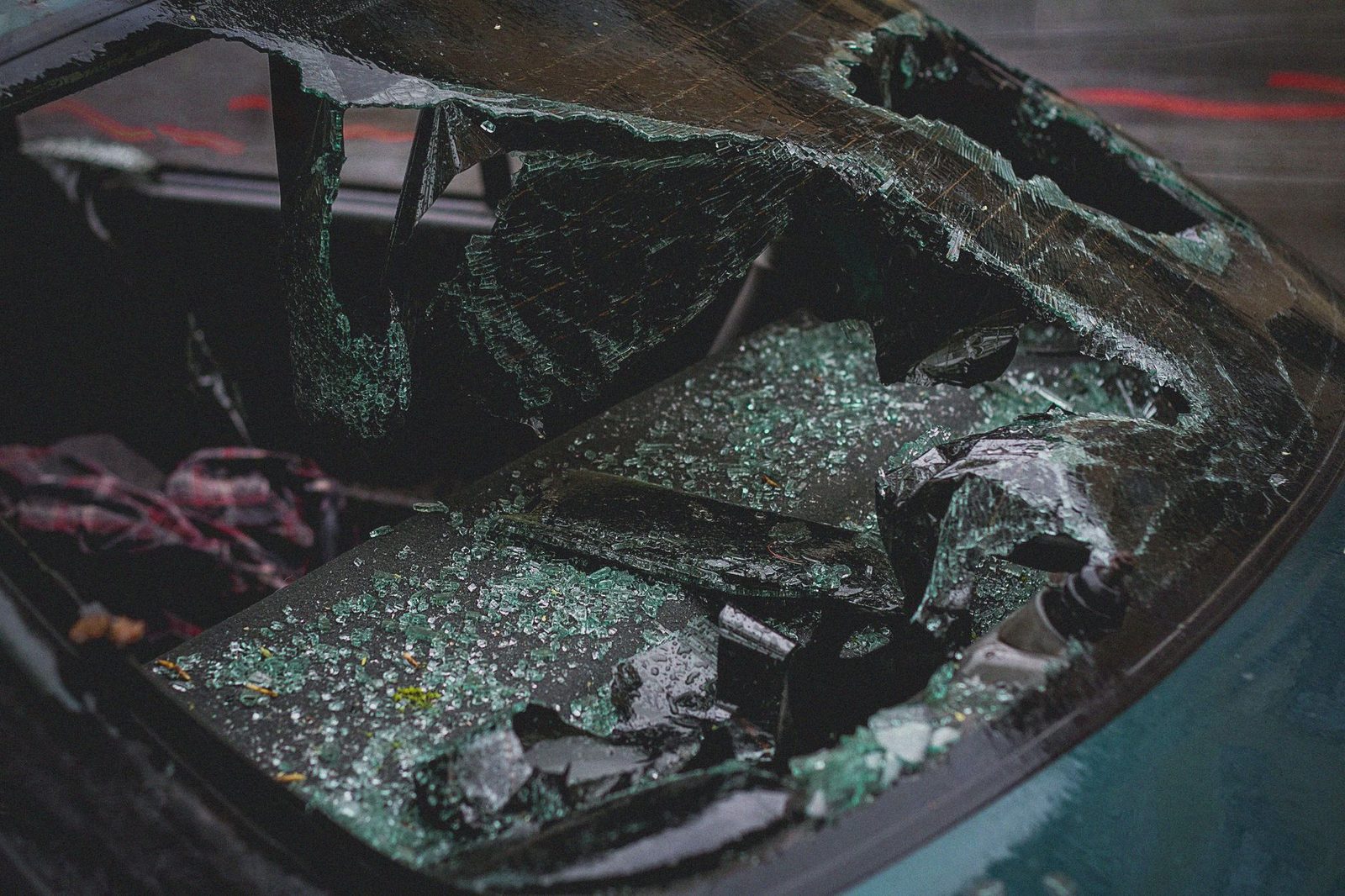
- Photos of the vehicles, the scene, and your injuries
- A list of doctors, hospitals, and treatment dates
- The other driver’s insurance information
- Names of any witnesses
During the review, the firm asks how the crash happened and who may be at fault. It also asks about your injuries and treatment, and whether a commercial truck or another vehicle played a part.
Missing items are fine. Write a short timeline of the crash while your memory is fresh. When the review ends, the firm tells you whether it can help, based on the facts you share.
How the Process Works, Step by Step
The process moves from first contact to a claim. From there, the firm works toward a settlement or files suit if needed.
- First contact. You call or reach out through the contact page. The firm schedules your free case review.
- Records review. The firm reads the police report, medical records, and insurance information. It may request more records from providers and insurers.
- Investigation. Evidence can include photos, vehicle damage, and witness statements. In truck crashes, driver logs and inspection reports matter too. Federal rules require most carriers to keep driver vehicle inspection reports for three months from the date the written report is prepared, but the rules do not apply to a private motor carrier of passengers (nonbusiness), a driveaway-towaway operation, or any motor carrier operating only one commercial motor vehicle (49 CFR 396.11). After certain truck crashes, federal rules also require alcohol and drug testing of surviving drivers (49 CFR 382.303).
- Claim presentation. The firm presents the claim to the responsible insurer with supporting documents.
- Negotiation or lawsuit. Many claims are resolved through negotiation. If a fair resolution is not reached, the firm can file a lawsuit before the legal deadline.
Timing depends on the facts. How long each step takes depends on your treatment, the insurer’s response, and whether the case goes to court.
Serious Injuries the Firm Handles
The firm handles car and truck crashes that cause catastrophic injuries, traumatic brain injuries, spinal cord injuries, and wrongful death. These cases often need long-term medical care and careful records.
- Traumatic brain injury. Concussions and more severe brain injuries can affect memory, concentration, mood, and daily tasks. Symptoms are not always obvious at the scene, so track changes over time.
- Spinal cord injury. Trauma, including car crashes, can cause spinal cord injury. Complete and incomplete injuries differ, and the level and severity affect function. According to the Christopher & Dana Reeve Foundation, there is currently no proven definitive cure.
- Other catastrophic injuries. Serious fractures, internal injuries, and injuries that need surgery or rehabilitation fall into this group.
- Wrongful death. Under W. Va. Code § 55-7-6, the claim is brought by the deceased person’s personal representative. It must start within two years after the death, subject to the provisions of section eighteen, article two, chapter fifty-five. W. Va. Code § 55-7-6 reads: “The provisions of this section shall not apply to actions brought for the death of any person occurring prior to July 1, 1988.” Damages can include sorrow and mental anguish, lost income and services, care expenses, and reasonable funeral expenses.
The wrongful death statute (W. Va. Code § 55-7-6) lets the jury award such damages as it may seem fair and just and requires the jury to set forth separately any damages awarded for reasonable funeral, hospital, medical and other expenses.
Steps That Protect Your Claim After a Crash
Early steps matter. Several of the most important ones fall in the first few weeks.
- Get medical care and keep every appointment. Tell providers about every symptom, even one that seems minor.
- Be careful with recorded statements. An adjuster may ask for one soon after the crash. Talk with the firm before you give a recorded statement.
- Watch the deadline. West Virginia generally allows two years to file a personal injury claim (W. Va. Code § 55-2-12).
What the Firm Focuses On and Where It Serves
The firm focuses on car and commercial vehicle crashes, traumatic brain injury, spinal cord injury, and wrongful death. Those are the matters it takes on.
- The first step is a free case review, which is confidential and carries no obligation to continue.
- The firm serves all 55 West Virginia counties, including Wood County and Parkersburg.
- Support staff help you reach the firm, set up your review, and keep your records and questions organized.
- The firm explains the process in plain language, so you know what to expect at each step.
Waiting can cost you evidence. Photos, witness names, and vehicle damage can change or disappear over time. If your crash falls within these focus areas, the free case review is the place to start.
Not sure what your next step is?
Talk it through with Big Bubba — the first case review is free, confidential, and carries no obligation.

Questions Wood County Crash Victims Ask Before They Reach Out
Do I still need a lawyer if the insurer accepts fault?
Accepting fault does not cover your injuries or your full losses by itself. A free case review can show what your situation calls for.
What if the at-fault driver has no insurance?
West Virginia law generally requires auto liability policies to include uninsured motorist coverage, so your own policy may already include it. West Virginia law addresses this coverage (W. Va. Code § 33-6-31). Bring your policy details to your free case review.
How long do I have to file?
West Virginia generally allows two years for personal injury claims (W. Va. Code § 55-2-12). For wrongful death, the two years run from the date of death, subject to the provisions of section eighteen, article two, chapter fifty-five (W. Va. Code § 55-7-6). W. Va. Code § 55-7-6 reads: “The provisions of this section shall not apply to actions brought for the death of any person occurring prior to July 1, 1988.”
Should I give a recorded statement right away?
Talk with the firm before you give one. A recorded statement can be used later in your claim.
What should I bring to my free case review?
Bring your crash details, photos, medical records, insurance information, and a short written timeline. If something is missing, the firm can help you gather it.
If a crash on a Parkersburg road or anywhere in Wood County left you or someone you love badly hurt, reach out to us for your free case review. Tell us what happened, and we will go over your crash and injuries with you. Contact the firm.