
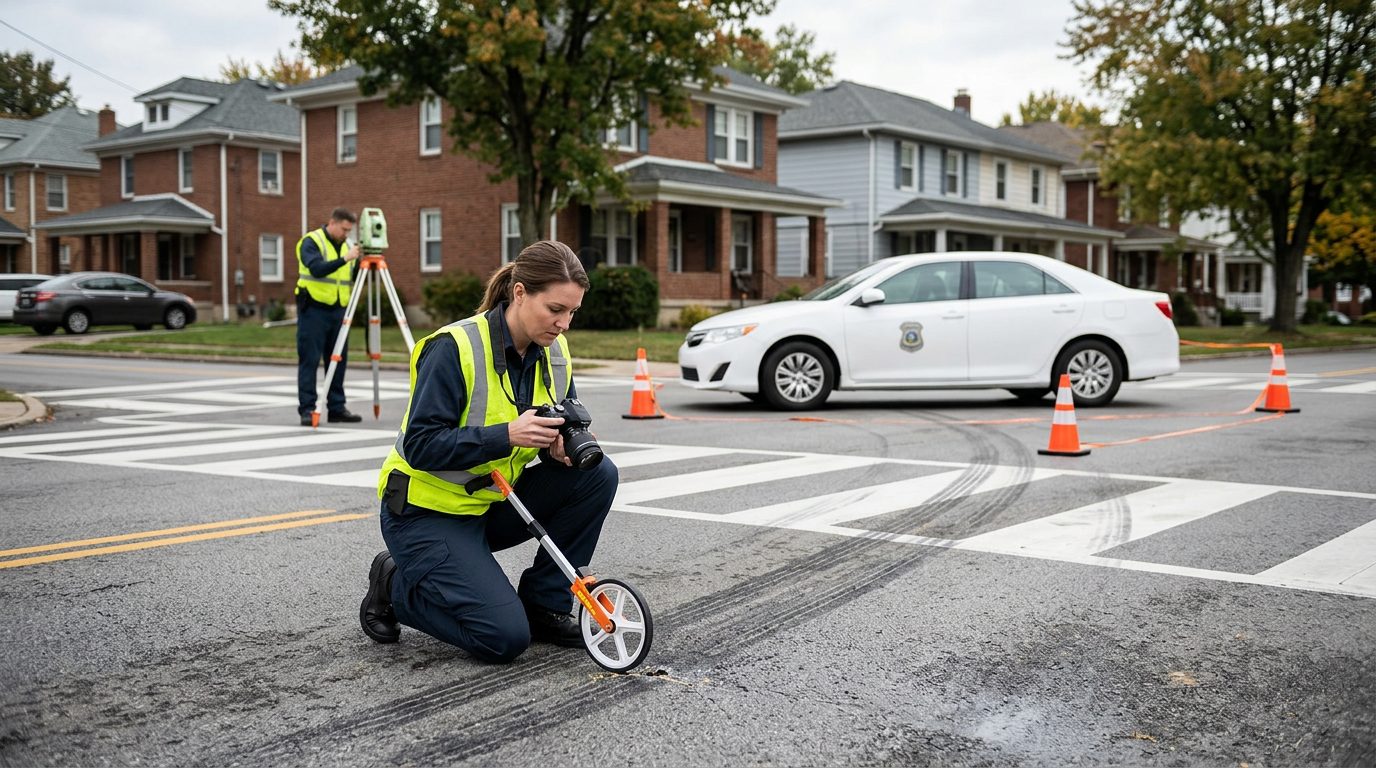
Traumatic Brain Injury
Traumatic Brain Injury in Clarksburg: What You Need to Know
If you or a loved one suffered a traumatic brain injury in a car or truck accident, Big Bubba Injury Law is here to help you understand your rights and get the support you deserve.
Published October 03, 2026
Traumatic Brain Injury in Clarksburg: When an Accident Changes Everything
A traumatic brain injury (TBI) can result from the sudden impact, deceleration, or blunt force of a car crash, commercial truck accident, or other high-impact event—even when there’s no visible wound or skull fracture. For Clarksburg residents and families dealing with TBI after an accident, the aftermath often means medical bills, lost income, ongoing medical care, and profound uncertainty about the future. Legal action may help you recover damages for those costs and losses, but pursuing a claim requires experienced representation who understands both the medical reality of brain injury and West Virginia law.
Not sure what your next step is?
Talk it through with our team — the first case review is free, confidential, and carries no obligation.
How Traumatic Brain Injuries Happen in Accidents
Traumatic brain injury occurs when the brain moves or shifts inside the skull due to sudden force or impact. In car crashes, the impact to the head, sudden deceleration, or objects striking the head can all cause TBI. Commercial truck accidents are particularly dangerous because of the force and weight of large vehicles—even a collision at moderate speed can generate severe head trauma. Falls and blunt-force incidents, especially in multi-vehicle or rollover scenarios, can cause secondary impacts that injure the brain long after the initial collision.
The key point many people miss: the brain can be seriously injured even when you don’t lose consciousness, don’t see blood, and don’t have a visible skull fracture. Damage happens at the cellular level, and symptoms may not appear for hours or days.
Signs and Symptoms of Traumatic Brain Injury
Symptoms of TBI vary widely depending on the severity and location of the injury. Immediate symptoms often include loss of consciousness (even brief), confusion, severe headache, dizziness, and nausea. Cognitive changes show up as memory problems, difficulty concentrating, slower thinking, or trouble organizing thoughts. Emotional and behavioral changes can include irritability, mood swings, anxiety, depression, or personality shifts that friends and family notice right away.
Physical symptoms range from sensitivity to light and sound to balance problems, fatigue, and sleep disturbances. Importantly, symptoms may appear right after the accident or develop gradually over hours or days. Some people feel “off” but can’t quite describe it—that’s also a red flag that warrants medical evaluation.
If you were in an accident and experienced any of these symptoms, even mild ones, seek medical attention and document everything. Those records become critical evidence later.
Long-Term Effects of Traumatic Brain Injury
The long-term impact of traumatic brain injury extends far beyond the accident itself. Ongoing cognitive impairment can affect your ability to work, attend school, or manage daily tasks like budgeting or following conversations. Chronic pain, headaches, and neurological complications may persist for months or years. Changes in personality, mood, and social relationships strain marriages, friendships, and family bonds.
Many TBI survivors need ongoing medical care, physical therapy, occupational therapy, and neuropsychological rehabilitation. That care is expensive and often continues for years. You may lose earning capacity—either because you can’t return to your old job or because you have to take lower-paying work that accommodates your injury. Families often become caregivers, facing their own emotional exhaustion and financial strain.
Insurance companies frequently underestimate the true cost of long-term TBI care. They may offer a settlement that covers immediate medical bills but ignores future therapy, lost wages, and pain and suffering. That’s why experienced legal representation matters.
Have questions about what happened?
Ask our team directly. The first conversation is free, confidential, and there is no obligation to continue.
Why You Need Legal Help After a Traumatic Brain Injury
Pursuing a claim for traumatic brain injury requires more than just a medical diagnosis. You need medical records that clearly document the injury, expert testimony explaining how the accident caused the TBI, and thorough documentation of your damages—both past and future. Insurance adjusters are trained to minimize payouts; a lawyer can handle negotiations and court proceedings while you focus on recovery.
In a traumatic brain injury case, damages may include medical expenses (past and ongoing), lost wages, pain and suffering, loss of enjoyment of life, and future care costs. Calculating those damages accurately requires understanding both the medical facts and the law.
West Virginia law also sets important deadlines. Under W. Va. Code § 55-2-12, a personal-injury lawsuit for traumatic brain injury must generally be filed within two years after the right to bring it accrues.
Additionally, West Virginia follows a modified comparative fault rule under W. Va. Code § 55-7-13c. If you were partially at fault for the accident, your damages are reduced in proportion to your percentage of fault—but you can still recover as long as your fault is 50% or less. A lawyer can help you navigate that rule and build a case that clearly establishes the other party’s liability.
Big Bubba Serves Clarksburg Injury Victims with Traumatic Brain Injury
We serve Clarksburg injury victims who have suffered traumatic brain injury in car accidents, commercial truck accidents, and other serious crashes. We understand the medical, financial, and emotional toll that TBI places on you and your family. We work with medical professionals, accident investigators, and expert witnesses to build a strong case that reflects the true scope of your injury and its impact on your life.
We handle the legal process—investigation, negotiation, and litigation if necessary—so you and your family can focus on healing and recovery. We are committed to holding responsible parties accountable and pursuing compensation for your losses.
What Happens in a Traumatic Brain Injury Case
When you bring a traumatic brain injury case to us, here’s what the process typically looks like:
Investigation begins immediately. We gather the accident report, medical records, imaging studies, witness statements, and expert opinions about how the accident caused your injury.
Evaluation comes next. We determine who was liable for the accident and calculate the full scope of your damages—medical bills, lost wages, ongoing care needs, and pain and suffering.
Negotiation with insurance companies follows. We pursue fair compensation based on the strength of your case and the true cost of your injury.
Litigation may be necessary if a fair settlement cannot be reached. We’re prepared to take your case to court and present your story to a jury.
Throughout the process, your role is straightforward: tell us what happened, work with medical professionals to document your injury and recovery, and stay in touch as we move forward.
Want to know where you stand?
Tell us what happened and our team will walk you through the options available to you, at no cost.
Frequently Asked Questions
How long do I have to file a traumatic brain injury lawsuit in West Virginia?
You generally have two years after the right to sue accrues to file a claim under W. Va. Code § 55-2-12. Don’t wait—contact us early so we can protect your rights.
Can I still recover if I was partially at fault for the accident?
Yes, under West Virginia’s modified comparative fault rule (W. Va. Code § 55-7-13c). You can recover as long as your fault is 50% or less, though your damages will be reduced by your percentage of fault.
What damages can I recover in a TBI case?
Damages typically include medical expenses (past and future), lost wages, pain and suffering, loss of enjoyment of life, and the cost of ongoing care and rehabilitation.
What should I do immediately after a head injury in a crash?
Seek medical attention right away, even if you feel fine. Document the accident scene, get witness contact information, and preserve all medical records. Then contact a lawyer to discuss your case.
How do lawyers prove traumatic brain injury in court?
We use medical records, imaging studies (CT scans, MRI), neuropsychological testing, expert testimony from neurologists and neuropsychologists, and documentation of how your injury has affected your daily life and work.
If you or a family member suffered a traumatic brain injury in a Clarksburg-area accident, you deserve answers and support. People facing TBI, medical bills, and uncertainty about next steps can reach out to us. We offer a free case review to discuss what happened, what you’re facing, and how we can help. Tell Bubba what happened—contact us today.
Related practice areas
- Traumatic Brain Injury from Car and Truck Accidents in West Virginia
- Can I Afford a Truck Accident Lawyer in West Virginia?