
Brain Injury · Car Accidents · West Virginia
Brain Injury After a Car Crash: Answers for Families
Plain-language guidance on warning signs, medical questions, and the records that can help your family understand what happened.
Published November 21, 2026
When a family member is hurt in a car crash and comes out with a brain injury, the questions arrive all at once. Most relatives want to know what the law expects of the driver, what warning signs to watch for, and how long a legal claim generally has to be started.
The short answer: the most useful early steps are watching for warning signs, asking the medical team clear questions, and keeping crash records.
When a Family Member Has a Brain Injury From a Car Crash
Families in this situation usually have to act quickly, before the full picture is clear. The first days often happen in an emergency room or intensive care unit, far from the normal routine.
Brain injury outcomes vary widely. Only the treating medical team can speak to the injured person’s own prognosis, meaning the likely course of recovery. Family members can still prepare in useful ways. They can write down questions, learn which symptoms need prompt care, and keep notes on what happened at the scene and afterward.
If your family is working through a brain injury from a car crash, you don't have to sort out the next steps alone. Reach out to the firm to talk through your situation. Talk it through with Big Bubba — the first case review is free, confidential, and carries no obligation.

Is Leaving the Scene of a Crash a Felony in West Virginia?
Leaving the scene can be a crime in West Virginia, and whether it becomes a felony generally depends on how badly the other person was hurt. Under W. Va. Code § 17C-4-1, a driver in a crash that causes injury or death must stop at the scene or as close to it as possible. The driver must stay until the duties under W. Va. Code § 17C-4-3 are met. A driver may leave only as reasonably necessary to help an injured person.
The penalties depend on the injury. The fine can reach $1,000, and jail can run up to one year. When another person suffers serious bodily injury and the driver intentionally fails to stop and remain at the scene until he or she has complied with the requirements of §17C-4-3, knowing or having reason to believe someone was hurt, the violation is a felony.
A brain injury with lasting effects may fall within that definition, depending on the facts.
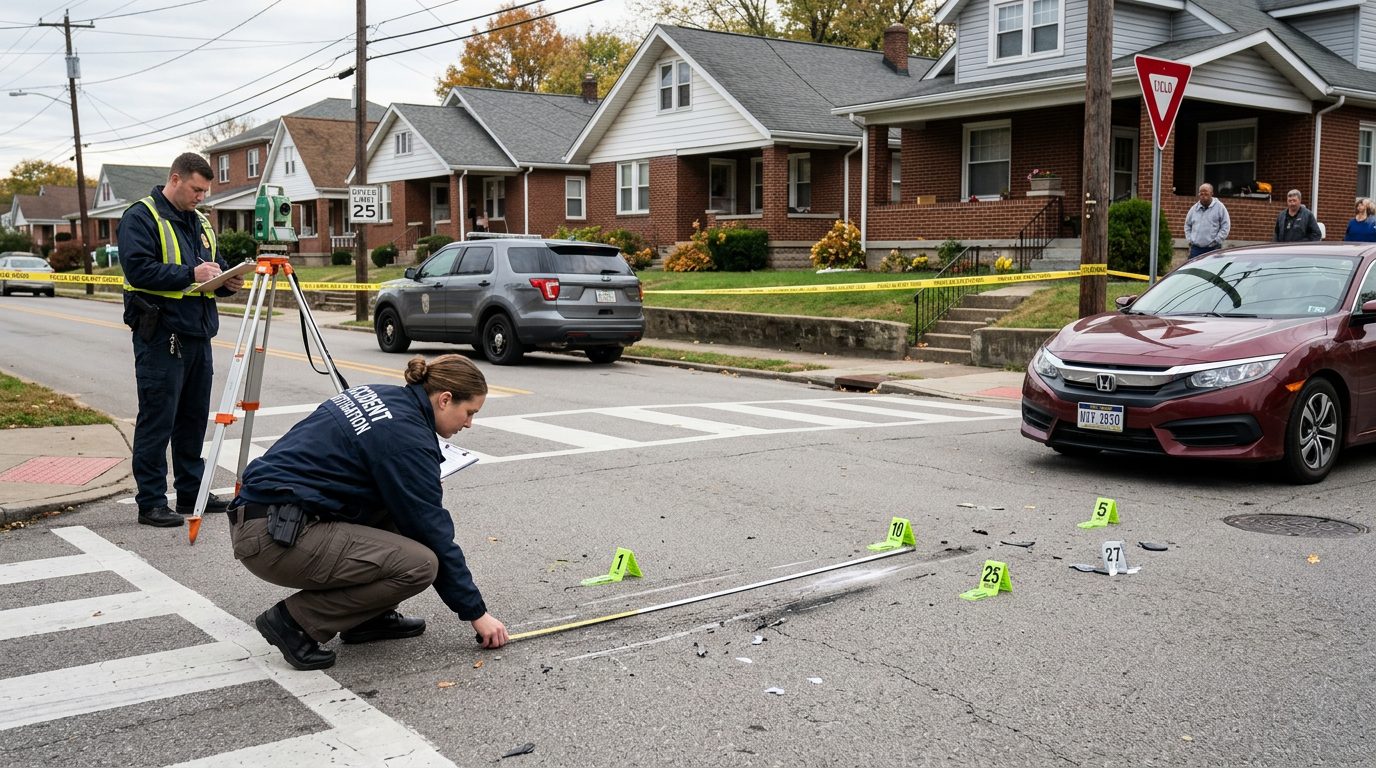
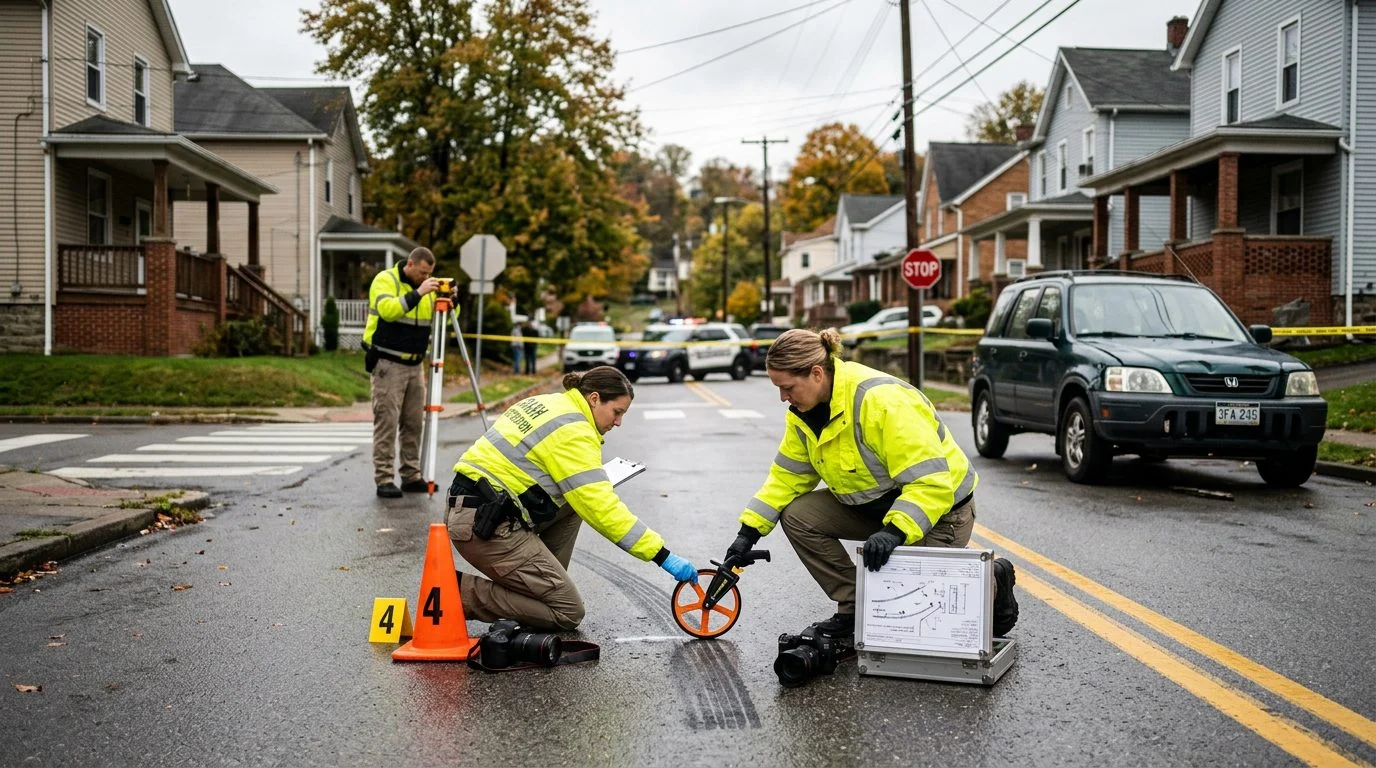
A family member does not need to decide about criminal charges before taking other steps. Under W. Va. Code § 17C-4-7, the investigating officer must prepare a crash report within 24 hours after completing the investigation of a crash on a public street or highway that results in bodily injury to, or death of, any person or total property damage to an apparent extent of $1,000 or more. That report records what the officer found at the scene.
Early Warning Signs of Brain Damage Families Should Watch For
Signs that need prompt medical care after a head injury can include a worsening headache, repeated vomiting, growing confusion, unusual drowsiness, slurred speech, weakness or numbness, and seizures. Family members are often the first to notice these changes.
Some signs can appear hours or days after the crash. A person may seem to recover well at first, then become confused or very sleepy at home. Keep watching the injured person after discharge. Any sudden or severe change calls for emergency care right away, even if the person says they feel fine.
Behavior changes matter too. Watch for new irritability, trouble finding words, memory lapses, or mood swings that don’t fit the person. These are easy to dismiss as stress. Write down the date and what you saw, then share it with the medical team. Ask the team which signs matter most for this particular person.
How an Acquired Brain Injury Can Affect the Whole Family
An acquired brain injury is one that happens after birth. It can change memory, mood, attention and independence, and household roles often shift fast. A parent may become a caregiver, a spouse may take over the bills, and an adult child may take time off work.
Common family stresses include caregiving duties, lost or reduced income, changed work schedules, child care, and strain on marriages and between siblings. Many relatives also grieve the person they knew before the crash, even while that person is still alive. That reaction is common and does not mean anyone is failing.
If the injured person cannot manage money or medical choices, a court process may be needed. The West Virginia Judiciary’s mental hygiene and guardian pages describe guardianship and conservatorship for incapacitated adults. They also explain where petitions are filed and which courts have jurisdiction. The state’s Traumatic Brain Injury Waiver information describes a Medicaid home-based support program with medical and financial eligibility rules. Eligibility depends on the individual’s situation.
Questions to Ask the Medical Team
The most useful questions ask what was diagnosed, where the injury is, what tests were done, and what follow-up care is recommended. Clear answers help families plan, and writing them down helps when details get overwhelming.
Consider asking these questions at each visit:
- What type and location of brain injury was diagnosed?
- What tests were done, and what do the results mean right now?
- Which medical providers or follow-up visits are recommended?
- What rehabilitation options exist, and where are they offered?
- Which symptoms should prompt a call or a return to the emergency room?
Keep a simple log of symptoms, medications, appointments, sleep, and changes in behavior. Bring it to each visit. Medical records and bills created during treatment document what happened to the injured person, so keep copies of discharge papers and statements.
What Questions to Ask About the Crash and Records
Families should ask whether a police report was filed, who the other drivers were, and whether any witnesses or nearby cameras recorded the crash. These details fade quickly, so write them down early.
Under W. Va. Code § 17C-4-3, a driver involved in a crash resulting in injury must give the other party a name, a valid phone number, vehicle details, and proof of insurance, if physically able. Under W. Va. Code § 17C-4-7, within 24 hours of a motor vehicle crash the investigating officer must provide the owner, operator, and insurance information upon request for all involved parties to each of the other involved parties and their insurance agents, at no cost, whether or not the accident report has been completed. Useful records include photos of the scene and vehicles, towing and repair records, witness names and phone numbers, and a copy of the crash report.
Some insurers may dispute a claim. Keep copies of every insurance letter and any recorded statement a family member gives. West Virginia law also limits early settlement talks. Under W. Va. Code § 55-7-11a, no one may negotiate a settlement or seek a release or statement for that purpose during the first 20 days after an injury, while the injured person is an inpatient in any hospital or is partially or totally unable to engage in his or her usual trade, profession or occupation. The statute has limited exceptions.
Not sure what your next step is?
Talk it through with Big Bubba — the first case review is free, confidential, and carries no obligation.
Legal Time Limits and Questions About Future Claims
West Virginia generally allows two years to file a personal injury lawsuit, and exceptions may apply. W. Va. Code § 55-2-12 sets that general period, so the exact deadline depends on the facts of each case.
Personal injury claims generally fall under W. Va. Code § 55-2-12, which says a personal action for damages for personal injuries must be brought within two years next after the right to bring it has accrued, where no other limitation is otherwise prescribed. Wrongful death cases can follow different rules, so this period may not apply to a family’s claim. Under W. Va. Code § 55-7-6, the action is brought by the personal representative, the person formally appointed for the deceased person’s estate.
Under W. Va. Code § 55-7-13a, recovery in a personal injury, property damage or wrongful death action is based on comparative fault, and each person’s liability is allocated in direct proportion to that person’s percentage of fault. An injured person’s own fault does not bar recovery unless it is greater than the combined fault of all others responsible, and if it is less, the recovery is reduced in proportion to that person’s degree of fault (W. Va. Code § 55-7-13c).
A wrongful death verdict may include sorrow, mental anguish and solace, lost income and services, medical and hospital expenses, and reasonable funeral expenses. Families can ask what losses may be considered. No one can predict in advance how a claim will turn out.
Talking Through Your Family’s Situation With the Firm
You do not need every answer before reaching out. Families at this stage are often balancing hospital visits, caregiving, and questions about the crash all at once.
The firm handles car accident and commercial truck accident claims, catastrophic injuries including brain and spinal cord injuries, and wrongful death claims for families. We serve injury victims across all 55 West Virginia counties.
If your family is working through a brain injury from a car crash, you can reach out to talk through what happened. The firm offers a free case review, which is confidential and carries no obligation to continue. Contact the firm to start that conversation.