
West Virginia Crash Reports
Getting Your West Virginia Crash Report Doesn't Have to Be Hard
A plain-language guide to finding the right agency, asking for your report, and reading what it does and does not say.
Published November 16, 2026
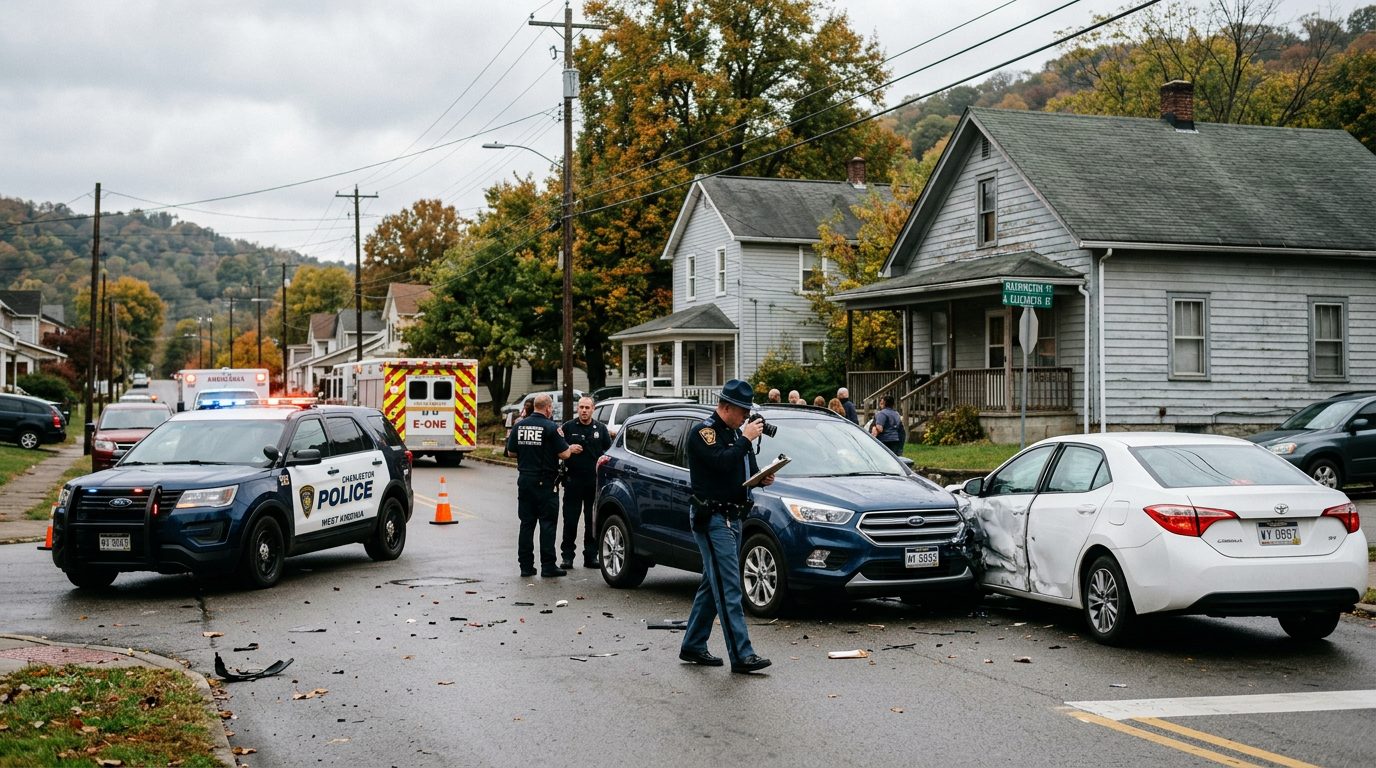
If you were hurt in a car accident, you may need a copy of the police crash report. Knowing how to get a police crash report after a car accident in West Virginia starts with one question: which agency investigated?
Contact that agency’s records office and ask for the report. That is a city police department, the county sheriff’s office, or the West Virginia State Police. Have the crash date, location, and driver names ready. This guide walks through each step, what can slow the process, and what to do if the report has errors.
What a Police Crash Report Contains and Why It Matters
A police crash report is the investigating officer’s written record of a crash. It captures the basic facts and what the officer documented at the scene or afterward.
Most reports list the date, time, and location of the crash. They also list the drivers, the vehicles, and the insurance details exchanged. Some include the officer’s observations and a diagram. W. Va. Code § 17c-4-9 requires the report format to show the cause of a crash, the conditions then existing, and the persons and vehicles involved.
The report is a record, not a final ruling. It shows what the officer documented. It does not decide who was at fault. Insurers and attorneys may review it when a claim is evaluated, and it may be relevant depending on the facts.
Your own notes matter too. Photos, medical records, and written notes from the day of the crash tell the story from your side. Keep them together with the report, and keep a copy of everything you receive.
If a crash has left someone you love hurt, and you're the one collecting these records, you don't have to sort it out alone. You can reach out to us for a free case review. Talk it through with Big Bubba — the first case review is free, confidential, and carries no obligation.
When Should a Crash Be Reported to Police in West Virginia?
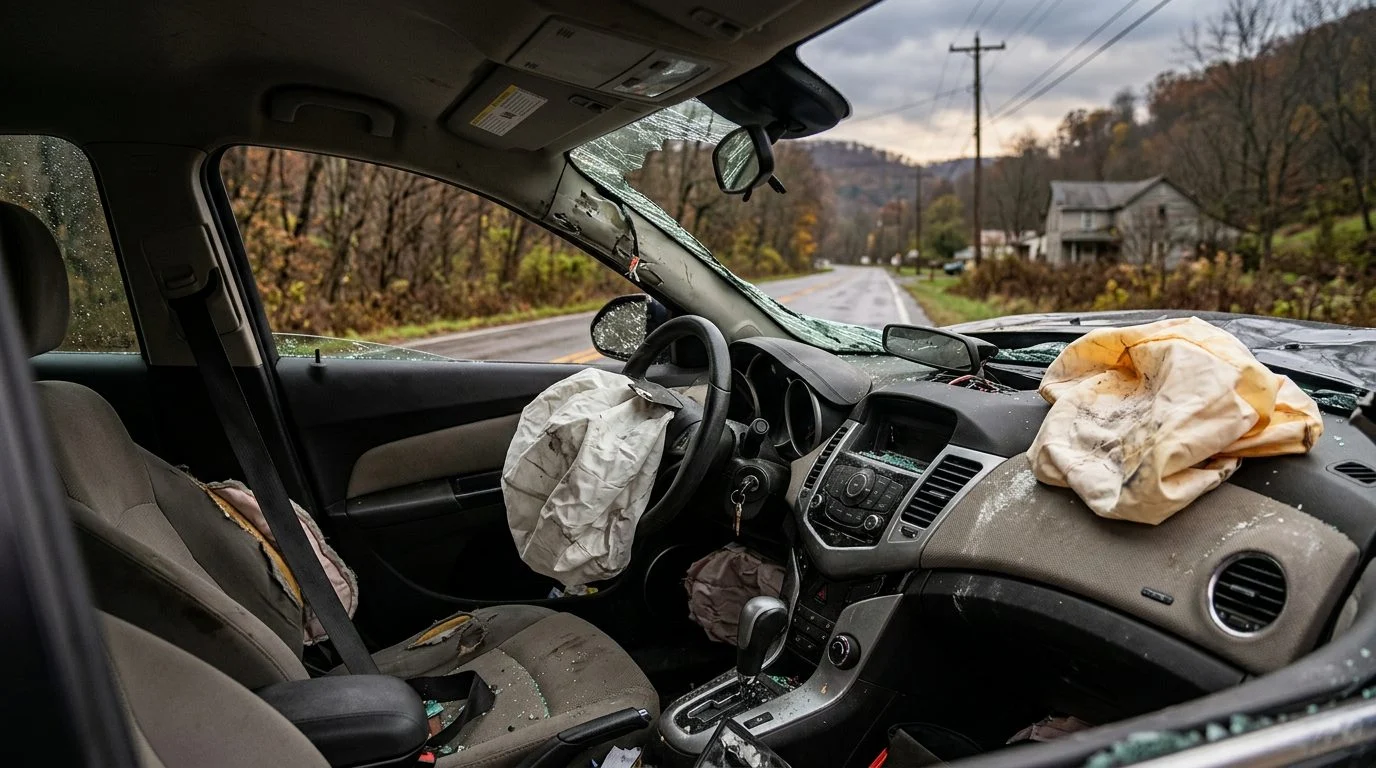
Under W. Va. Code § 17c-4-6, a driver in a crash that causes injury, death, or total property damage of $1,000 or more must notify police immediately, by the quickest means available. The driver must also stop at the scene, or as close as possible. W. Va. Code § 17c-4-1 sets that duty for crashes involving injury or death, and requires the driver to return to and remain at the scene until meeting the requirements of § 17C-4-3, except as reasonably needed to help someone injured.
Timing matters for the record. The date and time help the records office find the right file. Write down the officer’s name, badge or unit number, and any case or report number given at the scene.
If the driver is physically unable to make the notification, another occupant who is able should make it. W. Va. Code § 17c-4-8 says so.
Which Agency Investigated the Crash?
The investigating agency depends on where the crash happened. Inside a city’s limits, the municipal police department receives the notice. Outside city limits, the county sheriff’s office or the nearest State Police office is the place to start, as W. Va. Code § 17c-4-6 sets out.
Narrow it down with the paperwork you have. Look for an agency name, a reference number, or an officer’s unit on roadside documents. Note the nearest street address or intersection, and whether it sits inside a city or town. If you’re unsure, start with the agency named on that paperwork.
Some cities add a step. W. Va. Code § 17c-4-15 lets a city, town, or village require drivers to file a crash report with a designated city department. Those reports are for that department’s confidential use. Ask whether a city filing applies, since it is separate from the officer’s report.
How to Request a Crash Report from Local Police or the County Sheriff
Ask the records office of the local agency that investigated. Bring the date and approximate time of the crash, the location or intersection, and the drivers’ names. Add the report or case number if you have one.
Copying fees may apply.
Ask the office which request methods it accepts, such as in person, by mail, or online. Keep a copy of your request, the date you sent it, and any receipt or confirmation. Those details help if the request stalls. A clear request also helps. Name the drivers and the date, and describe the location in plain words.
How to Request a Crash Report from the West Virginia State Police
Ask the State Police when a state trooper investigated the crash, or when the roadside paperwork points to a State Police office. Send a written or in-person request that identifies the crash by date, location, and the parties involved. Include the trooper’s name if you have it.
Crash reports also move through state channels. Under W. Va. Code § 17c-4-7, the investigating officer submits the report to the Division of Highways within 24 hours after completing the investigation. In the event that the investigating law-enforcement officer cannot complete the investigation within 10 days of the crash, he or she shall submit a preliminary report of the crash to the Division of Highways on the 10th day after the crash.
Requirements and forms can differ by agency. Confirm the current process with the agency that investigated the crash. A request sent to the wrong office may need to be redirected, which adds time.
Why Crash Reports Can Take Time and What to Do If the Report Has Errors
Processing time varies. Under W. Va. Code § 17c-4-7, the officer must prepare the report within 24 hours after finishing the investigation of a crash on the public streets or highways of this state that causes bodily injury, death, or total property damage of $1,000 or more. If the investigation cannot be finished within 10 days, a preliminary report goes to the Division of Highways on day 10. The final report is due within 24 hours after the investigation is complete.
Those deadlines explain why a report can take longer than a few days. A longer investigation, a supplemental report, or review before release may add time.
When the report arrives, read it closely. Check names, vehicle details, insurance information, the location, and the order of events. Small errors are easy to miss.
Ask the agency that wrote the report for a correction or a supplemental report. Corrections generally go through that agency, so send the request there. Put it in writing and keep a copy. Raising an error early matters. An error may affect how an insurer reviews a claim.
Not sure what your next step is?
Talk it through with Big Bubba — the first case review is free, confidential, and carries no obligation.
Gathering Other Records While You Wait for the Report
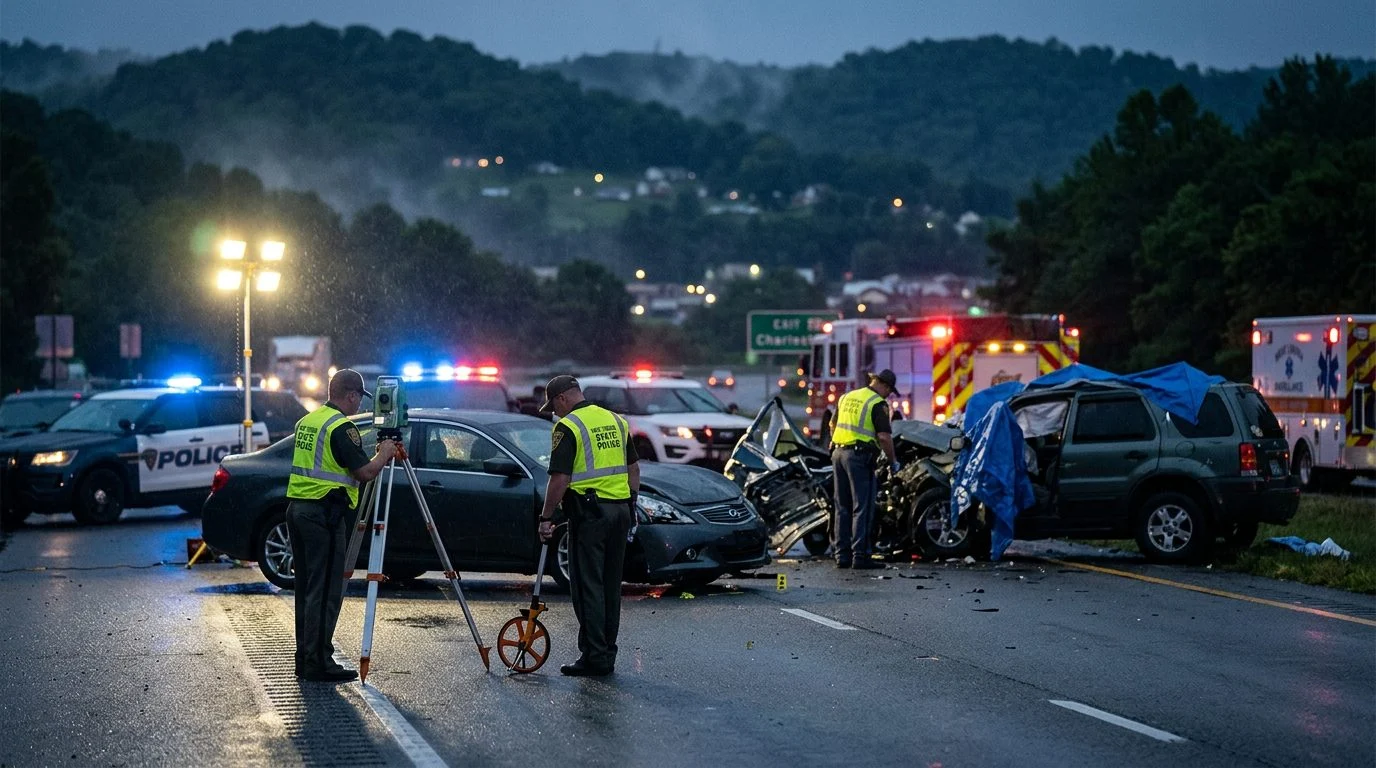
Start your own file now, while the report is pending. Photos of the scene and both vehicles help. So do names and phone numbers of any witnesses, and receipts for towing, a rental car, and other out-of-pocket costs.
Insurance details can come sooner than the full report. Under W. Va. Code § 17c-4-7, the investigating officer must provide owner, operator, and insurance information for all involved parties, upon request, to each of the other involved parties and to each party’s respective insurance agents, at no cost, within 24 hours of the crash. This applies whether or not the report has been completed. Drivers also share information at the scene. W. Va. Code § 17c-4-3 requires each driver involved in a crash resulting in injury to or death of any person or damage to any vehicle which is driven or attended by any person, if physically able, to provide a name, a valid telephone number, the year, make, model and last four digits of the vehicle identification number, and proof of security and financial responsibility.
Keep every medical record, discharge paper, and bill tied to the crash. A head or spinal injury can need follow-up care, and a dated record of each visit helps show what happened.
If a truck or other commercial vehicle was involved, federal rules add records to gather. The Federal Motor Carrier Safety Regulations in eCFR Title 49 apply to all employers, employees, and commercial motor vehicles that transport property or passengers in interstate commerce, subject to the exceptions the section lists. Write down the company name on the vehicle and any transportation department number shown on it.
Which agency has my West Virginia crash report?
The agency that investigated the crash holds the report. That is a municipal police department, the county sheriff’s office, or the State Police, depending on where the crash happened.
Does the crash report decide who was at fault?
No. The report records what the officer documented. It is not a final ruling on fault.
Can I get insurance information before the report is finished?
Yes. Under state law, the investigating officer must provide insurance information within 24 hours on request, whether or not the report is complete.
If you’re gathering these records after a serious crash, you don’t have to sort it out alone. You can reach out to us for a free case review at our contact page.