
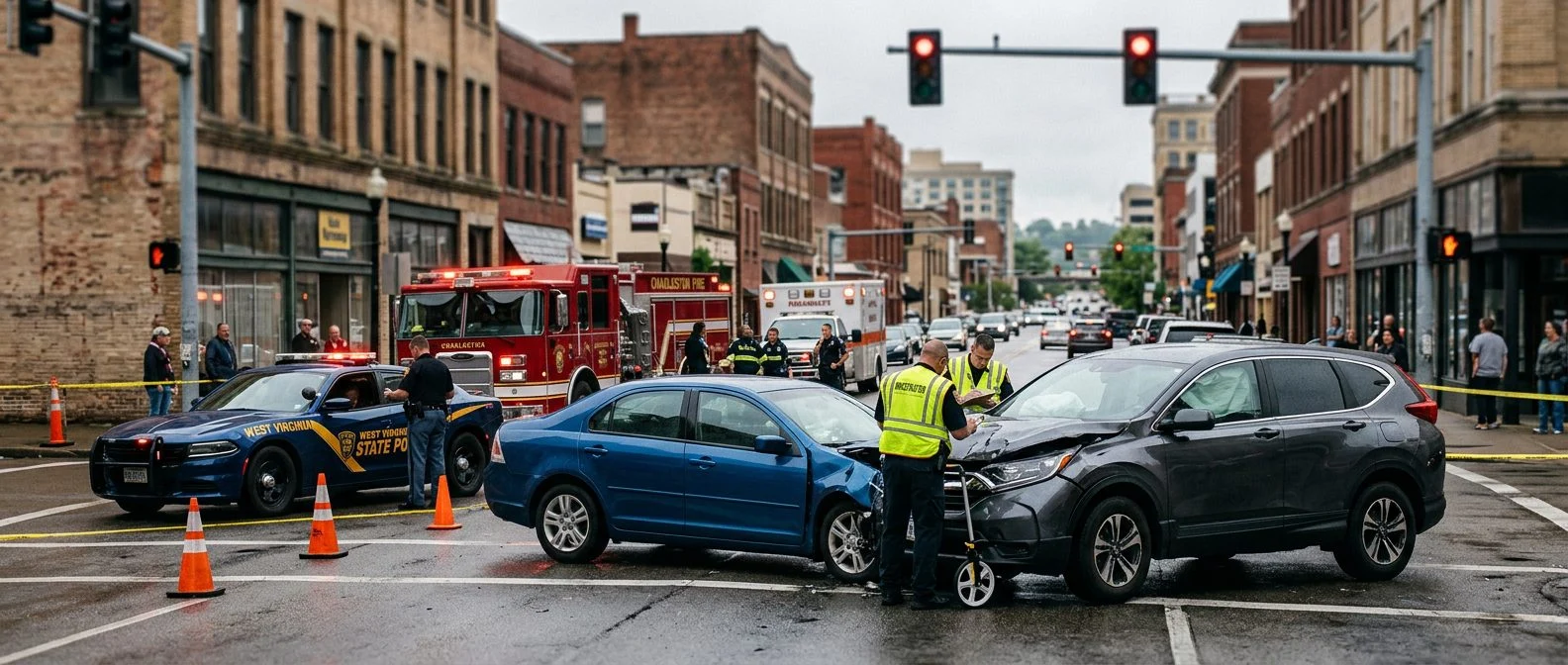
Left Turn Car Accidents | West Virginia
Hurt in a Left Turn Crash? Talk With Our Firm About Your Case.
Big Bubba Injury Law represents people injured in left turn collisions across West Virginia, including drivers and passengers in Charleston, Huntington, Morgantown, Wheeling and the Eastern Panhandle. Call us to start the conversation.
Published October 27, 2026
If another driver’s carelessness caused your left-turn or intersection crash, you may have a claim for the losses it caused. Fault is the central question, and West Virginia law decides how it is shared. This page explains how these claims work, what evidence matters most, and which deadlines apply. If you’re searching for a left turn car accident lawyer West Virginia residents can talk with, these basics come first.
What a left-turn or intersection crash injury claim covers
A claim seeks compensation for losses caused by another person’s negligence, which means careless conduct behind the crash. A left-turn crash happens when one driver turns across oncoming traffic. An intersection crash can happen at a traffic signal, at a stop sign, or at a junction with no traffic control. Some start at one intersection and pull in several vehicles.
Losses often include medical bills, lost income, and pain and suffering. Pain and suffering means the physical and emotional harm a crash causes.
The firm handles car accidents, truck and commercial vehicle accidents, catastrophic injuries, traumatic brain injury, spinal cord injury, and wrongful death. Many intersection crashes fall into one of these groups. Searching for a left turn car accident lawyer West Virginia drivers trust? Start with what the claim covers.
This page is written for:
- Drivers and passengers hurt at a junction
- Pedestrians and cyclists struck in an intersection
- Families of someone killed in an intersection crash
We serve injury victims across West Virginia, including Charleston, Huntington, Morgantown, Wheeling, Martinsburg, Parkersburg, Beckley, Clarksburg, Fairmont and Weirton.
If you're still sorting out what happened, you don't have to work it out alone. Talk it through with Big Bubba — the first case review is free, confidential, and carries no obligation.
Who is usually at fault in a left-turn crash?
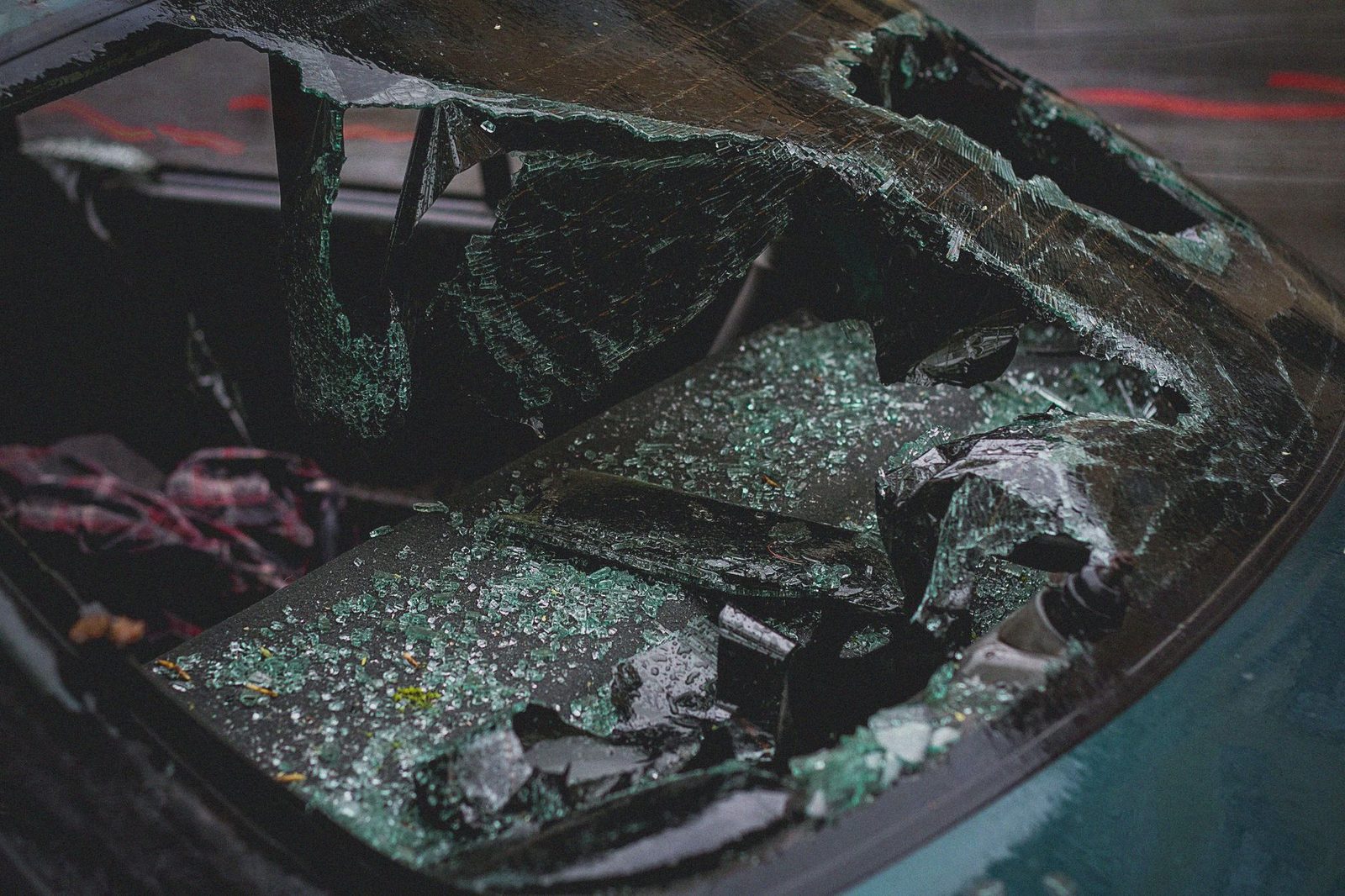
Fault usually turns on right of way, traffic signals, and whether each driver could see and react in time. In many left-turn cases, the main dispute is whether the turning driver judged oncoming traffic correctly. A driver who ran a red light or stop sign may carry significant fault. When both drivers say they had a green light, physical evidence and witness accounts often settle the question.
Under W. Va. Code § 55-7-13a, comparative fault is the degree to which a person’s fault was a proximate cause of an alleged personal injury, death or property damage, expressed as a percentage, and each person’s liability is allocated in direct proportion to that person’s percentage of fault. Under W. Va. Code § 55-7-13c, your own share of fault does not bar recovery unless it is greater than the combined fault of everyone else responsible. If your share is lower, your recovery is reduced by your percentage of fault.
A common mistake is assuming the turning driver is always at fault. Another is giving a quick account of speed or timing before the facts are clear.
What evidence matters most in an intersection crash claim?
The police report, scene photos, witness accounts, and medical records usually matter most. Start with these:
- Police report: The officer’s diagram, notes, and citations show how the crash happened. You can ask the reporting agency for a copy.
- Scene photos: Skid marks, debris, vehicle damage, and the signal’s position and timing. Take photos only when it is safe.
- Witnesses and video: Names and phone numbers of people who saw the light or the turn, plus business, traffic, or dashcam footage.
- Vehicle data: Many newer vehicles record speed and braking shortly before impact.
- Medical records: The first emergency visit and every follow-up tie the injury to the crash.
Truck and commercial crashes can add more parties and records. Post-accident drug and alcohol testing may be required for some commercial truck crashes, and the Federal Motor Carrier Safety Administration describes when testing occurs.
Which injuries are common in intersection crashes?
Side-impact crashes can send force into the head, neck, and spine. That is why brain and spinal cord injuries come up often in these claims.
Many serious injuries do not look severe at the scene. Headaches, dizziness, memory or concentration trouble, and neck or back pain can appear hours or days later. Waiting to see whether symptoms fade can delay useful records. Early medical evaluation creates a record that links these symptoms to the crash.
The firm’s injury work covers:
- Traumatic brain injury: Harm to the brain from a blow, jolt, or penetrating wound.
- Spinal cord injury: Damage to the nerves running through the spine, which can affect movement and feeling.
- Catastrophic injuries: Injuries that cause long-term loss of function, need ongoing care, or change work and daily life in a major way.
Can an insurance adjuster ask for a recorded statement right away?
Early on, West Virginia law limits settlement talks and statements. Under W. Va. Code § 55-7-11a, for 20 days after an injury, no one may negotiate a settlement with an injured person who is an inpatient in any hospital or who is partially or totally unable to engage in his or her usual trade, profession or occupation. No one may get a statement for settlement use in that window either, except that a person acting for and on behalf of the injured person may obtain a statement, oral or written, upon the injured person’s express request.
Many people choose to talk with a lawyer before giving a recorded statement. Early offers can come before the full extent of an injury is known.
Under W. Va. Code § 33-6-31, every motor vehicle liability policy issued or delivered in West Virginia must include uninsured motorist coverage, which pays the insured the sums they are legally entitled to recover as damages from the owner or operator of an uninsured motor vehicle, up to the policy’s limits, and those limits must be no less than the state’s minimum financial responsibility requirements. Higher limits and underinsured motorist coverage are options the insured may choose, with appropriately adjusted premiums. Whether that coverage applies turns on your policy and the crash details. When the other driver is gone, witness names and a prompt police report matter even more.
What are the filing deadlines, and what happens next?
For most personal injury claims in West Virginia, the filing deadline is generally two years after the right to bring the claim accrues, and exceptions may apply. Under W. Va. Code § 55-2-12, a personal injury action for which no other limitation is prescribed must be brought within two years after the right to bring it accrues.
Wrongful death follows a different path. Under W. Va. Code § 55-7-6, the action is brought by the personal representative of the deceased person’s estate, and it must start within two years after the death. Other rules can change the timing, so the exact deadline depends on the facts.
Typical steps look like this:
- Free case review: A confidential first talk about the crash, the injuries, and the papers you already have. It comes without obligation to continue.
- Evidence and medical records: Gathering the police report, photos, witness details, and treatment records.
- Demand and negotiation: Presenting the claim to the insurer and discussing a fair resolution.
- Lawsuit if needed: Filing in court when a fair resolution is not reached.
Timelines vary with injury severity, the number of parties, and whether a commercial carrier is involved. Keep a simple written log of symptoms, appointments, and missed work. That record helps the firm understand how the crash changed your daily life.
Not sure what your next step is?
Talk it through with Big Bubba — the first case review is free, confidential, and carries no obligation.
Common questions about left-turn and intersection crash claims
Does a left turn always mean the turning driver is at fault?
Not always. Right of way, signals, and the evidence all shape fault, and both drivers can share it.
Do I need a police report to bring a claim?
A police report helps, but it is not the only proof. Witness statements, photos, and medical records also show what happened.
Can I still have a claim if I was partly at fault?
Possibly. Under West Virginia’s comparative fault rule, your recovery is reduced by your share of fault and is barred only if your share is greater than everyone else’s combined.
What changes if a commercial truck was involved?
More parties can be involved, including the employer. Driver logs, maintenance files, and testing records may also matter.
Who can bring a wrongful death claim after a fatal intersection crash?
Under West Virginia law, the claim is brought by the personal representative of the deceased person’s estate. The firm can explain how that applies to your facts.

Talk with the firm about your intersection crash
If you’re still sorting out what happened, you don’t have to work it out alone. You may be dealing with a crash you did not choose, injuries still showing up, insurance calls, and conflicting accounts of who had the light. If you are looking for a left turn car accident lawyer West Virginia families can call, the next step is a simple conversation. You can call the firm about your case, request a free case review through the Big Bubba contact page, or tell Big Bubba what happened in your own words.
Related practice areas
- Traumatic Brain Injury from Car and Truck Accidents in West Virginia
- West Virginia Wrongful Death Lawsuit Stages: Filing to Trial