
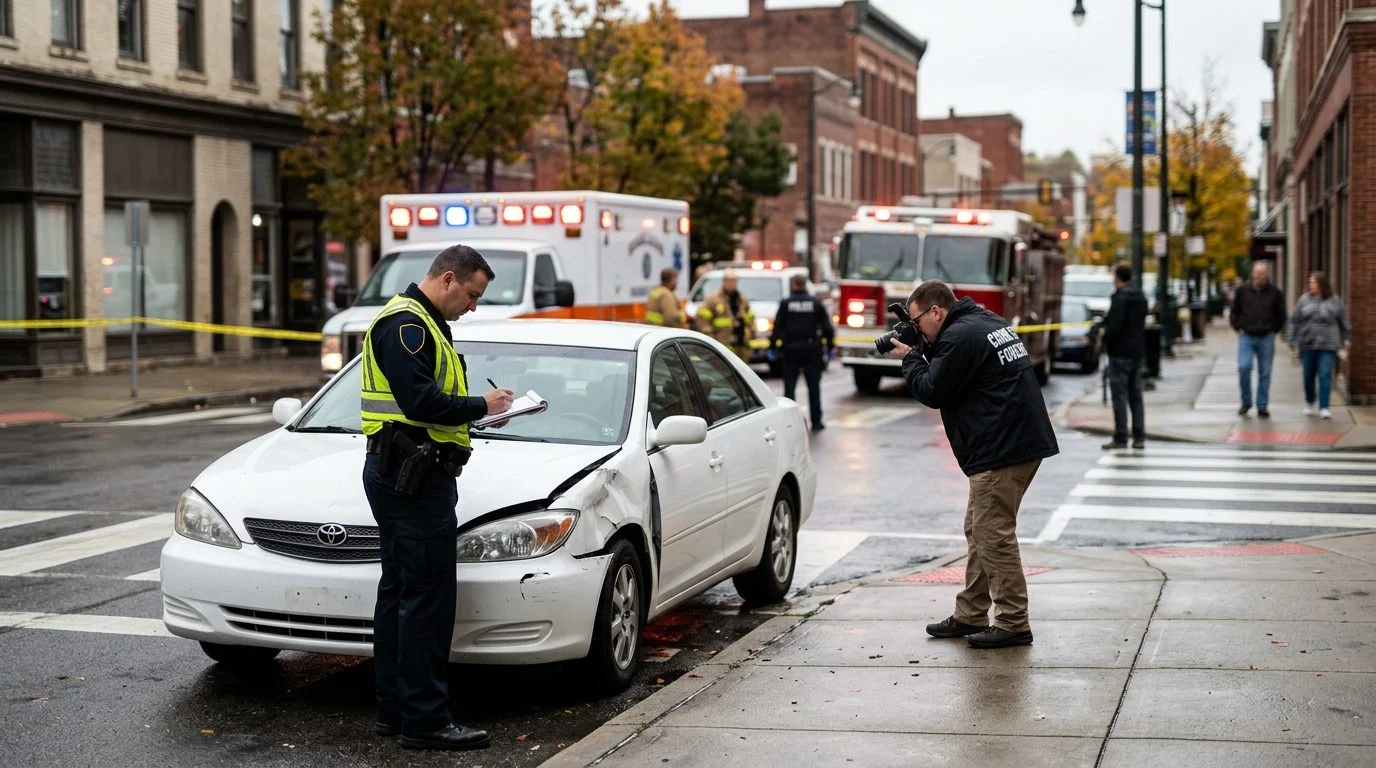
Pedestrian Injury Claims in West Virginia
Hit by a Car? You Do Not Have to Figure Out the Next Steps Alone
The firm represents people seriously hurt when a vehicle strikes them, and families in wrongful death cases, across West Virginia, including Charleston, Huntington, Morgantown, and Wheeling.
Published November 7, 2026
If a vehicle hit you while you were on foot in West Virginia, you may have a personal injury claim. West Virginia generally allows two years to file, and exceptions may apply (W. Va. Code § 55-2-12). This page explains how pedestrian injury claims work, what to protect early, and how to reach the firm. Many people searching for a hit by car lawyer West Virginia are reading from a hospital bed or a kitchen table. You don’t have to sort out every detail at once.
What a Pedestrian Injury Claim Is and Who It Is For
A pedestrian injury claim is a legal claim brought by a person who was struck by a vehicle while walking, running, or crossing a street. Families facing a fatal crash often have many questions about what comes next. The claim may involve a driver, a commercial vehicle operator, or another party. Who may be responsible turns on the details of the crash.
People often ask whether these claims differ from other car accident claims. The core questions are similar: who was at fault, what injuries occurred, and what deadlines apply.
The firm serves people with serious injuries, families in wrongful death cases, and people hurt in car and commercial truck crashes across West Virginia. That includes catastrophic injuries, traumatic brain injury, and spinal cord injury claims that begin with a pedestrian crash.
If a driver's conduct may be behind your injuries, you may have a claim, and you don't have to figure out the next step alone. Reach out to the firm for a free case review. Talk it through with Big Bubba — the first case review is free, confidential, and carries no obligation.
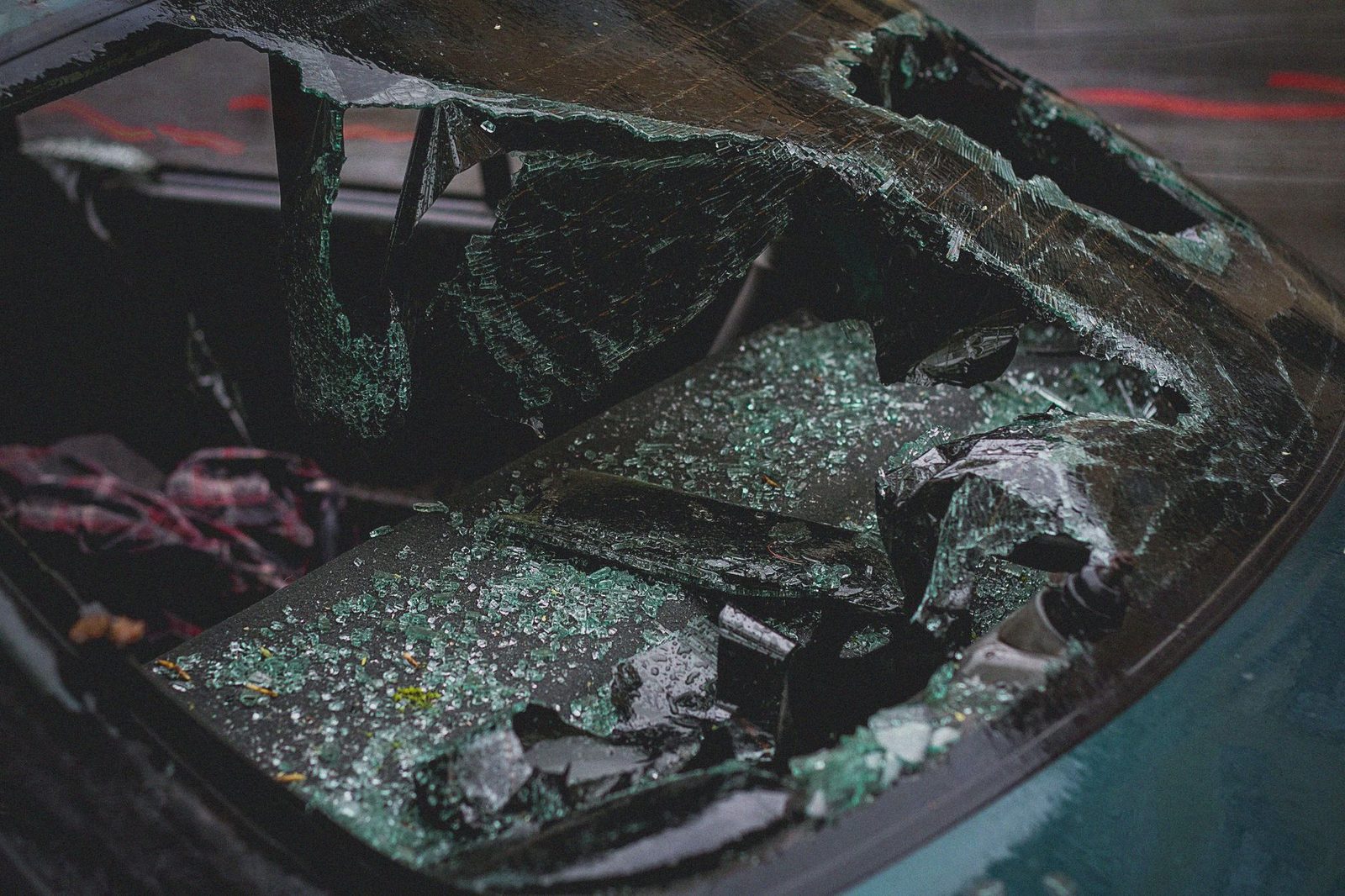
How Pedestrians Are Commonly Struck in West Virginia
Pedestrian crashes often happen where people and vehicles share the same space. Common settings include:
- Marked and unmarked crosswalks
- Parking lots and driveways, where drivers are backing up or turning
- Intersections, where vehicles turn across a walker’s path
- Poorly lit roads, especially at night
- Roads with no sidewalks, where walkers share the lane with traffic
Several kinds of driving conduct may be examined after a pedestrian crash. Distraction, speeding, and failure to yield are examples. West Virginia’s traffic laws also describe reckless driving, and that conduct may matter in a particular crash.
If the driver left the scene, the crash may still support a claim. The details you record early will help shape the next steps.
A walker has little protection. A short walk across a parking lot can end in a serious injury, which is why early documentation matters.
Injuries Pedestrians Often Suffer
Pedestrians often suffer head, spine, and bone injuries because a vehicle strikes the body with little protection. The injuries can include:
- Traumatic brain injury, from a concussion to more severe brain trauma
- Spinal cord injury, which can affect movement and feeling
- Broken bones and internal injuries
- Road rash and crush injuries
Some brain injury symptoms can appear hours or days after a crash. A same-day medical check matters even when a person feels fine. Medical records are central to showing the injury and its treatment, so keep every appointment and discharge paper. Early treatment also creates a record that links the injury to the crash, and insurers may look closely at that record. The full extent of an injury often becomes clearer after diagnosis and treatment. Recovery varies from person to person.
Deadlines and Who May Be Responsible
West Virginia generally allows two years to file a personal injury claim, and exceptions may apply. A missed deadline can affect whether a claim may be pursued, so early review is useful. The West Virginia two-year injury deadline sets out the basic rule.
See the wrongful death filing rules.
West Virginia also uses modified comparative fault. The injured person’s fault does not bar recovery unless it is greater than the combined fault of all other persons responsible. Otherwise, recovery is reduced in proportion to that person’s fault. The modified comparative fault rule explains the details.
When a commercial vehicle is involved, the commercial vehicle liability law defines an “employer defendant.” That term can include the vehicle’s owner, the operator’s employer, and others who hold legal control of the vehicle.
When another driver was at fault, that driver’s insurer may become involved. Some insurers may dispute a claim.
Evidence and Steps That May Help After a Pedestrian Crash
The steps that may help most are early medical care, a clear record, and caution with early insurance contacts.
- Get medical care right away, even if injuries seem minor.
- Get the police or crash report from the investigating agency, and note the report number.
- Write down witness names, the location, weather, and lighting. Photograph the scene and any visible injuries.
- Note the driver’s license plate if you saw it.
- Keep clothing, footwear, and phone records. Save any dash-cam or security video you can find.
- Keep a simple journal of symptoms, missed work, and daily limits.
Be careful with early contacts. The twenty-day settlement rule limits settlement talks and statements during the first twenty days after a personal injury. That limit applies when the injured person is an inpatient in any hospital or is partially or totally unable to engage in his or her usual trade, profession or occupation. Under W. Va. Code § 55-7-11a, a settlement, release of liability or statement obtained in violation of this section may be disavowed by the injured person at any time within one hundred eighty days from the date of the personal injury.
What to Expect When You Contact the Firm
The firm offers a free case review, which is confidential and carries no obligation to continue. Here is how the process typically goes:
- First contact. You share who was hurt, when the crash happened, and where it happened.
- Conversation. You describe what happened and where treatment stands.
- Review. The firm looks at the crash report and medical information you have.
- Next steps. The firm discusses how West Virginia’s rules may apply to your situation.
Family members can reach out for an injured adult or a deceased loved one. Helpful details include the crash date and location, the report number, hospital discharge papers, and the names of anyone involved. Bring any questions you have, even if they seem small.
Not sure what your next step is?
Talk it through with Big Bubba — the first case review is free, confidential, and carries no obligation.

Frequently Asked Questions
Can I still have a claim if I was partly at fault?
West Virginia uses modified comparative fault, so partial fault may reduce recovery rather than always bar it.
Does every pedestrian claim end in a lawsuit?
No. Not every claim ends in a lawsuit, and whether one is needed depends on how the parties respond.
What if I was hit in a parking lot?
Parking-lot crashes may still support a claim. Fault is reviewed based on the details of the crash.
Do hospital bills affect a settlement?
They can.
If a driver’s conduct may be behind your injuries, you may have a claim, and you don’t have to figure out the next step alone. Tell Big Bubba what happened and request a free case review.