
Pedestrian Injury Claims | West Virginia
Struck by a Car While Walking? Brain Injury Claims Across West Virginia
Big Bubba Injury Law represents people seriously hurt when a driver strikes them on foot, and families facing the loss of a loved one. Tell us what happened.
Published October 24, 2026
Yes. A person hit by a car while walking in West Virginia may have a personal injury claim if a brain injury follows. This guide covers the pedestrian struck by car brain injury West Virginia situation step by step. It explains common injuries, how fault is decided, the deadlines that apply, and what the process usually looks like.
What a Pedestrian Brain Injury Claim Covers and Who It Is For
A pedestrian struck by car brain injury West Virginia case seeks compensation from the people responsible for the crash. The claim is usually made against the driver. In some cases, it can also reach an employer or vehicle owner.
You may need a claim if you are:
- An injured pedestrian who can make decisions about your own case.
- A family member acting for an adult who cannot yet make decisions.
- A family member whose loved one died from brain injuries after being hit.
The firm handles car and commercial vehicle crashes, traumatic brain injury, catastrophic injuries, and wrongful death. We serve Charleston, Huntington, Morgantown, Wheeling, Martinsburg, Parkersburg, Beckley, Clarksburg, Fairmont and Weirton, and injury victims across West Virginia.
A brain injury claim often seeks compensation for medical expenses, rehabilitation, lost income, and the effect on daily life. The exact damages depend on your records and your situation.
If a car struck someone you love and a brain injury followed, you don't have to sort out the next steps alone. Request a free case review with the firm. Talk it through with Big Bubba — the first case review is free, confidential, and carries no obligation.
The Most Common Brain Injuries in Pedestrian Crashes
Pedestrian crashes can cause several types of brain injury. Each one shows up differently.
- Concussion (mild traumatic brain injury): headache, confusion, dizziness, sensitivity to light and noise, memory trouble, and mood changes.
- Contusion: bruising of brain tissue, often where the head meets the pavement or windshield.
- Diffuse axonal injury: tearing of nerve fibers from rotational force.
- Skull fracture and bleeding: including epidural and subdural hematomas, which can need emergency surgery.
Symptoms can be delayed. Some signs appear hours or days after the crash. Any head strike should be checked by a medical provider, even if you feel fine at first.
A normal scan does not rule out every brain injury. Ongoing symptoms still need medical follow-up and written records. The Brain Trauma Foundation prehospital guidelines describe how head injuries are assessed before a patient reaches the hospital.
How Injury Severity Is Judged After a Pedestrian Crash
No single impact speed tells you how badly a pedestrian will be hurt. Outcomes depend on several factors:
- How fast the vehicle was moving at impact.
- The angle of the strike.
- Whether the head hit the windshield, hood, or pavement.
- The person’s age, health, and time to emergency care.
Emergency teams check responsiveness and look for bleeding, often with CT imaging. A brain bleed can need emergency surgery. Prompt care matters for treatment and for a clear medical record.
Recovery timelines vary widely. The firm does not predict how any person’s recovery will go. The treating medical team is the right source for prognosis.
A common mistake is waiting to mention headaches or memory trouble to a doctor. Early written notes make it easier to connect symptoms to the crash.
Who May Be Responsible When a Pedestrian Is Struck
The driver is the first party to look at. Other parties may share responsibility in some crashes.
Driver conduct. Common issues include distracted driving, speeding, failure to yield, and failure to keep a lookout. A driver who was impaired may face joint liability. Under W. Va. Code § 55-7-13c, each defendant’s liability for compensatory damages is generally several only, so each defendant is liable only for the share of damages allocated in direct proportion to that defendant’s percentage of fault.
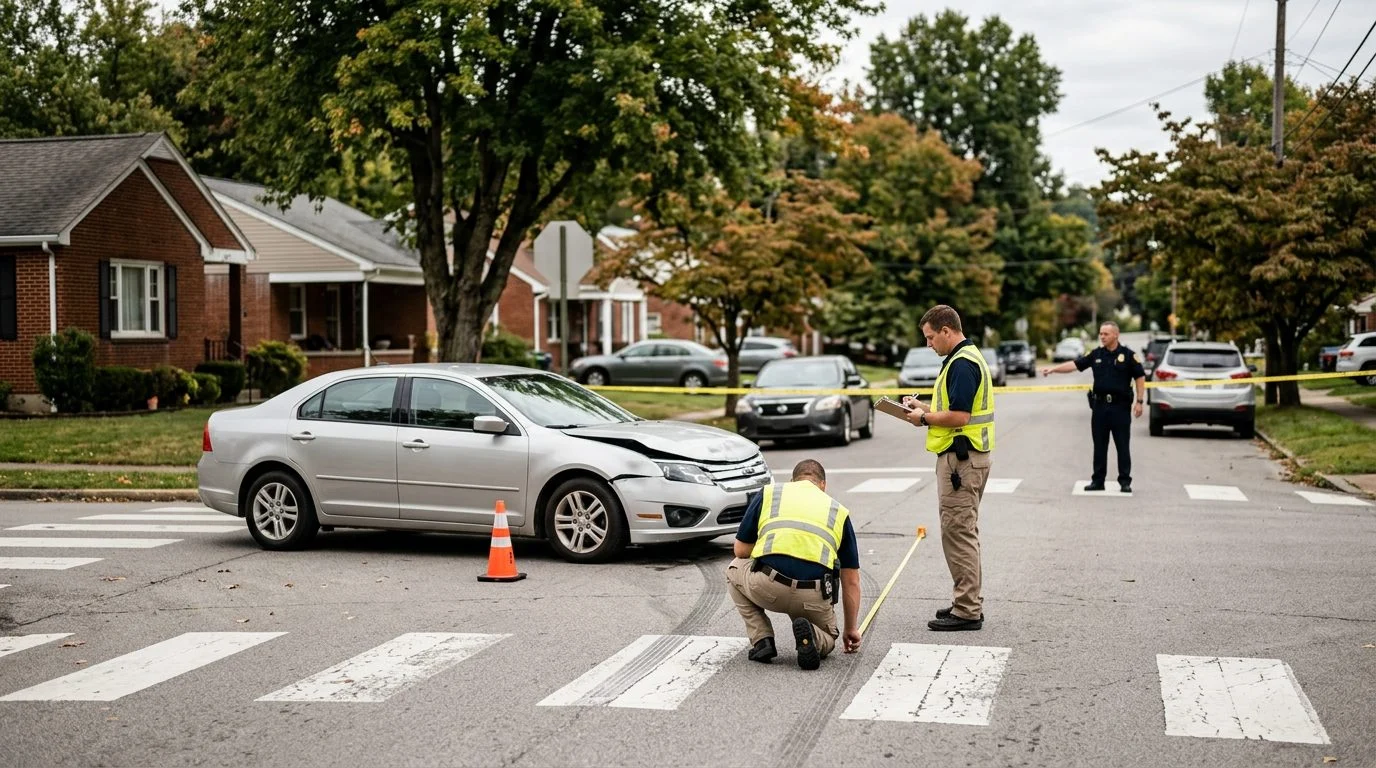
Crosswalks and right-of-way. Who had the right of way at a marked or unmarked crosswalk or intersection is a key fact. Police reports and witness statements often help show what happened.
Commercial vehicles. When a truck, delivery van, or company vehicle is involved, the employer or fleet owner can be a defendant, and under West Virginia law each defendant is generally liable only for its share of compensatory damages, in direct proportion to its percentage of fault. Federal truck safety rules appear in Title 49 of the Code of Federal Regulations. Under W. Va. Code § 55-7-32, for causes of action arising after July 1, 2024, that involve the operation of a commercial motor vehicle requiring a commercial driver’s license, the maximum amount recoverable by each person injured or killed against the employer defendant as compensatory damages for noneconomic loss, such as pain and suffering, may not exceed $5 million for each occurrence, regardless of the number of claims or theories of liability, and that limit adjusts for inflation beginning January 1, 2026, though it may not apply in every case. The limit does not apply in every case, including when the employer lacks at least $3 million in commercial vehicle insurance. See W. Va. Code § 55-7-32.
Shared fault. West Virginia uses modified comparative fault, meaning fault is expressed as a percentage. Your fault bars recovery only if it is greater than the combined fault of everyone else. If it is less, your recovery is reduced in proportion to your fault. See W. Va. Code § 55-7-13c.
Hit-and-run. If the driver leaves the scene, a claim can still be explored. See W. Va. Code § 33-6-31.
Evidence and Deadlines That Matter in a Pedestrian Brain Injury Claim
Most personal injury claims in West Virginia must be filed within two years. That two-year limit for personal injury damages is in W. Va. Code § 55-2-12. A wrongful death action must be commenced within two years after the death, subject to the provisions of section eighteen, article two, chapter fifty-five, under W. Va. Code § 55-7-6. W. Va. Code § 55-7-6 reads: “The provisions of this section shall not apply to actions brought for the death of any person occurring prior to July 1, 1988.” Other deadlines can apply depending on the facts, so early review matters.
West Virginia law also limits early settlement contact. See W. Va. Code § 55-7-11a.
Useful evidence includes:
- The police report and crash report number.
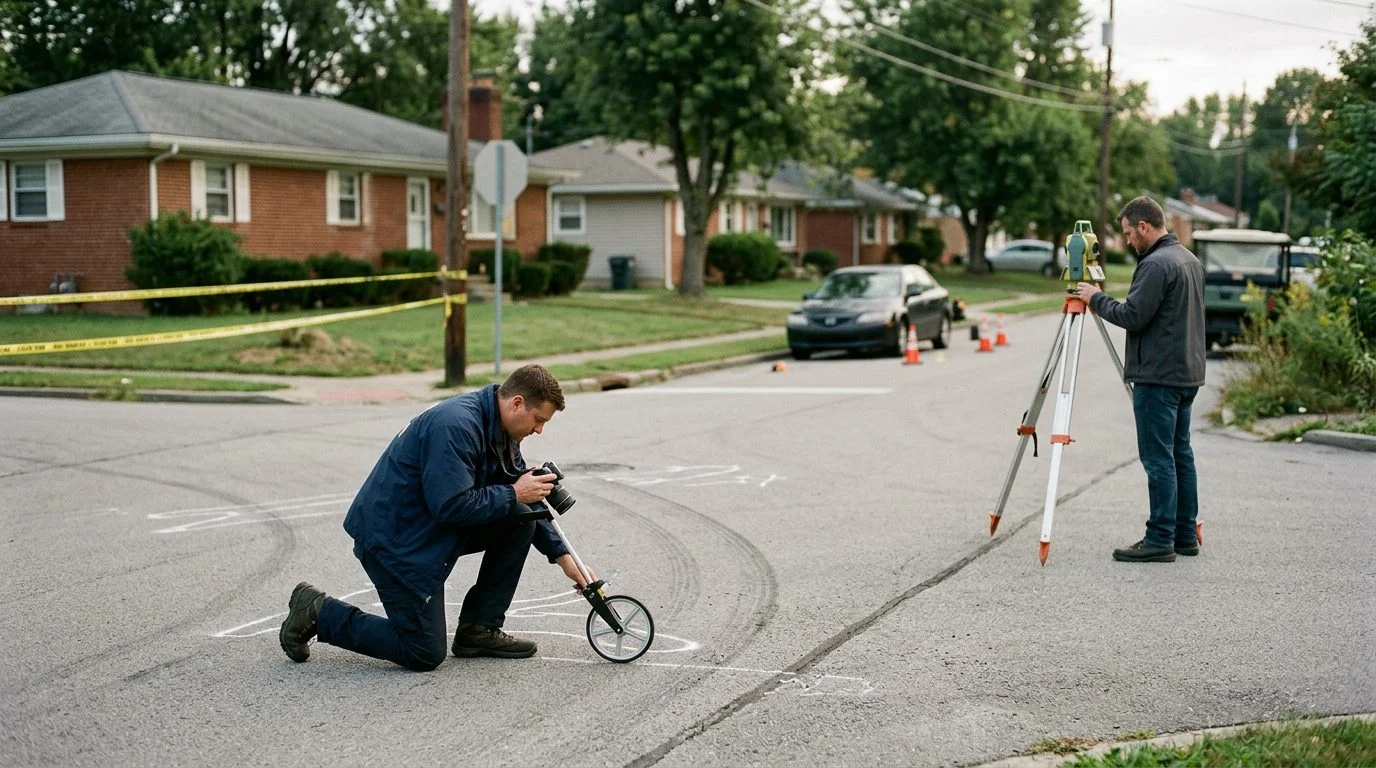
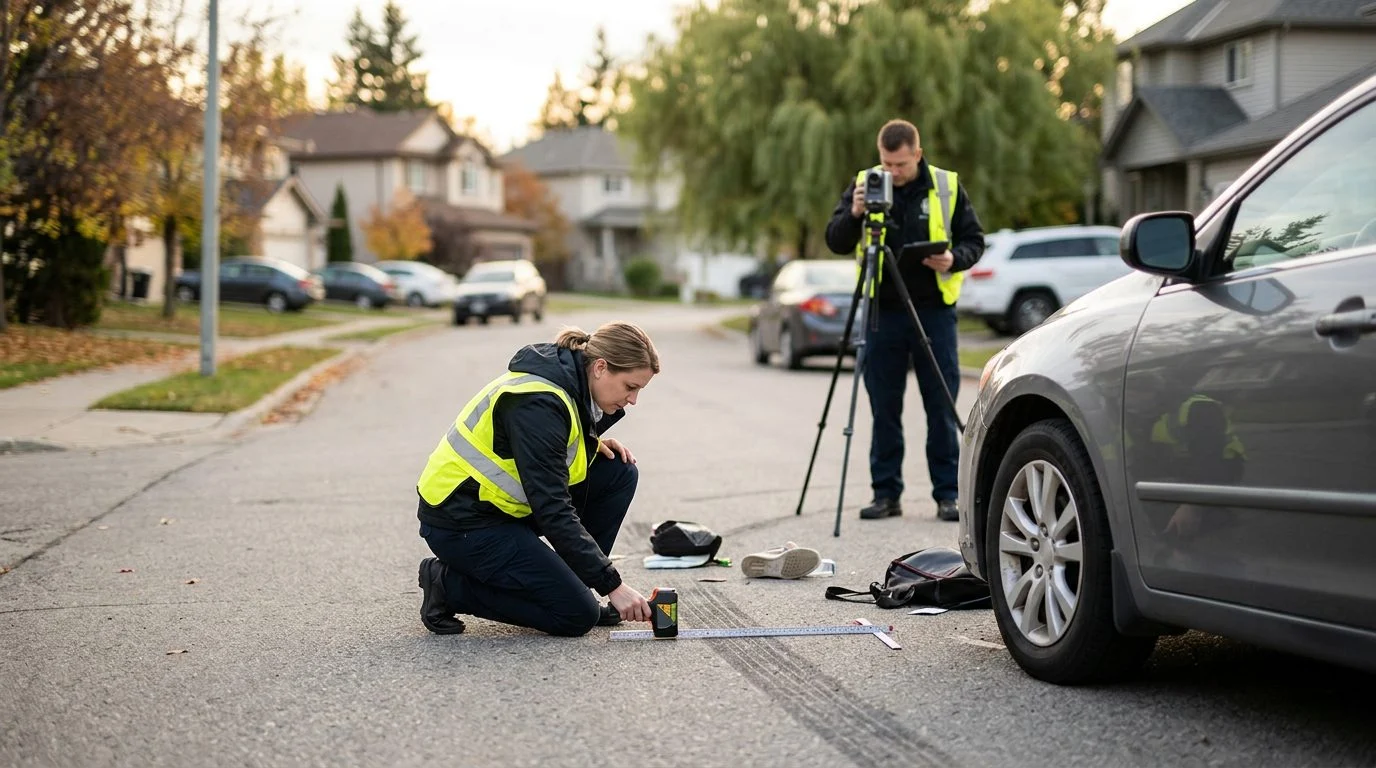
- Photos of the scene and vehicle damage.
- Names and contact details of witnesses.
- Any surveillance or dashcam video.
- Emergency room records, imaging reports, and follow-up visit notes.
- A daily symptom journal and records of missed work.
Be careful with recorded statements to an insurance adjuster.
What to Expect From Start to Finish
Most claims move from a free case review to investigation, medical documentation, and then negotiation or a lawsuit.
- Free case review. The firm reviews the crash facts and the paperwork you have. The review is confidential.
- Investigation. The firm requests the police report, gathers records, identifies insurers, and asks that evidence like vehicle data and video be preserved.
- Medical documentation. Treating providers’ records are gathered to show diagnosis, treatment, and the expected course of care.
- Negotiation or filing. Many claims are negotiated with insurers. If a fair resolution is not reached, a lawsuit may be filed in the proper West Virginia court.
Brain injury claims often take months or longer. Recovery must be better understood before the full impact can be valued.
When a pedestrian dies, the wrongful death claim must be brought by the personal representative appointed for the deceased person. Damages may include sorrow, mental anguish, and solace. They may also include lost income and services, care expenses, and reasonable funeral expenses. See W. Va. Code § 55-7-6.
Not sure what your next step is?
Talk it through with Big Bubba — the first case review is free, confidential, and carries no obligation.
Reaching Out About a Pedestrian Brain Injury After a Crash
The first steps are gathering records and understanding the deadlines. You don’t need every answer before you start.
You may have a loved one in the hospital or in rehabilitation. You may be watching symptoms change from week to week, or worrying about bills and missed work.
Gather these items to prepare:
- The crash report number.
- Hospital discharge papers.
- A list of symptoms and upcoming appointments.
- Names of any witnesses you know.
Common Questions
Can a pedestrian struck by car brain injury in West Virginia lead to a claim?
Yes. A person hit while walking may have a claim if a brain injury results and another party was at fault.
How long do I have to file?
Generally two years for personal injury, under W. Va. Code § 55-2-12. Wrongful death claims also generally run two years from the death.
Can I recover if I was partly at fault?
Possibly. Your recovery is barred only if your fault is greater than everyone else’s combined, and otherwise it is reduced.
What if the driver left the scene?
If you are still deciding what to do, you don’t have to face the next steps alone. When you’re ready, you can request a free case review with the firm about what happened.