
Car Accidents | West Virginia
Hurt in a Rear-End Crash? Talk to the Firm Today
We represent people injured when another driver hits them from behind, and families across West Virginia. Start with a free case review.
Published November 8, 2026
Whether a claim can be pursued against the other driver or that driver’s insurer depends on the facts of each crash. Rear-end crashes often cause neck, back, and head injuries, and some symptoms appear days later. This page explains how these claims generally work, which deadlines to know, and which steps often matter most.
What a Rear-End Collision Injury Claim Is
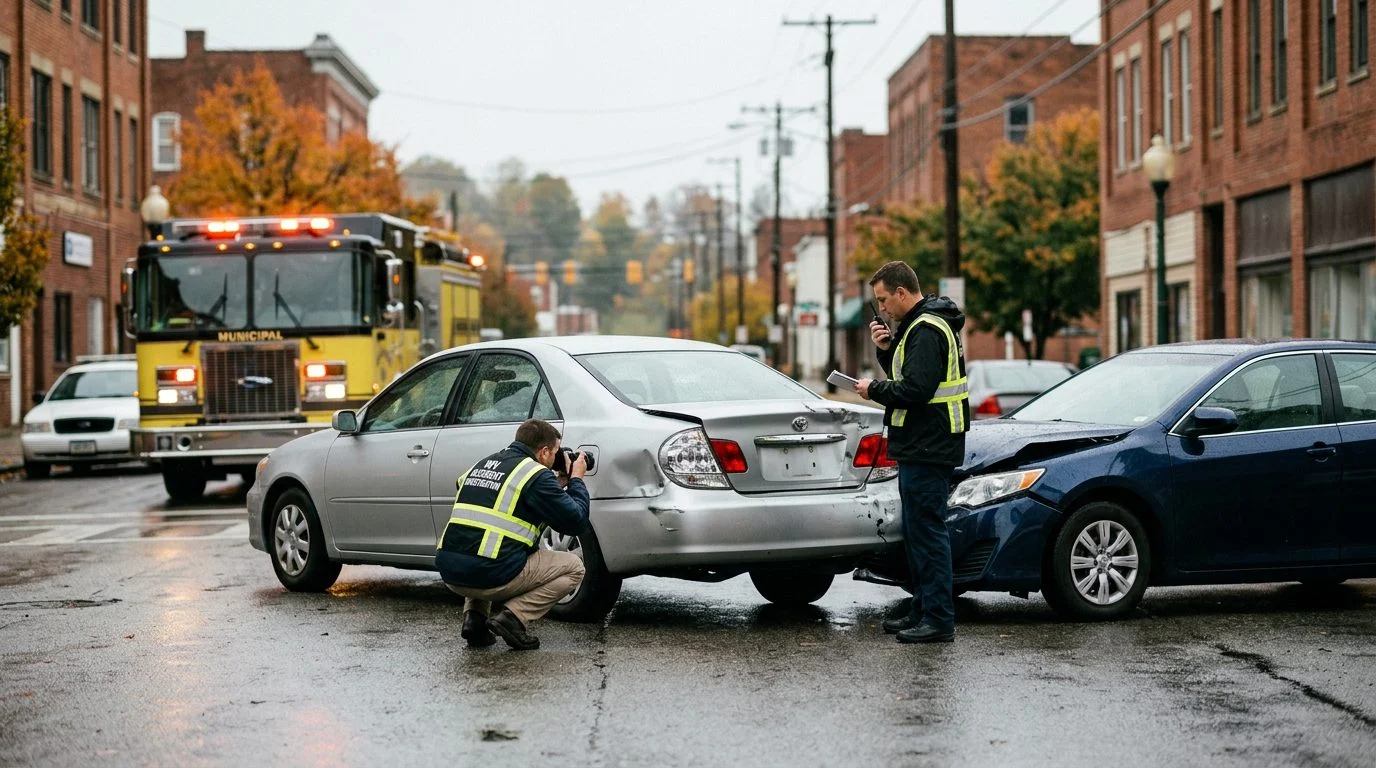
A rear-end collision happens when one vehicle hits the back of another. It often happens at a stop light, in slowing traffic, or after a sudden stop.
An injury claim asks the at-fault driver, or that driver’s insurer, to pay for losses caused by the crash. Those losses may include medical bills, lost pay, and pain and suffering.
A claim is different from a traffic ticket. A ticket is handled by the state. A claim is a civil matter between the injured person and the party responsible for the harm. Some claims settle without a lawsuit. Others must be filed in court.
This page is written for injured drivers and passengers. It is also written for family members who are helping someone recover after a crash.
The firm handles car accident claims, including rear-end crashes, for people across West Virginia. The firm also handles truck and commercial vehicle accident claims, catastrophic injuries, traumatic brain injury, spinal cord injury, and wrongful death matters.
Not sure what your next step is?
Talk it through with Big Bubba — the first case review is free, confidential, and carries no obligation.
Injuries That Often Follow a Rear-End Impact
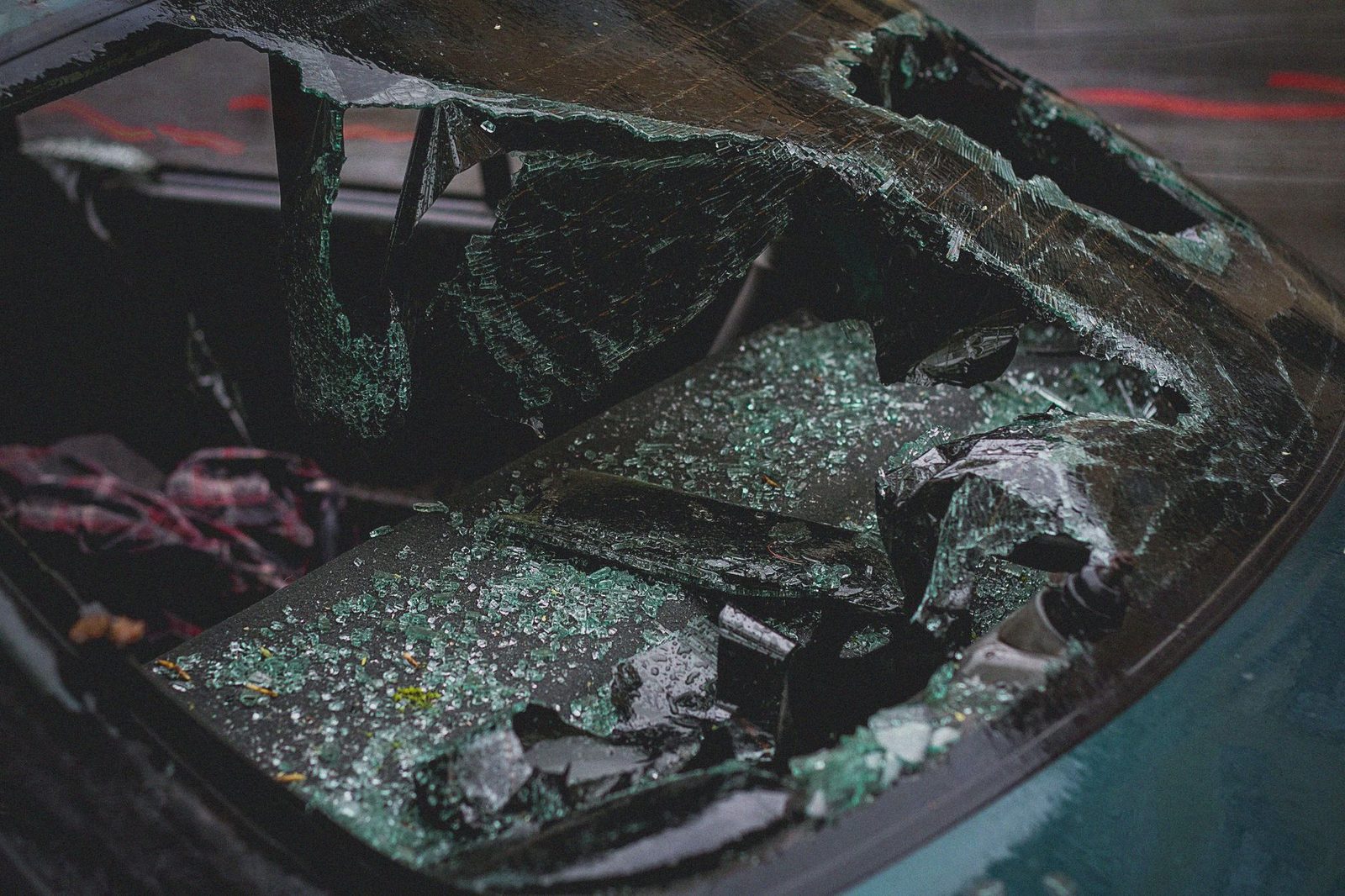
Neck and back soft-tissue injuries are among the injuries that often follow a rear-end impact. Symptoms can show up hours or days after the crash, so early signs are easy to miss.
Whiplash describes a neck injury caused by a sudden back-and-forth motion of the head. Symptoms may include neck pain, stiffness, headaches, and shoulder or back pain.
Head injuries matter too. A concussion or traumatic brain injury can follow a head impact or a hard jolt, even when there are no visible wounds. Symptoms may include headaches, confusion, memory problems, and changes in sleep or mood.
Spinal cord injuries are less common but more serious. MedlinePlus spinal cord injury information notes that motor vehicle accidents can cause spinal cord injury. It also notes that weakness, paralysis, and loss of feeling may result.
Get a medical evaluation after any crash, even if you feel fine at the scene. Waiting to see a provider can make it harder to link symptoms to the crash. Keep records of every visit, diagnosis, and treatment plan, since these records often matter later.
Who May Be at Fault in a Rear-End Crash
Fault in a rear-end crash depends on the facts, and it is often disputed. The driver who struck the car ahead is often examined first, but that is not automatic.
Investigators and insurers may look at following distance, speed, braking, distraction, weather, and any sudden stop or lane change by the lead driver.
West Virginia uses comparative fault. Under W. Va. Code § 55-7-13c, a plaintiff’s own fault generally does not bar recovery unless it is greater than the combined fault of everyone else responsible. If it is less, the recovery is reduced by the plaintiff’s share.
A police report is useful evidence, but it does not by itself decide fault. Officer notes, photos, and witness statements can all be relevant.
If another driver was at fault, that driver’s insurer may be involved in the claim. If you were partly at fault, the comparative fault rule still applies (W. Va. Code § 55-7-13c).
Deadlines to Know: The Statute of Limitations
A statute of limitations is a deadline for filing a lawsuit. Missing it can affect your claim. West Virginia generally allows two years for personal injury claims, and exceptions may apply.
W. Va. Code § 55-2-12 sets the general rule.
Wrongful death claims have their own timing. Under W. Va. Code § 55-7-6, a wrongful death action generally must be commenced within two years after the death. Under W. Va. Code § 55-7-6(d), a wrongful death action shall be commenced within two years after the death, subject to the provisions of section eighteen, article two, chapter fifty-five. The same subsection also states a separate exception for deaths occurring before July 1, 1988.
Evidence can fade with time. Vehicle damage can be repaired, photos can be lost, and witnesses can move away. Acting early helps keep the facts clear.
Your own dates depend on your facts, so it helps to know them early. A claim filed after a deadline can be dismissed, depending on the facts.
What a Rear-End Injury Claim May Cover
A claim may include several kinds of losses, depending on the injuries and the facts.
- Past and future medical bills
- Lost wages and reduced ability to earn
- Vehicle repair or replacement
- Pain, suffering, and loss of daily enjoyment
Lost earning ability can matter even when a person returns to work. For a wrongful death claim, the law lists specific damages. Under W. Va. Code § 55-7-6, a verdict may include sorrow, mental anguish, and solace, lost income and services, care and hospital expenses, and reasonable funeral expenses.
Some insurers may dispute a claim or the value of certain losses. Keep records that show each loss as it happens.
If the other vehicle was a commercial truck, federal rules may also apply. The Federal Motor Carrier Safety Regulations appear in Title 49 of the Code of Federal Regulations.
Step-by-Step: From the Crash to Resolution
The first steps are medical care, evidence, and careful talks with insurers. Each step can affect the claim later.
- Get medical care. Follow your provider’s plan and keep every record.
- Gather evidence. Keep the crash report, photos, witness names, and repair estimates.
- Be careful with early talks. Under W. Va. Code § 55-7-11a, for twenty days after a personal injury, certain settlement talks are limited if the injured person is in a hospital or is partially or totally unable to engage in his or her usual trade, profession or occupation. Under W. Va. Code § 55-7-11a, a settlement, release of liability or statement entered into, obtained or made in violation of that section may be disavowed by the injured person at any time within one hundred eighty days from the date of the personal injury by executing a written statement of disavowal and forwarding a copy of it to the person who violated that section, and it then may not be admissible in evidence if any consideration paid is repaid or returned to the person who paid it.
- Track losses. Record missed work, travel to appointments, and how the injury affects daily life.
- Evaluate and decide. Review fault and damages, then discuss options such as negotiation or filing a lawsuit.
Timelines vary. They depend on the injuries, the evidence, and whether the claim must go to court.
Not sure what your next step is?
Talk it through with Big Bubba — the first case review is free, confidential, and carries no obligation.
Common Questions About Rear-End Injury Claims
Most readers ask about whiplash, partial fault, and missed deadlines. Short answers follow.
Can whiplash support a claim?
Whiplash claims usually rely on medical records that link symptoms to the crash. Results depend on the facts.
What if I was partly at fault?
West Virginia’s comparative fault rule may reduce recovery by your share (W. Va. Code § 55-7-13c). It may bar recovery if your fault is greater than everyone else’s combined. W. Va. Code § 55-7-13c reads: “(c) Any fault chargeable to the plaintiff shall not bar recovery by the plaintiff unless the plaintiff’s fault is greater than the combined fault of all other persons responsible for the total amount of damages, if any, to be awarded.”
Does the police report decide fault?
No. It is evidence, not a final decision on fault.
What if I miss the deadline?
Missing the deadline can bar a claim, and exceptions may apply. Dates matter, so know them early.

Reviewing Your Rear-End Crash With the Firm
If you’re hurt, or you’re helping someone who is, you may be dealing with pain, bills, and time away from work. A sudden crash can change your routine in a single day.
The firm handles car accident, truck, and commercial vehicle claims, catastrophic injuries, traumatic brain injury, spinal cord injury, and wrongful death matters across West Virginia.
When you reach out, it helps to have the date of the crash, the crash report number if you have one, names of your providers, and notes on your symptoms. If you want to talk through what happened, you can request a free case review through the firm’s contact page. You can also tell Big Bubba what happened.