
West Virginia Crash Claims
A Police Report Says You Caused the Crash? Here's What It Can and Cannot Decide
Clear, practical answers for West Virginia drivers and families who have been told a report puts the blame on them.
Published November 19, 2026
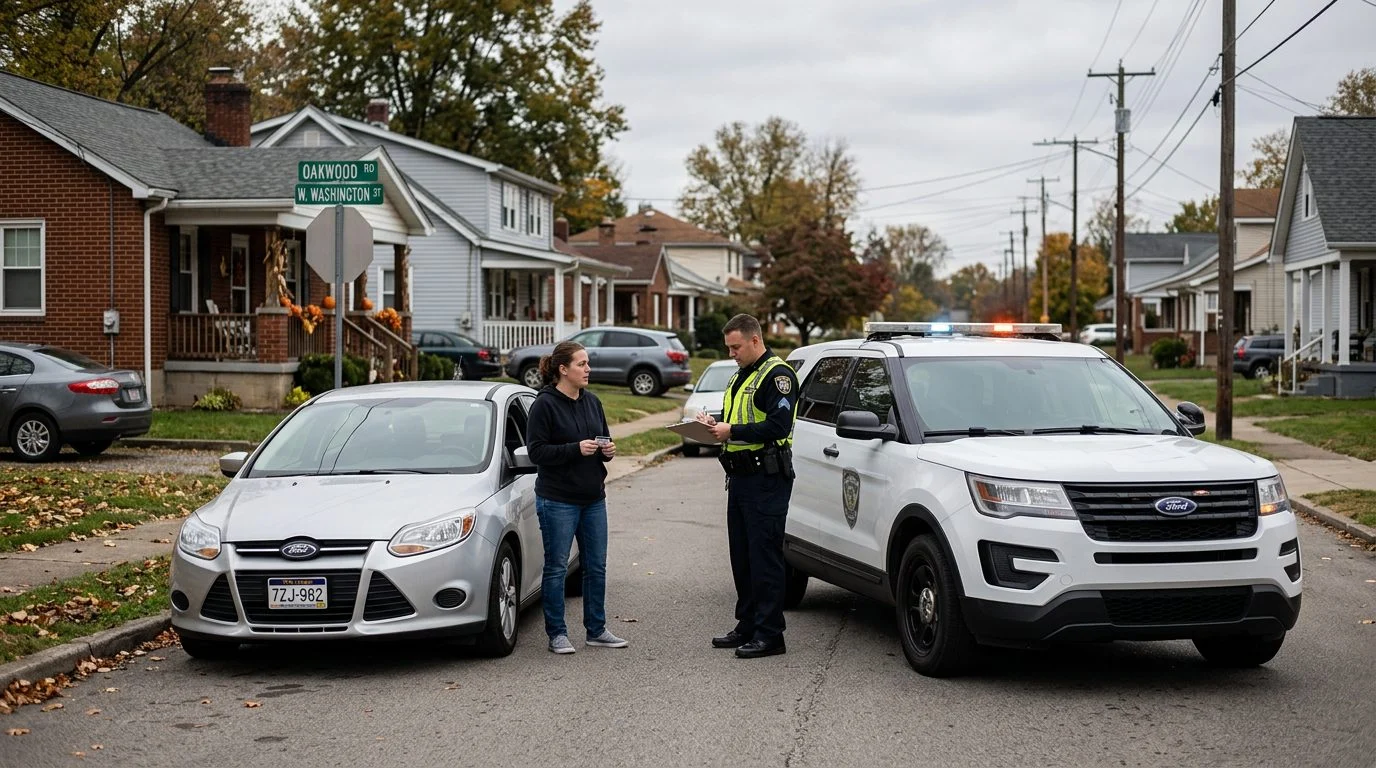
Being told a police report blames you for a crash is stressful, especially if you were hurt or someone you love was. Many drivers wonder whether that report decides who is at fault in a West Virginia car accident. It does not decide the question on its own.
This page explains what a report can and cannot do, how fault may be divided under state law, and what steps may help you now.
What a Police Report Says About Fault, and What It Does Not Decide
A police report records what the officer saw and learned, but a fault finding in it is only the officer’s conclusion. West Virginia requires an officer to prepare a report within 24 hours after finishing a crash investigation when the crash involves bodily injury, death, or total property damage of $1,000 or more, under W. Va. Code § 17C-4-7.
A typical report includes driver and witness statements, vehicle damage, a diagram, and the officer’s written narrative. It may also include a citation or a note about who the officer believes caused the crash.
An insurer, a court, or a jury may not be bound by that conclusion. Some insurers give it weight, but they may also review the evidence on their own.
Reports can be incomplete or contain mistakes. An investigation may still be open when the first version is written. If the officer cannot finish within 10 days, a preliminary report is filed on the 10th day, and the final report follows within 24 hours after the investigation ends (W. Va. Code § 17C-4-7).
Not sure what your next step is?
Talk it through with Big Bubba — the first case review is free, confidential, and carries no obligation.
How Officers Reach a Conclusion About Who Caused a Crash
An officer usually reaches a conclusion by comparing driver statements with the physical evidence at the scene. Common inputs include what each driver and witness says, where the vehicles came to rest, vehicle damage, skid marks or debris, and traffic signs and signals.
Officers do not always see the collision itself. When they arrive after the crash, early conclusions may rest more on statements taken at the scene. Those statements can be short or rushed, especially when people are shaken or hurt.
A citation may be issued, or it may not be. A ticket is one piece of the picture, not the whole story, and no ticket does not end the question.
When a report says no one was at fault, or cites no one, fault can still be disputed in a claim or lawsuit. Photos, video, witness accounts, and medical records may help show what happened.
West Virginia Auto Negligence Rules and How Fault May Affect a Claim
West Virginia generally uses comparative fault, which means each driver’s share of fault can change how much a claim may recover (W. Va. Code § 55-7-13c). A driver whose negligence contributed to a crash may be responsible for part of the harm that followed.
Under W. Va. Code § 55-7-13a, recovery is based on comparative fault. In any action based on tort or any other legal theory seeking damages for personal injury, property damage, or wrongful death, each person’s liability, including plaintiffs, defendants and nonparties who proximately caused the damages, is allocated in direct proportion to that person’s percentage of fault.
Under W. Va. Code § 55-7-13c, a plaintiff’s own fault does not bar recovery unless it is greater than the combined fault of all other persons responsible. If it is less, recovery is reduced in proportion to the plaintiff’s fault.
Fault is decided on the evidence and, when needed, by a court or jury. An early police report does not finalize the split.
Time limits matter too. West Virginia generally allows two years to bring a personal injury action, under W. Va. Code § 55-2-12, and exceptions may apply.
Steps to Consider If the Report Names You as the Driver at Fault
Start by getting the report and reading every page, including the diagram and the narrative. Look for witness names, vehicle positions, and any boxes or codes that mark fault. Write down anything that looks wrong or missing.
Next, write your own account of the crash while your memory is fresh. Note the weather, lighting, speed, signals, lane positions, and road conditions. Stick to what you know, not what you guess.
Preserve evidence. Save photos, dashcam or phone video, vehicle damage records, and messages about the crash. Keep medical records in one place.
Track your injuries. Some symptoms can appear days after a crash. Write down each symptom and every treatment, because these notes may matter to a claim.
You also have a right to basic information. Under W. Va. Code § 17C-4-7, the investigating officer must give the owner, operator, and insurance information to involved parties and their insurers on request, at no cost, within 24 hours of the crash.
Dealing With the Other Driver’s Insurance Company and Recorded Statements
You may choose whether to give a recorded statement to the other driver’s insurance company. Some insurers ask for one early in a claim.
A recorded statement can be used to evaluate fault, so speak carefully. Describe what you saw and did. If you don’t remember a detail, say so instead of guessing.
West Virginia also limits early settlement contact after an injury. Under W. Va. Code § 55-7-11a, a settlement, release or statement obtained in violation of the twenty-day restriction that applies while the injured person is hospitalized or unable to work may be disavowed by the injured person within one hundred eighty days from the date of the personal injury, by executing a written statement of disavowal and forwarding a copy of it to the person who violated the section; it then may not be admissible in evidence in any court or other proceeding relating to the personal injury, if any consideration paid for it is repaid or returned to the person who paid it when the copy is forwarded.
Before you sign a release or accept a settlement, consider that some injuries are not fully known early on. An insurer’s view of fault may also differ from the police report. Either view can be disputed with evidence.
When a Report Is Wrong, Incomplete, or the Other Driver Left the Scene
If a report contains an error, you can often give the investigating agency more information. Bring witness names and phone numbers, photos, and corrected facts. Keep a written record of what you sent and when.
If the other driver left the scene, the report may be incomplete. Other evidence becomes more important. Nearby businesses or homes may have cameras, and witnesses may have seen the other vehicle. Some video is recorded over after a set period, so early requests may matter, depending on the facts.
For a hit-and-run crash, the uninsured motorist law sets reporting steps for claims involving an unidentified driver.
If a commercial truck was involved, federal rules add another layer.
Not sure what your next step is?
Talk it through with Big Bubba — the first case review is free, confidential, and carries no obligation.
Telling the Firm What Happened After a Report Blames You
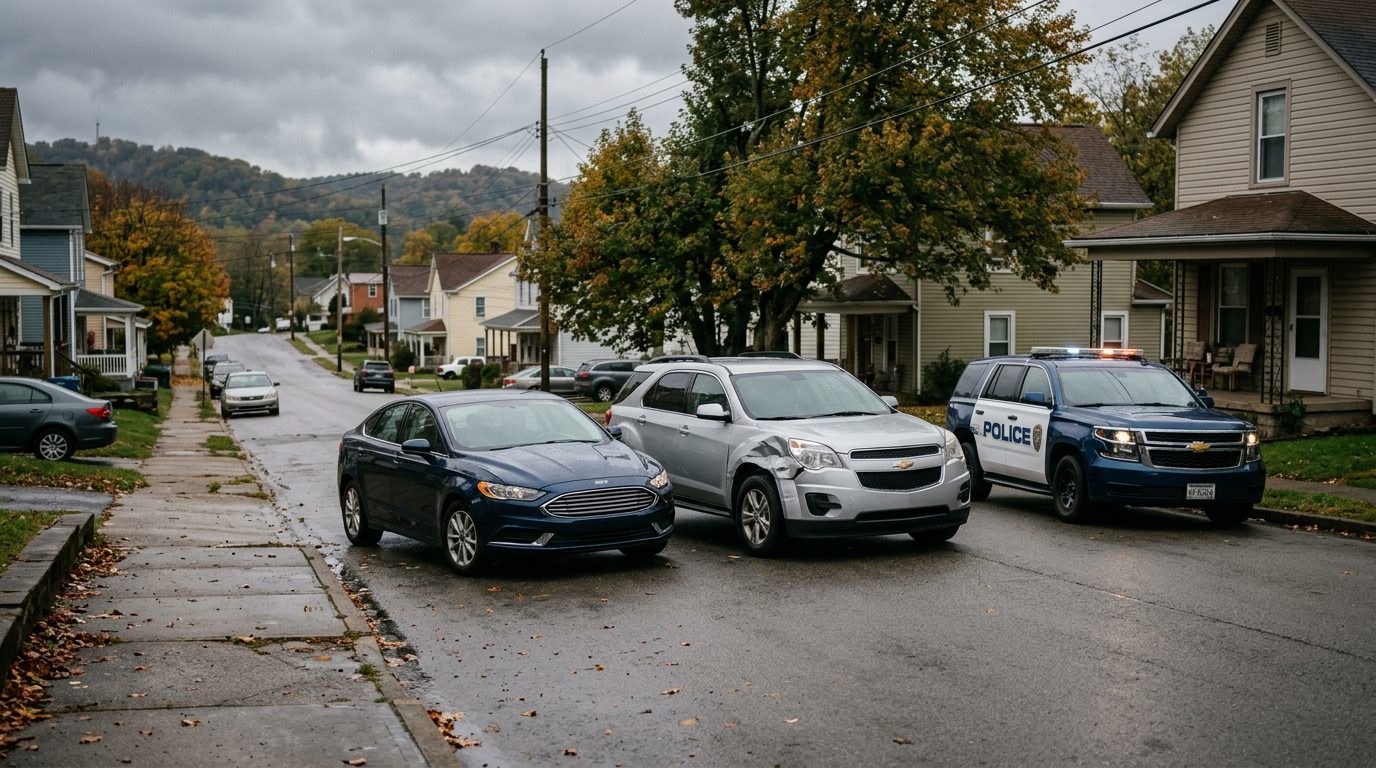
Reading a report that blames you can leave you worried about your insurance, your record, and your health. You do not have to sort out what it means on your own.
The firm handles car accident claims, truck accident and commercial vehicle claims, hit-and-run cases, catastrophic injuries, traumatic brain injury, spinal cord injury, and wrongful death. We serve injury victims across West Virginia, including Charleston, Huntington, and Morgantown.
A family member may also reach out on behalf of a driver who is hurt or overwhelmed by the paperwork.
If you have a report that names you, tell the firm what happened and what the report says in a free case review.