
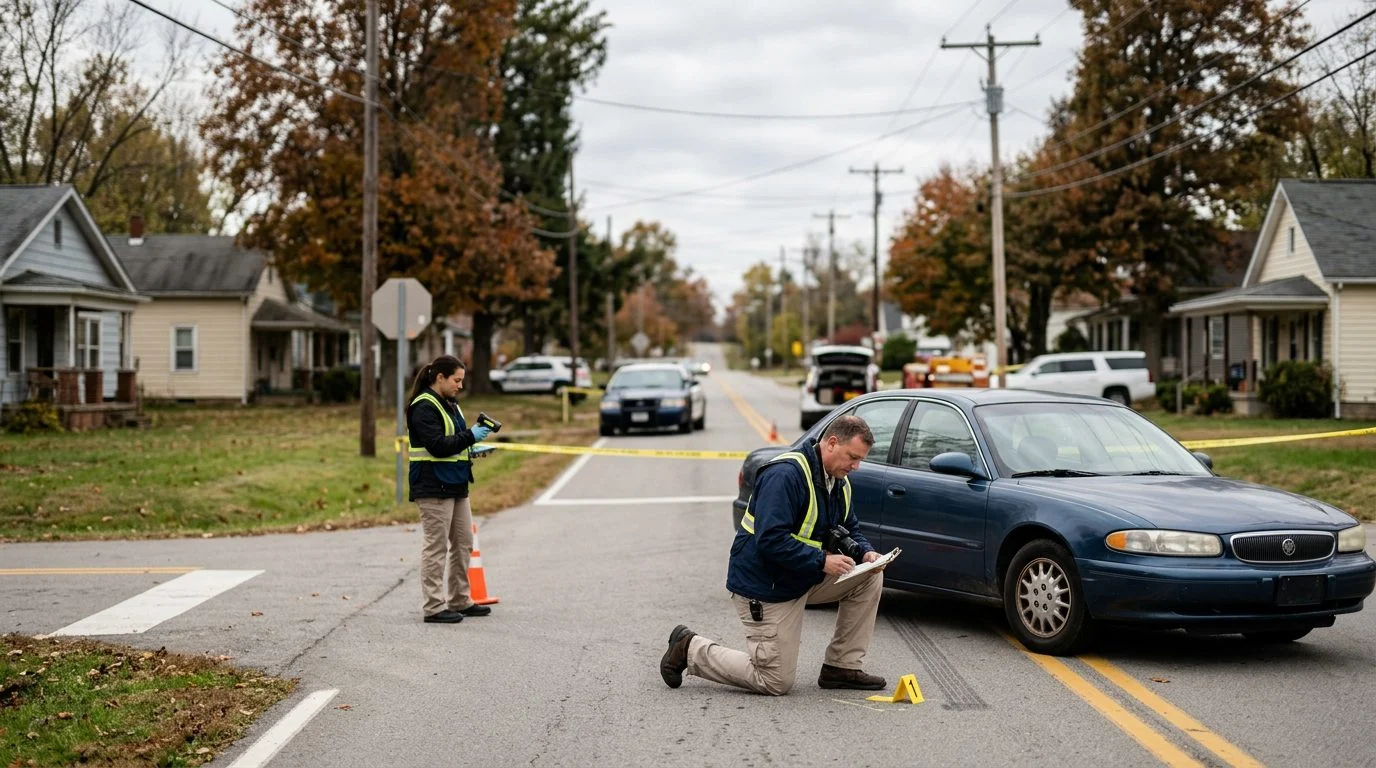
Rural Road Crashes | Serving West Virginia
Hurt on a Rural Road? Brain Injuries Can Be Hard to See Right Away
Big Bubba Injury Law represents people seriously hurt in car and truck crashes on West Virginia's rural roads, including those with traumatic brain injuries. Tell us what happened and we will listen.
Published October 25, 2026
A rural road car accident can cause a serious brain injury, even when the crash doesn’t look severe. Two-lane roads, sharp curves, and long drives to a hospital can make a head injury harder to spot and treat early. This page explains why these crashes carry risk, which brain injuries are common, which warning signs need emergency care, and how a free case review works.
If you’re researching rural road car accident brain injury West Virginia cases for someone else, you’re not alone. Many families look up these questions while a loved one is still in the hospital.
Who This Page Is For and What It Covers
This page is for people hurt in a car crash on a rural West Virginia road, and for the family members helping them. You may have been the driver or a passenger. You may be a spouse, parent, or adult child trying to understand an injury you didn’t expect to face.
The page covers why rural crashes can cause brain injuries, common injury types, warning signs, and what a free case review involves. It offers general information only. It is not a substitute for medical care, and it is not advice about your specific case.
The firm handles car accidents, truck and commercial vehicle accidents, catastrophic injuries, traumatic brain injury, spinal cord injury, and wrongful death. We serve injury victims across all 55 West Virginia counties.
If a crash on a rural West Virginia road left you or someone you love with a head injury, you don't have to sort out the next steps alone. Tell us what happened. Talk it through with Big Bubba — the first case review is free, confidential, and carries no obligation.
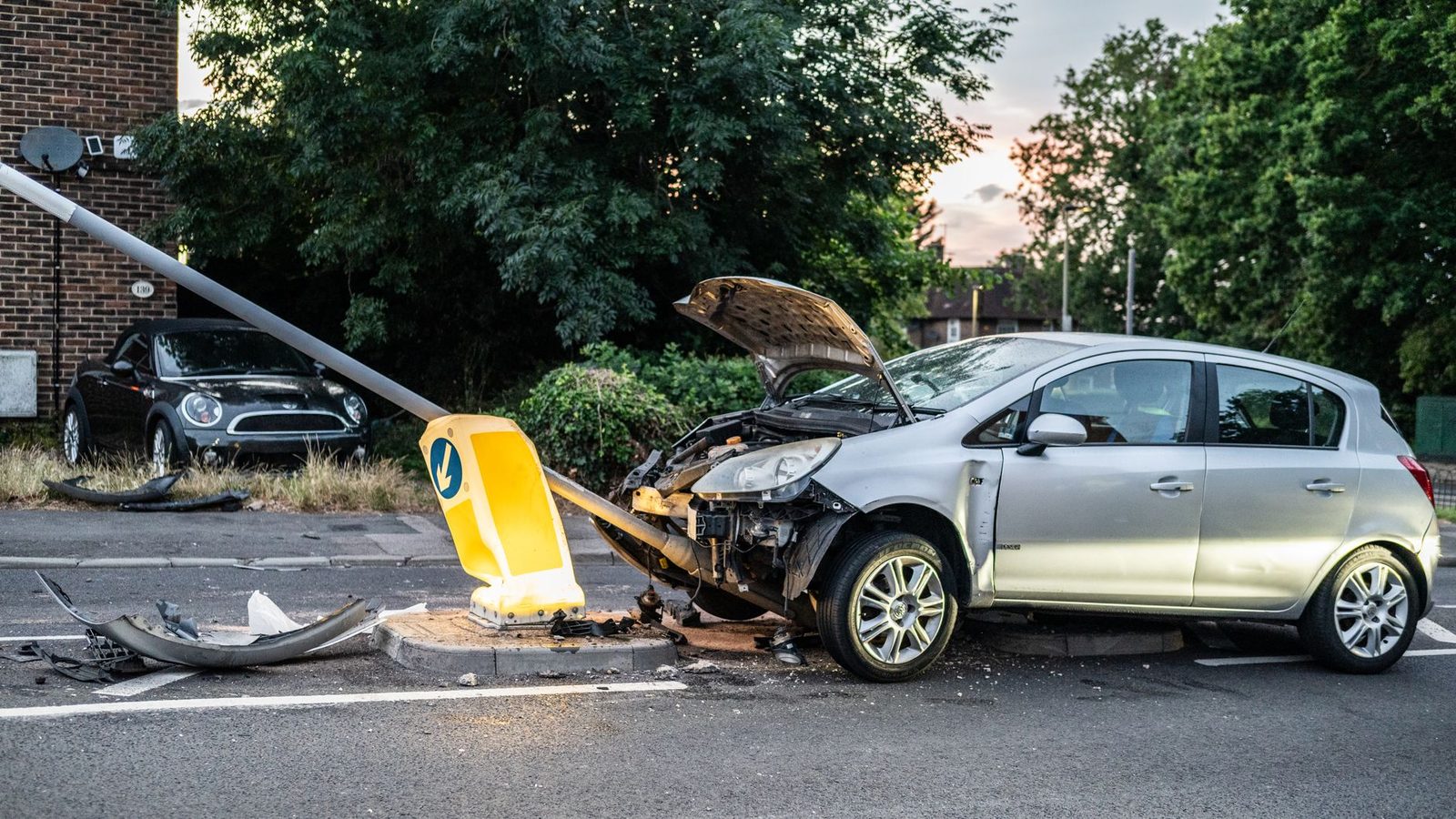
Why Rural Road Crashes Can Cause Serious Brain Injuries
Rural roads often combine conditions that make a crash more forceful and medical care slower to reach.
- Less room to react. Two-lane roads, curves, and narrow shoulders leave drivers little space to steer out of a collision.
- Higher speed means more force in a crash.
- Longer trips to care. A long drive to a trauma hospital can delay the scans and monitoring a head injury needs.
- No head strike needed. The Administration for Community Living notes that automobile accidents can cause traumatic brain injury, which is severe brain damage from an outside force. Sudden stops and sharp turns can also jolt the brain inside the skull, even without a direct blow to the head.
- Fewer witnesses. Rural crashes may have fewer witnesses and slower emergency response. That makes photos and records matter more.
Common Brain Injuries in Car Crashes and How Severity Is Judged
The most common brain injuries from car crashes include concussion, contusion, diffuse axonal injury, and bleeding inside the skull.
- Concussion: a temporary disruption in how the brain works. Symptoms can appear hours or days after the crash.
- Contusion: bruising of brain tissue, from a direct hit or from the brain striking the inside of the skull.
- Diffuse axonal injury: stretching or tearing of nerve fibers from twisting forces. It may not show clearly on early scans.
- Brain bleeds: epidural bleeding sits between the skull and the brain’s outer covering. Subdural bleeding sits beneath that covering. Intracerebral bleeding happens inside brain tissue. Any bleed can raise pressure inside the skull, which is why it is serious.
How serious a brain bleed is depends on the facts. Size, location, and how quickly care begins all matter. No one can predict an individual’s outcome from the injury type alone.
Doctors often use the Glasgow Coma Scale, a standard clinical score that rates how awake and responsive a person is. Medical teams use it to track changes over time, which is why records of each check matter.
Warning Signs That Need Emergency Care
Call 911 right away if a person who hit their head has confusion, a seizure, trouble waking, or repeated vomiting.
- A headache that keeps getting worse
- Repeated vomiting or nausea
- Confusion, unusual drowsiness, or trouble waking up
- A seizure
- Unequal pupil size, slurred speech, or weakness or numbness on one side
- Loss of balance or trouble walking
- Clear fluid from the nose or ears
A person who feels fine after a crash should still see a medical professional. Some brain injuries cause symptoms later, and feeling okay does not rule out harm.
Keep a simple record. Write down every visit, scan, medication, and symptom, with dates. Keep all discharge papers. These details can matter later.
What the Firm Handles in Rural Road Brain Injury Cases
The firm handles rural road car accident brain injury claims as part of its work on car accidents, truck crashes, catastrophic injuries, and wrongful death across West Virginia.
- Car accidents on rural roads, including crashes with other drivers.
- Truck and commercial vehicle crashes. These cases often involve more parties and different records. Under federal rules, employers must test a driver for alcohol after certain crashes, including a fatal crash, or a crash in which the driver is cited for a moving violation within 8 hours and someone is injured and needs immediate medical treatment away from the scene. Under 49 C.F.R. § 382.303, an alcohol test not given within two hours requires a written record of the reasons.
- Catastrophic injuries where long-term care and daily life change.
- Wrongful death claims for families after a fatal crash.
- Insurance questions. West Virginia sets rules for uninsured and underinsured motorist coverage in § 33-6-31. These questions often come up, and each policy is different.
- Home-based support. The West Virginia Bureau for Medical Services describes Medicaid home and community-based waivers, including a Traumatic Brain Injury Waiver, each with its own eligibility rules.
How the Free Case Review Works
A free case review is a confidential first step. The firm listens to what happened and explains the questions that matter most for your next decision.
- Start the conversation. Call the firm or use its contact page. Briefly describe the crash, where it happened, and who was hurt.
- Gather what you have. Useful items include the crash report, photos, vehicle damage pictures, medical records, and witness names.
- Review the facts. The firm looks at how the crash happened and the medical picture, so you understand the issues in your situation.
- Talk through next steps. You get clear answers about your options. The firm does not promise any result.
Timing matters. Under § 55-2-12, West Virginia generally requires a personal injury action within two years after the right to bring it accrues. Under § 55-7-6, a wrongful death action must be brought by the duly appointed personal representative within two years after the death, subject to the provisions of section eighteen, article two, chapter fifty-five. W. Va. Code § 55-7-6 reads: “The provisions of this section shall not apply to actions brought for the death of any person occurring prior to July 1, 1988.”
Earlier records make a review more complete. You can take your time to decide.
Not sure what your next step is?
Talk it through with Big Bubba — the first case review is free, confidential, and carries no obligation.
Frequently Asked Questions
Here are short answers to common questions about brain injuries after a rural road crash.
Do I need to see a doctor if I feel fine after a rural road crash?
Yes. Some brain injuries cause symptoms later, so a medical check matters even without obvious signs.
What if no one saw the crash on a rural road?
Photos, the crash report, vehicle damage, and medical records can still document what happened.
Can a family member ask about a free case review for someone who cannot speak for themselves?
Yes. A relative can contact the firm to ask about a free case review on that person’s behalf.
Does a brain injury always show on the first scan?
No. Some injuries, such as concussion and diffuse axonal injury, may not appear on early imaging.
Does West Virginia reduce compensation if I was partly at fault?
Your recovery can be reduced by your share of fault. Under § 55-7-13c, fault bars recovery only if it is greater than the combined fault of all other persons responsible. W. Va. Code § 55-7-13c reads: “(c) Any fault chargeable to the plaintiff shall not bar recovery by the plaintiff unless the plaintiff’s fault is greater than the combined fault of all other persons responsible for the total amount of damages, if any, to be awarded.”
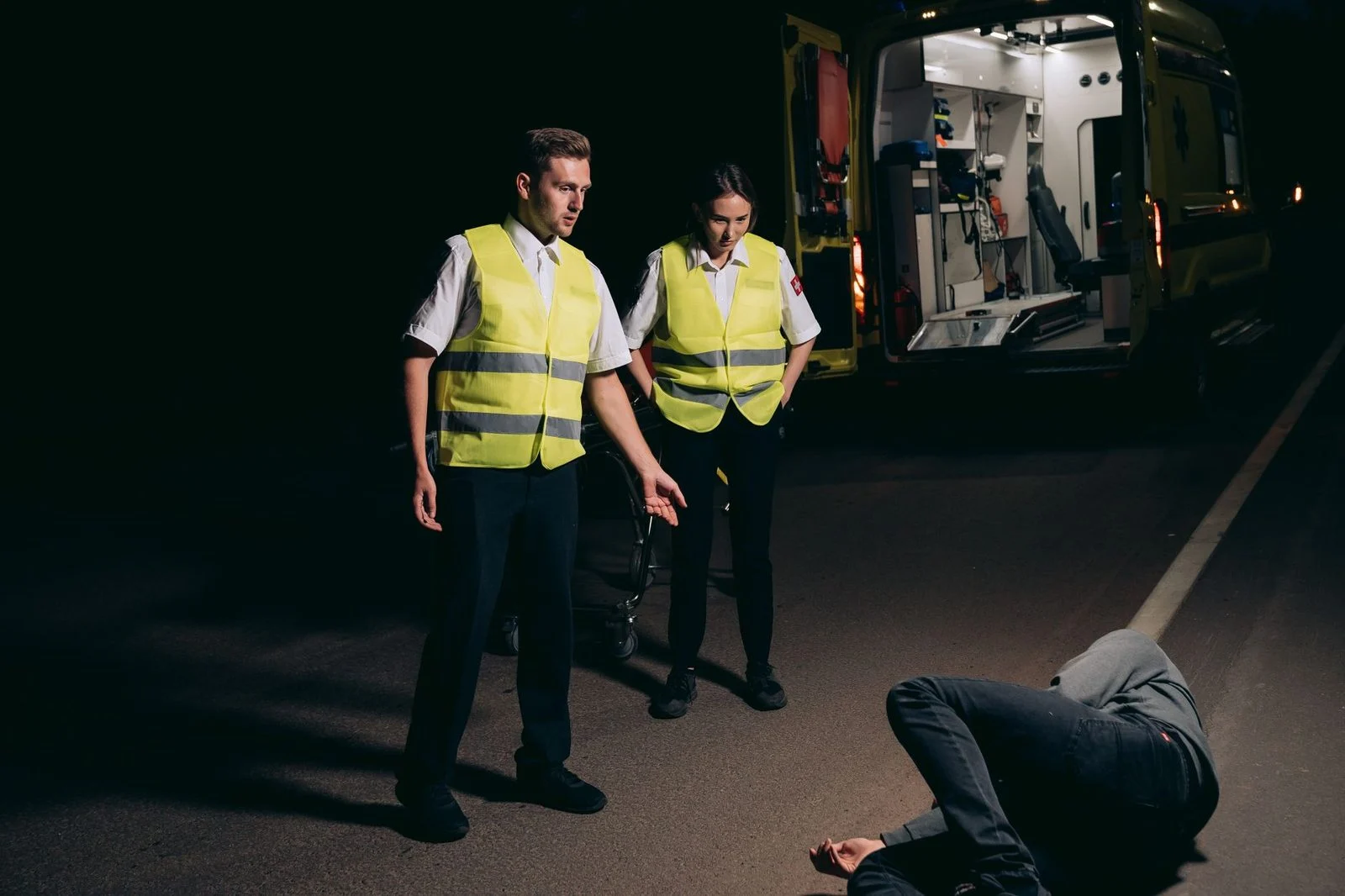
If a Rural Road Crash Left Someone With a Brain Injury, Tell Big Bubba What Happened
If a rural road crash may have caused a brain injury, get medical care first, then talk through your options.
A crash and a head injury can bring a hospital stay, a loved one’s changed memory or behavior, and questions about work and bills. You didn’t choose this, and you don’t need every answer today.
You may be weighing whether to pursue a claim after a crash on a West Virginia rural road. You may have a possible brain injury and open questions about what comes next.
When you’re ready, request a free case review and tell the firm what happened, in your own words. It is confidential, and you can take time to decide.