
Car Accidents | Serving West Virginia
Side Impact Car Accidents: Understanding Your Injuries and Next Steps
When another vehicle strikes the side of yours, the injuries can be serious and not always obvious. Big Bubba Injury Law helps injured people and families across West Virginia understand their options.
Published October 31, 2026
A side impact car accident can cause serious injuries, even when the speed seems moderate. The side of a vehicle has less space between the occupant and the point of impact than the front or back does. This guide explains how these crashes happen, which injuries they often cause, and how West Virginia law treats fault and filing deadlines.
What Is a Side Impact or T-Bone Crash?
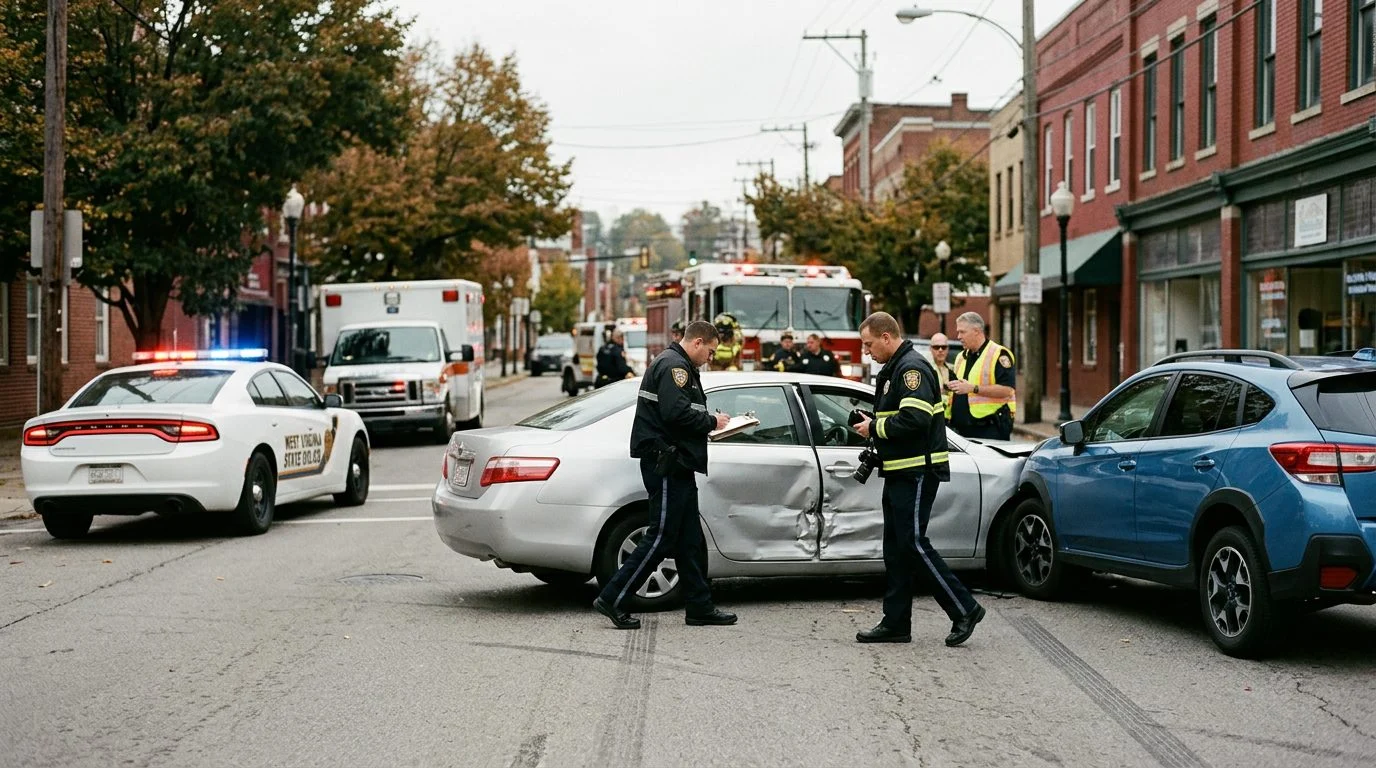
A side impact crash happens when the front of one vehicle hits the side of another.
A T-bone crash is the most common picture of this. It often happens at an intersection, where one car drives into the path of another and forms a “T.” An angle accident is similar, but the vehicles meet at a slant instead of straight on. A sideswipe is different. The vehicles scrape along each other’s sides while both keep moving.
Side impacts are dangerous for a simple reason. The side of a car has far less room to crumple than the front or rear. The occupant closest to the impact often takes much of the force. The crash can also push a car sideways into other traffic, a pole, or a tree. If you sat on the struck side, your body may have met the door, window, or pillar directly.
If a side-impact crash left you or someone you love hurt, you don't have to work out the next steps alone. Tell Big Bubba what happened and request a free case review. Talk it through with Big Bubba — the first case review is free, confidential, and carries no obligation.
Which Injuries Often Follow a Side Impact Crash?
Side impact crashes often cause head, spine, chest, and internal injuries. Each type can change daily life in different ways.
- Head injuries. A head can strike the window, door frame, or pillar. This can cause a concussion or a traumatic brain injury. Symptoms may not show up until hours or days later.
- Spinal cord injuries. Sudden sideways movement or twisting can strain or damage the spine. Some injuries heal over time. Others can affect work, sleep, and independence for a long period.
- Fractures. Ribs, shoulders, pelvis, and hips often break in side impacts.
- Internal injuries. The abdomen, organs, and bladder can be hurt even without visible bruising.
Get a medical evaluation after any side impact, even if you only feel sore at first. Your medical records create a clear timeline from the crash to your symptoms. The full extent of an injury depends on your medical care, so follow your doctor’s guidance.
What Causes Side Impact and T-Bone Collisions?
Many side impact crashes start when a driver does not stop, yield, or see the other vehicle in time. Common causes include:
- Running a red light or stop sign.
- Failing to yield on a left turn, or pulling out from a driveway or parking lot.
- Distracted driving, such as texting, and impaired driving.
- Speeding, or poor visibility from blocked sightlines at an intersection.
- Brake or other mechanical problems that keep a driver from slowing or stopping.
Some crashes involve more than one cause. The cause often shapes who may be responsible. Write down what you saw while the details are fresh.
How Does West Virginia Fault Law Apply to Side Impact Crashes?
West Virginia uses comparative fault, which means each person’s share of blame is measured as a percentage. Under W. Va. Code § 55-7-13a, each person’s liability follows that person’s percentage of fault. This includes the injured person, the defendants, and some nonparties.
Your own fault does not automatically end your claim. Under W. Va. Code § 55-7-13c, your fault bars recovery only if it is greater than the combined fault of everyone else responsible. If it is smaller, your recovery is reduced by your share.
Each defendant generally pays only its own share. The conspiracy exception applies when defendants consciously conspire and deliberately pursue a common plan or design to commit a tortious act or omission. Notwithstanding other provisions, a defendant that commits one or more listed acts or omissions, such as driving under the influence, is also jointly and severally liable. A defendant whose conduct constitutes driving a vehicle under the influence of alcohol, a controlled substance, or any other drug, which is a proximate cause of the plaintiff’s damages, is jointly and severally liable, meaning each may answer for the full amount.
More than one party can share responsibility. A vehicle or part maker may also share responsibility. West Virginia limits when a claim can be brought against a seller of a product, under W. Va. Code § 55-7-31.
What Deadlines and Evidence Matter After a Crash?
In most West Virginia personal injury cases, the deadline is two years. Under W. Va. Code § 55-2-12, a personal injury action must be brought within two years after the right to sue accrues. Wrongful death claims have their own limit. Under W. Va. Code § 55-7-6, they must be commenced within two years after the death, subject to the provisions of section eighteen, article two, chapter fifty-five. W. Va. Code § 55-7-6 reads: “The provisions of this section shall not apply to actions brought for the death of any person occurring prior to July 1, 1988.” The exact deadline depends on the facts, so confirm it early.
Gather and keep these items:
- Photos of both vehicles, the intersection, and any injuries
- The crash report
- Dashcam or traffic camera footage, if it exists
- Medical records and bills
- Names and contact details of witnesses
- Damaged vehicle parts and personal items from the crash
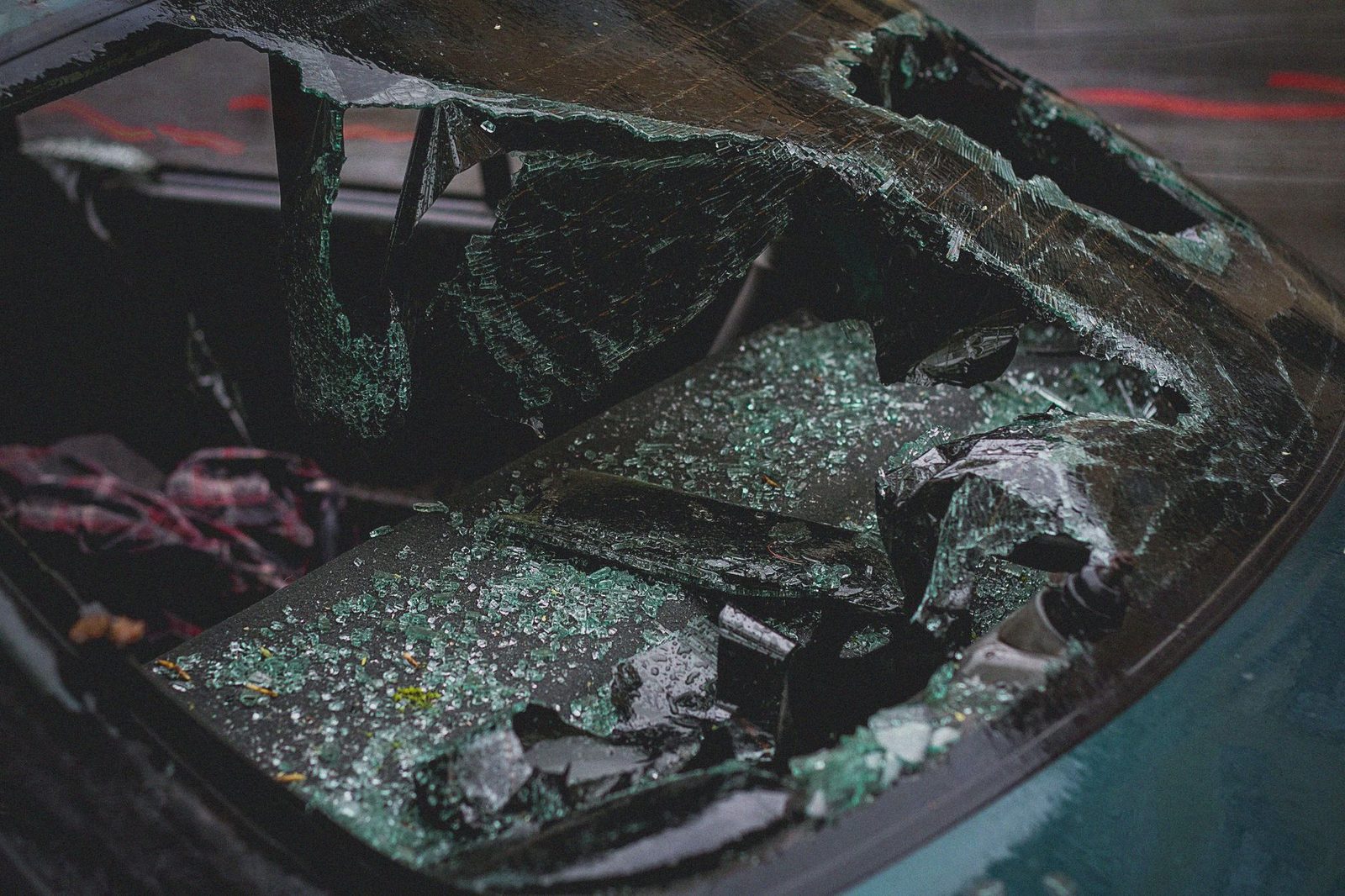
Physical evidence can show how the impact happened, and parts matter if a defect is involved.
If a commercial truck driver was involved, federal rules may require alcohol and drug testing after a crash. Those rules set short deadlines, including 8-hour and 32-hour windows. See the FMCSA post-accident testing rules.
How Does the Firm Help Injured People and Families?
The firm helps people hurt in side impact crashes and families who lost a loved one. It handles car accidents, truck and commercial vehicle accidents, catastrophic injuries, traumatic brain injury, spinal cord injury, and wrongful death cases.
The first step is a free case review. It is confidential, and there is no obligation to continue. During the review, the firm looks at:
- How the crash happened
- The injuries and the treatment you have had or need
- Who may be responsible
After that, the firm gathers the crash report, medical records, and physical evidence. This can take time, especially while medical care continues. The firm keeps clients informed at each stage of the case.
We serve injury victims across West Virginia, including Charleston, Huntington, Morgantown, Wheeling, Martinsburg, Parkersburg, Beckley, Clarksburg, Fairmont, and Weirton.
Not sure what your next step is?
Talk it through with Big Bubba — the first case review is free, confidential, and carries no obligation.
Frequently Asked Questions About Side Impact Crash Injuries
Can a side impact crash cause serious injury at lower speeds?
Yes. Injuries depend on how the impact happened and where each person was sitting.
Why do some symptoms show up days later?
Some head, spine, and internal injuries are not obvious right away. A medical evaluation can catch them early.
Can I still have a claim if I was partly at fault?
Possibly. Your recovery is reduced by your share of fault, and a share larger than everyone else’s combined can bar it.
How long do I have to file a claim?
For most personal injury claims, West Virginia gives two years. Wrongful death claims have their own two-year limit from the date of death.

What Should You Do Next After a Side Impact Crash?
Start by writing down what happened and getting medical care. Then talk with the firm about your options. You may be recovering from injuries, caring for a family member hurt in the crash, or trying to make sense of a decision you never chose. You don’t have to sort through it alone. Tell Big Bubba what happened in your own words, or request a free case review to go over the crash, the injuries, and your options. Bring the notes you made from this guide to organize the details first.