
Side Impact Crashes | Serving West Virginia
Hurt in a Side Impact Crash? Brain Injury Claims, Explained in Plain Language
Big Bubba Injury Law helps West Virginians and their families after serious side impact collisions that cause brain and spinal cord injuries. Tell us what happened in a free case review.
Published October 24, 2026
A side impact crash can injure the brain even when the car looks only lightly damaged. A side impact crash brain injury in West Virginia may not show its full effects right away. This guide explains how a T-bone collision can affect the brain, why symptoms and scans can mislead, and what a claim may involve. The firm handles car and truck crashes, traumatic brain injury cases, and wrongful death claims.
What a side-impact (T-bone) crash is and who this page is for
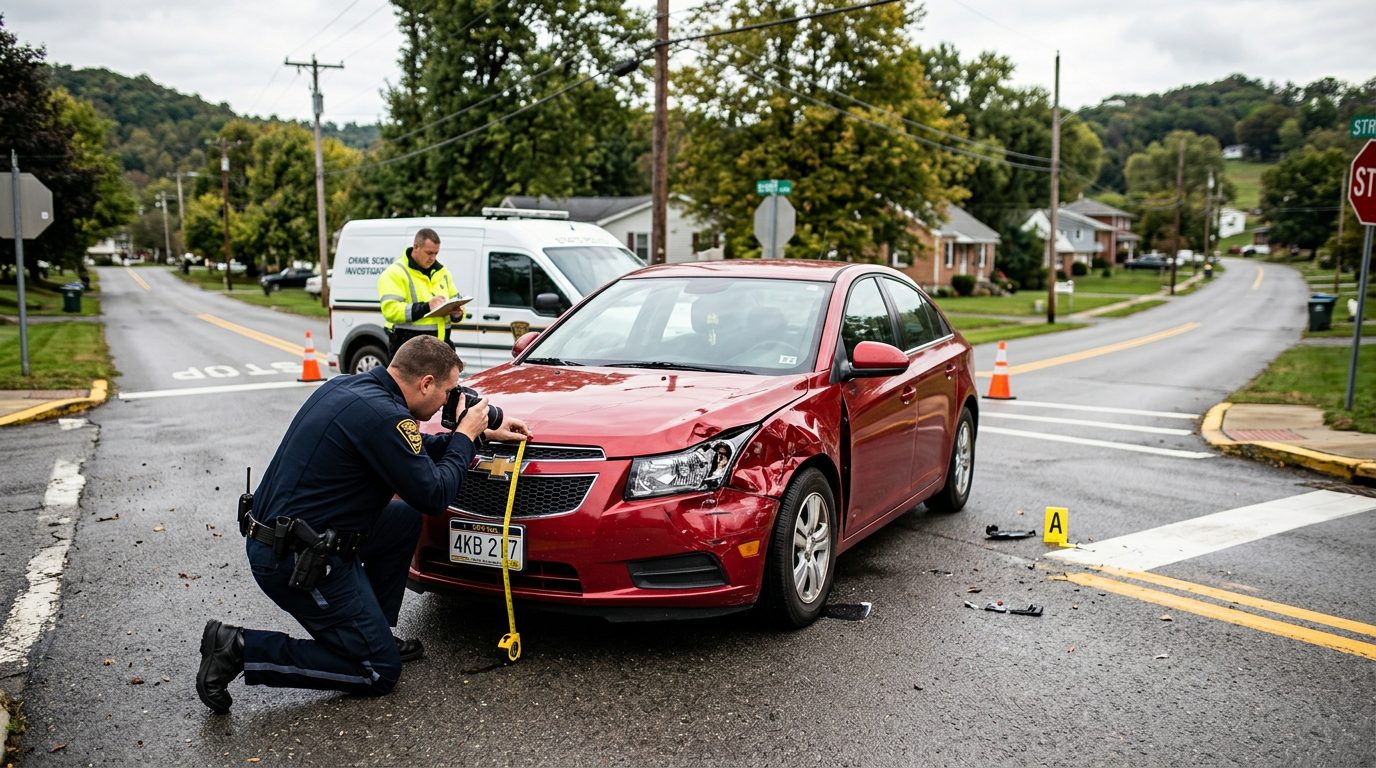
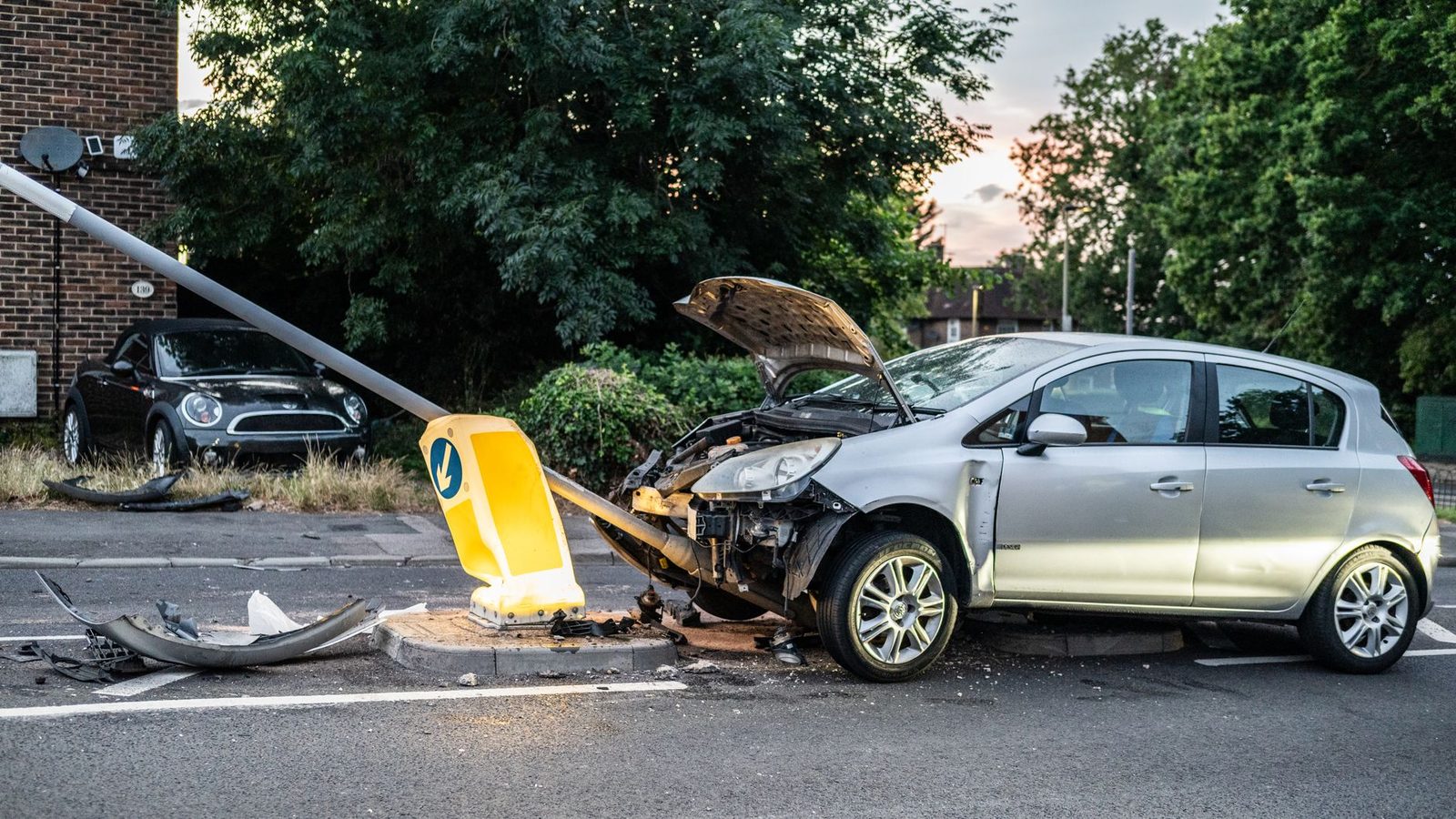
A side-impact crash happens when the front of one vehicle strikes the side of another. Many happen at intersections, when one driver pulls out or runs a red light. The side of a car offers little space between the occupant and the outside, so the door, window, and roof pillar often take the force.
The head moves differently in a side hit than in a rear-end or head-on crash. It can snap sideways and strike the window, the door frame, or another occupant. The sideways force can also twist the head, not just jolt it.
This page is for three kinds of readers. Some were hurt in a T-bone crash themselves. Some are family members helping someone who now has memory problems, mood changes, or trouble with daily tasks. Others are trying to understand a diagnosis after a collision that seemed minor.
Vehicle damage does not tell the whole story about the brain. A crash that looked small can still cause a brain injury, so symptoms deserve attention.
Not sure what your next step is?
Talk it through with Big Bubba — the first case review is free, confidential, and carries no obligation.
How a T-bone impact can injure the brain
A T-bone impact can injure the brain because the head moves fast, even without a direct blow to the head. The brain keeps moving after the skull stops. A side hit can also twist the head, which can stretch and strain brain tissue. The Administration for Community Living states that automobile accidents can cause traumatic brain injury (TBI). It describes TBI as brain damage caused by an external force.
Different parts of the brain do different jobs. Symptoms depend on where the injury happens:
- Frontal lobes: planning, judgment, mood, and impulse control.
- Temporal lobes: memory, hearing, and language.
- Parietal and occipital areas: touch, spatial awareness, and vision.
- Brain stem: basic functions such as breathing, heart rate, and alertness. Injury here is serious and needs emergency care.
Two people in the same crash can have very different symptoms for this reason.
Why symptoms can appear late, and what a normal CT scan does not show
Brain symptoms can appear hours or days after a crash. Right after a collision, many people feel shaken, sore, or focused on broken bones and cuts. Brain symptoms can go unnoticed during that time.
Common symptoms include headache, dizziness, sensitivity to light or noise, confusion, memory gaps, irritability, sleep changes, and trouble concentrating. Any of these after a head impact deserves a medical check.
A CT scan is often the first test in an emergency room because it works quickly. It can show some bleeding and bone injury. A normal CT scan does not always rule out a brain injury, though. Many mild or diffuse injuries may not appear on it.
Second impact syndrome is a rare condition. It can happen when a second head injury occurs before the first has healed. That is why rest and medical follow-up matter after any head impact. Medical literature also discusses impact syndrome, which describes how repeated or cumulative head impacts can affect the brain over time.
What a side-impact brain injury claim can cover and who may be responsible
A brain injury claim may seek compensation for several kinds of harm, depending on the facts. Common categories include:
- Emergency and ongoing medical care
- Rehabilitation, such as speech, occupational, and cognitive therapy
- Medicine and medical equipment
- Lost income and reduced ability to work
- Future care needs
- Non-economic harm, such as changes in memory, personality, relationships, and independence
Several parties may be responsible in a T-bone crash. The at-fault driver is the most common. A commercial truck driver or carrier may also be responsible, and so may another party, such as a vehicle maintenance provider, depending on the facts.
Two state rules matter here. First, West Virginia generally requires a personal injury lawsuit to be brought within two years after the right to sue begins. Second, West Virginia uses modified comparative fault. A plaintiff’s fault does not bar recovery unless it is greater than the combined fault of all others. W. Va. Code § 55-7-13c reads: “(c) Any fault chargeable to the plaintiff shall not bar recovery by the plaintiff unless the plaintiff’s fault is greater than the combined fault of all other persons responsible for the total amount of damages, if any, to be awarded.” If it is less, recovery is reduced in proportion to the plaintiff’s fault.
Under W. Va. Code § 55-7-32, in a civil action for personal injury or wrongful death involving the operation of a commercial motor vehicle requiring a commercial driver’s license, the maximum amount each person injured or killed can recover against the employer defendant as compensatory damages for noneconomic loss may not exceed $5 million for each occurrence, regardless of the number of claims or theories of liability; on January 1, 2026, and in each year after, that limit increases for inflation by an amount equal to the Consumer Price Index published by the United States Department of Labor, not to exceed 150 percent of the $5 million figure; the limit is not available to an employer defendant that does not have commercial motor vehicle insurance in the aggregate amount of at least $3 million for each occurrence covering the personal injury that is the subject of the action; and the section does not apply at all if the operator or driver is found to have done certain things at the time of the incident. These include operating the vehicle in willful or wanton disregard for the safety of persons or property, or loaded in excess of the maximum gross vehicle weight rating (unless legally operating under a permit issued under §17C-17-11), or while engaging in distracted driving as set forth in §17C-14-15(e). That cap applies only in certain conditions, including insurance requirements, and only to causes of action arising after July 1, 2024.
Evidence often decides how a side-impact claim develops. Useful evidence includes crash reports, photos of vehicle damage and impact points, witness statements, medical records, imaging, and neurological test results.
How the firm’s process works, step by step
The firm’s process starts with a free case review and moves through records, investigation, and medical documentation. Each step builds the record of what happened and how the injury affects you.
- Free case review: A confidential conversation about what happened, where your health stands, and what records exist.
- Records: The firm requests crash reports, medical charts, imaging, and work records for you.
- Investigation: The firm looks at how the collision happened, scene evidence, vehicle information, and any commercial carrier records.
- Medical documentation: The firm works with treatment records so the brain injury’s effects are described accurately over time.
- Resolution: Negotiation, a demand, or a lawsuit when needed, with updates at each stage.
Early timing matters too. Under W. Va. Code § 55-7-11a, for 20 days after an injury, no one may negotiate certain settlements or obtain releases from the injured person while that person is an inpatient or cannot do usual work. Under W. Va. Code § 55-7-11a, a settlement made in violation of the statute may be disavowed by the injured person at any time within one hundred eighty days from the date of the personal injury by executing a written statement of disavowal and forwarding a copy of the same to the person violating this section; the settlement then may not be admissible in evidence, if any consideration paid for the settlement of or the general release of liability for the personal injury, at the time of the forwarding of the copy of the written statement of disavowal, is repaid or returned to the person who paid the consideration.
Timing depends on medical recovery and how the case develops. No two cases move on the same schedule.
Life after a brain injury: driving, recovery, and daily planning
Driving after a brain injury should wait until a medical provider has cleared you. Honest self-checks matter, but they do not replace a provider’s judgment.
Recovery looks different for each person. Some symptoms ease with time and treatment, and others last longer. Keeping a symptom and appointment journal can help you and your providers track changes.
Choose a trusted person to help with decisions, appointments, and paperwork. Share updates with employers and insurers only in a planned, careful way.
If a brain injury limits your ability to work, federal Social Security Disability Insurance may apply to some people.
Seek emergency care right away for a worsening headache, repeated vomiting, seizures, weakness, slurred speech, or any change in consciousness.
Not sure what your next step is?
Talk it through with Big Bubba — the first case review is free, confidential, and carries no obligation.

Talking with the firm about your side-impact crash
We serve injury victims across West Virginia, including Charleston, Huntington, Morgantown, Wheeling, Martinsburg, Parkersburg, Beckley, Clarksburg, Fairmont, and Weirton. The firm handles car accidents, truck and commercial vehicle accidents, traumatic brain injury, spinal cord injury, catastrophic injuries, and wrongful death.
Can a brain injury happen in a side impact with minor vehicle damage?
Yes. A brain injury can occur even when the vehicle damage looks minor, so medical checks matter.
How long do I have to file a claim in West Virginia?
Generally, under W. Va. Code § 55-2-12, a personal injury lawsuit must be brought within two years after the right to bring it has accrued. The deadline is set by state law.
Does West Virginia reduce compensation if I was partly at fault?
Yes, if your fault is less than the combined fault of all others, recovery is reduced in proportion to your fault. It is barred only if your fault is greater than the combined fault of all others (W. Va. Code § 55-7-13c).
Why can a CT scan look normal after a brain injury?
Many mild or diffuse injuries may not appear on a CT scan. A normal result does not always rule out a brain injury.
If a side-impact crash has changed how you think, remember, or manage daily life, you can request a free case review and tell the firm what happened in your own words.