

West Virginia Car Accident Injuries
Spinal Cord Injury After a Car Accident: A West Virginia Checklist
Practical steps to protect your health, your records, and your options in the days after a crash.
Keep these items together
The crash report
Ask the investigating agency how to obtain a copy of the report, and keep every version you receive.
Every medical record
Save ambulance, emergency room, imaging, surgery, and therapy paperwork, along with discharge instructions.
A symptom journal
Note pain, numbness, weakness, tingling, and changes in daily activities as they happen, with dates.
Photos and contact details
Keep photos of vehicles, the scene, and injuries, plus names and insurance details of other drivers and witnesses.
A checklist for the first weeks
At the scene
If you are able, move to a safe place, call for help, and exchange insurance information. Do not guess at how the crash happened when you are shaken or hurt.
At the hospital
Tell every provider about your neck or back pain, headaches, and any loss of feeling. Follow the care plan you are given and ask questions about it.
Records to gather
Collect your crash report, medical bills, pay stubs, and notes about missed work. Keep receipts for travel to appointments.
Before you speak with insurers
Some insurers may request a recorded statement. You may wish to talk with a lawyer before giving one, and you can reach out to the firm to discuss it.
Published November 15, 2026
If your loved one was hurt in a car or truck crash, the first weeks can feel overwhelming. Hospital papers, phone calls and insurance letters can pile up fast.
This spinal cord injury car accident checklist gives West Virginia families six record-keeping steps. Each step is a yes-or-no test, one kind of record, and a clear next action.
Checklist Step 1: Confirm the Crash and the Injury Picture
Start by confirming two facts: the crash happened, and a doctor has checked the spine or neck. Everything else builds on these two points.
Was your loved one hurt in a car or truck crash? Yes or no. The crash is the starting fact for every record that follows. Next step: write the date, time, location and names of everyone involved in one place.
Has a doctor diagnosed a spinal cord injury, or is a neck or back injury still being checked? Yes or no. Some tests take days, and a first diagnosis can change. Next step: keep every update, even ones that seem minor.
Have symptoms changed since the crash? Yes or no. Weakness, numbness or balance trouble can shift in the days and weeks after an injury. The MedlinePlus spinal cord injury overview lists weakness, paralysis and sensory loss as possible effects. Next step: note each change with the date. For background, see our spinal cord injury overview.
Not sure what your next step is?
Talk it through with Big Bubba — the first case review is free, confidential, and carries no obligation.
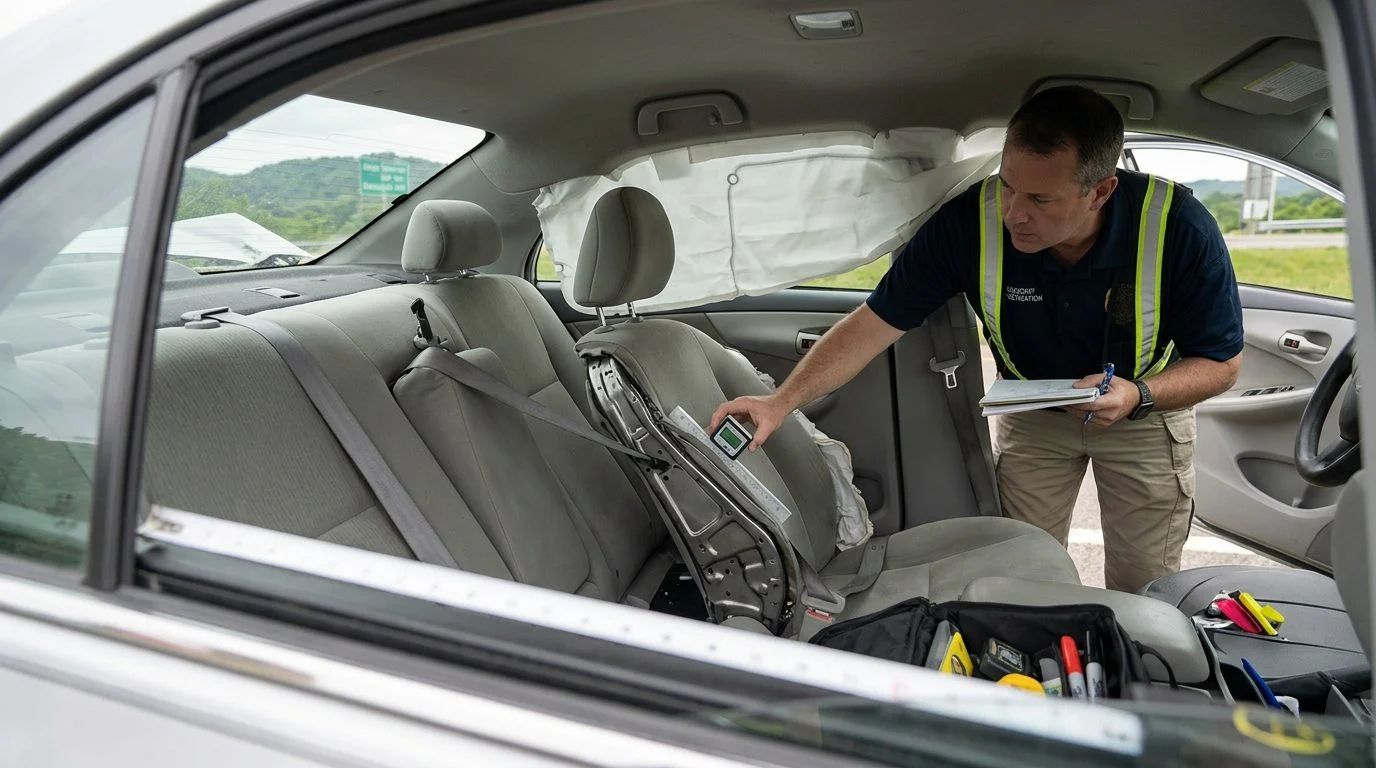
Checklist Step 2: Gather Emergency and Hospital Medical Records
Emergency and hospital records show what the care team found first and what they did about it.
Do you have the EMS run report and emergency department notes? Yes or no. These show what responders and staff observed at the scene and on arrival. Next step: ask each facility for a complete copy, not a summary.
Do you have the written imaging reports? Yes or no. Ask for X-ray, CT and MRI reports, not just the images. The written report explains what the images showed. Next step: request each report by test date.
Do you have admission and discharge summaries, and surgical notes if surgery was done? Yes or no. Operative notes describe what the surgeons found and did. Next step: log the date you asked, the facility name and what was requested.
Checklist Step 3: Track Doctor Visits and Rehabilitation Notes
Follow-up doctor visits and therapy notes show how the injury is treated over time.
Are you keeping every visit note from neurology, neurosurgery, orthopedics or pain management? Yes or no. Each follow-up note records what was tested and what the plan is. Next step: ask for a visit summary after every appointment.
Do you have physical, occupational and speech therapy evaluations and progress notes? Yes or no. Therapy notes often describe strength, balance, sensation and daily tasks. Next step: file them by date, and keep the therapy goals beside them.
Do you have the written treatment plan and any changes to it? Yes or no. A changed plan shows what the care team adjusted and why. Next step: note the date each change was made.
Recovery differs from person to person. The physician’s notes, not a general timeline, are the most reliable record of what has happened.
Checklist Step 4: Keep a Daily Care and Impact Journal
A daily journal records what your loved one can and cannot do between clinic visits.
Are you writing down daily tasks such as transfers, bathing, eating, dressing and walking? Yes or no. Clinic visits capture moments, while a journal captures the days in between. Next step: write one line per task each day, noting whether help was needed.
Are you noting pain, numbness, and bladder or bowel changes, with the date and time? Yes or no. Significant changes should go to the treating physician promptly. Next step: call the doctor’s office when a change is new or worsening, and write down what you were told.
Are you tracking caregiving hours and the tasks family members do? Yes or no. Care time is part of how daily needs are documented. Next step: record who helped, for how long, and what they did.
Are you keeping receipts for equipment, medication, transportation and home changes? Yes or no. Out-of-pocket costs are easier to review when they are written down as they happen. Next step: keep receipts in one envelope and log each one in the journal.
Checklist Step 5: Secure the Crash and Vehicle Records
The crash report is the official record of the crash. West Virginia law requires the investigating officer to submit the crash report within 24 hours after the investigation is complete, for crashes on public streets or highways resulting in bodily injury to, or death of, any person or total property damage to an apparent extent of $1,000 or more, according to W. Va. Code § 17c-4-7.
Do you have the crash report from the investigating agency? Yes or no. The report lists the date, location, parties and officer observations. The agency may charge its own copy fee. Next step: ask how to request it and note the request date.
Do you have photos of the vehicles, the scene and visible injuries taken soon after the crash? Yes or no. Early photos can capture details that change with repairs or cleanup. Next step: back up phone photos to the family folder.
Do you have witness names and the other driver’s insurance information? Yes or no. A driver in a crash that causes injury must share name, phone, the year, make, model and last four digits of the vehicle identification number, and insurance details if physically able, under W. Va. Code § 17c-4-3. Next step: write down each name and policy number, and keep any paper copies.
If another driver was at fault, West Virginia’s modified comparative fault rule does not bar recovery unless the injured person’s fault is greater than the combined fault of all other persons; if it is less, recovery is reduced in proportion to the injured person’s share of fault. Keep the vehicle and its parts if they have not been released, and tell the family member who holds them where they are.
Checklist Step 6: Organize Insurance Letters and Calls
Insurance letters and calls should be logged, dated and reviewed before anyone responds.
Are you saving every letter, email, text and voicemail from any insurer? Yes or no. This includes your loved one’s own insurer, not only the other driver’s. Next step: keep each item in the folder with its date.
Are you logging each phone call with the date, time, caller name and what was said? Yes or no. A written log keeps the record clear when memories blur. Next step: write the log the same day.
Has anyone asked for a recorded statement, a medical authorization or a signed release? Yes or no. West Virginia law limits certain settlement contacts and statements within 20 days of a personal injury when the injured person is a hospital inpatient or partially or totally unable to engage in his or her usual trade, profession or occupation. The rule is in W. Va. Code § 55-7-11a. A settlement, release of liability or statement obtained in violation of that section may be disavowed by the injured person within one hundred eighty days from the date of the personal injury. To do so, the injured person signs a written statement of disavowal and sends a copy to the person who violated the section. It is then kept out of evidence only if any money paid for the settlement or release is repaid or returned. Next step: note the date of the request and hold any signature until it has been reviewed.
Some insurers may dispute a claim or ask for more records. Exceptions may apply to the 20-day limit, so review each request carefully.
Not sure what your next step is?
Talk it through with Big Bubba — the first case review is free, confidential, and carries no obligation.

Understanding Your Family’s Records
Once your folder is organized, the next step is a conversation about what the records show. Families caring for someone with a spinal cord injury after a car crash often have records spread across hospitals, therapy clinics, insurers and the crash file.
Common Questions
How long do we have to bring a claim?
West Virginia generally allows two years for personal injury claims, and exceptions may apply (W. Va. Code § 55-2-12).
What if a loved one dies from the injury?
If a loved one dies because of the crash injuries, the claim is generally a separate wrongful death claim, depending on the facts. If an injured person later dies from a cause other than the injury, W. Va. Code § 55-7-8a generally allows certain injury claims to be brought or continued by the injured person’s personal representative, but a new case can be started only if the claim was not already time-barred when the person died, and it must be filed within the same period of time that would have applied had the injured person not died.
Does the crash report decide fault?
No, not by itself. The report is one record among many, and fault is decided under state law based on the facts.
If your family is ready to review the crash, the medical picture and the insurance contacts, you can request a free case review with the firm. The review is confidential and carries no obligation to continue. Bring your checklist folder, the crash report and the insurance letters.