
West Virginia Injury Guide
Can a Car Accident Cause a Stroke?
Stroke symptoms can show up hours or days after a crash. Learn the warning signs, why medical records matter, and how Big Bubba Injury Law can help you understand your options.
Published October 31, 2026
Can a Car Accident Cause a Stroke?
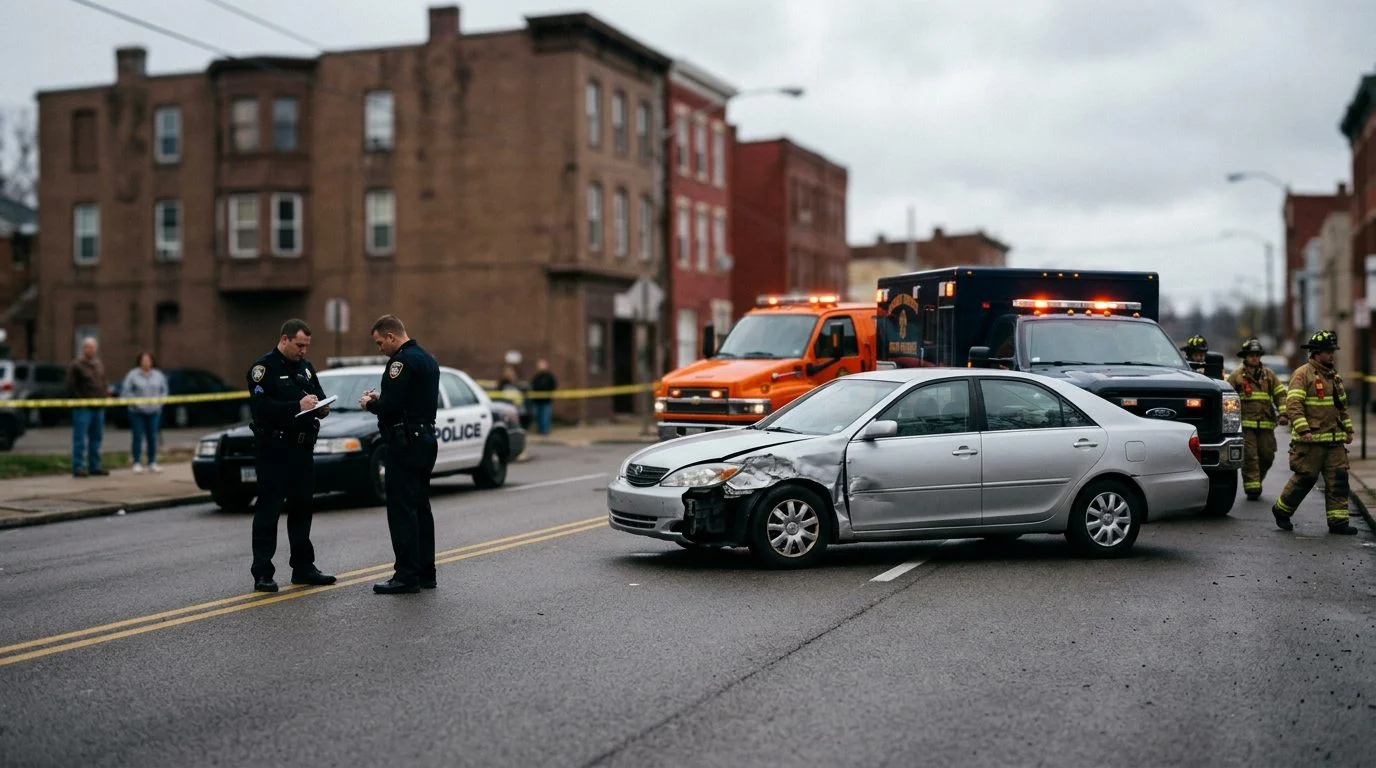
Yes, a car accident can be linked to a stroke. The main links are injury to the arteries in the neck or head and bleeding inside the brain. A link is not automatic, though. Whether a crash led to a stroke depends on the medical findings and how the injury happened.
A stroke happens when blood flow to part of the brain is blocked, or when a blood vessel in the brain bursts. It is a medical event first. Doctors look at a crash as one possible cause, alongside other health factors.
This page is for adults who are worried about themselves or a family member after a collision. Maybe you’re sitting at a hospital bedside right now, trying to understand a diagnosis. The information here is general. It can help you ask better questions and know what to watch for.
A stroke after a crash isn’t always easy to see. Symptoms may be subtle, and a person may feel fine at the scene. That is one reason this topic is easy to overlook.
If a family member had a stroke after a crash, you don't have to face the medical and legal questions alone. Request a free case review to talk through what happened and what comes next. Talk it through with Big Bubba — the first case review is free, confidential, and carries no obligation.
What Suddenly Brings On a Stroke?
Most strokes are ischemic strokes. A clot or blockage cuts off blood flow to part of the brain. The other main type is a hemorrhagic stroke, which happens when a blood vessel in the brain bursts and bleeds. Both can cause sudden weakness, trouble speaking, or confusion.
A transient ischemic attack, often called a mini-stroke, is a short blockage. Symptoms can pass within minutes or hours. It still needs urgent medical checks, because it can be a warning sign of a larger stroke.
Doctors sort strokes by cause, and that sorting matters after a crash. A clot, a torn artery, and a bleed in the brain point to different causes. Each one can lead to a different treatment plan and a different recovery path.
Stroke symptoms can overlap with other medical problems. A medical exam is what sorts out the cause. A person’s age, blood pressure, and heart health also shape which type of stroke is most likely.
How a Crash Can Lead to Arterial Dissection and Stroke
A crash can lead to stroke mainly when force tears an artery in the neck or head. This tear is called arterial dissection. The carotid arteries run up the sides of the neck. The vertebral arteries run through the neck bones toward the brain.
When the inner lining of an artery tears, blood can seep into the artery wall. That can narrow the vessel or form a clot. A clot can break loose and travel, or it can block blood flow where it sits. Either way, part of the brain can lose its blood supply.
Sudden twisting, stretching, or a hard impact to the head and neck can cause a tear. A rear-end collision or side impact can produce that kind of force. That is why doctors ask about a recent crash when a stroke follows a head or neck injury.
Head trauma can also cause bleeding in the brain. That bleeding can produce stroke-like symptoms. It is a different path from a clot, but the result can look similar.
A possible mechanism like this is medically plausible. It still has to be confirmed by imaging and a physician’s evaluation. It should not be assumed from the crash alone.
Timing: When Stroke Symptoms Can Appear After a Crash
Some stroke symptoms show up at the scene. Others appear hours or days later. A torn artery can cause symptoms that develop as a clot forms or the vessel narrows.
Delayed symptoms are easy to miss. Headache, neck pain, dizziness, and tiredness are common after any crash. That makes it hard to tell ordinary soreness from something serious.
Many people push through the first days because they feel they are recovering. That instinct is understandable. It is also why timing often gets lost.
Keep a simple written note. Record when the crash happened, when each new symptom started, and whether it got better or worse. Bring that note to every doctor visit.
Tell every provider about any hit to the head or neck, even if it seemed minor at the time. Any new symptom after a crash should be reported to a doctor, even if you feel like you’re recovering. Early medical notes also give the clearest picture of what happened.
Warning Signs and What to Do Right Away
Call 911 right away if stroke signs appear. Don’t wait to see whether they pass. Don’t drive yourself or a family member to the hospital.
Use the BE FAST checklist: balance loss, eye changes, face drooping, arm weakness, speech difficulty, and time to call 911. The checklist is simple on purpose. Each letter marks a sign that often shows up first, so a bystander can act fast without medical training.
Also watch for a sudden severe headache, sudden confusion, vision loss in one or both eyes, numbness, or trouble walking. Any of these need emergency care.
Tell emergency staff about the crash. Say whether the head or neck hit anything, and say when the symptoms started. Those details help the team decide what to check first.
Write down the time the first sign appeared, if you can. A family member may not notice their own symptoms, so watch the person closely. If something feels wrong after a crash, get checked. Waiting to see can lose time that matters.
Brain Bleeding After a Crash and Recovery
A bleed in the brain after a head impact can need urgent treatment. Bleeding can form between the skull and the brain, or inside brain tissue. Some bleeds can grow over time, so watching for changes matters.
Recovery varies from person to person. It depends on the size and location of the bleed, how fast it was treated, and the person’s overall health. The path is rarely a straight line.
Follow-up often includes repeat imaging, rehabilitation, and checks for lasting changes in thinking, movement, or vision. Some changes show up weeks or months after the injury. Keep all imaging reports and discharge papers, since they show what doctors found and when.
Spinal injuries are a separate concern. MedlinePlus spinal cord injury overview explains that car accidents can cause spinal cord injury. That injury may result in permanent paralysis, loss of function, or loss of sensation below the injury site.
If a crash left a head or spinal injury, the firm’s pages on traumatic brain injury and spinal cord injury explain those injuries in more depth.
Not sure what your next step is?
Talk it through with Big Bubba — the first case review is free, confidential, and carries no obligation.
Linking a Stroke to a Crash: Causation and the Medical Timeline
A stroke after a crash does not prove by itself that the crash caused it. Doctors and other reviewers look at imaging, timing, and medical history together.
Two questions are involved. Causation asks how the injury happened. Damages asks what the injury has taken from the person, such as lost work, pain, or changes in daily life.
The medical timeline is key evidence. Keep emergency and hospital records, imaging results, and the police crash report. Add your own notes on when symptoms began and how they changed.
Be honest about prior conditions like high blood pressure, diabetes, or heart problems. Those conditions affect how a stroke is assessed. Leaving them out can confuse the picture later. Good records make the medical review clearer for everyone involved.

Next Steps in West Virginia If a Family Member Had a Stroke After a Crash
Report the crash to police and keep the crash report number. Ask for a copy when it’s available.
West Virginia’s general time limit for personal injury claims is two years. W. Va. Code § 55-2-12 sets two years after the right to bring a personal injury claim has accrued. Other rules can apply, so don’t wait.
West Virginia also uses a shared-fault rule. Under W. Va. Code § 55-7-13c, any fault chargeable to the plaintiff does not bar recovery unless the plaintiff’s fault is greater than the combined fault of all other persons responsible for the total damages; if it is less, the recovery is reduced in proportion to the plaintiff’s degree of fault. They are barred only if their fault is greater than the combined fault of everyone else.
Can a car accident cause a stroke days later?
Yes, symptoms can appear hours or days after a crash. Report any new symptom to a doctor right away.
Does a stroke after a crash prove the crash caused it?
A single fact does not prove it. Doctors look at imaging, timing, and medical history together.
How long do I have to file a claim in West Virginia?
The general limit is two years under W. Va. Code § 55-2-12, but other rules can apply. Act early so you don’t lose time.
If your family member had a stroke after a crash, you don’t have to sort through the records and deadlines alone. Request a free case review to talk through the crash, the medical picture, and your questions. We serve West Virginia injury victims in Charleston, Huntington, Morgantown, Wheeling, Martinsburg, Parkersburg, Beckley, Clarksburg, Fairmont and Weirton.