
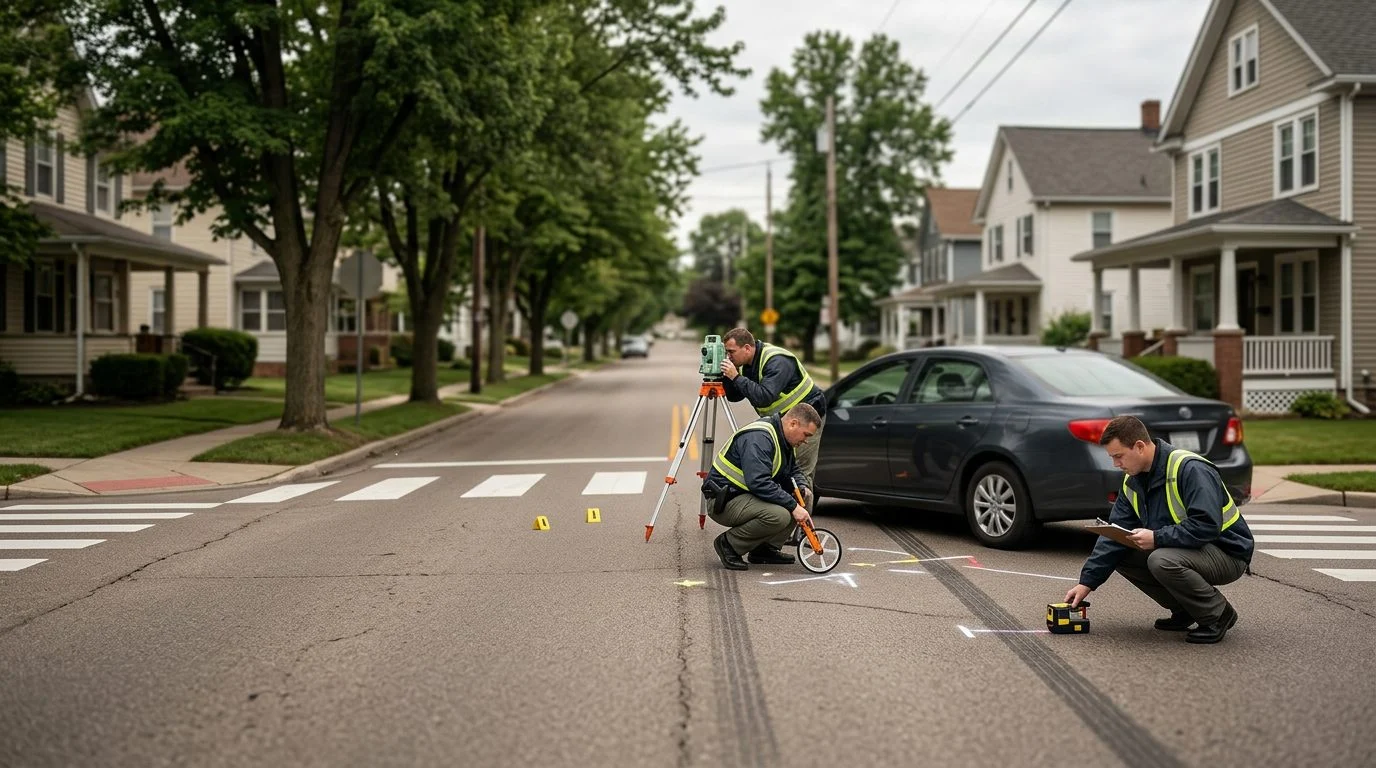
Brain Injury After a Crash
Brain Injury Claim After Crash: West Virginia Guide
A traumatic brain injury can change your life in an instant. Big Bubba focuses exclusively on helping West Virginia residents and families pursue claims after serious crashes.
Published October 01, 2026
Traumatic Brain Injury Claim After a Serious Crash: What You Need to Know
A traumatic brain injury (TBI) claim is a legal action to recover damages—medical bills, lost income, and compensation for pain and suffering—when a crash caused by another driver’s negligence results in brain injury. If you’ve suffered a TBI in a car, truck, or commercial vehicle accident in West Virginia, you may be entitled to recover the full cost of your injury and its lifelong effects.
Not sure what your next step is?
Talk it through with our team — the first case review is free, confidential, and carries no obligation.
What Is a Traumatic Brain Injury Claim After a Crash?
A brain injury claim is a personal injury lawsuit seeking compensation for damages caused by a TBI that resulted from a crash you didn’t cause. This claim is for you if another driver’s negligence—speeding, distracted driving, drunk driving, or reckless behavior—caused the crash and your brain injury.
TBI matters because it’s often invisible. A broken bone shows on an X-ray; a brain injury may not show up on a standard scan for hours or days, and symptoms may be dismissed as minor at first. Yet TBI can mean lifelong medical care, lost wages, cognitive impairment, and permanent changes to your quality of life. A claim seeks to recover those costs and losses—both the expenses you can measure (medical bills, lost income) and the damages that are harder to quantify (pain, suffering, memory loss, personality changes).
Your claim covers:
- Economic damages: emergency care, hospitalization, diagnostic imaging (CT scans, MRI), neurological assessments, rehabilitation, ongoing therapy, medications, assistive devices, home modifications, lost wages during recovery, and future medical care
- Non-economic damages: physical pain, emotional distress, cognitive and behavioral changes (memory problems, difficulty concentrating, personality changes, depression, anxiety), and loss of enjoyment of life
- Wrongful death damages: if the TBI resulted in death, compensation to surviving family members for funeral expenses, lost financial support, and loss of companionship
Why Brain Injury Claims Are Complex
TBI is often called the “invisible injury” because symptoms may not appear immediately or may be mistaken for shock or minor concussion. Here’s why these claims require careful, expert handling:
Symptoms may be delayed. You can suffer a TBI without losing consciousness. Symptoms—headaches, dizziness, memory loss, difficulty concentrating, mood changes—may appear hours or days after the crash, not at the scene. Many people don’t realize the full extent of their injury until weeks later.
Diagnosis requires specialized testing. TBI isn’t diagnosed with an X-ray. It requires diagnostic imaging such as CT scans and MRI, neurological assessments by a specialist, and cognitive testing—standardized evaluations of memory, attention, processing speed, and executive function. Without these, your injury is invisible to the insurance company.
Long-term effects are hard to quantify. A broken leg heals; a brain injury may not. Memory loss, personality changes, difficulty working, and cognitive decline are real damages, but they’re harder to put a dollar value on than a surgery bill. This requires expert testimony and careful documentation.
Proving causation is critical. Insurance companies often claim your TBI is pre-existing or unrelated to the crash. You must prove the crash caused the injury. This requires medical evidence, timing of symptom onset, and expert testimony from a neurologist or neuropsychologist explaining the mechanism of injury.
Insurance companies have incentives to deny or minimize. Without an experienced attorney, you’re negotiating against an adjuster whose job is to pay as little as possible. They know many TBI victims don’t have strong medical evidence or don’t understand the long-term impact of their injury.
How the Brain Injury Claim Process Works
Here’s what to expect from investigation through resolution:
Step 1: Immediate medical evaluation. Seek emergency care right away. Document all symptoms and injuries at the scene and in your medical records. Tell doctors about any head impact, loss of consciousness, or confusion—even if brief.
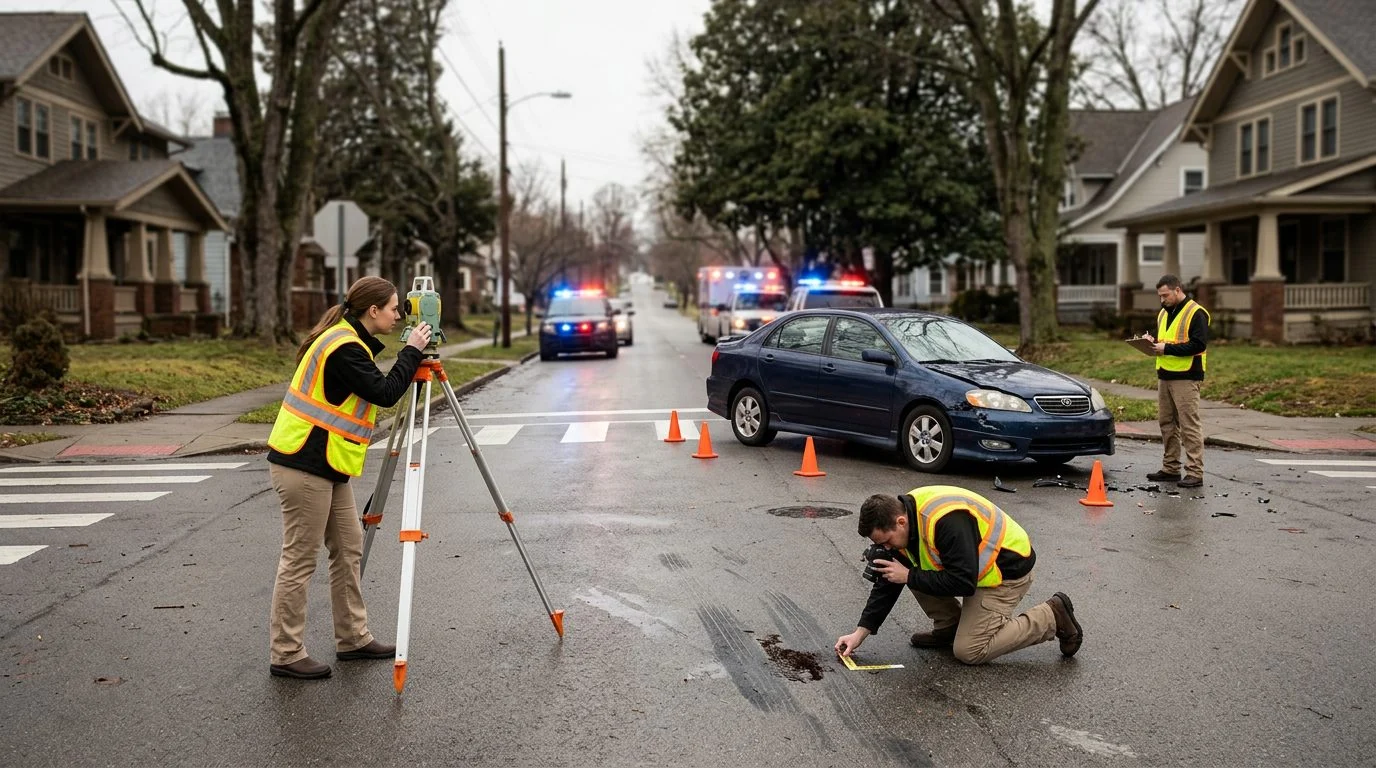
Step 2: Investigation. We gather the police report, witness statements, vehicle damage photos, and medical records. We determine who caused the crash and establish liability.
Step 3: Medical evidence collection. We can work with your medical providers to obtain diagnostic imaging, cognitive testing results, treatment records, and medical opinions on how the crash relates to your TBI.
Step 4: Demand and negotiation. We prepare a detailed demand letter with all evidence and submit it to the at-fault driver’s insurance company. We explain your injury, its cause, its long-term effects, and the damages you’re claiming.
Step 5: Settlement discussion or litigation. If the insurer offers fair compensation, we evaluate it with you. If not, we file a lawsuit in West Virginia courts and prepare for trial.
Step 6: Resolution. Your case settles, or a jury decides the verdict.
Have questions about what happened?
Ask our team directly. The first conversation is free, confidential, and there is no obligation to continue.
Timeline: What to Expect
Brain injury cases take time. Here’s a realistic timeline:
- Weeks 1–4: Medical treatment, initial investigation, evidence gathering
- Months 2–6: Medical records collection, specialist consultations, demand preparation
- Months 6–12: Negotiation with insurance company
- Months 12+: If no settlement, litigation and trial preparation (can take 1–3 years or more)
Complex TBI cases with significant long-term effects often take longer to resolve fairly. We don’t rush.
Medical Evidence That Supports Your Claim
Insurance companies won’t pay fairly without strong medical evidence. Here’s what matters:
- Diagnostic imaging: CT scans and MRI results showing brain injury, structural damage, bleeding, or swelling
- Neurological assessments: formal testing by a neurologist documenting cognitive deficits, balance problems, vision changes, or other neurological signs
- Cognitive testing: standardized tests measuring memory, attention, processing speed, and executive function
- Medical records: emergency department notes, hospital discharge summaries, treatment records from neurologists, neuropsychologists, and rehabilitation specialists
- Symptom documentation: your own records of headaches, dizziness, memory loss, mood changes, sleep problems, and how they affect daily life, work, and relationships
- Expert testimony: neurologists or neuropsychologists who can explain the injury, how the crash caused it, and its long-term impact on your life
Common Questions About Brain Injury Claims
What if I didn’t lose consciousness?
You can still have a TBI. Many TBIs occur without loss of consciousness. Symptoms may appear hours or days later. Medical testing and specialist evaluation determine whether you have a TBI, not whether you were knocked out.
How do I prove my brain injury was caused by the crash?
Medical evidence (timing of symptom onset, diagnostic imaging, neurological findings), the mechanism of the crash (head impact, sudden deceleration), and expert testimony establish causation. We work with specialists to build this case.
What if the insurance company says my injury is pre-existing?
We obtain your pre-crash medical records and expert opinions to show the crash caused or significantly worsened your condition. West Virginia follows comparative negligence law, which allows recovery even if you’re partially at fault, unless your fault is greater than the combined fault of all other persons responsible.
How long will my case take?
Simple cases may settle in 6–12 months. Complex TBI cases with long-term effects often take 1–3 years or longer, especially if litigation is necessary. We prioritize getting you fair compensation over speed.
Will I have to go to trial?
Many cases settle before trial. But we prepare every case for court and are ready to take it to trial if the insurance company won’t offer fair compensation.
What if I’m partially at fault for the crash?
West Virginia comparative negligence law allows you to recover damages even if you’re partially responsible, as long as your fault is not greater than the combined fault of all other persons responsible. Under W. Va. Code § 55-7-13c, your recovery is generally reduced in proportion to your degree of fault, but it is barred if your fault is greater than the combined fault of all other persons responsible for the damages.
Why Big Bubba Handles Brain Injury Claims Differently
We focus exclusively on serious injury and wrongful death cases—car crashes, truck accidents, catastrophic injuries, and TBI.
We don’t settle quickly. We can take time to document long-term effects, consult medical specialists when needed, and work to have your claim reflect the full cost of your injury. We prepare each case with the possibility of trial in mind and are ready to litigate if necessary.
We conduct thorough investigations into how the crash happened and who is responsible. We look at how West Virginia law applies to your case, and we can work with neurologists and neuropsychologists to document the medical evidence for your claim.
Want to know where you stand?
Tell us what happened and our team will walk you through the options available to you, at no cost.
Get Started: Your Free Case Review
If you’ve suffered a brain injury in a crash caused by another driver’s negligence, the next step is simple. Contact us for a free case review. We listen to what happened, ask questions about your injury and recovery, explain your options, and tell you what we can do to help.
If we take your case, we handle all communication with insurance companies and medical providers. You focus on recovery. We focus on getting you fair compensation for your injury, your medical care, your lost income, and your pain and suffering.
People in your situation can reach out to us. Some people don’t realize they have a claim. If you’ve suffered a brain injury in a crash in West Virginia, tell us what happened. There’s no obligation, and no cost to talk.
You don't need to lose consciousness to have a TBI
Many traumatic brain injuries occur without any period of unconsciousness. Symptoms—including headache, confusion, memory problems, dizziness, or mood changes—may appear hours or even days after the crash. Medical testing and specialist evaluation determine whether you have a TBI, not whether you were knocked out. If you've had any head impact in a crash, get evaluated by a doctor.
What happens after a brain injury crash
Medical care comes first
Get evaluated and treated for your injury. Document all symptoms, test results, and treatment. This medical record is essential to your claim.
Proving causation matters
Your lawyer will use medical evidence—timing of symptom onset, imaging results, and specialist reports—to show the crash caused your injury, not a pre-existing condition.
Damages are broader than you may think
A brain injury claim can include medical bills, lost wages, ongoing care costs, and compensation for pain, cognitive changes, and reduced quality of life.
Time is critical
The sooner you contact a lawyer, the sooner we can preserve evidence, gather medical records, and protect your rights.
Why Big Bubba handles your brain injury claim
We focus exclusively on serious injury and wrongful death
Car crashes, truck accidents, catastrophic injuries, brain and spinal cord damage, and families in wrongful death cases—this is all we do in West Virginia.
We understand the stakes
A traumatic brain injury affects your thinking, memory, mood, and independence. We listen to your story and fight for fair compensation that reflects your real losses.
We handle the legal work
We investigate the crash, work with medical experts, negotiate with insurers, and prepare your case—so you can focus on recovery.
No fees unless there is a recovery
We work on contingency. You pay nothing upfront, and we only collect a fee if we recover compensation for you. You may still be responsible for court costs and case expenses.
Ready to discuss your brain injury claim?
Related practice areas
- Traumatic Brain Injury from Car and Truck Accidents in West Virginia