
Traumatic Brain Injury
Brain Injury Claim After Commercial Vehicle Accident in West Virginia
If you or a loved one suffered a traumatic brain injury in a crash involving a commercial truck or vehicle, Big Bubba Injury Law can help you understand your rights and pursue fair compensation.
Published October 05, 2026
Brain Injury Claim After a Commercial Vehicle Accident in West Virginia
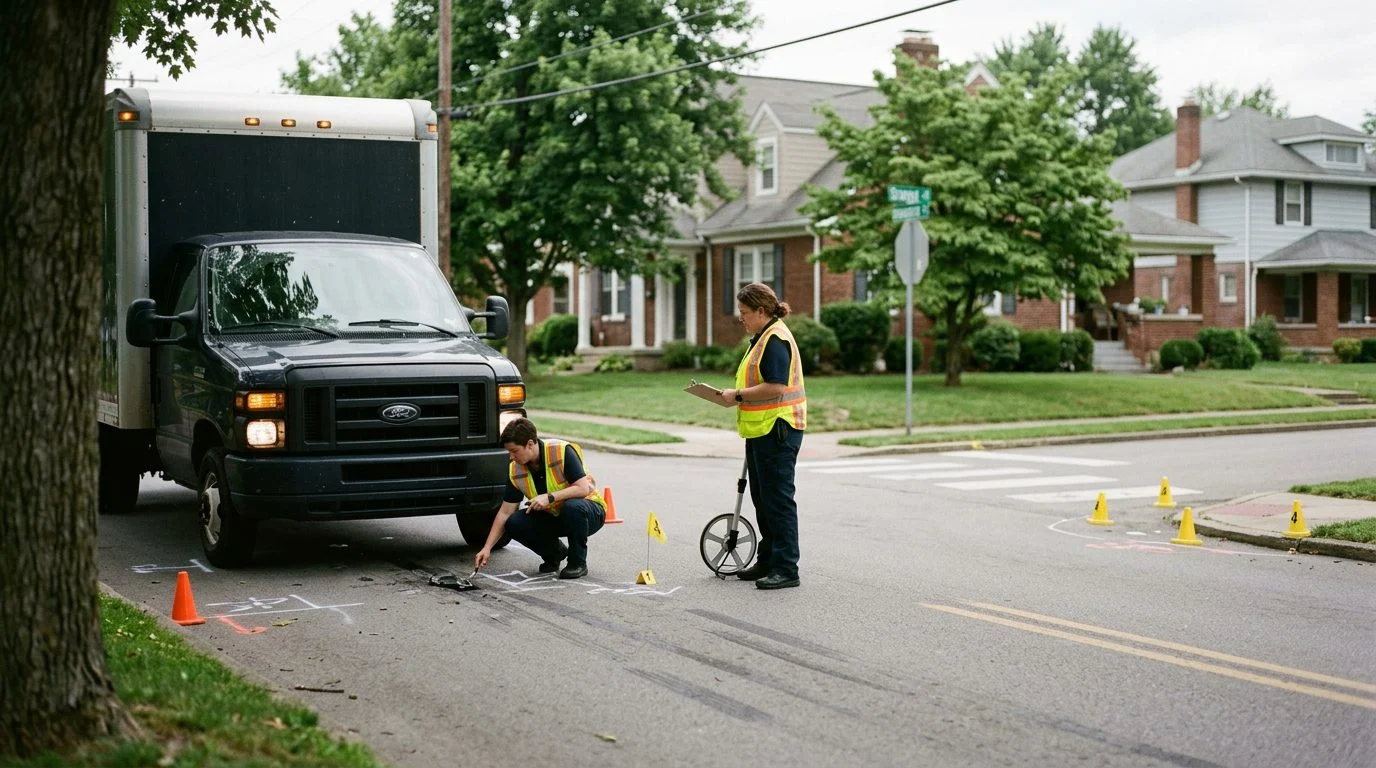
A brain injury claim after a commercial vehicle accident is a legal case for damages when a traumatic brain injury (TBI) results from a collision involving a commercial truck, bus, delivery van, or other commercial vehicle. These claims are more complex than ordinary car accident cases because commercial vehicles are heavier, operate under federal rules, carry higher insurance limits, and often involve multiple liable parties.
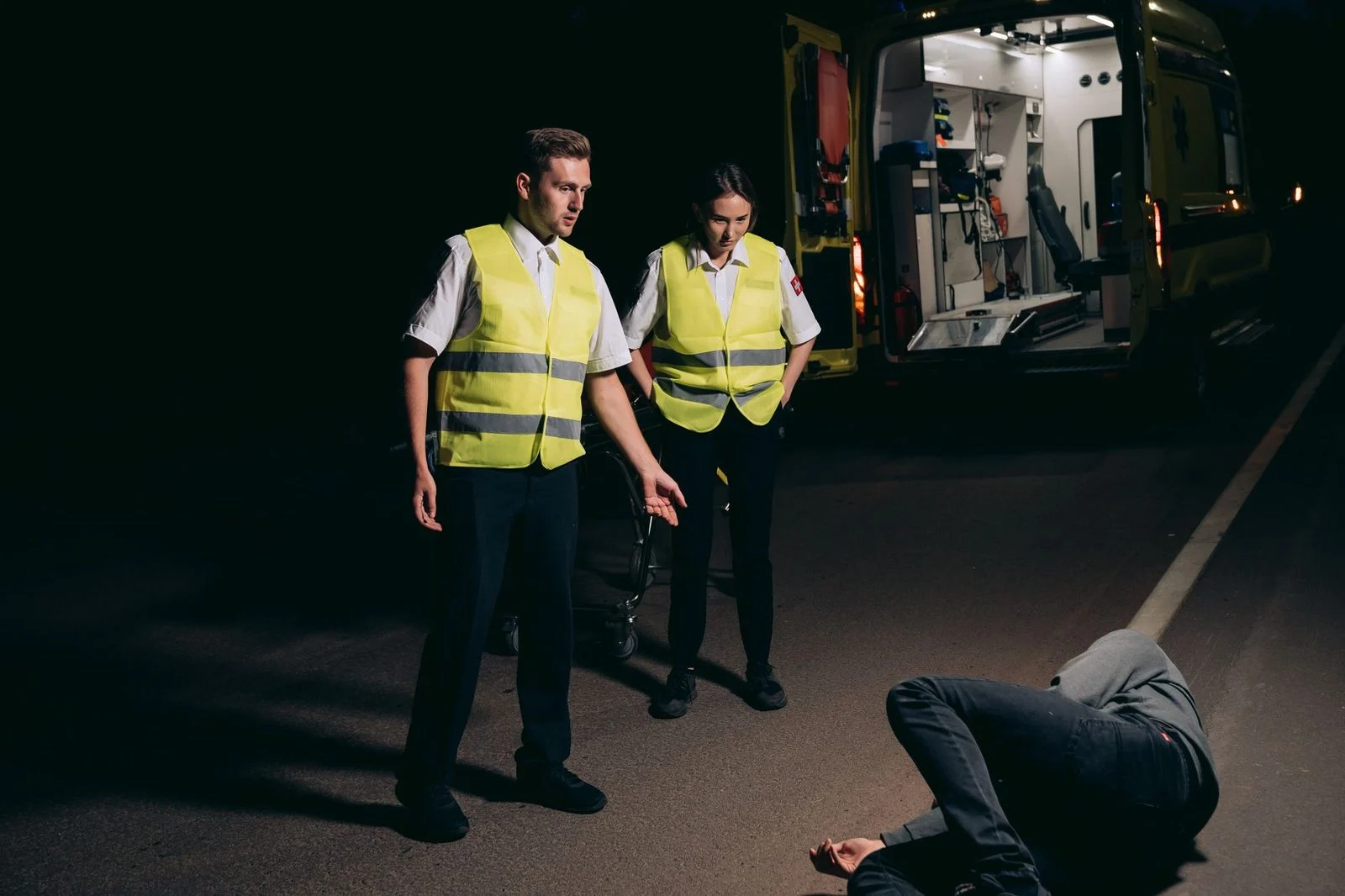
If you or a family member suffered a brain injury in a collision with a commercial truck or vehicle, you may have a claim—and a limited time to pursue it. Talk it through with our team — the first case review is free, confidential, and carries no obligation.
What Is a Brain Injury Claim After a Commercial Vehicle Accident?
A brain injury claim seeks compensation when a commercial vehicle accident causes a traumatic brain injury—any injury that disrupts normal brain function, from a mild concussion to severe TBI with lasting cognitive, physical, or behavioral changes.
Who it’s for: Anyone injured in an accident involving a commercial vehicle who has suffered a brain injury and faces medical costs, lost income, ongoing care needs, or other damages tied to that injury.
Why commercial vehicle accidents are different: Commercial vehicles weigh much more than passenger cars, operate under federal hours-of-service regulations, carry commercial insurance policies with higher coverage limits, and often involve multiple potentially liable parties—the driver, the employer, the vehicle owner, a maintenance contractor, or a cargo company. A single accident may create liability claims against several defendants, each with separate insurance and legal exposure.
What a claim actually covers: Medical expenses, lost wages, future care costs, pain and suffering, and other damages allowed under West Virginia law—but only what evidence and law support, never a guaranteed amount or outcome.
What Does a Brain Injury Claim After a Commercial Vehicle Accident Cover?
A brain injury claim covers the measurable and documented costs and losses caused by the injury.
Medical expenses: – Emergency care, hospitalization, and imaging (CT scans, MRI) – Surgery and rehabilitation – Physical therapy, occupational therapy, and speech therapy – Neuropsychological testing to document cognitive effects – Ongoing specialist care and medications – In-home nursing or care attendants
Lost income: – Wages lost during recovery and medical treatment – Reduced earning capacity if the injury prevents you from working at the same level or in the same job
Future care costs: – Long-term care and rehabilitation – Home modifications and adaptive equipment – Ongoing treatment and therapy – Medications and medical supplies
Pain and suffering: – Compensation for physical pain and emotional distress – Loss of enjoyment of life, relationships, and activities – Cognitive changes, memory problems, and personality changes caused by the injury
Other damages: – Transportation costs for medical appointments – Caregiver and household expenses tied to recovery – Other out-of-pocket costs directly caused by the injury
What is not covered: Punitive damages (extra damages meant to punish) are rare in West Virginia and require proof of extreme misconduct. A claim cannot guarantee a specific settlement amount, and no outcome is promised.
How Does a Brain Injury Claim After a Commercial Vehicle Accident Work?
The process from accident to resolution follows a clear path, though timelines vary based on injury severity and whether settlement is reached.
Step 1: Report and document the accident
File a police report and get a copy of the report number. Seek immediate medical care, even if you feel okay—brain injuries can have delayed symptoms, and medical records are critical evidence. Take photos of vehicle damage, the accident scene, road conditions, and any visible injuries. Write down what you remember while it is fresh. Collect the names, phone numbers, and addresses of the commercial driver, vehicle owner, employer, witnesses, and the responding officer. Preserve all evidence: do not repair the vehicle, discard clothing, or delete photos or messages.
Step 2: Investigation
We identify all potentially liable parties—the driver, employer, vehicle owner, maintenance provider, cargo loader, and others. We obtain commercial vehicle records, driver logs, and insurance policies. We review federal hours-of-service compliance: commercial drivers must comply with 49 CFR § 395.3, which limits driving to 11 hours within a 14-hour window and 60/70 hours per week. Violations of these rules can strengthen a negligence claim. We gather accident reconstruction evidence and medical records.
Step 3: Medical evaluation
Proper diagnosis is essential. A traumatic brain injury occurs when a bump, blow, or jolt to the head disrupts normal brain function, and diagnosis typically involves imaging such as CT or MRI scans and brain function tests. Ongoing medical documentation of symptoms and treatment is central to your claim’s value.
Step 4: Demand and negotiation
We calculate damages based on medical evidence, lost wages, and long-term care needs. We present a demand to the commercial insurance carrier(s) and negotiate a settlement. Commercial insurers often defend aggressively, but the presence of multiple liable parties and higher policy limits can work in your favor.
Step 5: Resolution
Most claims settle before trial. If a fair settlement is not reached, we are prepared to pursue the claim in court.
Timeline: Claims can take months to years depending on injury severity, medical recovery, the complexity of liability, and whether settlement is reached or litigation is necessary.
Not sure what your next step is?
Talk it through with our team — the first case review is free, confidential, and carries no obligation.
Why Commercial Vehicle Accidents Require Focused Legal Help
Commercial vehicle accident claims differ from ordinary car accidents in ways that affect your claim’s value and complexity.
Multiple liable parties: Unlike a two-car accident, commercial vehicle accidents often involve the driver, the employer, the vehicle owner, maintenance contractors, and others. Each may be liable under different legal theories, and each has separate insurance. Identifying all liable parties and pursuing claims against all of them requires investigation and legal knowledge.
Higher insurance limits: Commercial policies typically carry much higher coverage limits than personal auto insurance. This means more resources are available to compensate you, but also more aggressive defense tactics from insurers protecting larger sums.
Federal regulations: Commercial drivers must comply with federal hours-of-service rules, vehicle maintenance standards, and cargo regulations. Violations of these rules can strengthen your negligence claim and are often overlooked by less experienced counsel.
Complex causation: Proving that the commercial vehicle accident caused your specific brain injury requires medical experience and accident reconstruction. It is not enough to say what happened; you must prove the accident caused the injury and how.
Employer liability: If the commercial driver was acting within the scope of employment, the employer may be liable under vicarious liability (the employer is responsible for the employee’s negligence) or negligent hiring/retention (the employer failed to hire or supervise safely).
Understanding West Virginia’s Comparative Fault Rule
West Virginia follows a modified comparative fault rule: you can recover damages even if you are partially at fault, as long as your fault is not greater than the combined fault of all other parties. In plain terms, if you are 50% or less at fault, you can still recover—though your award is reduced by your percentage of fault.
Example: If your damages are $100,000 but you are found 20% at fault, you recover $80,000.
This rule matters in commercial vehicle accidents because the defense will often argue that you contributed to the accident. Understanding this rule helps you evaluate settlement offers fairly.
Statute of Limitations for Brain Injury Claims in West Virginia
You have a limited time to file a brain injury claim after a commercial vehicle accident.
West Virginia law generally allows two years from the date the right to sue accrues to file a personal injury lawsuit, and exceptions may apply. If you wait past that deadline, you may lose the right to pursue a claim, even if you have strong evidence, though exceptions may apply.
The clock starts on the date of the collision for most accidents. Some claims, such as certain medical malpractice claims, may run from the date you discover the injury, but do not rely on this exception. Contact us as soon as possible after a commercial vehicle accident involving a brain injury. The sooner we investigate, the better we can preserve evidence and build your case.
What to Do Right After a Commercial Vehicle Accident
The first hours and days after a commercial vehicle accident are critical.
- Seek medical care immediately. Even if you feel okay, get evaluated by a doctor. Brain injuries can have delayed symptoms, and medical records are crucial evidence.
- Report the accident. File a police report and get a copy of the report number.
- Document everything. Take photos of vehicle damage, the accident scene, road conditions, and any visible injuries. Write down what you remember while it is fresh.
- Collect information. Get the names, phone numbers, and addresses of the commercial driver, vehicle owner, employer, witnesses, and the responding officer.
- Preserve evidence. Do not repair the vehicle, discard clothing, or delete photos or messages related to the accident.
- Avoid statements. Do not admit fault, apologize, or give a recorded statement to an insurance adjuster without legal advice.
- Contact us. Reach out for a free case review so we can advise you on next steps and begin protecting your rights.
Have questions about what happened?
Ask our team directly. The first conversation is free, confidential, and there is no obligation to continue.
Common Questions About Brain Injury Claims After Commercial Vehicle Accidents
How much is a brain injury claim worth after a commercial vehicle accident?
West Virginia law does not set a fixed value. Compensation depends on medical evidence of injury severity, treatment costs, lost income, age, and long-term prognosis. We evaluate each claim individually based on the facts and evidence.
What is Erin’s Law in West Virginia?
W. Va. Code § 55-7-11 provides that where common carriers are not incorporated, one or more of them may be sued in their own name or names only, to recover damages for loss of or injury to any parcel, package, or person. It does not set claim values or guarantee compensation.
What kind of settlement does a person with TBI get?
Settlements vary widely. Some cover immediate medical costs and lost wages; others address long-term care, ongoing therapy, and lifetime support. The amount depends on the injury’s severity, prognosis, and the strength of evidence.
Does TBI qualify for disability?
A traumatic brain injury may qualify you for Social Security Disability Insurance (SSDI) or Supplemental Security Income (SSI) if it prevents you from working. This is a separate process from your personal injury claim, but we can help you understand both.
Serving West Virginia Brain Injury Victims
We serve injury victims across all 55 West Virginia counties, including Charleston, Huntington, Morgantown, Wheeling, Martinsburg, Parkersburg, Beckley, Clarksburg, Fairmont, and Weirton. We focus on serious injury cases—traumatic brain injury, spinal cord injury, catastrophic injury, and wrongful death—because these cases demand thorough investigation and skilled advocacy.
We understand commercial liability and know how to identify all liable parties, navigate commercial insurance policies, and use federal regulations to strengthen your claim. We work on a contingency basis: you pay no fee unless we recover compensation for you. You are responsible for court costs and case expenses. While most cases settle, we are prepared to litigate if a fair settlement is not offered.
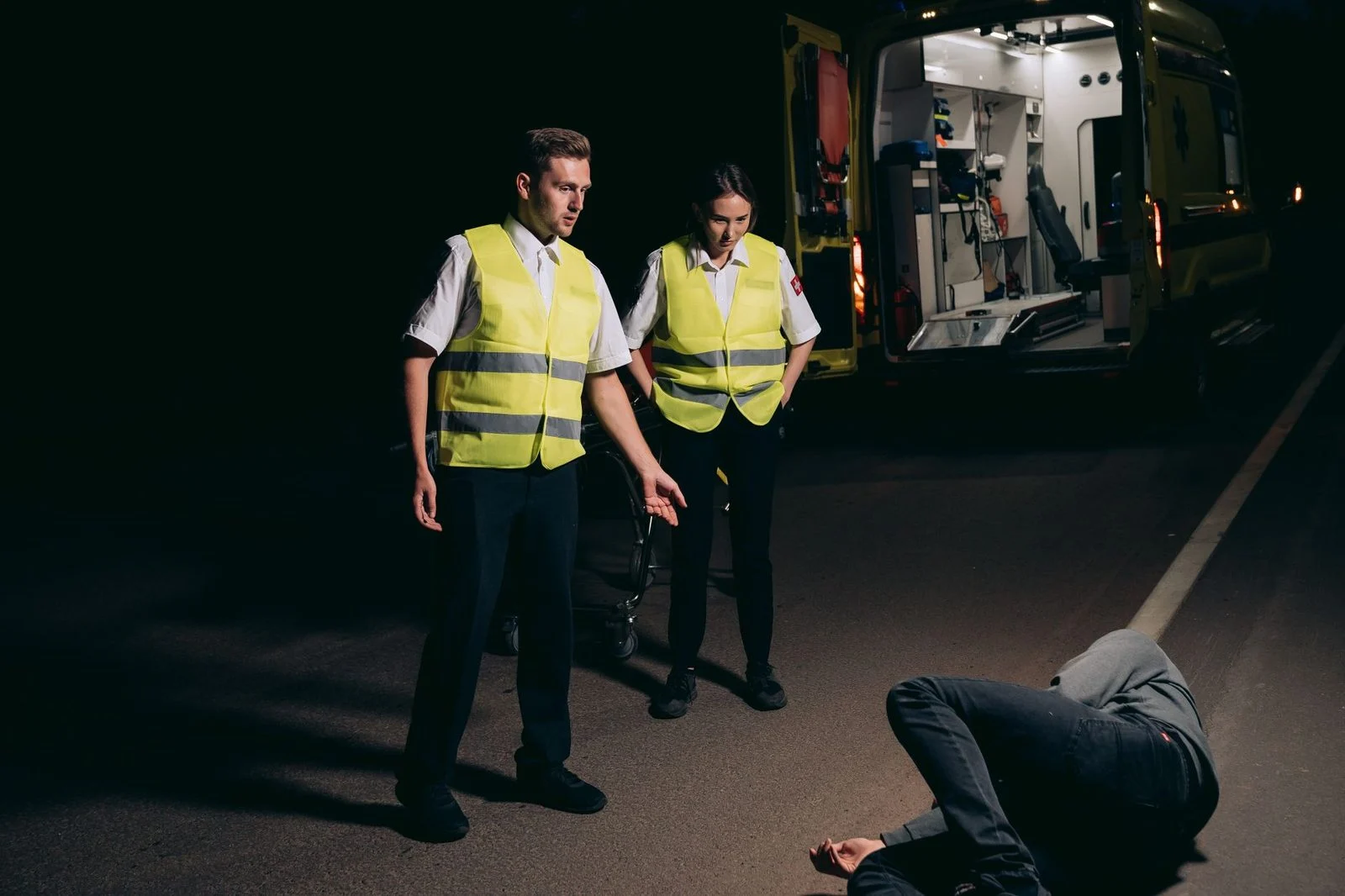
If you or a family member suffered a brain injury in a collision with a commercial truck or vehicle, you may have a claim—and a limited time to pursue it. Tell us what happened.
Related practice areas
- Traumatic Brain Injury from Car and Truck Accidents in West Virginia