
Parent Guide · West Virginia
Your Teen Was Hurt in a Crash. Here Is Where to Start.
A plain-language guide for West Virginia parents facing medical care, insurance calls, and hard questions about what comes next.
Published November 18, 2026
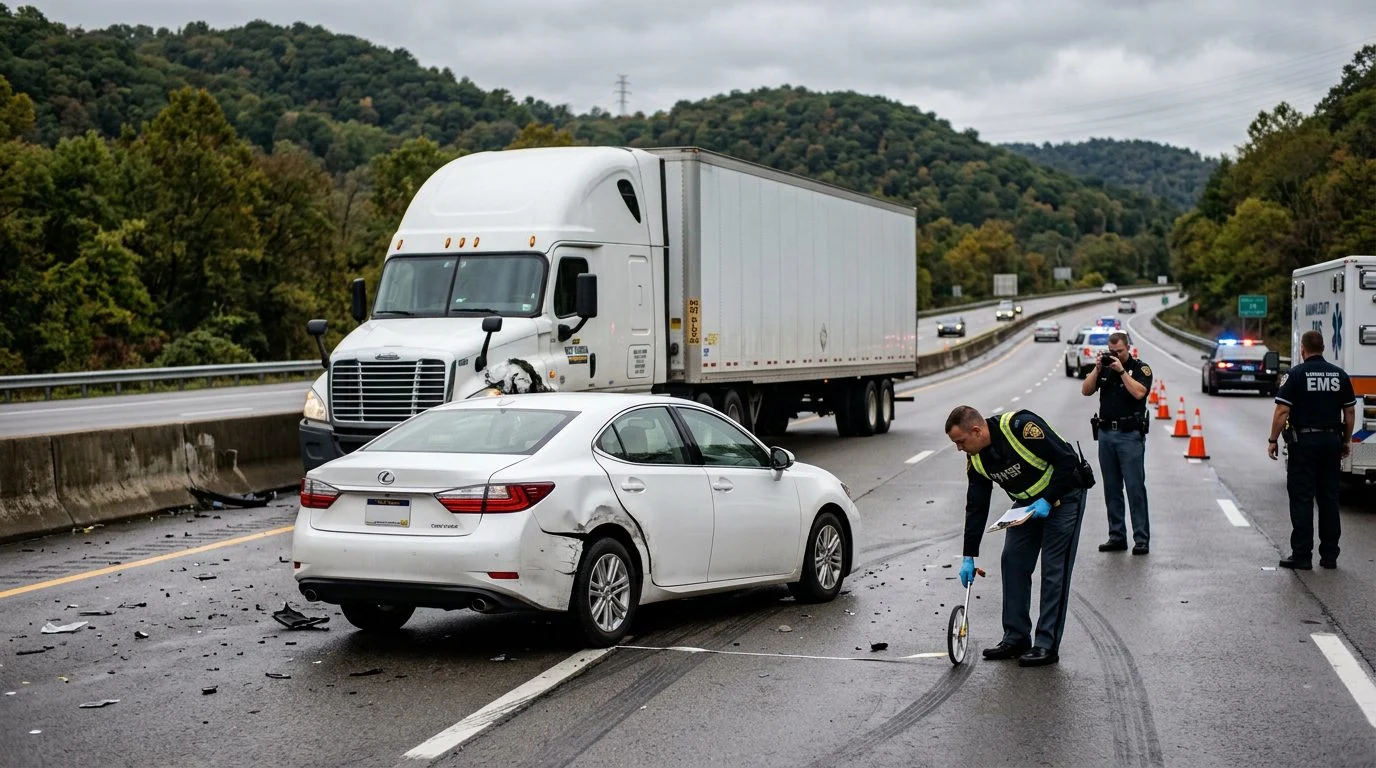
Your teen was hurt in a crash, and the questions keep coming. This guide covers what West Virginia parents ask first. The short answer: get your teen checked by a doctor, ask directly about a head injury, and keep a written record of every visit and bill. West Virginia generally allows two years to bring a personal injury claim, and exceptions may apply (W. Va. Code § 55-2-12). Whether a parent can be held responsible for a teen driver’s crash depends on the facts.
What to Ask the Hospital and Doctors After Your Teen Is Hurt
Ask the care team whether your teen was checked for a head injury, and write down the answer. Ask whether a scan was done, and if not, why not. A normal first scan does not always rule out a brain injury, so ask about a follow-up plan. Request written discharge instructions and a plain-language list of diagnoses, medicines and follow-up visits. Ask which symptoms mean you should call the doctor or return to the emergency room. Write down the date and the name of the staff member who told you. Confirm who to call with questions and how to reach that person after hours. Bring a list of your teen’s medicines and allergies. Tell the team about any change since the crash, even small ones like trouble sleeping or sensitivity to light.
If your teen still has headaches or slipping grades after a crash, you do not have to work out the next steps alone. Request a free case review with us. Talk it through with Big Bubba — the first case review is free, confidential, and carries no obligation.
Keeping Records for a Minor Who Was Hurt in a Crash
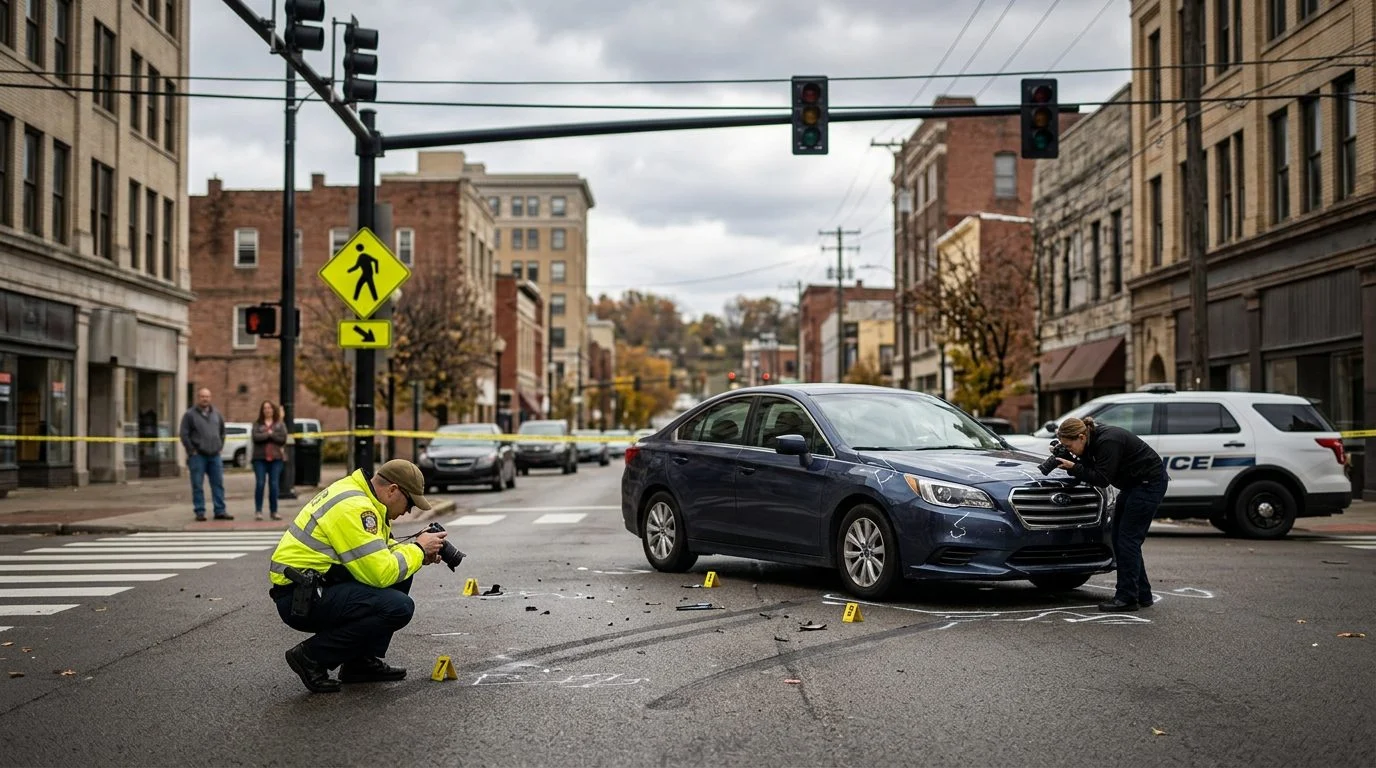
Start one folder or file on the day of the crash, and add to it every week. Write down the date, time, location and names of everyone involved. A driver in a crash with injury or death, or total property damage of $1,000 or more, must immediately give notice to the local police if the crash is within a municipality, otherwise to the county sheriff or the nearest West Virginia State Police office, as W. Va. Code § 17c-4-6 explains. The investigating officer must prepare a crash report within 24 hours after finishing the investigation, under W. Va. Code § 17c-4-7. Ask for the report number and keep it. Save every medical bill, insurance explanation, pharmacy receipt and mileage log for trips to appointments. Keep school absence notes, teacher letters and any change in grades. Photograph visible injuries and vehicle damage. Keep a simple daily journal of headaches, sleep, mood, attention and physical limits. A journal written at the time is easier to explain later than memory alone.
Minor Injuries Versus Serious Injuries: Why a Label Is Not Enough
A “minor” label describes how an injury looked at one moment, not how your teen will feel later. Many people at a crash scene say they feel fine. Pain, dizziness, ringing in the ears and headaches can show up hours or days later. A brain injury may not cause clear signs right away, so a minor first impression does not rule out a later concern. Ask the doctor to explain the injury in writing, including what was found and what was not. That record matters if your teen’s symptoms change. Do not let anyone else, including an insurer, label your teen’s injury for you. Let the medical record and your teen’s own reports guide the next steps. Follow-up visits give the medical team a chance to check how recovery is going.
Symptoms That May Need Follow-Up: Headaches, Sleep, Mood and School
Persistent or worsening headaches, nausea, sensitivity to light or noise, and unusual drowsiness can call for prompt medical attention. Changes in concentration, memory, mood, irritability or sleep can appear days or weeks after a head injury. Parents often notice these changes first. A drop in grades, trouble keeping up with homework, or difficulty reading for long periods is worth raising with the doctor and the school. Ask the school whether a temporary plan, such as extra time or a lighter load, can be arranged during recovery. Tell the doctor about every change you notice, even if it seems unrelated to the crash. Write down when each symptom started, how long it lasted and what made it better or worse. That log gives the medical team concrete facts to work with.
Can a Parent Be Held Responsible for a Teen Driver’s Crash?
A parent may be held responsible in some situations, and the answer generally turns on the facts. The details matter: who owned the car, who handed over the keys, and what the parent knew about the teen’s driving. West Virginia also divides fault by percentage. Under W. Va. Code § 55-7-13c, an injured person’s own fault does not bar recovery unless it is greater than the combined fault of all others responsible. If it is less, the recovery is reduced in proportion to that person’s share of fault. The same statute generally makes each defendant liable only for its own share of compensatory damages, not a joint amount.
Teen Drivers, Passengers and West Virginia’s Licensing Rules
Check which stage your teen holds, since the limits can depend on it. The state’s distracted driving law generally bars a driver from actions with a phone or other device that take attention from safe driving, as W. Va. Code § 17c-14-15 explains. Seat belt rules work differently for child passengers. Under W. Va. Code § 17c-15-49a, evidence that a child passenger was not belted is generally not admissible to show the child’s own negligence.
Not sure what your next step is?
Talk it through with Big Bubba — the first case review is free, confidential, and carries no obligation.
Insurance Questions Parents Often Face After a Teen Crash
Under W. Va. Code § 55-7-11a, the law limits settlement contact for twenty days from the date of a personal injury while the injured person is a hospital inpatient or is partially or totally unable to engage in his or her usual trade, profession or occupation. During that window, no one may negotiate a settlement with an injured person who is a hospital inpatient or is partially or totally unable to engage in his or her usual trade, profession or occupation. The same rule covers asking for a release or a statement for settlement use. Check your family auto policy to see whether your teen is listed as a driver and whether medical payments coverage applies. Notify your own insurer promptly, and write down who you spoke with and when. Some insurers may ask for a recorded statement. You can ask to review those questions before answering. Keep copies of every letter, and do not sign a release until you understand what it covers.
When Your Family Is Ready to Talk With a Lawyer
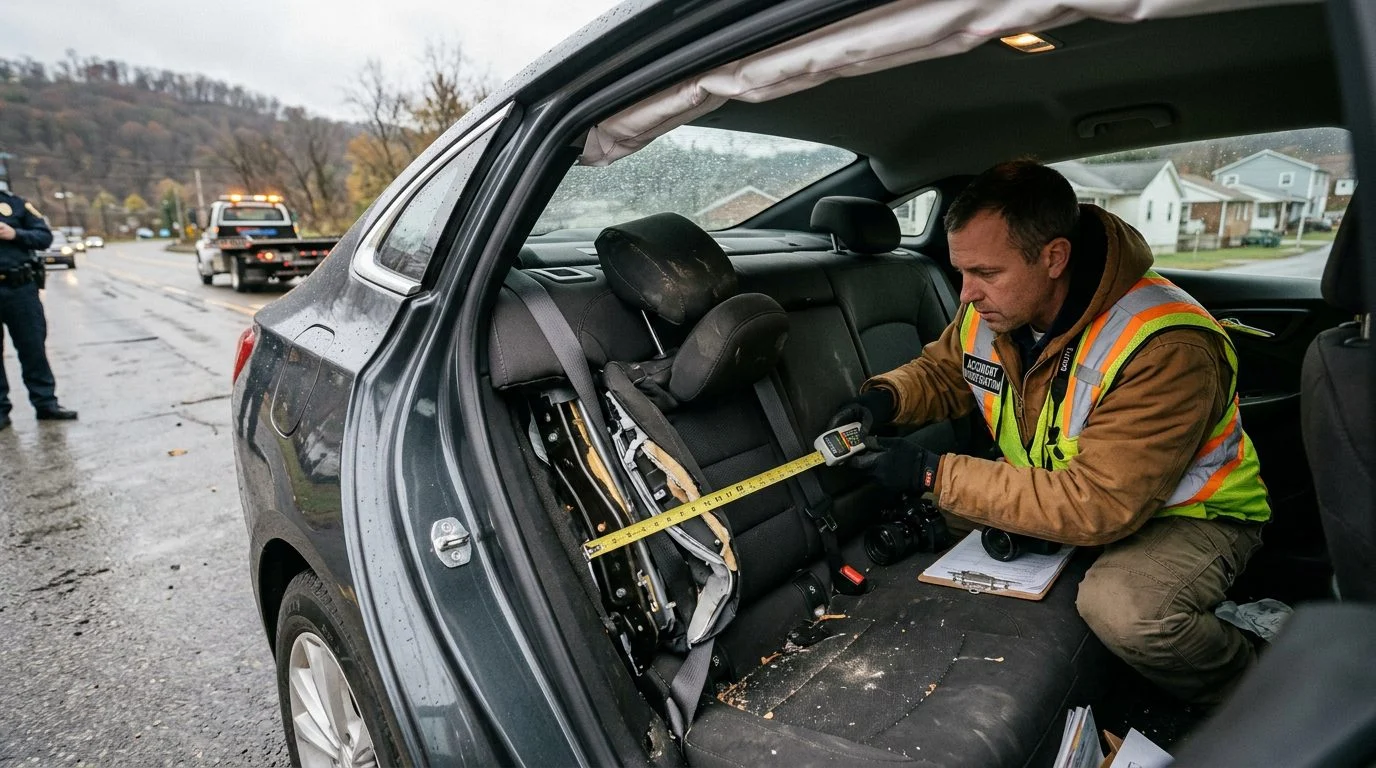
You can talk with a lawyer about your teen’s crash at any stage, and the firm offers a free case review. West Virginia generally allows two years to bring a personal injury claim, under W. Va. Code § 55-2-12. A minor’s deadline may be longer under W. Va. Code § 55-2-15; for most personal actions by a person who was an infant when the right accrued, the action may be brought within the like number of years after reaching full age, but in no case after 20 years from when the right accrues. We handle car accident, truck accident and commercial vehicle claims, including cases involving traumatic brain injury and spinal cord injury. We serve injury victims across West Virginia. Deciding when to call can feel hard while your child is recovering and bills and school calls keep arriving. Bring your folder, the crash report number and your symptom journal. If your teen still has headaches, sleep trouble or slipping grades, you do not have to sort out the next steps alone. Request a free case review with the firm.