
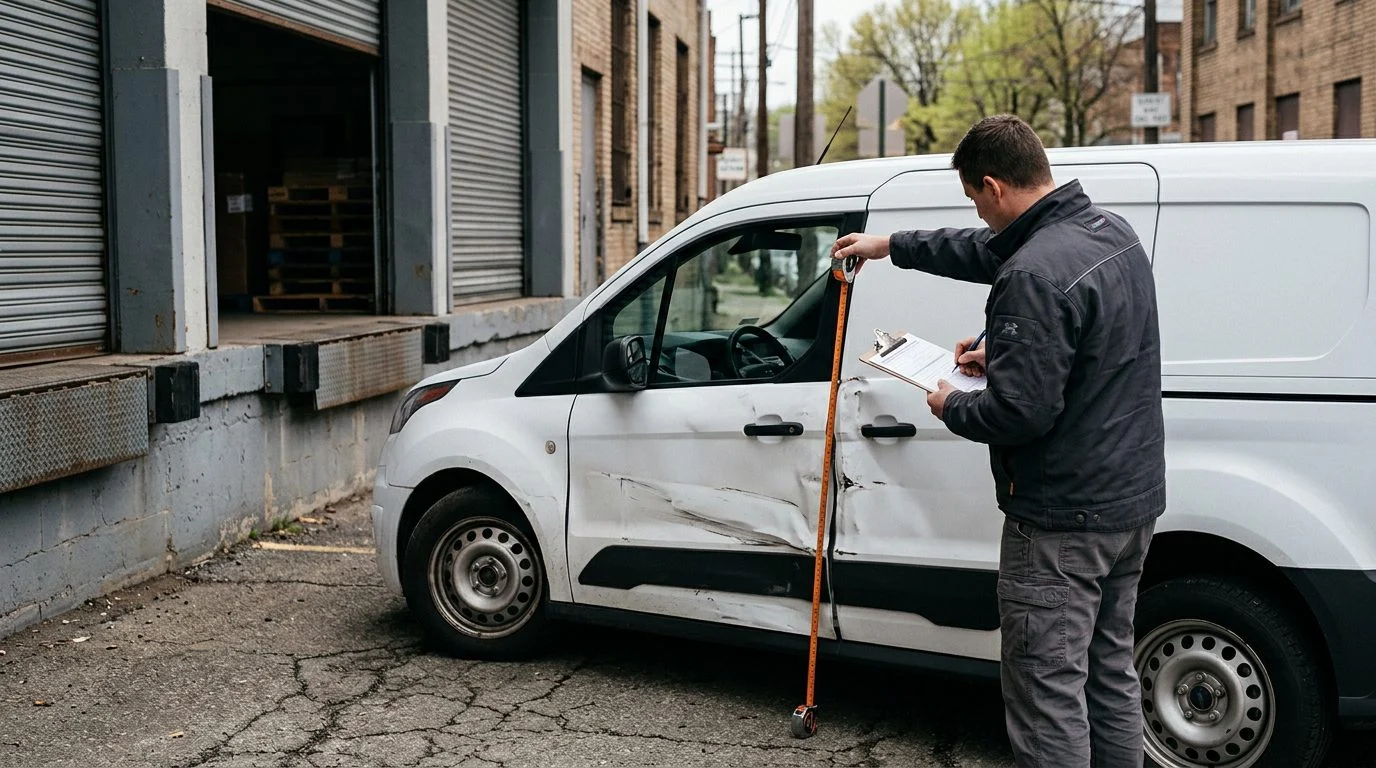
Distracted Driver Crashes | West Virginia
Hurt by a Distracted Driver? Talk to Our Team First.
Texting, phone calls, and other distractions behind the wheel can turn an ordinary drive into a serious crash. The firm offers a free case review for West Virginians and their families, with no obligation to continue.
Published October 24, 2026
A distracted driver crash claim seeks compensation for people hurt when another driver was not paying full attention. Big Bubba Injury Law represents people seriously hurt in car and commercial truck crashes, along with families in wrongful death cases across West Virginia. Searching for a distracted driver crash lawyer West Virginia families can count on? Start with a free case review.
What a Distracted Driver Crash Claim Covers and Who It Is For
A distracted driver crash claim is based on a driver’s lapse in attention behind the wheel. Distraction is broader than texting. It can include:
- Texting or messaging
- Phone calls, including hand-held calls
- Navigation or app use on a phone or dashboard screen
- Eating, drinking, or reaching for objects
- Looking at passengers, pets, or items inside the vehicle
The firm handles car accident claims where distraction is suspected. That includes crashes involving passenger vehicles and commercial vehicles such as trucks.
This matters to several kinds of people. Drivers and passengers can be hurt. Pedestrians and cyclists can be struck. Family members can face a wrongful death situation after a fatal crash.
The other driver’s insurer may deny that distraction played any part. Because of this, the claim often depends on proving what the driver was doing in the seconds before impact. Distracted driving is a common factor in many crashes, and the West Virginia DMV publishes general information on the topic.
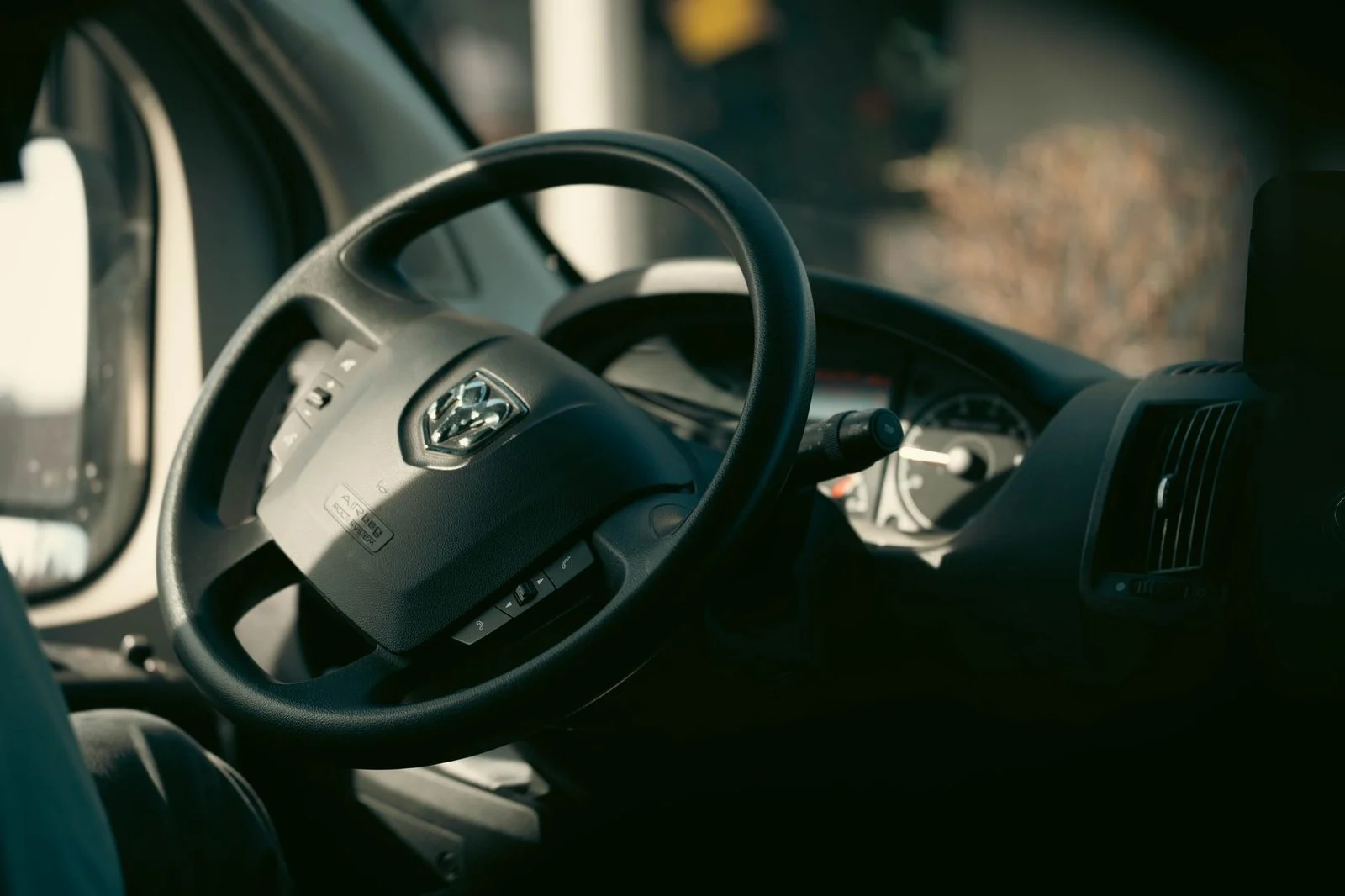
Evidence That Helps Show Driver Distraction
Proof of distraction usually comes from several sources, not one. No single record tells the whole story.
- Crash report. The officer’s report typically lists observations, driver statements, diagrams, and any citations. It is a useful starting point, but it rarely shows what was on a phone screen.
- Cell phone records. Call, text, and data activity around the crash time can show whether a phone was in use. Phone companies keep records for limited periods, so early requests matter.
- Witness statements. Nearby drivers, passengers, and bystanders may have seen a driver looking down, holding a phone, or drifting across lanes.
- Vehicle and device data. Infotainment logs, event data recorders, and phone pairing records may show speed, braking, or connections. Some of this data can be overwritten over time.
- 911 and dispatch timelines. Call logs show when the crash was reported and who reported it.
- Photos and video. Dashcam footage, nearby business video, and scene photos can capture positions and movement.
- Medical records. Records from the first visit help tie injuries to the crash. Early notes on brain or spinal symptoms carry weight.
What a Free Case Review Covers and How the Process Works
A free case review is a first meeting with no obligation to go further. The firm looks at your facts and explains options that may fit your situation.
- Tell us what happened. Share the date and place of the crash and what you think the other driver was doing.
- Review the facts. The firm reviews your injuries, the crash report, insurance details, and any evidence you already have.
- Preserve evidence. Written requests can ask for phone records, vehicle data, and video before they are lost.
- Document damages. Medical treatment, lost income, and changes to daily life are recorded over time.
- Negotiate or file. The firm may negotiate with insurers or file a lawsuit if needed. Timing depends on the facts, the injuries, and how the case develops.
Deadlines matter. A personal injury lawsuit generally must be filed within two years from the date the cause of action accrues, which is typically the date of injury (W. Va. Code § 55-2-12).
Early insurer calls can also feel pressing. West Virginia law generally bars anyone, within twenty days of an injury while the injured person is an inpatient in any hospital or partially or totally unable to engage in his or her usual trade, profession or occupation, from negotiating or attempting to negotiate a settlement, obtaining or attempting to obtain a partial or general release of liability, or obtaining or attempting to obtain any statement, written or oral, from the injured person for use in negotiating a settlement or obtaining a partial or general release of liability (W. Va. Code § 55-7-11a).
Brain, Spinal Cord, and Catastrophic Injuries From Distracted Driver Crashes
High-speed impacts can cause brain injuries, spinal cord injuries, and other catastrophic harm. Many people do not feel the full effects right away.
Brain injury symptoms may appear hours or days after a crash. Watch for:
- Headaches that persist or worsen
- Confusion or trouble concentrating
- Memory problems
- Mood or personality changes
- Sleep changes
A concussion or mild traumatic brain injury can still affect work, driving, and family life, even when scans look normal. Early medical evaluation creates a record that links symptoms to the crash.
Spinal cord injuries can affect movement and feeling, and they often need long-term care. Catastrophic injury claims often require planning for future medical needs and work. The firm reviews these needs during the free case review. For more on brain injuries after crashes, read the traumatic brain injury guide.
Commercial Truck and Wrongful Death Cases Involving Distraction
Truck crashes raise extra questions for a distracted driver crash lawyer West Virginia families may consult. Federal rules bar commercial drivers from texting while driving, except when necessary to communicate with law enforcement officials or other emergency services. They also bar motor carriers from allowing or requiring it (federal texting rule).
Hand-held mobile phone use is restricted for commercial drivers too (federal hand-held phone rule). Both rules allow an exception for communicating with law enforcement or other emergency services.
A truck crash can involve more than one potentially responsible party, such as the driver and the company. Company policies and dispatch records can also become part of the evidence.
State law caps noneconomic damages against some employer defendants in commercial vehicle cases. The limit on noneconomic damages depends on whether the employer carries at least $3 million in commercial motor vehicle insurance, and it applies only to causes of action arising after July 1, 2024. It does not apply if the operator is found to have engaged in certain conduct at the time of the incident, including distracted driving as defined in state law (commercial vehicle damages statute).
If a distracted driver’s crash causes a death, the personal representative of the deceased person’s estate brings the wrongful death action. It must start within two years of the death, subject to the provisions of section eighteen, article two, chapter fifty-five (W. Va. Code § 55-7-6). W. Va. Code § 55-7-6 reads: “The provisions of this section shall not apply to actions brought for the death of any person occurring prior to July 1, 1988.” Damages can include sorrow, mental anguish, and solace, lost income and services, and medical and funeral expenses.
Common Questions About Distracted Driver Crash Claims
Do I need phone records to have a claim?
Phone records help, but they are not the only proof. Witness statements, the crash report, and physical evidence can also matter.
What if the other driver says I was partly at fault?
West Virginia uses modified comparative fault, a shared-fault rule. You can recover if your fault is not greater than the combined fault of everyone else responsible, and your recovery is reduced by your share (W. Va. Code § 55-7-13c).
Should I give a recorded statement to the other driver’s insurer?
Insurers often ask for recorded statements early. Talking with the firm first is a reasonable step.
Can I still drive after a brain injury?
Driving after a brain injury depends on the injury and your doctor’s guidance.
How soon should I reach out?
Sooner is generally better. Video, phone records, and witness memories can be lost over time.

Serving Injury Victims Across West Virginia
We serve injury victims in all 55 West Virginia counties. We serve Charleston, Huntington, Morgantown, Wheeling, Martinsburg, Parkersburg, Beckley, Clarksburg, Fairmont, and Weirton, along with the communities around them.
The firm handles car accidents, truck and commercial vehicle accidents, catastrophic injuries, traumatic brain injury, spinal cord injury, and wrongful death.
If a driver looking at a phone hit you, or your family now faces a loss after a distracted-driving crash, you don’t have to sort out the next steps alone. Tell Bubba what happened and request a free case review. The firm will explain which options may fit your facts.