
Traumatic Brain Injury
Traumatic Brain Injury in Fairmont, West Virginia
If you or a loved one suffered a traumatic brain injury in a crash, Big Bubba Injury Law is here to help. We serve Fairmont injury victims and handle TBI cases across West Virginia.
Published October 05, 2026
A traumatic brain injury (TBI) occurs when an external force—a blow, jolt, or penetrating wound—damages the brain and disrupts how it works. Even an accident that seems minor at first can cause serious, long-lasting effects. If negligence caused your TBI in Fairmont, you may have the right to pursue compensation for your medical care, lost income, and other damages.
What Is Traumatic Brain Injury?
A traumatic brain injury happens when an external force damages brain tissue and disrupts normal brain function. TBI ranges from mild to severe, depending on how long symptoms last and how serious they are.
Mild TBI (often called a concussion) may involve a brief loss of consciousness or confusion. Moderate TBI causes longer-lasting symptoms like headaches, memory problems, or difficulty concentrating. Severe TBI can result in prolonged unconsciousness, significant cognitive impairment, or permanent disability. The classification matters because it guides treatment and predicts recovery time. Even a mild TBI can have lasting effects that aren’t obvious right away.
According to the National Institute of Neurological Disorders and Stroke (NINDS), TBI can result from a bump, blow, or jolt to the head. The injury disrupts the brain’s normal electrical and chemical activity, and symptoms may appear immediately or develop over hours or days.
Not sure what your next step is?
Talk it through with our team — the first case review is free, confidential, and carries no obligation.
How Traumatic Brain Injury Happens in Accidents
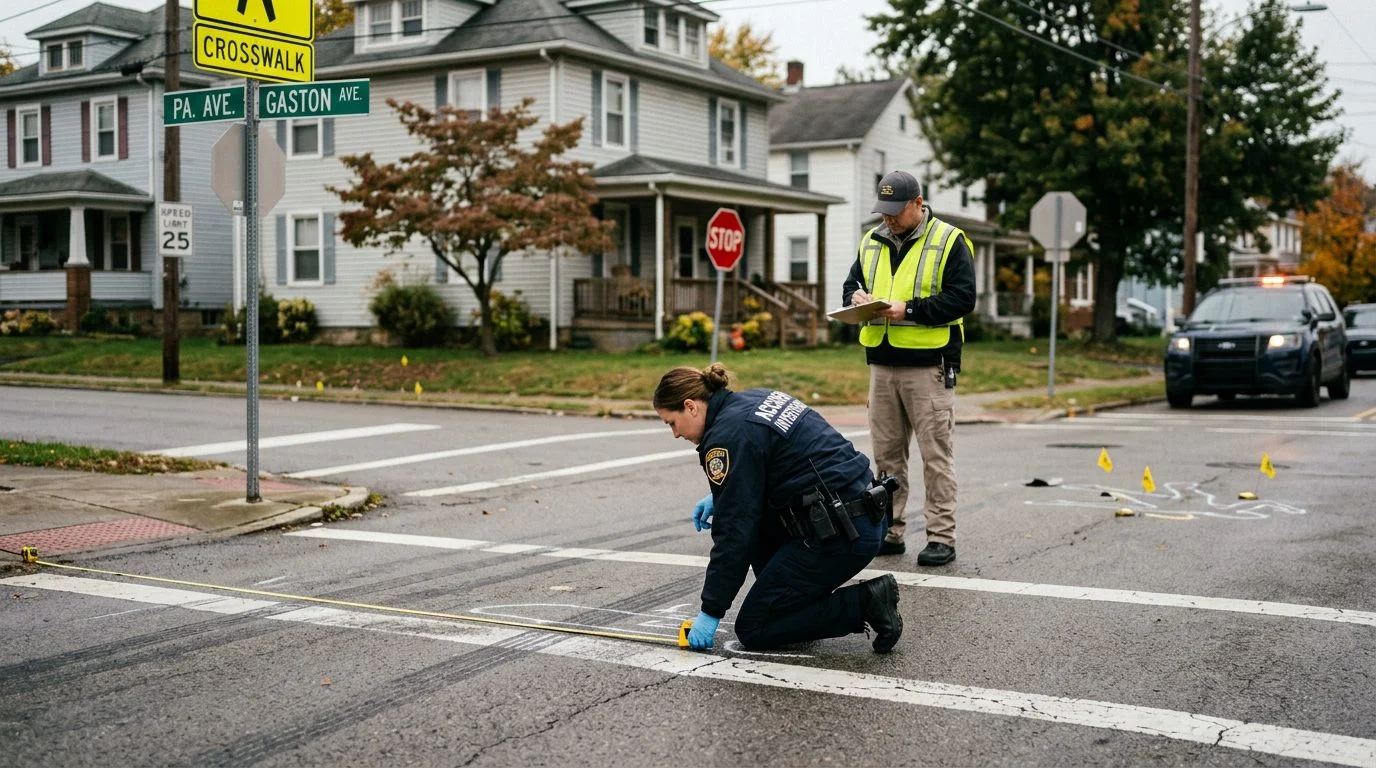
In Fairmont and Marion County, traumatic brain injuries commonly result from motor vehicle accidents, truck collisions, falls, and workplace incidents.
Car accidents cause TBI when the impact forces your head to move suddenly or strike the steering wheel, dashboard, or window. Even a low-speed collision can cause your brain to move inside your skull, damaging nerve fibers and brain tissue.
Truck accidents involve much greater force because commercial vehicles are heavier and travel at higher speeds. The force of impact in a truck crash dramatically increases the risk of serious brain injury.
Falls and other accidents—on someone else’s property, at work, or from a pedestrian strike—can also cause TBI. Many people underestimate how easily a head injury can occur, especially if they don’t lose consciousness or see visible bleeding.
The key point: you don’t need to be knocked unconscious to suffer a serious traumatic brain injury. Even a “minor” accident can cause damage that affects your thinking, memory, mood, and physical abilities for months or years.
Symptoms and Effects of Traumatic Brain Injury
Symptoms of TBI may appear immediately after the accident or develop over time. Knowing what to watch for helps you seek prompt medical care.
Immediate symptoms include headache, confusion, dizziness, loss of consciousness, or difficulty staying awake. You may feel disoriented or have trouble remembering what happened.
Delayed symptoms often emerge hours or days later: memory problems, difficulty concentrating, mood swings, irritability, sleep disturbance, or sensitivity to light and sound. Some people experience nausea, balance problems, or slurred speech.
Long-term effects of moderate to severe TBI can include cognitive impairment (difficulty thinking, learning, or problem-solving), personality changes, depression or anxiety, chronic headaches, and physical limitations like weakness or loss of coordination. These effects can disrupt your ability to work, care for your family, or enjoy daily activities.
Why symptoms may be delayed is important: the brain’s swelling and chemical changes take time to develop. You might feel fine immediately after an accident, then experience serious symptoms days later. This is why seeking medical evaluation right after any head injury is critical, even if you feel okay.
Diagnosis and Medical Care for TBI
Doctors diagnose TBI using imaging tests and specialized evaluations. A CT scan or MRI can show structural damage to the brain. Neuropsychological evaluation—testing how your brain processes information, remembers, and thinks—helps measure the injury’s severity and guide treatment.
Prompt medical evaluation is essential. Even if symptoms seem mild, a doctor should examine you after any head trauma. Medical records documenting your injury, test results, and treatment become critical evidence if you later pursue a legal claim.
Treatment for TBI varies by severity. Mild concussions may require rest and monitoring. Moderate to severe TBI often requires hospitalization, rehabilitation, physical therapy, occupational therapy, and ongoing specialist care. Recovery can take months or years, and some effects may be permanent.
Have questions about what happened?
Ask our team directly. The first conversation is free, confidential, and there is no obligation to continue.
Legal Claims for Traumatic Brain Injury in Fairmont
When someone’s negligence or carelessness causes your traumatic brain injury, you may have the right to pursue a personal injury claim against that person or entity. Negligence means the at-fault party failed to exercise reasonable care, and that failure directly caused your injury.
To succeed in a claim, you must show:
- The at-fault party owed you a duty of care (for example, a driver must operate their vehicle safely)
- They breached that duty (by driving recklessly, failing to maintain property safely, or similar conduct)
- That breach directly caused your injury
- You suffered damages (medical expenses, lost wages, pain and suffering, ongoing care costs)
In West Virginia, you have a limited time to file a personal injury lawsuit. W. Va. Code § 55-2-12 generally requires a personal injury lawsuit to be brought within two years after the right to bring it accrues. Missing that deadline may end your right to sue, so acting promptly is important, and exceptions may apply.
West Virginia also follows a modified comparative fault rule. W. Va. Code § 55-7-13c allows you to recover damages even if you were partially at fault—but only if your fault is 50% or less. If you are found more than 50% responsible, you cannot recover anything. Your damages are reduced by your percentage of fault.
Why You Need Legal Help After a Traumatic Brain Injury
Handling a traumatic brain injury claim alone is difficult. Insurance companies often underestimate the long-term costs of brain injury care and rehabilitation. They may offer a quick settlement that doesn’t reflect the true value of your claim.
A lawyer helps by:
- Gathering medical evidence: Collecting all imaging, test results, treatment records, and specialist reports to document the severity of your injury
- Calculating damages: Working with medical professionals to estimate lifetime care needs, lost earning capacity, and other costs
- Negotiating with insurers: Presenting your case professionally so insurers take your claim seriously
- Handling litigation: Filing suit and representing you in court if a fair settlement cannot be reached
- Protecting your rights: Ensuring the at-fault party’s insurance company doesn’t take advantage of you during a vulnerable time
You can focus on recovery while your lawyer handles the legal work.
What to Do If You’ve Suffered a Traumatic Brain Injury in Fairmont
If you’ve been injured in an accident:
- Seek immediate medical attention, even if symptoms seem mild. Tell the doctor how the injury happened.
- Document the accident: Take photos of the scene, vehicle damage, and your injuries. Get names and contact information from witnesses.
- Report the incident: File a police report (for vehicle accidents) or notify the property owner or employer (for falls or workplace incidents).
- Keep detailed records: Save all medical bills, test results, treatment notes, and receipts for expenses related to your injury.
- Avoid speaking with insurance adjusters without legal guidance. Anything you say can be used against your claim.
- Contact Big Bubba to discuss your case and your legal options.
Want to know where you stand?
Tell us what happened and our team will walk you through the options available to you, at no cost.
Frequently Asked Questions
Can you get a traumatic brain injury from a car accident?
Yes. The impact and sudden movement in a car crash can cause the brain to move inside the skull, damaging nerve fibers and brain tissue. Even low-speed collisions can cause serious TBI.
What’s the difference between a concussion and a traumatic brain injury?
A concussion is a type of mild TBI. All concussions are traumatic brain injuries, but not all TBIs are concussions. Moderate and severe TBIs cause more extensive damage and longer-lasting symptoms.
How long do I have to file a lawsuit for a brain injury in West Virginia?
Under W. Va. Code § 55-2-12, a personal injury lawsuit generally must be brought within two years after the right to bring it accrues, and exceptions may apply. After that, a late lawsuit may be barred.
What damages can I recover for a traumatic brain injury?
You may recover medical expenses, lost wages, pain and suffering, loss of enjoyment of life, and the cost of ongoing care and rehabilitation. The amount depends on the severity of your injury and its impact on your life.
What if I was partly at fault for the accident?
West Virginia’s comparative fault rule allows you to recover damages if your fault is 50% or less (W. Va. Code § 55-7-13c). Your recovery is reduced by your percentage of fault.
If a car crash, truck accident, or another incident caused your head injury, you may have a claim for damages. Serving Fairmont injury victims, Big Bubba handles traumatic brain injury cases caused by negligence. Reach out to discuss your free case review—you don’t have to face recovery alone.
Related practice areas
- Traumatic Brain Injury from Car and Truck Accidents in West Virginia
- Traumatic Brain Injury in West Virginia
- Traumatic Brain Injury in Charleston
- Traumatic Brain Injury Clarksburg, WV | Big Bubba