
West Virginia Injury Guide
What Do Accident Injury Lawyers Do?
A plain-language look at how an injury claim moves from the first phone call to the final step, and how the firm helps people hurt in car and truck crashes.
Published November 13, 2026
You may be asking what accident injury lawyers do because a crash changed your life or the life of someone you love. In short, they handle the injured person’s claim against the people and companies responsible. That work runs from the first call through talks with insurers and, when needed, a lawsuit in court. Here is how the process usually works in West Virginia.
What accident injury lawyers do in plain terms
An accident injury lawyer represents people hurt in crashes and families who have lost someone in a crash. The core job is building and pursuing the injured person’s claim. The firm handles car accidents, truck accidents, commercial vehicle accidents, catastrophic injuries, traumatic brain injury, spinal cord injury and wrongful death. We serve injury victims across West Virginia.
Most claims begin as insurance claims. The injured person, or the family, deals with the insurers first. If that does not lead to a fair resolution, the claim may become a lawsuit filed in court. Many claims are resolved without a trial. A lawsuit is one path, not the only one.
For background on one of these injuries, read our guide on traumatic brain injury after a crash.
If a crash or a loss has left you with hard questions, we would welcome the chance to talk through your situation in a free case review. Talk it through with Big Bubba — the first case review is free, confidential, and carries no obligation.

The first conversation and the free case review
The first step is usually a conversation about what happened. You describe the crash, the date, the place, who was involved, and the injuries or losses that followed. The firm asks questions to understand the basics before anything else.
The firm offers a free case review. It is confidential and carries no obligation to continue. You can use it to understand your options before you decide anything.
You do not need every document to start. Bring what you already have, such as a police crash report number, photos, insurance letters and hospital discharge papers. Anything missing can be gathered later.
A first call can feel hard when you are still in treatment or grieving. Take your time. Ask whatever is on your mind, in whatever order makes sense to you.
Investigating how the crash happened
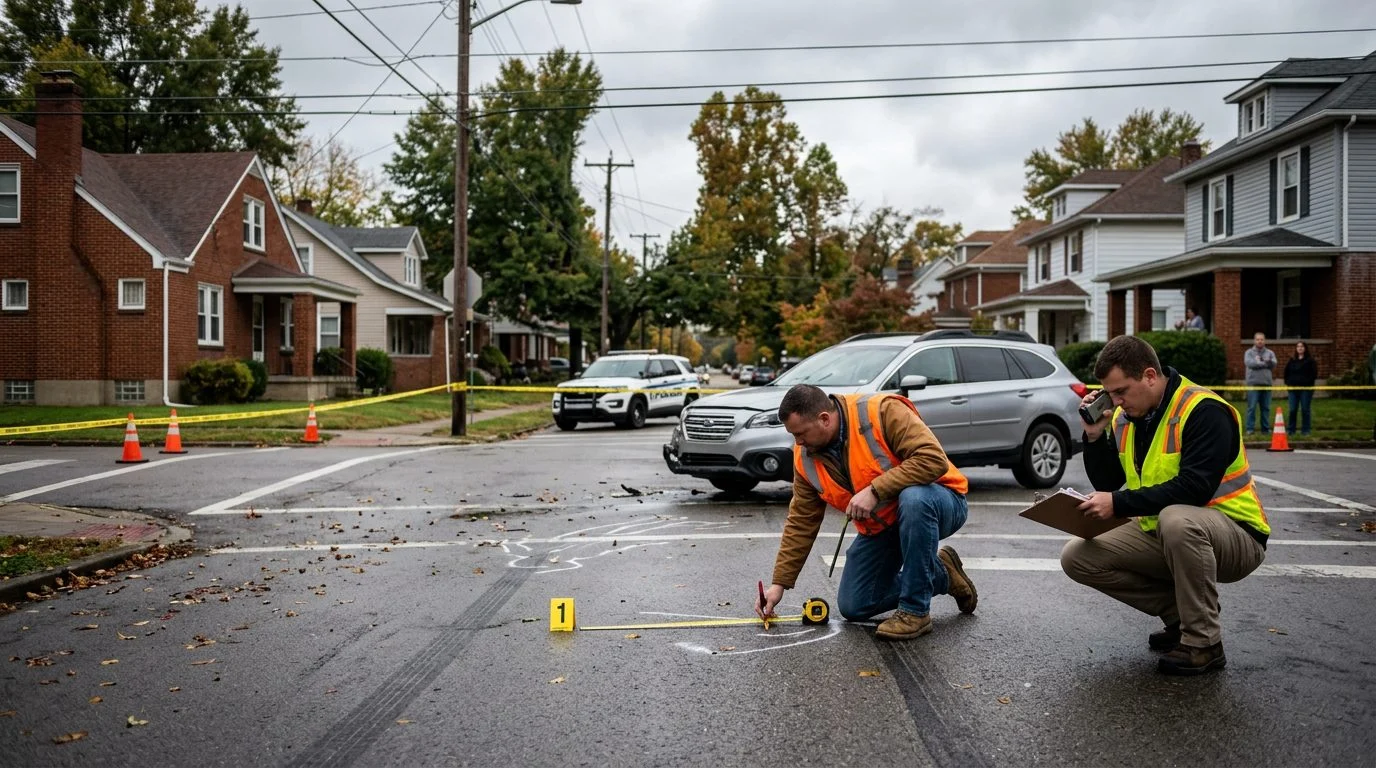
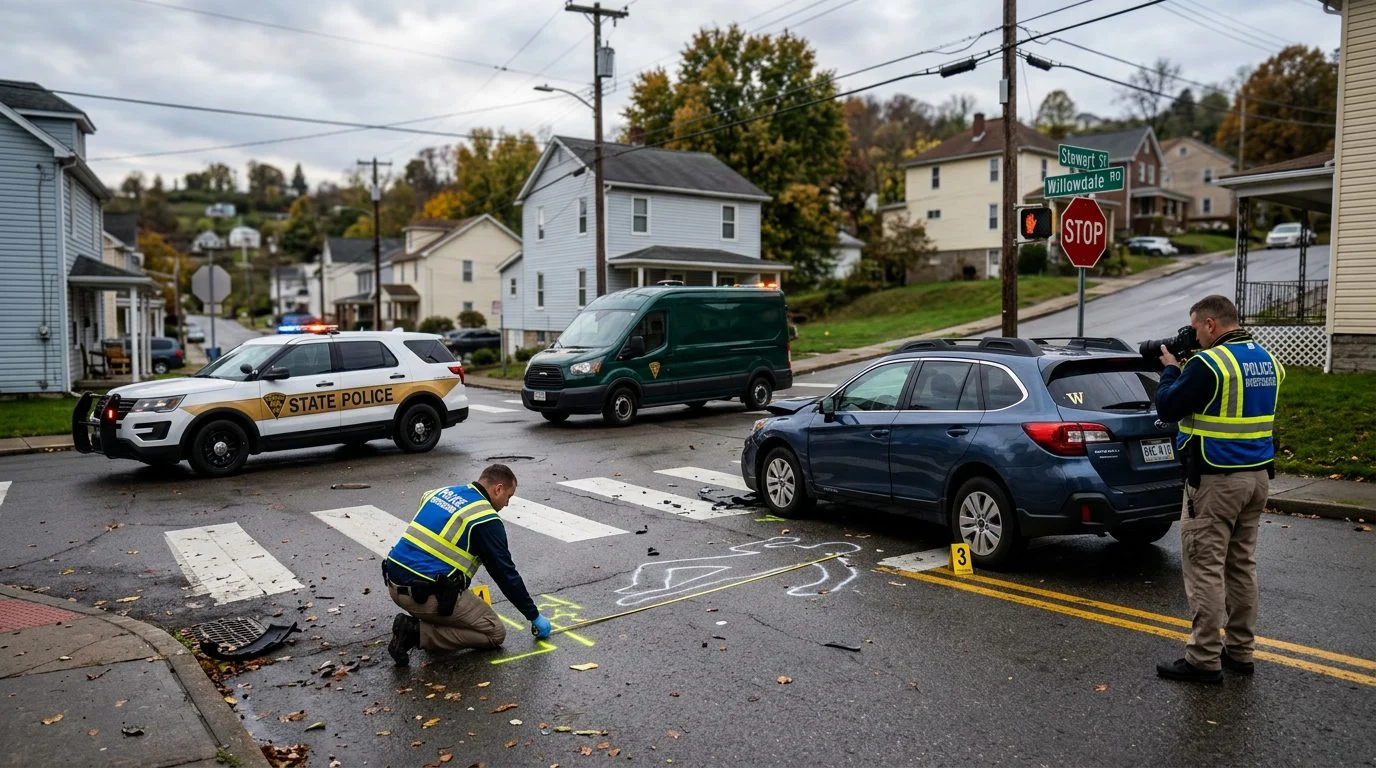
A lawyer typically starts by getting the official crash report from the investigating agency. The lawyer then compares that report with other records. Common steps include collecting photographs, scene measurements, vehicle damage records, witness names and any dashcam or surveillance video that still exists.
Evidence fades over time. Video can be overwritten, and vehicles are often repaired or sold. Early requests to preserve evidence may matter, since timing can affect what is still available.
Commercial truck cases need extra steps. Many key records are held by the trucking company, so they must be requested. Federal rules require motor carriers, except private motor carriers of passengers (nonbusiness), to have drivers record their duty status for each 24-hour period, typically through an electronic logging device (49 C.F.R. § 395.8). Federal rules also require employers to test drivers after certain crashes, such as those involving a death (49 C.F.R. § 382.303). A lawyer checks whether those rules apply to your crash.
Identifying who may be responsible
More than one party may be connected to a crash. These can include the driver, the driver’s employer, and the owner of the vehicle. West Virginia law defines an “employer defendant” to include a commercial vehicle’s owner, the operator’s employer, and others who hold legal control over the vehicle (W. Va. Code § 55-7-32).
If another driver was at fault, the injured person may have a claim against that driver and the insurer that covers them.
Generally, under W. Va. Code § 55-7-13c, a plaintiff’s fault does not bar recovery unless it is greater than the combined fault of all other persons responsible. Otherwise, recovery is reduced in proportion to the plaintiff’s share of fault.
Documenting injuries, medical care and losses
A lawyer documents the injury using medical records, treatment notes and medical bills. The goal is a clear picture of the care already received and any care still needed.
Traumatic brain injuries and spinal cord injuries may require ongoing follow-up. The Christopher & Dana Reeve Foundation describes spinal cord injury by its causes and its effects on function, including injuries from trauma or accidents (Reeve Foundation overview). A lawyer may request records from several providers over time.
A claim may include categories such as medical care, lost income, reduced ability to work, and the effect on daily life. What applies depends on the facts.
Treating medical providers decide prognosis and recovery time. A lawyer does not make those medical decisions.
Communicating with insurers and negotiating a claim
A lawyer typically handles communications with insurance adjusters, so the injured person does not have to respond directly. This matters most early on. West Virginia law generally restricts settlement contact within 20 days of an injury while the injured person is an inpatient in a hospital or partially or totally unable to engage in his or her usual trade, profession or occupation. The statute’s exception lets a person acting or intending to act on behalf of the injured person obtain a statement at the injured person’s express request; it does not cover negotiating a settlement or obtaining a release (W. Va. Code § 55-7-11a).
Some insurers may dispute a claim, request recorded statements, or ask for more records before making an offer. Each request can shape the claim, so the firm reviews them carefully.
When an offer arrives, the firm compares it with the documented injuries and losses. The firm then presents the claim and explains the offer and its likely effect.
You decide whether to accept a settlement. The lawyer’s role is to explain the choice, not to make it for you.
Not sure what your next step is?
Talk it through with Big Bubba — the first case review is free, confidential, and carries no obligation.
Filing a lawsuit and handling wrongful death cases
A claim may move into a lawsuit when a fair resolution cannot be reached without one. A lawsuit is filed in court and follows its own schedule and rules.
West Virginia generally allows two years to file a personal injury lawsuit, and exceptions may apply (W. Va. Code § 55-2-12). Timing should be reviewed early.
Wrongful death claims follow their own rules. The action is brought by the personal representative of the person who died. It generally must be commenced within two years after the death, subject to exceptions (W. Va. Code § 55-7-6). The statute lists categories a verdict may include, such as sorrow, mental anguish and solace, reasonably expected loss of income, care and treatment expenses, and reasonable funeral expenses.
Family members often need help identifying the proper parties and gathering documents. The lawyer works with the family on those steps.
If you or someone you love is dealing with a serious crash, a brain or spinal cord injury, or a death, you can reach out to the firm through our contact page. Ask for a free case review and talk through what happened at your own pace.