
Traumatic Brain Injury
Brain Injury Symptoms After a Crash
Symptoms can appear immediately or develop over days and weeks. Know what to watch for and when to seek help.
Published October 02, 2026
What Is a Traumatic Brain Injury? Signs and Symptoms After a Crash
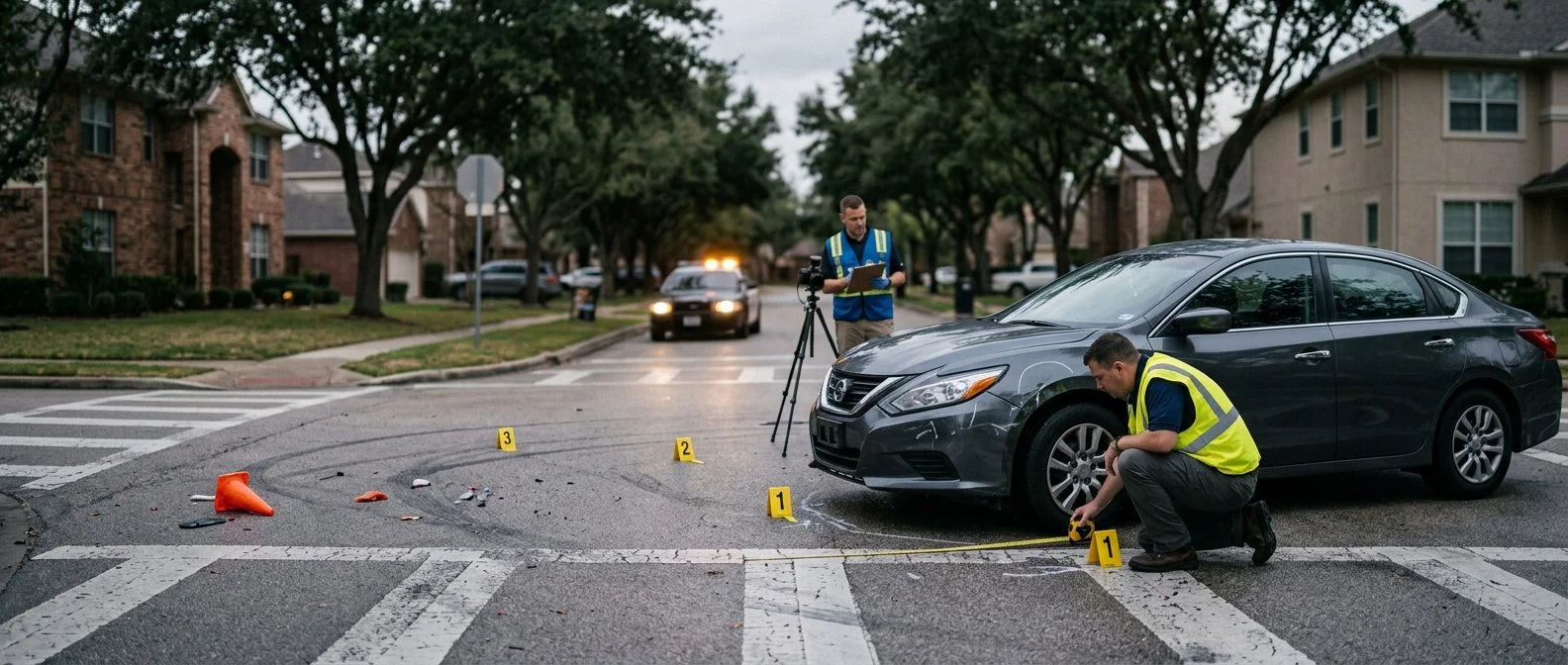
A traumatic brain injury (TBI) occurs when a sudden impact or jolt to the head causes the brain to move inside the skull, damaging brain cells and creating chemical changes that disrupt how the brain works. In car and truck crashes across West Virginia, these injuries happen in seconds—from sudden deceleration, impact with the steering wheel or dashboard, ejection from the vehicle, or rollover. The injury can range from mild (like a concussion) to severe, and the damage isn’t always obvious at first.
Most crash-related TBIs are “closed” injuries, meaning there’s no break in the skull, but the brain still moves and collides with the inside of the skull. This can cause bleeding, bruising, and tearing of brain cells. Because the injury is internal, you can’t always see it—but you’ll feel it.

Not sure what your next step is?
Talk it through with our team — the first case review is free, confidential, and carries no obligation.
Physical Symptoms of Traumatic Brain Injury
Physical symptoms often appear immediately after a crash or develop over the first few hours. You might experience a headache, dizziness, brief loss of consciousness, nausea, vomiting, or balance problems. These are your body’s way of signaling that something serious has happened inside your head.
Over days and weeks, other physical symptoms can emerge. Fatigue is common—many people with TBI feel exhausted even after resting. Sensitivity to light and noise is another frequent symptom that often gets overlooked but significantly affects daily life. You might find that normal lighting bothers your eyes or that everyday sounds feel painfully loud. Sleep problems are common too; you might sleep more than usual or struggle to fall asleep despite feeling tired.
Some people develop ongoing headaches, weakness or tremors in their limbs, difficulty with fine motor tasks (like writing or buttoning clothes), or slurred speech. Blurred vision, ringing in the ears, or changes in taste and smell can also occur. These symptoms can persist for weeks or months, depending on the severity of the injury.
Cognitive and Mental Symptoms: Memory, Focus, and Thinking
Brain injuries don’t just affect your body—they affect how you think. Memory problems are common after a TBI. You might struggle to remember events from before or after the crash, or you might have trouble forming new memories. Coworkers or family members may notice that you’re repeating yourself or forgetting conversations you just had.
Concentration and attention often suffer. Tasks that used to be automatic—reading an email, following a conversation, completing work—become exhausting. You might feel easily distracted or unable to focus for more than a few minutes. Processing speed slows down too; it takes longer to understand information or respond to questions, and you might feel like you’re thinking in slow motion.
Language difficulties can appear. You might struggle to find the right word, have trouble following conversations, or feel like your thoughts are jumbled. Executive function—the ability to plan, organize, and make decisions—can be impaired, making it hard to manage daily tasks or think through problems the way you used to.
Emotional and Behavioral Changes After Brain Injury
Some of the most difficult symptoms of TBI are emotional and behavioral changes. You might become irritable, anxious, or depressed. Mood swings can be dramatic and confusing, both for you and for the people around you. Some people become withdrawn or lose motivation for activities they once enjoyed. Others become uncharacteristically aggressive or impulsive, acting without thinking and showing poor judgment.
These changes happen because the injury affects brain regions that regulate emotion and behavior. They’re not something you’re choosing or controlling—they’re a direct result of the injury. But they can seriously affect your relationships, your job, and your sense of who you are. Family members often say that their loved one “isn’t the same person” after a brain injury, and that’s because the injury has changed how the brain functions.
Delayed Symptoms: Why Brain Injuries Get Worse Over Time
One of the most dangerous aspects of TBI is that symptoms don’t always appear immediately. Right after a crash, adrenaline and shock can mask how badly you’re hurt. You might feel fine for hours or even days, then suddenly experience severe headaches, confusion, or other symptoms.
This happens because swelling and inflammation in the brain develop over time. The initial impact causes damage, but the brain’s response to that damage—swelling, chemical changes, and inflammation—continues to develop over hours and days. Some symptoms only emerge when you return to normal activities like work, school, or driving. The mental effort required to focus at work, for example, might trigger headaches or cognitive symptoms that weren’t obvious when you were resting at home.
This is why seeking medical evaluation immediately after a crash is critical, even if you feel fine. A doctor can assess you and monitor for changes. Delayed symptoms are common and expected—not a sign that something new happened, but a sign that the original injury is revealing itself over time.
Concussion vs. Traumatic Brain Injury: What’s the Difference?
A concussion is a type of mild TBI caused by a blow or jolt that changes how the brain works. Many people think “concussion” means a minor injury, but that’s a dangerous misconception. Concussions can cause serious, long-lasting symptoms that disrupt work, school, and daily life.
Concussions are the most common type of TBI from car crashes. They often don’t show up on standard imaging like CT scans or X-rays, which leads some people to believe they don’t have a serious injury. But the absence of findings on imaging doesn’t mean your symptoms aren’t real or serious. According to the National Institute of Neurological Disorders and Stroke (NINDS), symptoms of TBI can be subtle and may not appear on standard imaging.
Repeated concussions can compound injury over time. If you’ve had multiple head impacts—whether from this crash or previous incidents—the cumulative effect can be more serious than a single concussion.
Have questions about what happened?
Ask our team directly. The first conversation is free, confidential, and there is no obligation to continue.
How Doctors Diagnose a Traumatic Brain Injury
Diagnosis of TBI involves several steps. In the emergency room, doctors use the Glasgow Coma Scale to assess your level of consciousness and perform a neurological exam to check your reflexes, balance, and mental status. They’ll ask detailed questions about what happened and what symptoms you’re experiencing.
Imaging is often the next step. A CT scan can quickly show bleeding or swelling in the brain. An MRI provides more detailed images and can reveal injuries that CT misses. But here’s the important part: some TBIs don’t show up on standard imaging even though they cause real, measurable symptoms.
For more complex cases, doctors may order neuropsychological testing—a formal evaluation of memory, attention, processing speed, and other cognitive functions. This testing can reveal cognitive changes that aren’t obvious in conversation but significantly affect your ability to work and function.
Follow-up is essential. Symptoms may change over weeks or months, so ongoing evaluation helps doctors adjust treatment and rehabilitation as needed.
Complications and Long-Term Effects
Post-concussion syndrome is a condition where symptoms persist for weeks, months, or even longer after a TBI. Chronic headaches, sleep disorders, and ongoing cognitive difficulties can make it hard to return to work or normal activities.
People who’ve had a TBI have an increased risk of future brain injuries, and repeated injuries can compound the damage. There’s also an increased risk of depression, anxiety, and other mental health conditions following a TBI. Some people develop chronic pain or ongoing balance problems.
The long-term effects depend on the severity of the injury and how well you’re able to access rehabilitation and support. Early recognition and proper treatment can significantly improve outcomes.
Can You Recover From a Traumatic Brain Injury?
Recovery is possible and varies widely. Most people with mild TBI recover within weeks to months with proper rest and care. Moderate to severe TBI often requires longer recovery and ongoing rehabilitation.
Rehabilitation may include physical therapy to restore strength and balance, occupational therapy to help you relearn daily tasks, speech therapy if language is affected, and cognitive rehabilitation to improve memory and concentration. Some people recover fully; others experience lasting changes that require ongoing management and adaptation.
The key is getting proper medical evaluation and treatment as soon as possible after the crash. Early intervention can make a real difference in your recovery.
What to Do If You Think You Have a Traumatic Brain Injury After a Crash
If you’ve been in a car or truck crash and are experiencing head injury symptoms, seek medical evaluation immediately—even if symptoms seem mild or appeared days after the crash. Be honest with doctors about all symptoms, including emotional, cognitive, and behavioral changes. Don’t minimize what you’re experiencing.
Follow medical recommendations for rest, activity restrictions, and follow-up care. Keep detailed records of your symptoms, medical visits, and how the injury affects your daily life, work, and relationships. These records matter both for your medical care and for protecting your legal rights.
Understand that a brain injury can have lasting effects on your ability to work, earn income, and live the life you had before the crash. That’s where legal guidance comes in. A brain injury claim involves documenting the injury, its effects, and the costs of treatment and lost income. You don’t have to navigate this alone.

Want to know where you stand?
Tell us what happened and our team will walk you through the options available to you, at no cost.
Frequently Asked Questions
Can you have a traumatic brain injury without losing consciousness?
Yes. Many people with TBI never lose consciousness but still experience serious symptoms like headaches, memory problems, and cognitive changes.
Why do some brain injury symptoms appear days or weeks after a crash?
Swelling, inflammation, and chemical changes in the brain develop over time, and symptoms often emerge only when you return to normal activities that require mental or physical effort.
What’s the difference between a concussion and a traumatic brain injury?
A concussion is a type of mild TBI; not all concussions are minor, and symptoms can be serious and long-lasting even without visible damage on imaging.
How long do traumatic brain injury symptoms last?
Recovery varies. Mild TBI symptoms often improve within weeks to months; moderate to severe TBI may require longer recovery and ongoing rehabilitation.
Do people with traumatic brain injury go back to normal?
Many people recover fully with proper treatment, but others experience lasting changes that require ongoing management and affect work and daily activities.
If you’ve been in a crash in West Virginia and are dealing with head injury symptoms—whether they started immediately or appeared days later—the situation is serious and time-sensitive. Medical documentation and early legal guidance protect your rights and your future. People in your situation can reach out to Big Bubba. Contact us today for a free case review and tell Bubba what happened.
Seek Medical Attention Right Away Even if you feel fine after a crash, get a medical evaluation. Some brain injuries develop slowly, and early diagnosis can prevent serious complications. Do not wait for symptoms to worsen.
Common Signs of Traumatic Brain Injury
Physical Symptoms
Headaches, dizziness, nausea, sensitivity to light or noise, fatigue, and sleep problems are frequent after a head injury. Balance and coordination issues may also develop.
Cognitive Changes
Difficulty concentrating, memory problems, confusion, and trouble processing information can appear right after a crash or emerge gradually over time.
Emotional & Behavioral Shifts
Mood swings, irritability, anxiety, depression, and personality changes are common. You may feel emotionally numb or unusually emotional.
Loss of Consciousness
Being knocked unconscious—even briefly—is a serious sign of brain injury. Any period of lost time after a crash requires immediate medical evaluation.
Why Symptoms Develop Over Time
Swelling and Inflammation
The brain swells after trauma, and this process can take hours or days to fully develop, causing symptoms to worsen gradually.
Chemical Changes in the Brain
A crash triggers chemical imbalances in brain cells that unfold over time, affecting how your brain functions and how you feel.
Delayed Bleeding or Fluid Buildup
Internal bleeding or cerebrospinal fluid accumulation may not show symptoms immediately but can become serious as pressure builds.
What to Do After a Crash
Get Medical Care Immediately
See a doctor or go to an emergency room right after the crash, even if you feel okay. Describe any head impact or loss of consciousness to medical staff.
Document Everything
Keep records of all medical visits, test results, symptoms you experience, and how the injury affects your daily life, work, and relationships.
Follow Medical Advice
Attend all follow-up appointments and rehabilitation sessions. Recovery takes time, and skipping care can slow healing or worsen your condition.
Contact Big Bubba
If you were injured in a crash caused by someone else's negligence, call Big Bubba to discuss your case and learn about your legal options.
You Don't Have to Handle This Alone
Related practice areas
- Traumatic Brain Injury from Car and Truck Accidents in West Virginia