
Brain Injury Support | West Virginia
Personality Changes After Anoxic Brain Injury: What Families May Notice
A loved one who seems flatter, angrier, or unlike themselves after oxygen loss to the brain can be hard to understand. Here is how these changes may appear and how to get help.
Published November 16, 2026
Personality changes can occur after anoxic brain injury, and family members often notice them first. A parent, partner, or child may seem flat, angry, or unlike themselves after an event that cut off oxygen to the brain.
These changes are real, and they are often tied to the injury itself. This page explains the common patterns, why they may happen, and what families can write down.
What Is Anoxic Brain Injury?
Anoxic brain injury is damage that happens when the brain gets too little oxygen for a period of time. Doctors often use the words anoxic and hypoxic together. Hypoxia is the medical term for low oxygen.
So, can hypoxia cause brain injury? Yes. Low oxygen may injure brain tissue, and the amount of harm may depend on how long oxygen was reduced.
Several events may cause oxygen loss to the brain. These include cardiac arrest, drowning, carbon monoxide exposure, and interrupted breathing. In a serious crash, a person’s breathing may be interrupted, which can lead to oxygen loss.
Anoxic injury can differ from a direct blow to the head. Traumatic brain injury, or TBI, can happen when an impact or jolt injures the brain, including in motor vehicle crashes, according to the NINDS traumatic brain injury page. Doctors may describe and track the two differently, so ask the treating team which type your loved one has.
Not sure what your next step is?
Talk it through with Big Bubba — the first case review is free, confidential, and carries no obligation.
Common Personality and Behavior Changes
After anoxic brain injury, personality changes may include apathy, irritability, impulsivity, reduced insight, and social withdrawal. Not everyone has all of them, and they can range from mild to severe.
Apathy and loss of initiative. A person may stop starting tasks. They may lose interest in hobbies, work, or people they once enjoyed.
Irritability and mood swings. A quick temper or sudden emotional swings can seem out of proportion to what is happening. Family members often say the person is “not themselves.”
Impulsivity and poor judgment. Someone may spend money without thinking, take risks, or say things without filtering them.
Reduced insight. The person may not notice the change. This can strain relationships, because the family sees the shift and the person does not.
Social withdrawal and less patience. Some people pull away from friends. Others show less empathy or patience with children, a spouse, or caregivers.
Medical sources list related symptoms too. The NINDS page names confusion, fatigue, and cognitive changes among common symptoms after a TBI. Families who notice a pattern can describe it in those terms when they talk with the medical team.
Why These Changes Happen
Personality changes are usually linked to which parts of the brain were affected. Areas that help with planning, emotion control, and self-awareness may be sensitive to low oxygen. Damage there may change how a person acts and how they see themselves.
Brain swelling is another factor. Doctors may call it cerebral edema. Swelling can raise pressure inside the skull and may affect how the brain works while it heals.
The Brain Trauma Foundation’s prehospital guidelines describe how traumatic brain injuries occur and how responders assess them at the scene. That early information can matter later, when doctors work out what happened.
Two people with the same type of event may not show the same changes. The brain areas affected, the length of oxygen loss, and the person’s health before the event may all play a part. Rely on the treating medical team to explain your loved one’s diagnosis and imaging. They can explain what the scans show and what that may mean for that person.
Mood, Anxiety, Depression, and Seizures
Depression and anxiety may develop or worsen after brain injury. They can look like personality change to family members, but they are medical conditions a doctor should evaluate.
Adjustment matters too. A person may react to a new physical or thinking limit with anger, grief, or fear. A doctor can help sort out which changes come from the brain injury and which come from coping with it.
Seizures may occur after some brain injuries. Seizure activity can affect alertness, memory, and behavior. A seizure may also look like a sudden change in mood or focus, so families should not assume it is only a personality shift.
Report any sudden behavior change, new confusion, or seizure to a medical provider promptly. Don’t wait for the next scheduled appointment if the change is fast or severe. The VA Health Library describes common causes and symptoms of TBI, which can help families know what to watch for.
Is Recovery Possible?
Some people improve over time, but recovery varies widely from person to person. The path can look different for each individual, and it may not follow a straight line.
Rehabilitation may help some people regain skills and manage behavior. Speech, occupational, and cognitive therapy are common examples. How much they help may depend on the facts of each case.
Some changes may last. Families may need long-term planning, daily support, and accurate medical records. Keeping those records organized helps the people who care for the injured person and the professionals who work with them.
For more on the condition itself, read the firm’s traumatic brain injury guide. It covers symptoms, treatment, and recovery in more detail.
Documenting Changes and Getting Help
Start a simple, dated record of what you see now and what the person was like before. Note the date, what happened right before the change, and how it affects daily life. Share the record with the treating medical team at each visit.
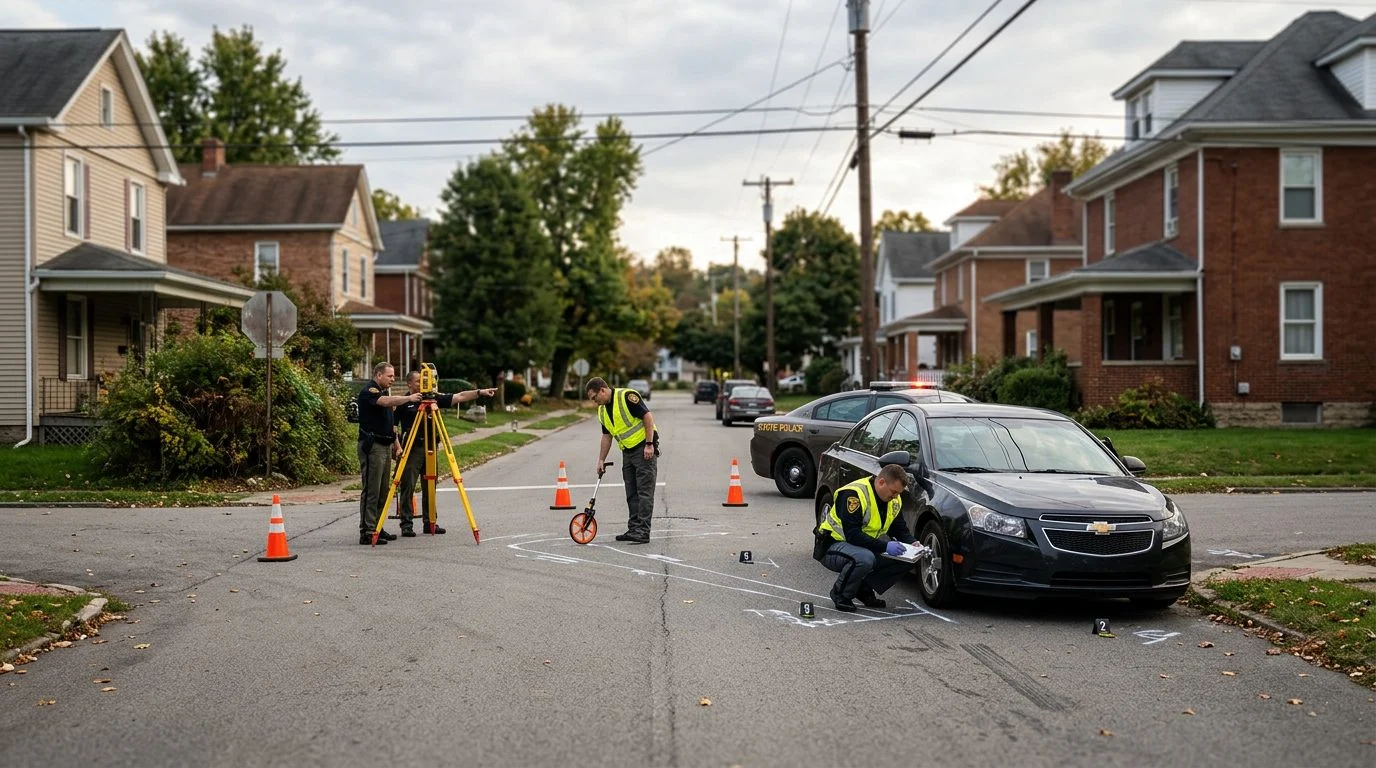
Medical records, imaging, and therapy notes can show when symptoms started and how they changed. If a crash caused the injury, the crash report matters too. West Virginia law requires the investigating officer to prepare a report within 24 hours after completing the investigation of a motor vehicle crash occurring on the public streets or highways of this state resulting in bodily injury to, or death of, any person or total property damage to an apparent extent of $1,000 or more. The officer must also provide owner, operator, and insurance information on request, at no cost, within 24 hours of the crash, to each of the other involved parties and their insurance agents (W. Va. Code § 17c-4-7). Crash reports must also describe the cause, the conditions then existing, and the persons and vehicles involved (W. Va. Code § 17c-4-9).
The firm handles traumatic brain injury and catastrophic injury claims, including cases that arise from car and truck crashes. Families across West Virginia can reach out to ask about their options after a crash, drowning, or other incident.
If a crash or another event has left someone you love changed, the firm offers a free case review to talk through what happened and what options may exist. You can contact the firm to start that conversation.
Related practice areas
- Traumatic Brain Injury from Car and Truck Accidents in West Virginia
- Do I Have to Report a Car Accident to the DMV in West Virginia?
- What Is the Difference Between MVC and MVA After a Crash?